Issue · Criminal Justice

Criminal Justice (Corrections)

Every criminal justice bill, vote, and legislator stance in Washington, automatically classified by Maddy, our AI policy reader.

Total bills
78
2025-2026 Regular Session
Top supporter
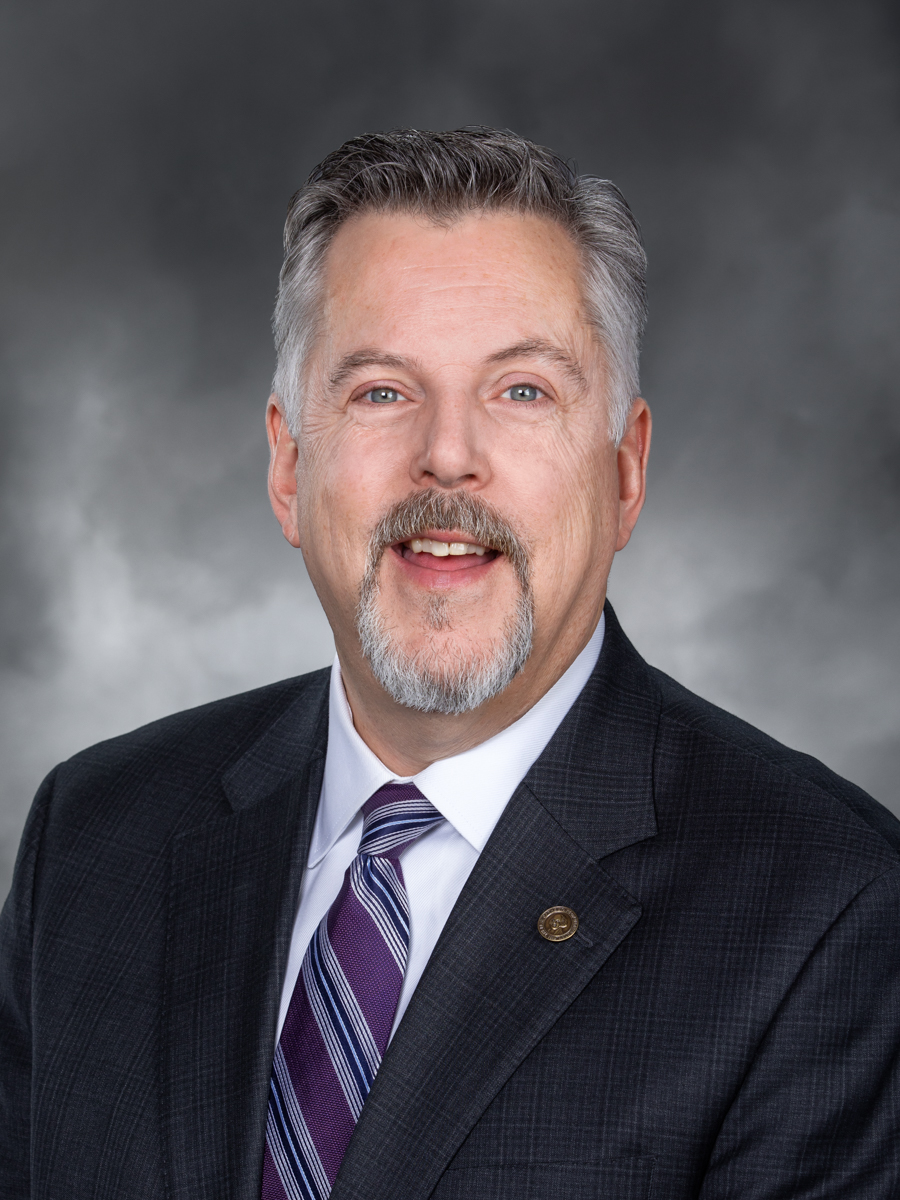
Annette Cleveland
100% support rate
Top opponent
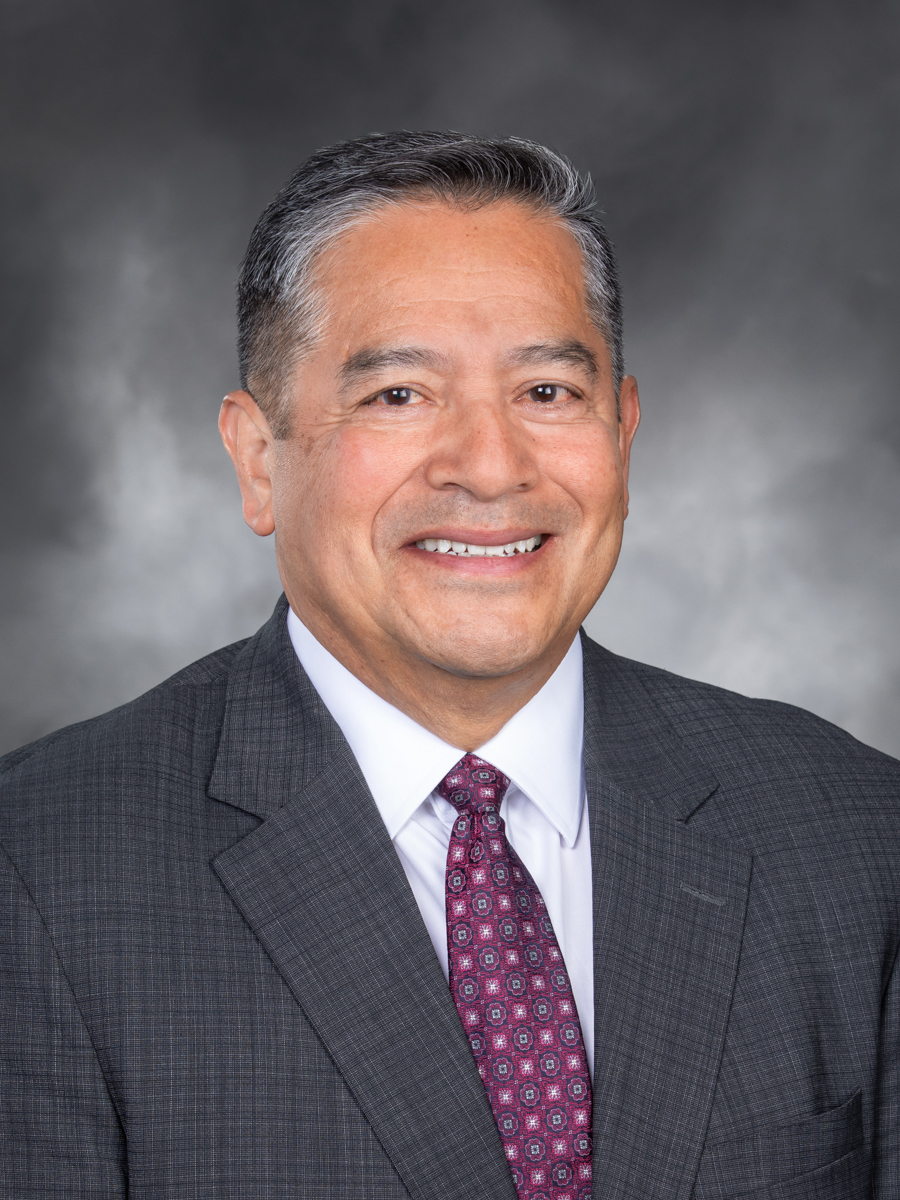
Jeff Wilson
0% support rate
Ranked legislators
10
5 support · 5 oppose
Key legislators

Who's moving corrections in Washington

Legislators moving corrections in Washington
Legislator Party Stance Support rate Votes
Annette Cleveland
Annette Cleveland Senate · District 49
D
Strong +
100% 12
Bob Hasegawa
Bob Hasegawa Senate · District 11
D
Strong +
100% 12
Claire Wilson
Claire Wilson Senate · District 30
D
Strong +
100% 12
Claudia Kauffman
Claudia Kauffman Senate · District 47
D
Strong +
100% 12
Derek Stanford
Derek Stanford Senate · District 1
D
Strong +
100% 12
Jeff Wilson
Jeff Wilson Senate · District 19
R
Strong −
0% 12
Jim McCune
Jim McCune Senate · District 2
R
Strong −
0% 12
Matt Boehnke
Matt Boehnke Senate · District 8
R
Strong −
0% 12
Alex Ybarra
Alex Ybarra House · District 13
R
Strong −
0% 11
Andrew Barkis
Andrew Barkis House · District 2
R
Strong −
0% 11
Showing 11–20 of 78 bills

All criminal justice bills

in committee · Washington · Senate Jan 30, 2026

SB 6340: Concerning residential restrictions for conditional release to a less restrictive alternative.

SB 6340 changes Washington State law for releasing individuals from secure facilities to less restrictive community settings (like outpatient treatment or supervised housing). It requires courts to impose specific conditions, including electronic monitoring with real-time tracking and a minimum one-half mile distance between the person's residence and schools, child care facilities, and recreational areas. The bill also mandates that releases follow "fair share principles" to ensure equitable distribution across counties, with the Department of Corrections documenting placement decisions and justifying any deviation from the person's county of commitment. This directly affects individuals committed under mental health or developmental disability laws and the agencies overseeing their community supervision.
in committee · Washington · House Feb 4, 2026

HB 2595: Concerning collateral attacks on judgment and sentence in criminal cases.

HB 2595 extends the time limit for filing collateral attacks on criminal convictions from one year to three years after a judgment becomes final. It defines "collateral attack" to include postconviction petitions like personal restraint petitions and motions to vacate judgments, and specifies when a judgment becomes final (e.g., after direct appeals or Supreme Court certiorari denial). The bill requires the Department of Corrections to notify currently incarcerated individuals about this new three-year limit. These changes directly affect people convicted of felonies who seek postconviction relief, aiming to streamline legal processes while maintaining access to certain remedies.
signed · Washington · House Mar 24, 2026

HB 2532: Concerning the sale and distribution of nitrous oxide.

HB 2532 makes it a gross misdemeanor to sell, distribute, or give away nitrous oxide in containers like canisters or tanks (including flavored versions), except for specific exempt uses. The law specifically targets recreational nitrous oxide sales by criminalizing these transactions, with penalties including up to 364 days in jail. Key exemptions include licensed medical, dental, or veterinary use; nitrous oxide used as a food propellant; and industrial or automotive applications. The bill does not ban nitrous oxide itself but regulates its sale in consumer containers for non-exempt purposes.
Sub-Topics Corrections
in committee · Washington · Senate Feb 4, 2026

SB 6339: Requiring a less restrictive alternative placement to be owned and operated by the same individuals.

SB 6339 requires courts to confirm that any "less restrictive alternative" placement (like community-based treatment) for individuals released from secure facilities must be owned and operated by the same entity providing the services. It mandates specific conditions for such releases, including electronic monitoring with real-time tracking, 500-foot residence restrictions near schools/child care, and court verification that the placement provider owns the residence. The bill also requires adherence to "fair share principles" to prevent disproportionate placement of individuals in specific counties, with the department documenting placement decisions and notifying counties of out-of-county releases. This directly affects courts, the Department of Corrections, and service providers arranging community-based supervision under Washington’s conditional release law (RCW 71.09.096).
Sub-Topics Corrections Courts
in committee · Washington · House Jan 12, 2026

HB 2393: Concerning correctional facility liability for inmate injuries resulting from voluntary controlled substance use, when lawful intake and medical care requirements are met.

This bill limits state and local government liability for injuries to inmates caused by their voluntary use of controlled substances under specific conditions. It applies when inmates were lawfully searched upon admission (with any substances seized), and the facility met medical care requirements. However, liability still applies if the facility or government provided the substance or failed to provide medical care when they knew an inmate needed it. The law affects correctional facilities (jails, prisons) and the government entities that operate them, changing how liability is determined in such cases.
in committee · Washington · House Jan 22, 2026

HB 2635: Providing supervision of a sexually violent predator after release or discharge.

This bill sets conditions for releasing individuals classified as sexually violent predators into the community after court-ordered supervision. It requires courts to mandate electronic monitoring with real-time tracking, 500-foot distance restrictions from schools and child care facilities, and individualized supervision plans addressing specific risk factors. The law also requires the Department of Corrections to develop placements adhering to "fair share" principles to prevent disproportionate concentration of such individuals in any single county. These conditions must be documented and reviewed to ensure community safety while facilitating a person's transition to less restrictive settings.
in committee · Washington · Senate Jan 14, 2026

SB 6144: Improving safety at state juvenile rehabilitation institutions.

SB 6144 amends Washington state law to expand opportunities for clearing certain criminal conviction records, particularly for victims of trafficking or violence. It modifies RCW 9.94A.640 to allow victims of sex trafficking, sexual assault, or domestic violence to petition courts to vacate class B or C felony convictions using a streamlined process. The bill repeals outdated provisions (RCW 9.94A.646 and 13.40.043) related to juvenile prison riot offenses, which previously allowed record clearance for those convicted in juvenile facilities. This legislation focuses on legal record relief rather than facility safety improvements, as implied by its title.
in committee · Washington · Senate Jan 26, 2026

SB 6301: Providing supervision of a sexually violent predator after release or discharge.

SB 6301 modifies the conditions for releasing sexually violent predators from secure facilities into community settings. It requires courts to mandate electronic monitoring with real-time tracking, a 500-foot minimum distance from schools and child care facilities, and individualized restrictions on residence, contact with victims, substance use, and required treatment. The bill also introduces "fair share principles" to ensure releases are distributed across counties to avoid concentration in one area, and demands the department of corrections investigate and recommend release conditions within 60 days. This directly affects individuals committed as sexually violent predators who are being considered for conditional release.
Sub-Topics Corrections
in committee · Washington · Senate Jan 14, 2026

SB 6145: Concerning the possession of contraband at any correctional facility or institution by an employee.

SB 6145 requires immediate suspension and termination of state and contractor employees at correctional facilities who possess contraband (such as weapons, drugs, or security-threatening items) on facility premises. Employees found guilty of contraband possession through evidence-based review or related criminal convictions must be terminated, and contractors must remove such employees from facility-access roles. Contractors must also demonstrate improved hiring, training, and monitoring practices to renew contracts, with the department requiring proof of progress before approval. The bill allows public disclosure of terminated employees or contracts, protecting officials from liability for releasing relevant information.
in committee · Washington · Senate Feb 26, 2026

SB 6085: Concerning the transparency in expenditures from the institutional welfare account.

SB 6085 requires Washington’s Department of Corrections to create a formal process for gathering feedback from incarcerated individuals and their families about how funds in the institutional welfare account are spent. The bill mandates regular opportunities for inmates to share input on services and programs, annual surveys of affinity groups, and annual public reports detailing facility-specific expenditures and how feedback influenced spending decisions. These reports must be published online starting December 31, 2026, and include the feedback collection process. The bill directly affects the Department of Corrections, incarcerated individuals, and their families by making spending decisions more transparent and informed by those impacted. It does not change what the account funds (e.g., visitation, recreation, reentry services) but adds transparency requirements.
Showing 11 to 20 of 78 bills
Previous 1 2 3 8 Next