Issue · Criminal Justice

Criminal Justice (Corrections)

Every criminal justice bill, vote, and legislator stance in Washington, automatically classified by Maddy, our AI policy reader.

Total bills
58
2025-2026 Regular Session
Top supporter
Annette Cleveland
100% support rate
Top opponent
Jeff Wilson
0% support rate
Ranked legislators
10
5 support · 5 oppose
Key legislators

Who's moving corrections in Washington

Legislators moving corrections in Washington
Legislator Party Stance Support rate Votes
Annette Cleveland
Annette Cleveland Senate · District 49
D
Strong +
100% 12
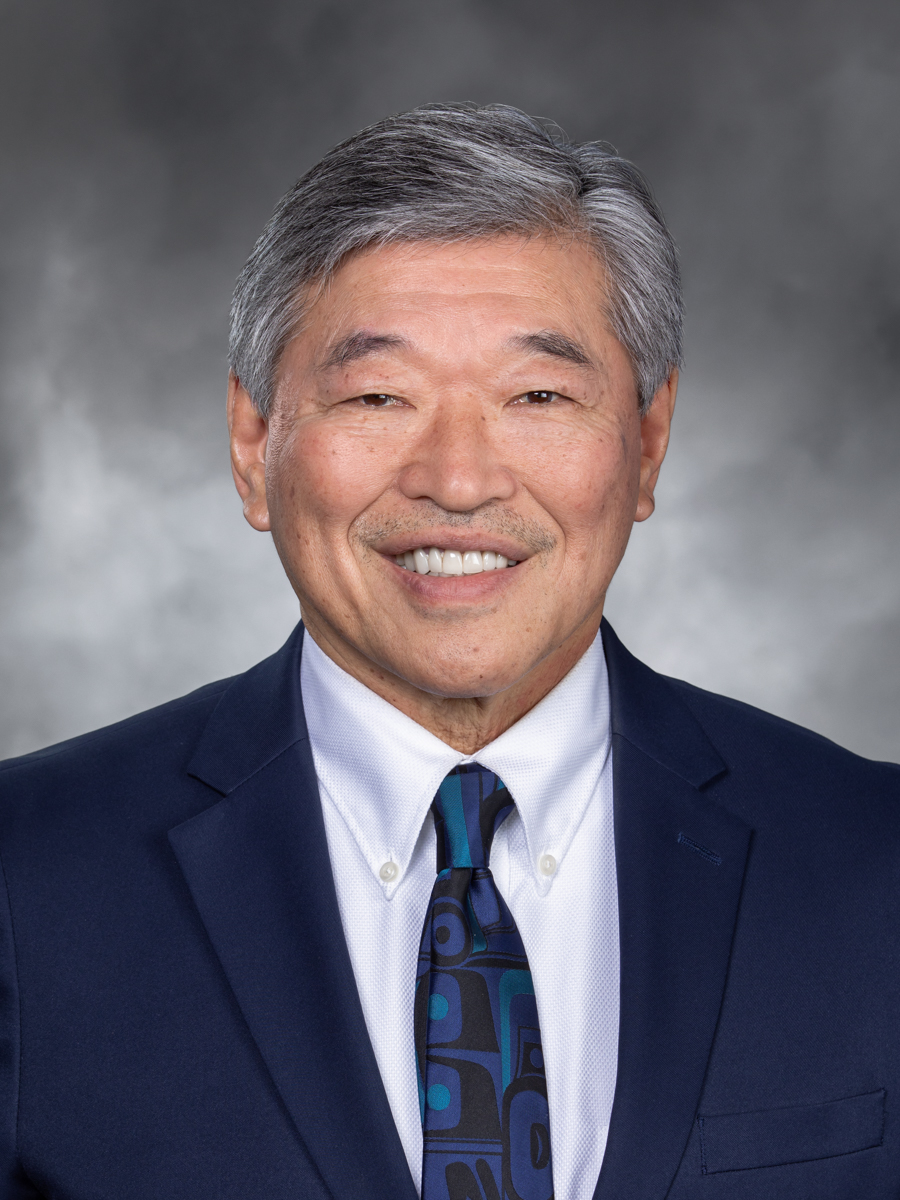
Bob Hasegawa
Bob Hasegawa Senate · District 11
D
Strong +
100% 12
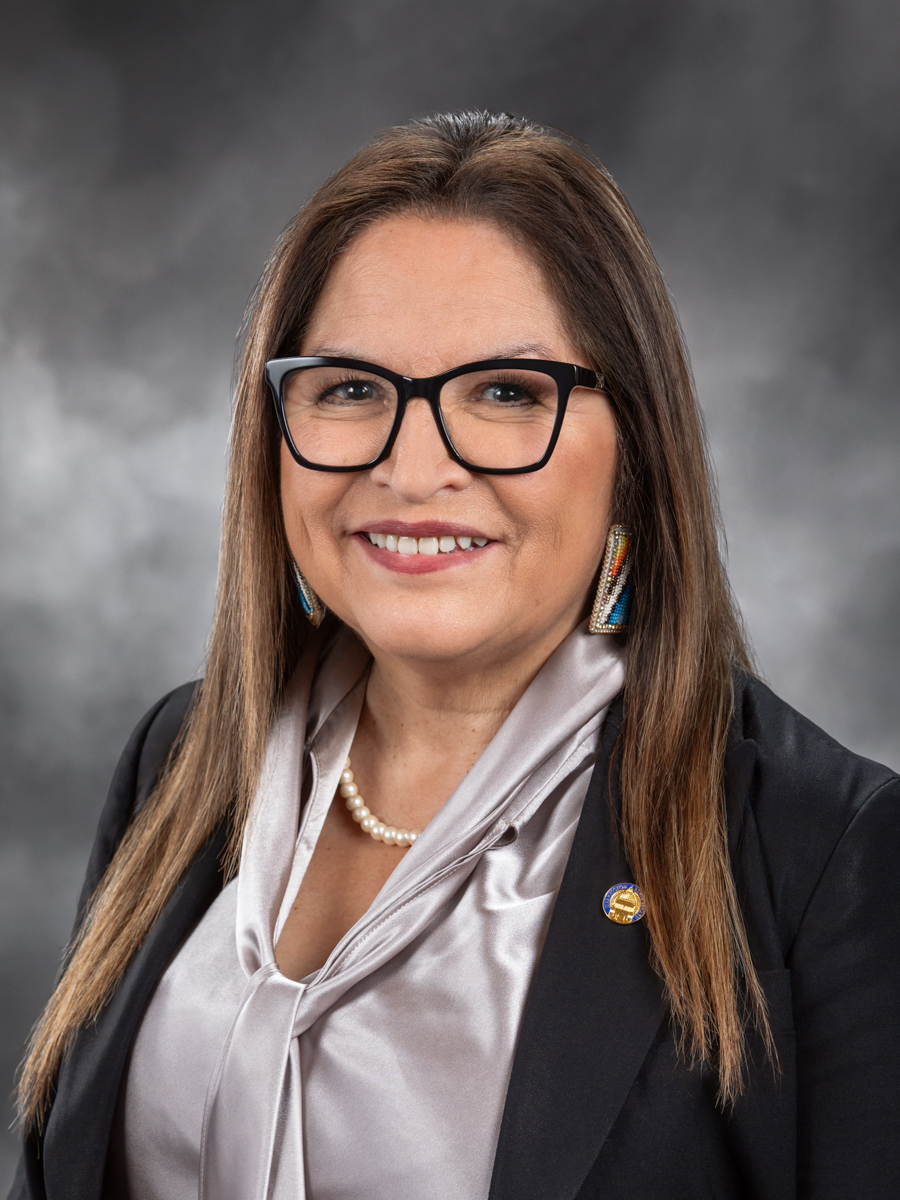
Claire Wilson
Claire Wilson Senate · District 30
D
Strong +
100% 12
Claudia Kauffman
Claudia Kauffman Senate · District 47
D
Strong +
100% 12
Derek Stanford
Derek Stanford Senate · District 1
D
Strong +
100% 12
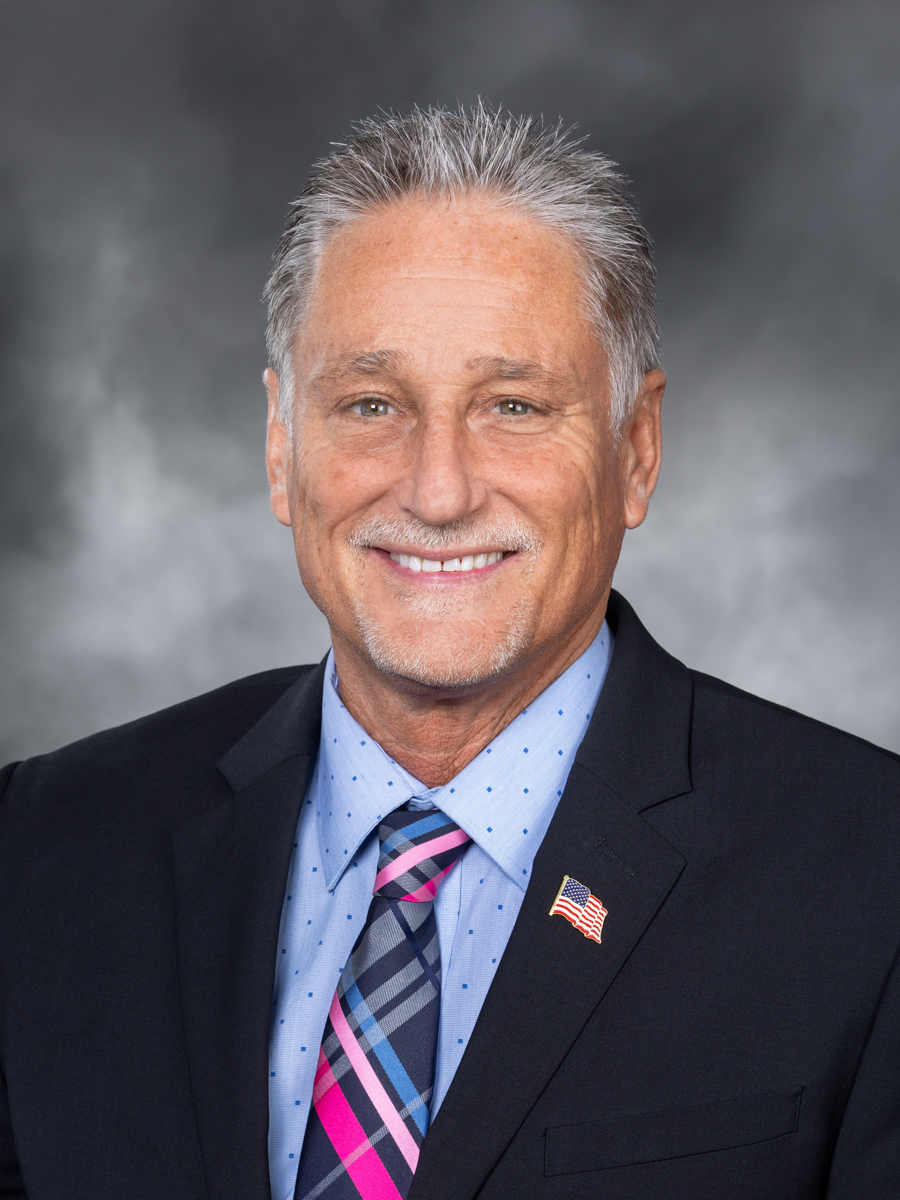
Jeff Wilson
Jeff Wilson Senate · District 19
R
Strong −
0% 12
Jim McCune
Jim McCune Senate · District 2
R
Strong −
0% 12
Matt Boehnke
Matt Boehnke Senate · District 8
R
Strong −
0% 12
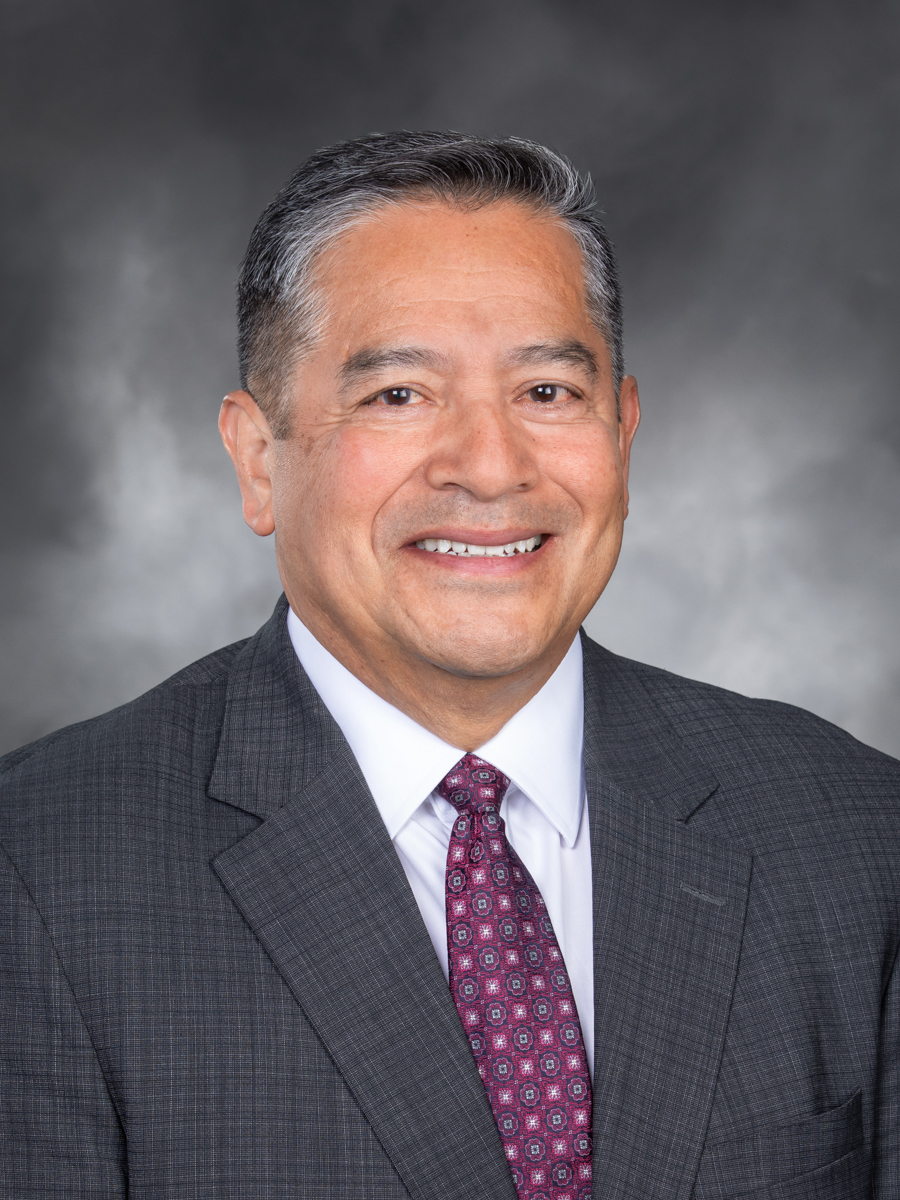
Alex Ybarra
Alex Ybarra House · District 13
R
Strong −
0% 11
Andrew Barkis
Andrew Barkis House · District 2
R
Strong −
0% 11
Showing 11–20 of 58 bills

All criminal justice bills

in committee · Washington · Senate Jan 26, 2026

SB 6301: Providing supervision of a sexually violent predator after release or discharge.

SB 6301 modifies the conditions for releasing sexually violent predators from secure facilities into community settings. It requires courts to mandate electronic monitoring with real-time tracking, a 500-foot minimum distance from schools and child care facilities, and individualized restrictions on residence, contact with victims, substance use, and required treatment. The bill also introduces "fair share principles" to ensure releases are distributed across counties to avoid concentration in one area, and demands the department of corrections investigate and recommend release conditions within 60 days. This directly affects individuals committed as sexually violent predators who are being considered for conditional release.
Sub-Topics Corrections
in committee · Washington · Senate Jan 14, 2026

SB 6145: Concerning the possession of contraband at any correctional facility or institution by an employee.

SB 6145 requires immediate suspension and termination of state and contractor employees at correctional facilities who possess contraband (such as weapons, drugs, or security-threatening items) on facility premises. Employees found guilty of contraband possession through evidence-based review or related criminal convictions must be terminated, and contractors must remove such employees from facility-access roles. Contractors must also demonstrate improved hiring, training, and monitoring practices to renew contracts, with the department requiring proof of progress before approval. The bill allows public disclosure of terminated employees or contracts, protecting officials from liability for releasing relevant information.
in committee · Washington · Senate Feb 26, 2026

SB 6085: Concerning the transparency in expenditures from the institutional welfare account.

SB 6085 requires Washington’s Department of Corrections to create a formal process for gathering feedback from incarcerated individuals and their families about how funds in the institutional welfare account are spent. The bill mandates regular opportunities for inmates to share input on services and programs, annual surveys of affinity groups, and annual public reports detailing facility-specific expenditures and how feedback influenced spending decisions. These reports must be published online starting December 31, 2026, and include the feedback collection process. The bill directly affects the Department of Corrections, incarcerated individuals, and their families by making spending decisions more transparent and informed by those impacted. It does not change what the account funds (e.g., visitation, recreation, reentry services) but adds transparency requirements.
in committee · Washington · Senate Feb 26, 2026

SB 5895: Providing an alternative condition for extraordinary medical placement for incarcerated individuals.

SB 5895 creates a new "extraordinary medical placement" option for incarcerated individuals in Washington State who have serious, chronic, or terminal medical conditions that significantly limit their ability to care for themselves in prison. To qualify, an individual must be assessed by two physicians as having a qualifying condition (like a degenerative illness or expected to die within ~18 months), be deemed low risk to the community, and the placement must save the state money. If approved, they would typically serve the remainder of their sentence under electronic monitoring in a community setting, with an appeal process available for denials. This policy directly affects eligible incarcerated individuals with severe medical needs who meet the specific criteria, offering an alternative to prison confinement under defined conditions.
Sub-Topics Corrections
passed · Washington · Senate Mar 12, 2026

SB 5873: Concerning escorted leaves of absence for incarcerated individuals.

This bill expands eligibility for escorted leaves of absence for incarcerated individuals in Washington state. It allows incarcerated people to leave prison with supervision for specific reasons, including attending funerals or visiting seriously ill extended family (like grandchildren, aunts, uncles, or domestic partners), participating in athletic events, receiving medical care not available in prison, or joining nonviolent offender community service programs. The bill also requires reimbursement for leave costs from the incarcerated person or their family unless they are indigent, and prohibits leaving the state during these leaves. These changes apply to all state correctional facilities and modify existing state law to clarify permitted activities and financial responsibilities.
in committee · Washington · Senate Jan 12, 2026

SB 5409: Concerning a pilot program creating a healthier environment for correctional officers, department of corrections staff, and individuals within a correctional facility.

SB 5409 establishes a four-year pilot program at Washington State Penitentiary East Complex to improve conditions for correctional officers, department staff, and incarcerated individuals. The program includes training officers in dynamic security tactics and crisis de-escalation, appointing contact officers as mentors to support incarcerated individuals' reentry planning, and making facility improvements like painting and planting to create a more community-like environment. The Department of Corrections must report annually on participation, behavioral changes, and recidivism outcomes, with the program set to expire June 30, 2030. This directly affects correctional staff (addressing their shorter lifespans and higher suicide rates) and incarcerated individuals (aiming to reduce health impacts and improve reentry readiness).
in committee · Washington · Senate Jan 12, 2026

SB 5569: Recognizing a court's authority to authorize a defendant's direct transfer from jail to inpatient or residential substance use disorder treatment.

SB 5569 allows courts in Washington to approve direct transfers of defendants from jail to inpatient or residential substance use disorder treatment, bypassing bail requirements. It directly affects defendants charged with crimes who have a confirmed treatment facility spot and a "trusted individual" (like a family member or social worker) to escort them. Key provisions require defendants to agree to treatment, waive their right to a speedy trial, and include court notifications to recovery programs and treatment facilities upon admission and discharge. The bill also clarifies that time spent in treatment counts as an excluded period for trial deadlines, resetting the timeline upon completion. This applies broadly to any defendant who could benefit from treatment, not just those charged under specific laws.
in committee · Washington · Senate Jan 12, 2026

SB 5005: Concerning transparency, public safety, and independent oversight of the city, county, and regional jail system in Washington state.

SB 5005 creates the Washington Jail Council within the governor’s office to improve transparency and safety in Washington state’s city, county, and regional jails. The council, composed of seven members including jail administrators, health providers, people with lived incarceration experience, and legal advocates, will monitor jail conditions, conduct annual surveys, and investigate systemic issues. It will collect data, handle public complaints, publish reports on jail operations, and recommend policy changes to promote humane conditions and reduce litigation risks. This bill directly affects all Washington jails, their staff, and incarcerated individuals by establishing a formal oversight body focused on evidence-based reforms.
Sub-Topics Corrections
in committee · Washington · Senate Jan 12, 2026

SB 5276: Modifying the reimbursement rates for services related to institutions.

SB 5276 modifies how Washington counties are reimbursed for criminal justice costs linked to crimes committed by people in state-run institutions. It creates an "institutional impact account" to fund reimbursements for law enforcement, prosecutorial, judicial, and jail costs directly tied to offenders in facilities managed by the Secretary of Children, Youth, and Families or Secretary of Corrections. Reimbursement rates are set using each county's average hourly costs (for law enforcement/prosecution/judicial) or daily bed rates (for jail) from the previous fiscal year. The bill requires both agencies to update their rules to implement these new rate calculations and reimbursement procedures.
in committee · Washington · House Jan 12, 2026

HB 1196: Revoking a person's voting rights only when convicted of a state crime punishable by death.

HB 1196 limits the revocation of voting rights to individuals convicted in Washington state courts of a crime punishable by death (an "infamous crime" under the bill). It automatically restores voting rights when such individuals are no longer incarcerated under the Department of Corrections, without requiring separate action. The bill amends voter registration forms, challenge procedures, and automatic restoration rules to align with this narrower standard, removing revocation for other felonies. This directly affects Washington residents convicted of specific death-penalty crimes who were previously barred from voting during incarceration. The bill does not change voting rights for non-death-penalty convictions or out-of-state/federal offenses.
Showing 11 to 20 of 58 bills
Previous 1 2 3 6 Next