Issue · Criminal Justice

Criminal Justice (Courts)

Every criminal justice bill, vote, and legislator stance in Washington, automatically classified by Maddy, our AI policy reader.

Total bills
13
2025-2026 Regular Session
Top supporter
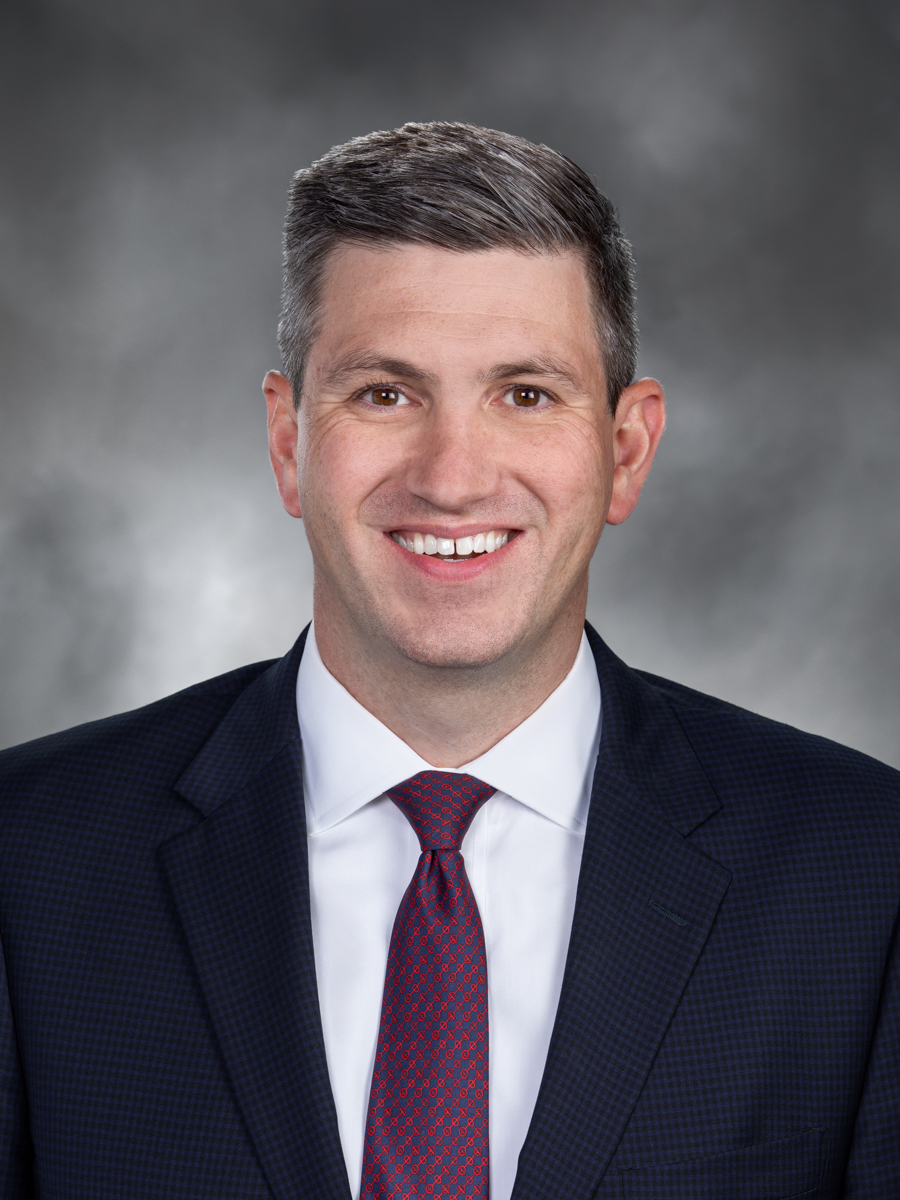
Alex Ramel
100% support rate
Top opponent
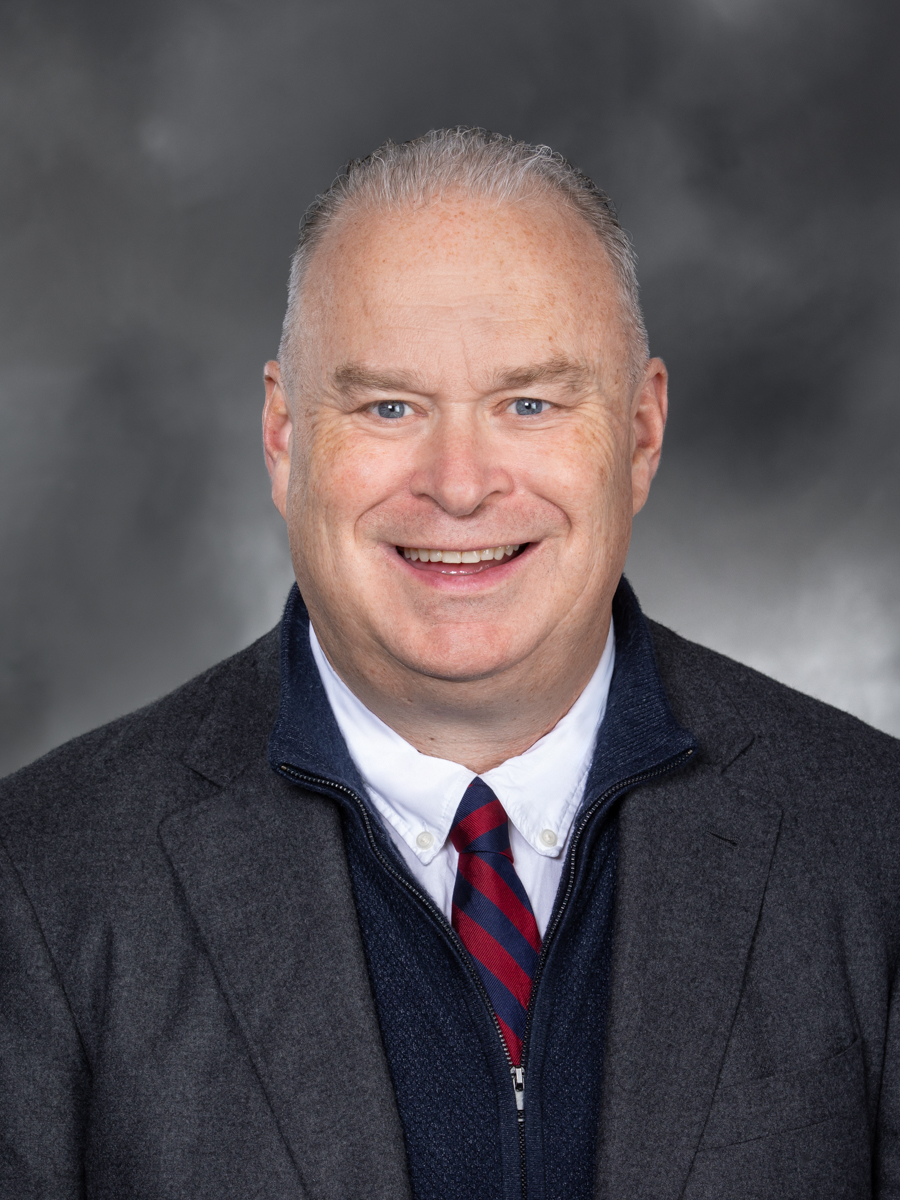
April Connors
0% support rate
Ranked legislators
10
5 support · 5 oppose
Key legislators

Who's moving courts in Washington

Legislators moving courts in Washington
Legislator Party Stance Support rate Votes
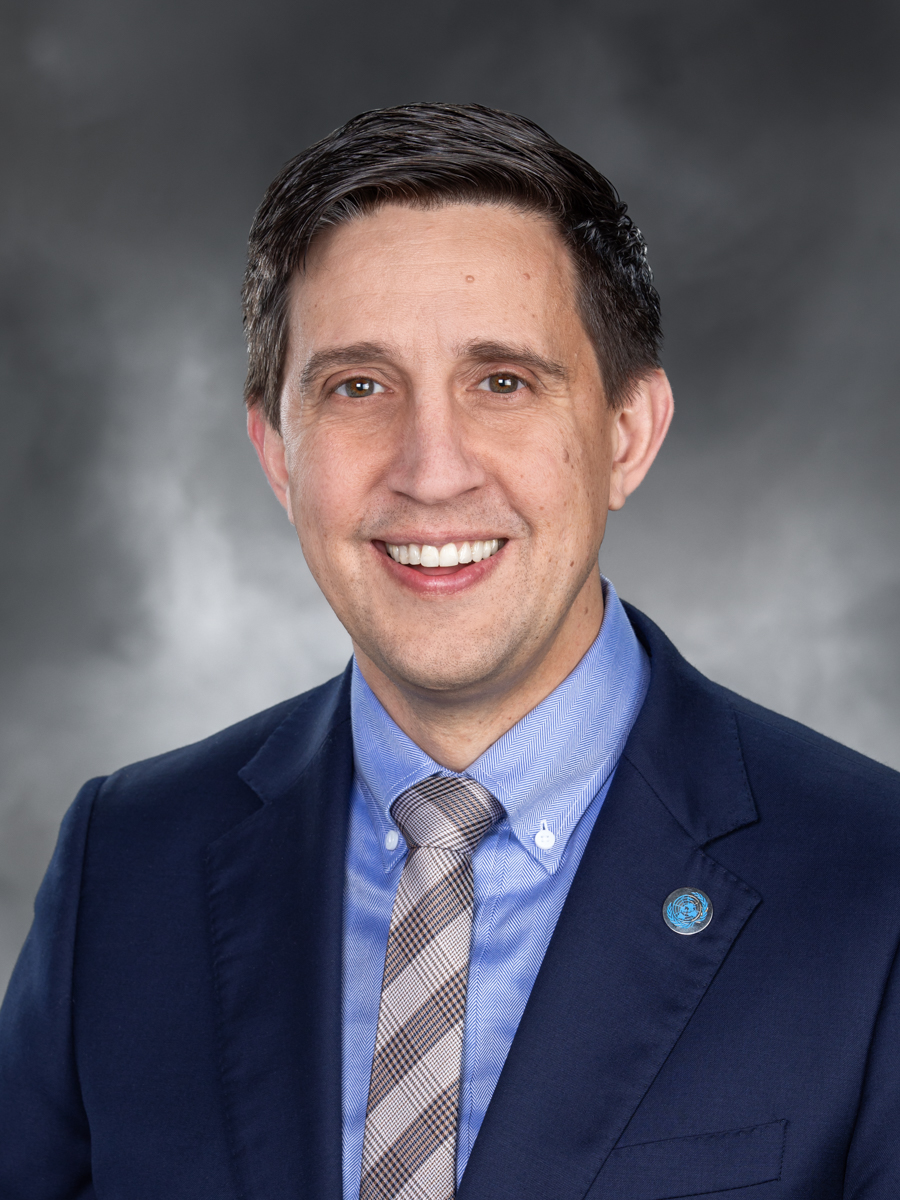
Alex Ramel
Alex Ramel House · District 40
D
Strong +
100% 13
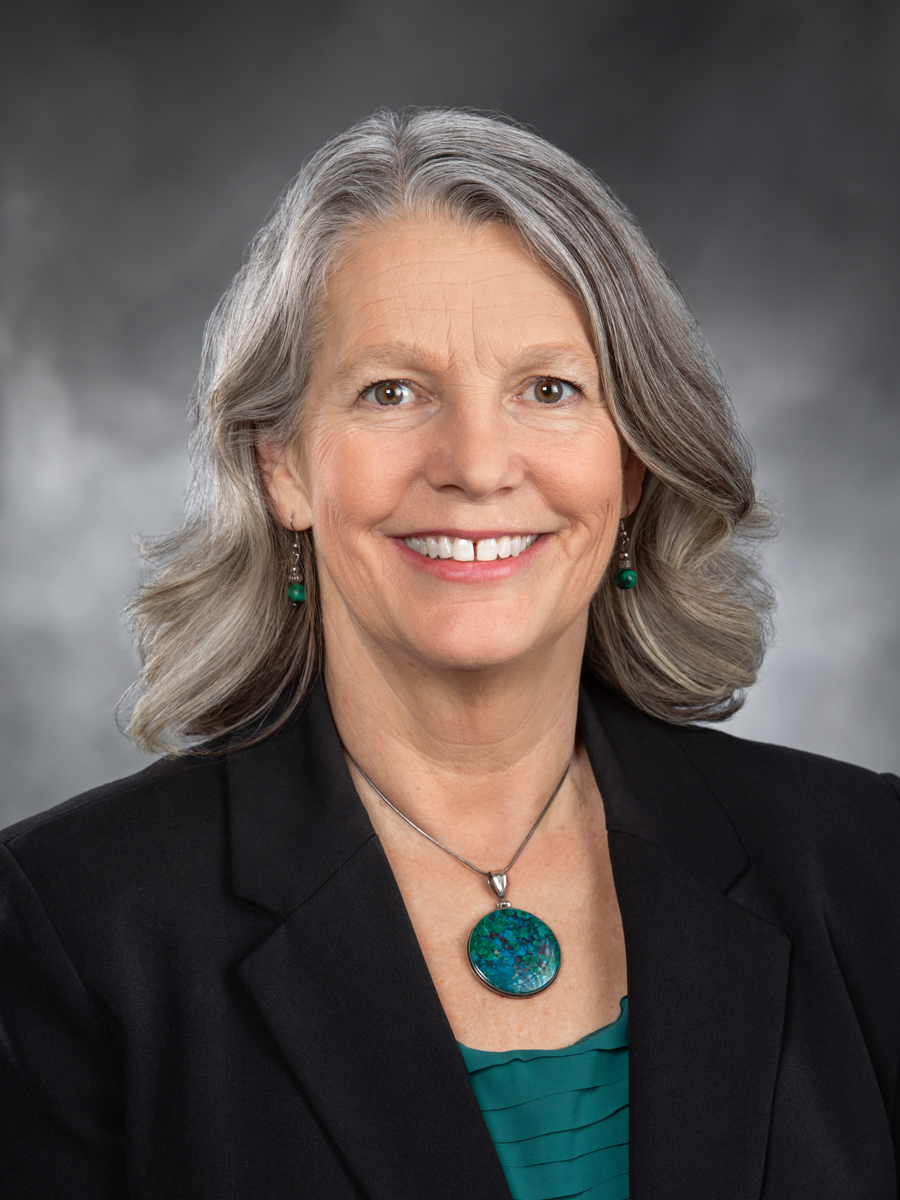
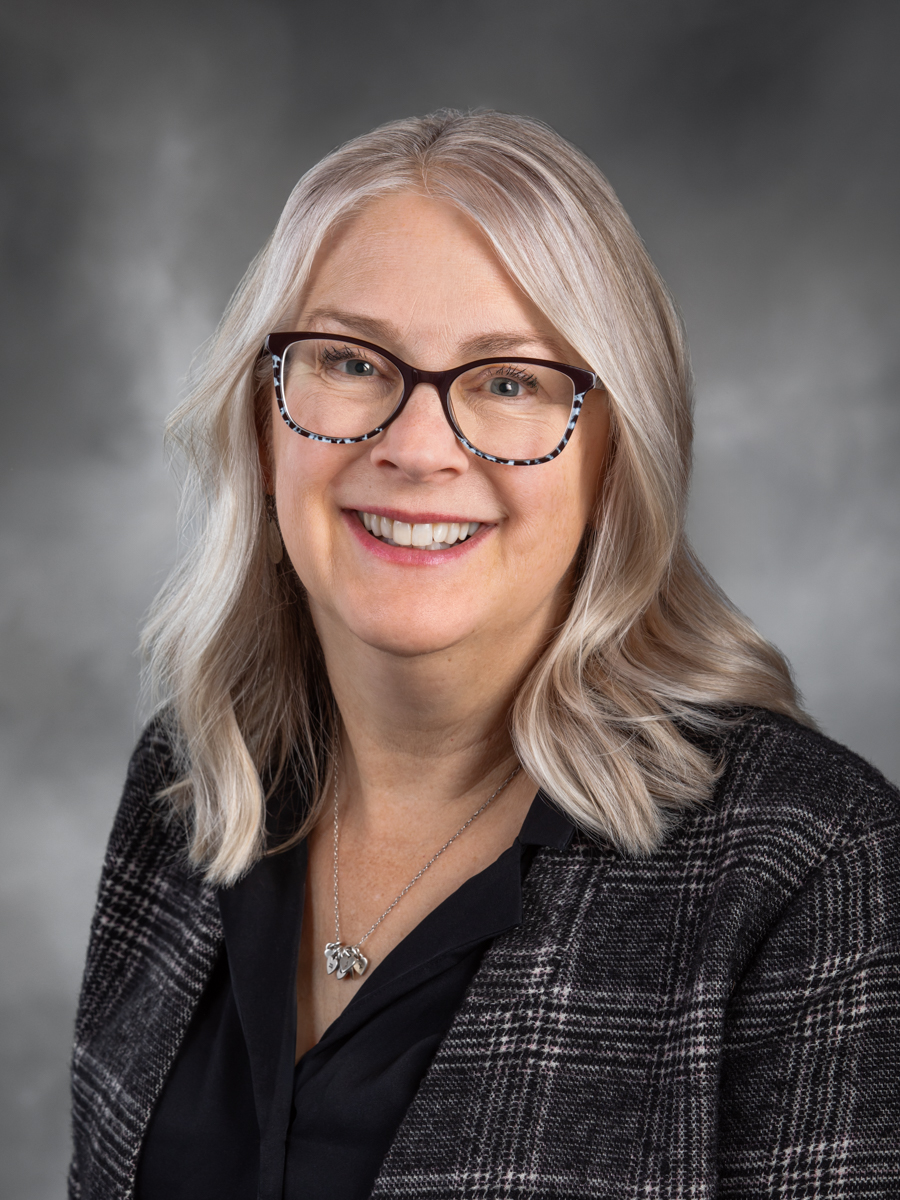
Beth Doglio
Beth Doglio House · District 22
D
Strong +
100% 13
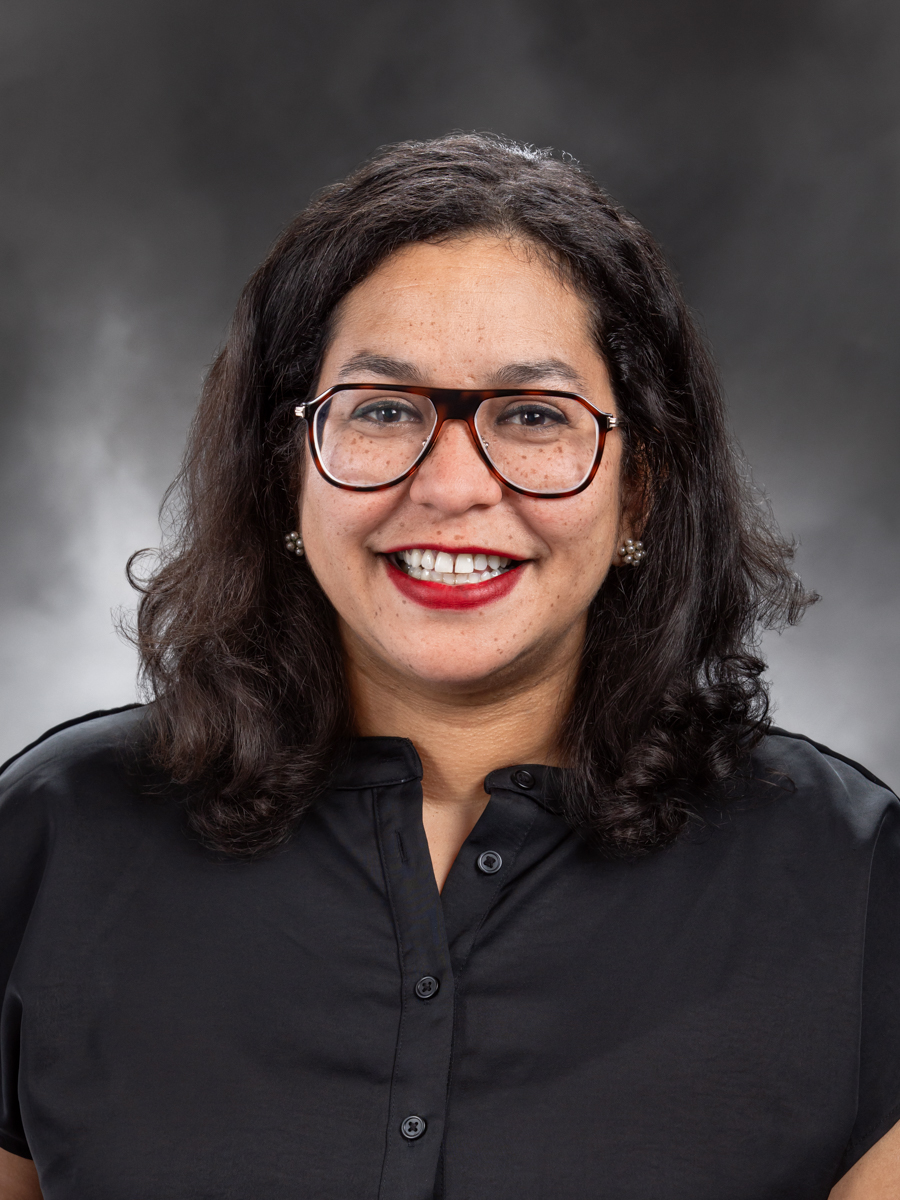
Brandy Donaghy
Brandy Donaghy House · District 44
D
Strong +
100% 13
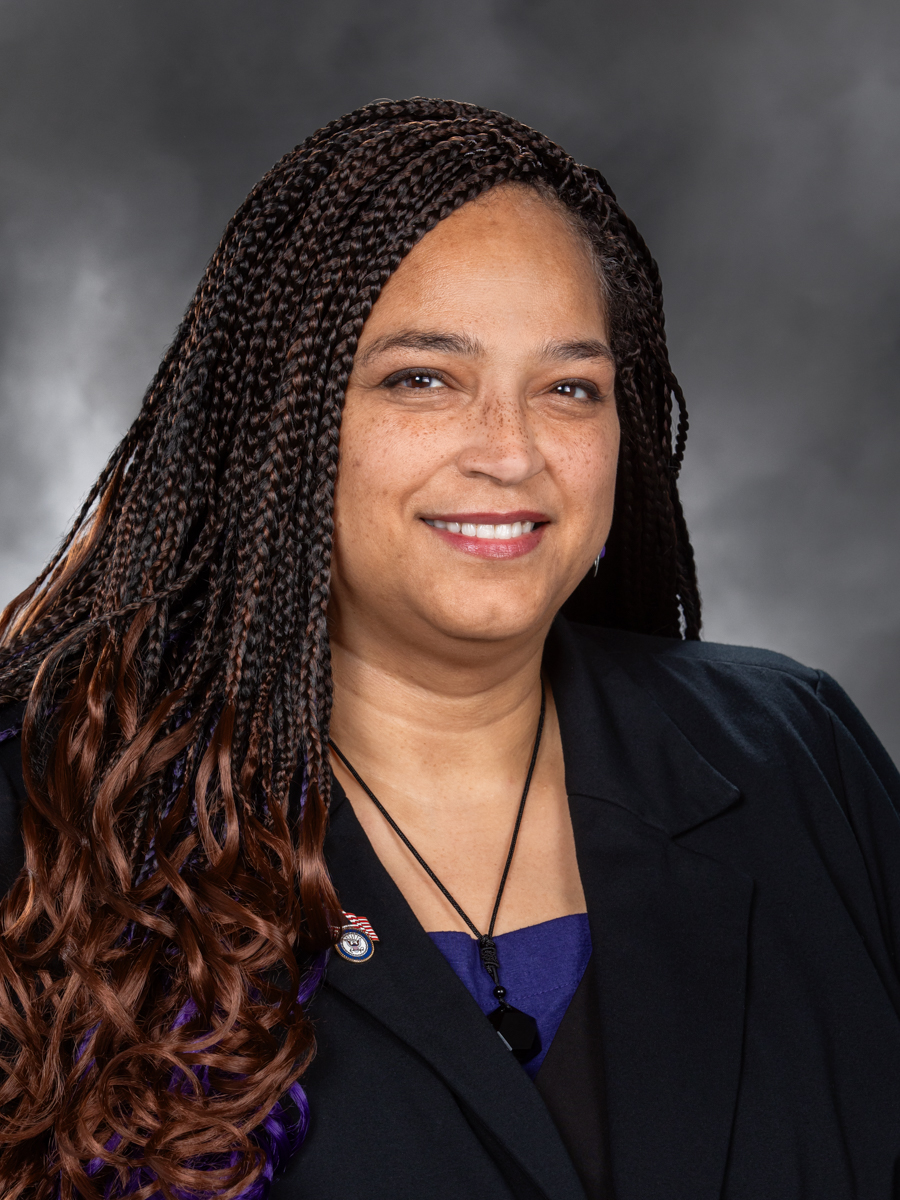
Brianna Thomas
Brianna Thomas House · District 34
D
Strong +
100% 13
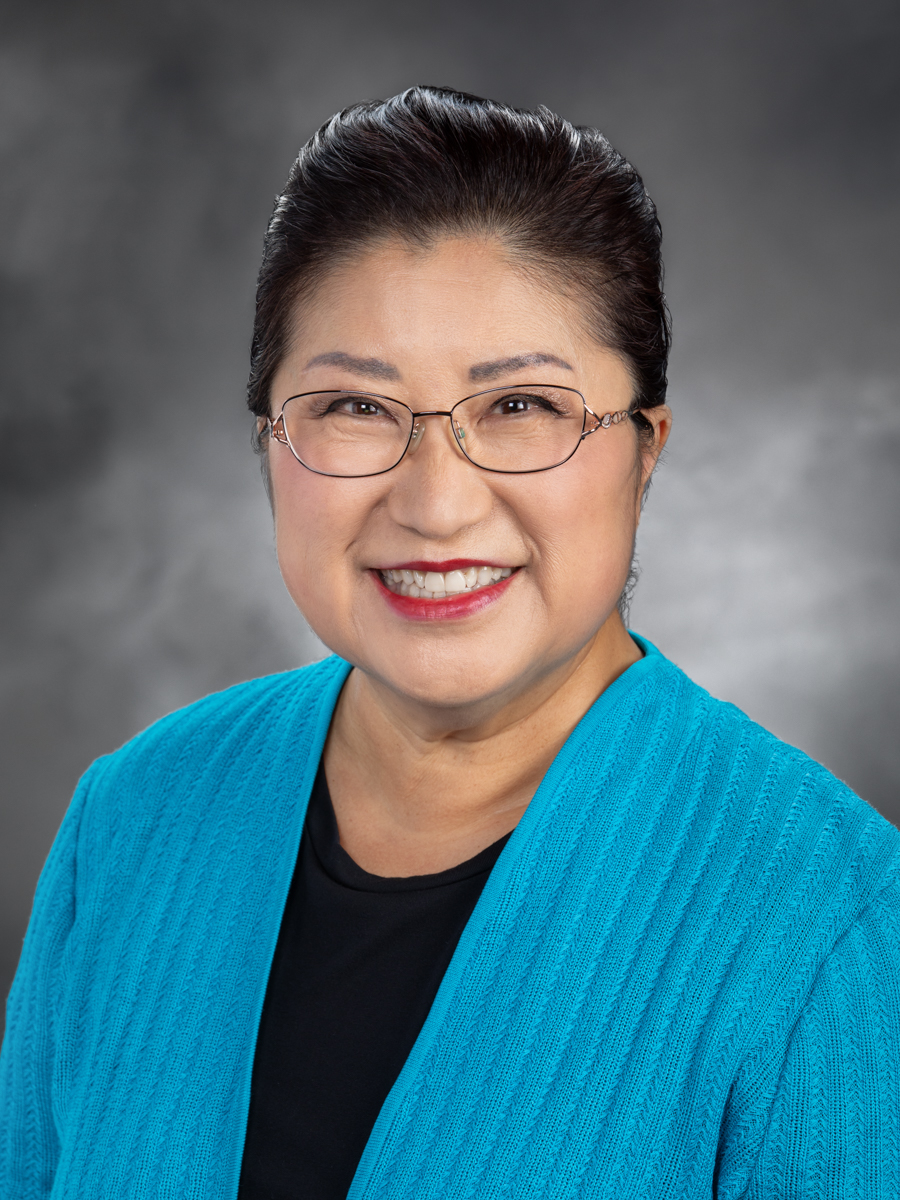
Cindy Ryu
Cindy Ryu House · District 32
D
Strong +
100% 13
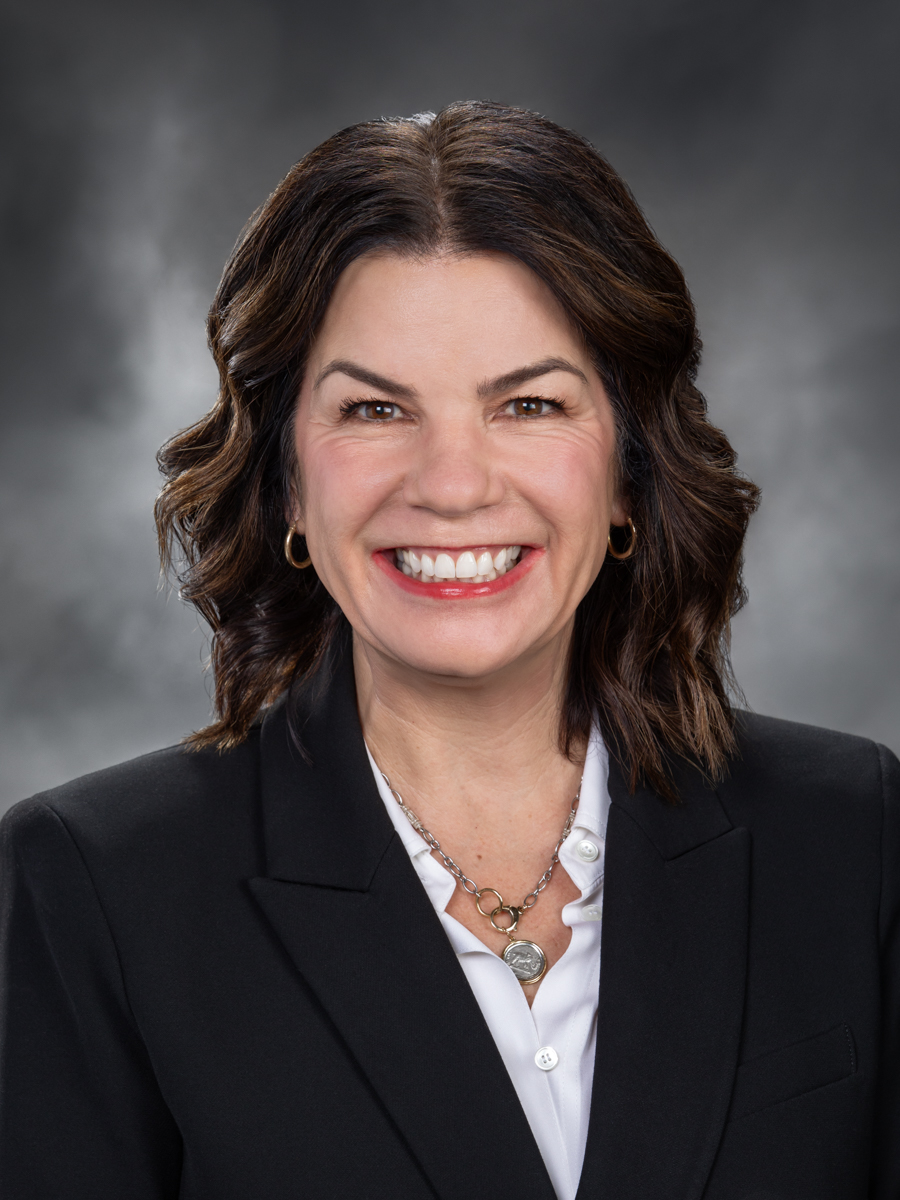
April Connors
April Connors House · District 8
R
Strong −
0% 13
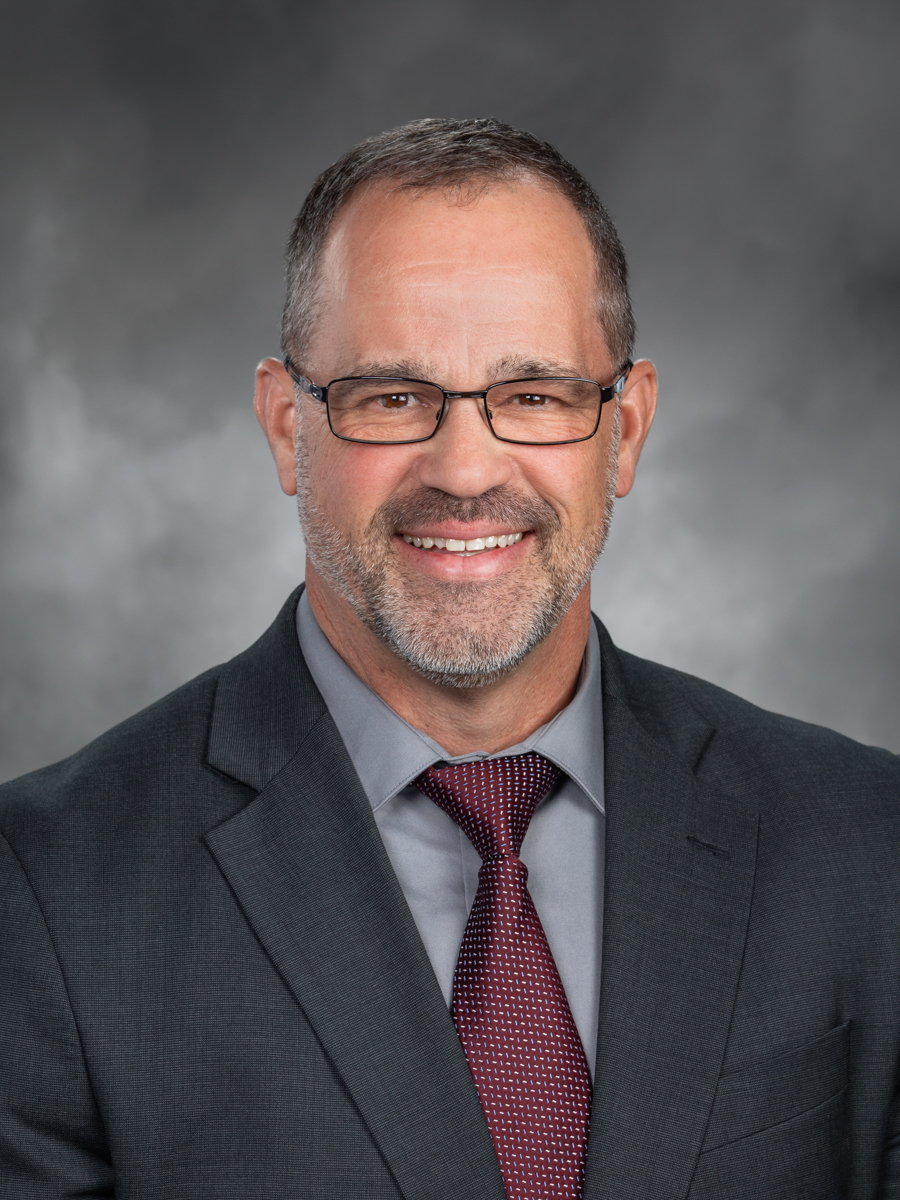
Brian Burnett
Brian Burnett House · District 12
R
Strong −
0% 13
Cyndy Jacobsen
Cyndy Jacobsen House · District 25
R
Strong −
0% 13
Drew Stokesbary
Drew Stokesbary House · District 31
R
Strong −
0% 13
Jim Walsh
Jim Walsh House · District 19
R
Strong −
0% 13
Showing 1–10 of 13 bills

All criminal justice bills

in committee · Washington · House Feb 5, 2026

HB 2729: Concerning retail theft accountability.

HB 2729, the Retail Theft Accountability Act, mandates a minimum 30-day jail sentence (up to 364 days) and up to $5,000 in fines for repeat offenders convicted of specific property crimes like third-degree theft or possessing stolen goods within two years. It directly affects repeat offenders (18+ with two prior convictions) and aims to protect retail businesses - especially essential stores like grocery and pharmacy outlets - that face closures due to theft. The bill allows courts to offer court-supervised diversion programs (e.g., treatment, job support) instead of jail if participants complete them successfully; failure to complete results in the mandatory sentence. This law takes effect July 1, 2026, to address community safety concerns tied to unsustainable theft losses.
Sub-Topics Corrections Courts
in committee · Washington · Senate Jan 29, 2026

SB 6334: Prohibiting a less restrictive alternative placement from abutting a residence with a minor in the household.

SB 6334 requires courts to prohibit individuals on conditional release (such as those under court-ordered treatment or supervision) from living adjacent to a home where a minor resides. It mandates a minimum 500-foot buffer zone from schools and child care facilities, and requires electronic monitoring with real-time tracking and alerts for exclusion zones. The bill also directs courts to consider "fair share principles" to ensure equitable distribution of such placements across counties and instructs the Department of Corrections to investigate and recommend placement conditions. This applies to individuals subject to conditional release under Washington state law for committed cases, such as those involving mental health or sex offender commitments.
Sub-Topics Corrections Courts
in committee · Washington · Senate Jan 12, 2026

SB 6022: Improving juvenile rehabilitation.

SB 6022 repeals Washington's "JR-25" policy, which extended juvenile rehabilitation jurisdiction to age 25, and amends jurisdiction laws to limit juvenile court authority for certain serious offenses. The bill cites that rehabilitating youth in the juvenile system costs $257,000 annually per person - nearly four times the $76,000 cost in corrections - while the policy contributed to facility overcrowding and safety issues. It specifically revises RCW 13.04.030 to require adult criminal court jurisdiction for 16-17 year olds charged with serious violent offenses (e.g., robbery, rape of a child, or armed offenses) that would qualify as felonies if committed by an adult. This directly affects minors aged 16-17 facing such charges, shifting their cases to adult courts unless prosecutors and courts agree to retain juvenile jurisdiction.
signed · Washington · Senate Mar 17, 2026

SB 6084: Clarifying the prohibition on voting more than once in an election.

SB 6084 clarifies that intentionally voting more than once in the same election - whether in Washington state or across state lines on the same election date - is a felony offense. It directly affects voters who attempt to cast ballots in multiple jurisdictions on the same day, regardless of ballot content or office. The bill defines "same election" strictly by date, not by ballot issues, and specifies that voters may still cast ballots in both a general election and a special election held on the same day. This amendment corrects a court interpretation to prevent confusion ahead of the 2026 elections.
Sub-Topics Courts Tags Elections
in committee · Washington · House Jan 23, 2026

HB 2643: Concerning the due process requirements and the procedures of a peace officer being placed on Brady and Giglio lists.

HB 2643 protects peace officers from disciplinary action solely based on being listed on prosecutor-maintained "Brady and Giglio lists" (which flag officers with potential impeachment evidence). It requires law enforcement agencies to base discipline on the underlying misconduct, not the list placement itself. The bill grants officers a due process right to challenge their listing in superior court, where evidence is reviewed confidentially under seal, with a preponderance-of-evidence standard. This ensures officers can contest their inclusion without public disclosure, while preserving prosecutors' legal duty to share impeachment evidence under Brady/Giglio.
in committee · Washington · Senate Jan 16, 2026

SB 6193: Concerning offenses involving unlawful possession of a firearm by a juvenile.

Washington State's SB 6193 amends laws governing firearm possession by juveniles, specifically targeting those under 18 who possess firearms after certain prior offenses. It defines unlawful possession of a firearm in the first degree for juveniles who have been adjudicated, convicted, or found not guilty by reason of insanity for offenses like domestic violence or protection order violations (as listed in the bill), making it a class B felony. Second-degree possession applies when juveniles possess firearms without meeting first-degree criteria, such as after certain misdemeanor convictions, and carries a class C felony penalty. The bill includes exceptions for pardons, rehabilitation, or if a court record of conviction cannot be found, but does not override existing laws allowing firearm possession for juveniles under specific circumstances.
in committee · Washington · Senate Feb 4, 2026

SB 6339: Requiring a less restrictive alternative placement to be owned and operated by the same individuals.

SB 6339 requires courts to confirm that any "less restrictive alternative" placement (like community-based treatment) for individuals released from secure facilities must be owned and operated by the same entity providing the services. It mandates specific conditions for such releases, including electronic monitoring with real-time tracking, 500-foot residence restrictions near schools/child care, and court verification that the placement provider owns the residence. The bill also requires adherence to "fair share principles" to prevent disproportionate placement of individuals in specific counties, with the department documenting placement decisions and notifying counties of out-of-county releases. This directly affects courts, the Department of Corrections, and service providers arranging community-based supervision under Washington’s conditional release law (RCW 71.09.096).
Sub-Topics Corrections Courts
in committee · Washington · Senate Jan 13, 2026

SB 6083: Discouraging violent protests at postsecondary institutions by amending a court's ability to waive restitution owed to postsecondary institutions.

SB 6083 modifies Washington state law to prevent courts from waiving restitution payments owed to postsecondary institutions (like public universities) when offenders claim inability to pay due to financial hardship. Specifically, it removes an exception allowing courts to relieve offenders of restitution obligations to schools if they are deemed indigent, ensuring such payments must be enforced regardless of the offender's financial situation. This bill directly affects individuals convicted of violent protests causing property damage at colleges or universities, requiring them to pay restitution for damages. The change applies to court-ordered restitution for criminal offenses resulting in harm to postsecondary institution property, as defined under RCW 28B.10.016. It does not impact restitution for other victims or peaceful protest-related cases.
Sub-Topics Courts Victims' Rights
in committee · Washington · Senate Jan 12, 2026

SB 5333: Concerning penalties related to eluding police vehicles and resisting arrest.

SB 5333 (Washington State) increases penalties for drivers who repeatedly attempt to elude police vehicles. It allows police to seize and forfeit a vehicle used in a second conviction for eluding police or resisting arrest, following a prior impoundment (even without a conviction). The bill requires a court conviction before forfeiture, provides procedures for owners to claim their vehicles back within 60 days, and permits seized vehicles to be sold or kept by police to fund traffic safety programs. This directly affects drivers with prior offenses who are convicted of repeat eluding or resisting arrest.
in committee · Washington · House Jan 12, 2026

HB 1536: Concerning offenses involving unlawful possession of a firearm by a juvenile.

HB 1536 revises Washington state law to address juvenile firearm possession by clarifying when a minor is charged with a felony. It classifies unlawful firearm possession as a class B felony if a juvenile has prior adjudication for serious offenses (like violent crimes or domestic violence), and a class C felony for other cases. The bill specifically targets juveniles under 18 who possess firearms without prior court findings of serious misconduct, while allowing exceptions for rehabilitated individuals or pardoned cases. This law directly affects minors with prior court involvement in certain offenses, aiming to provide accountability through criminal penalties rather than behavioral interventions.
Showing 1 to 10 of 13 bills
1 2 Next