Issue · Criminal Justice

Criminal Justice (Corrections)

Every criminal justice bill, vote, and legislator stance in Washington, automatically classified by Maddy, our AI policy reader.

Total bills
20
2025-2026 Regular Session
Top supporter
Annette Cleveland
100% support rate
Top opponent
Jeff Wilson
0% support rate
Ranked legislators
10
5 support · 5 oppose
Key legislators

Who's moving corrections in Washington

Legislators moving corrections in Washington
Legislator Party Stance Support rate Votes
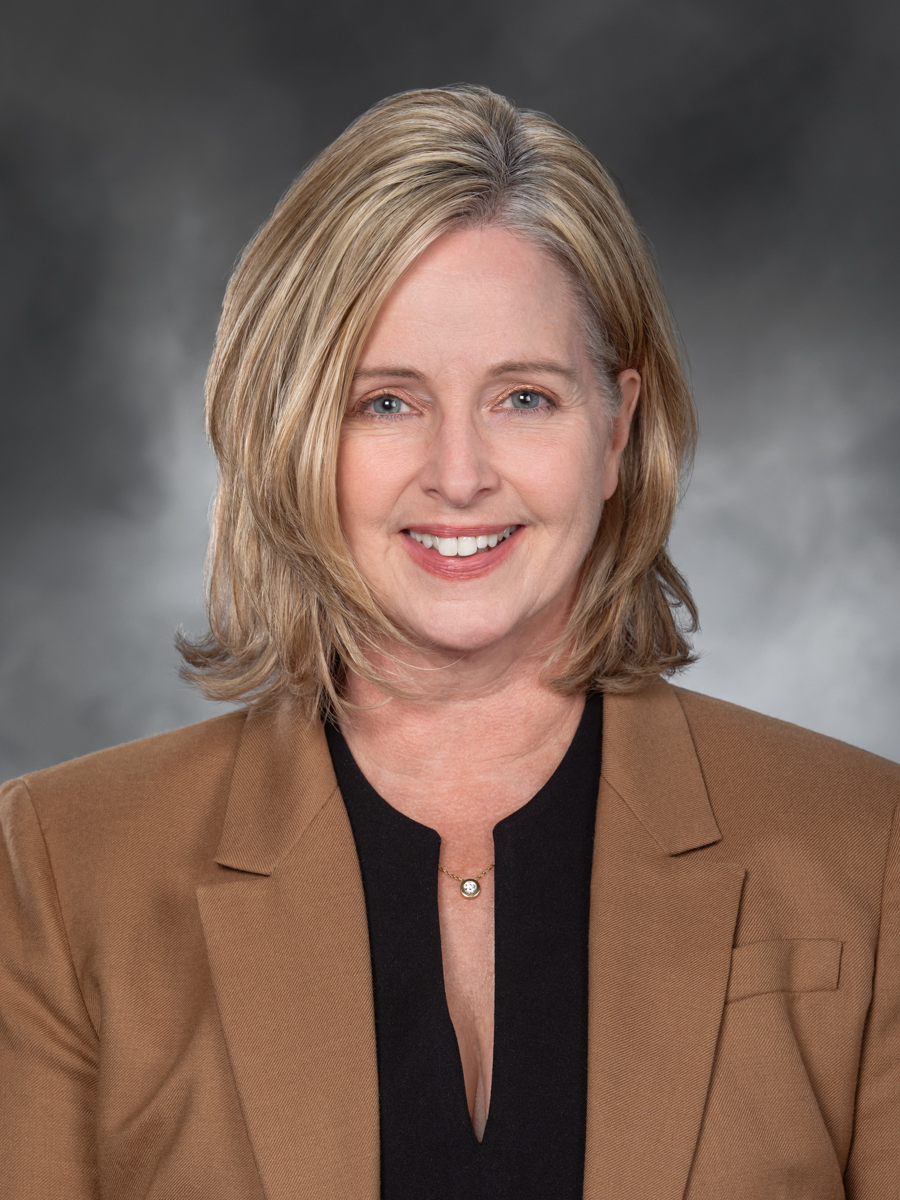
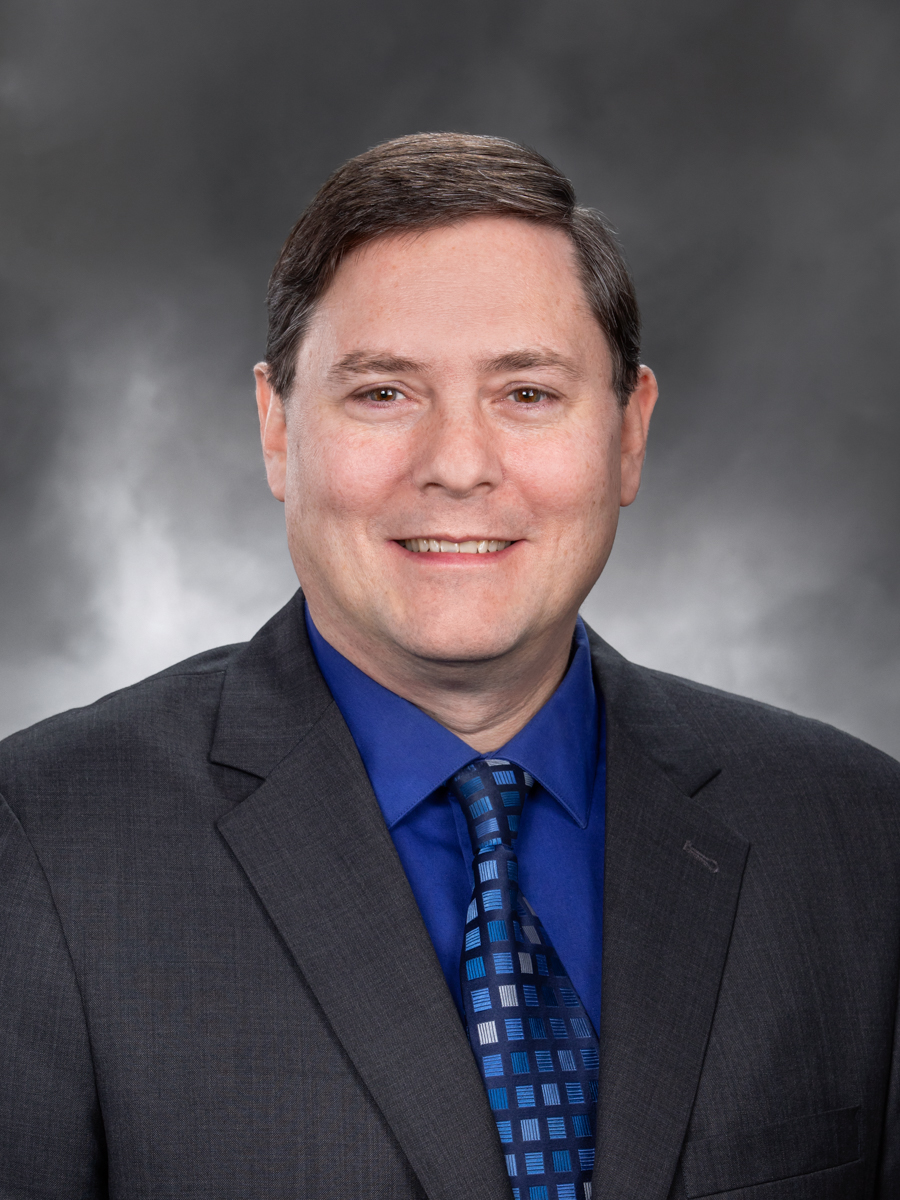
Annette Cleveland
Annette Cleveland Senate · District 49
D
Strong +
100% 12
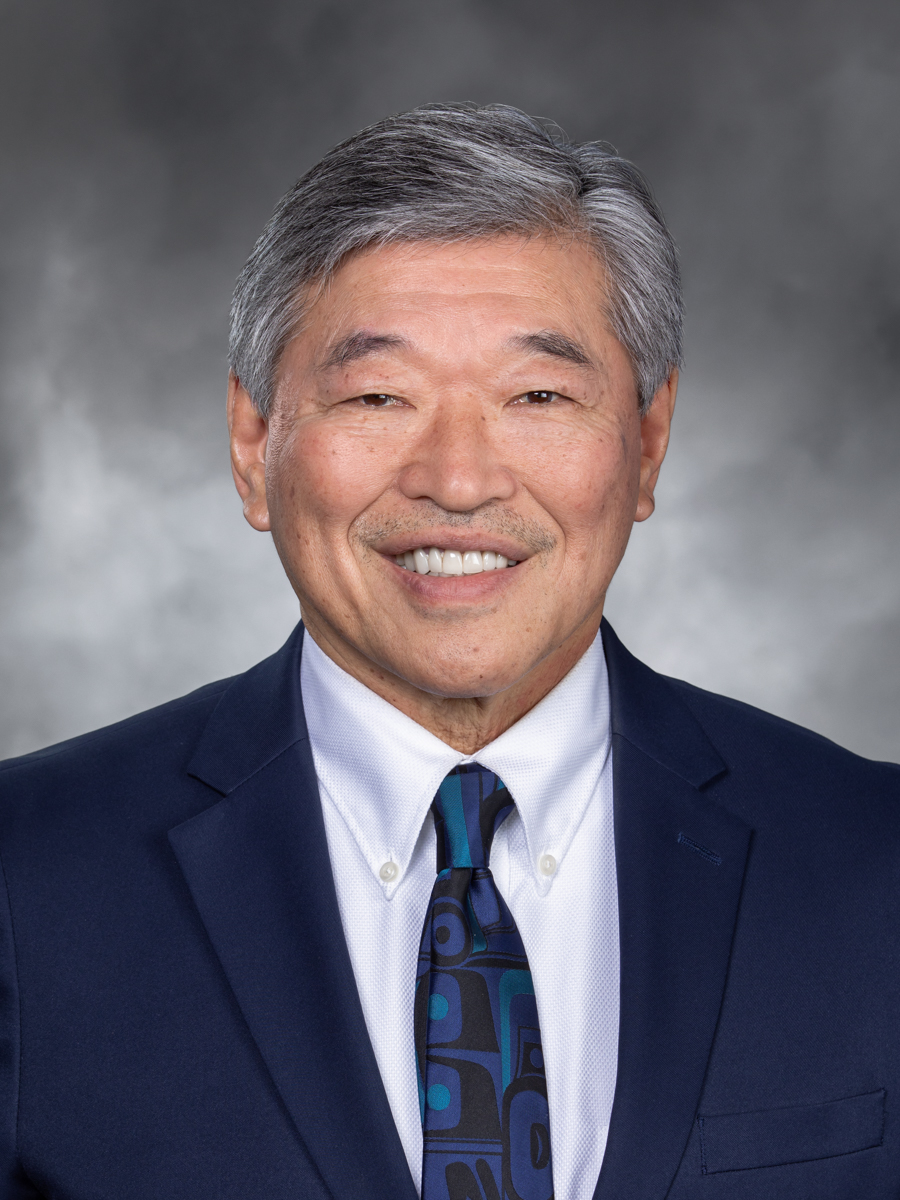
Bob Hasegawa
Bob Hasegawa Senate · District 11
D
Strong +
100% 12
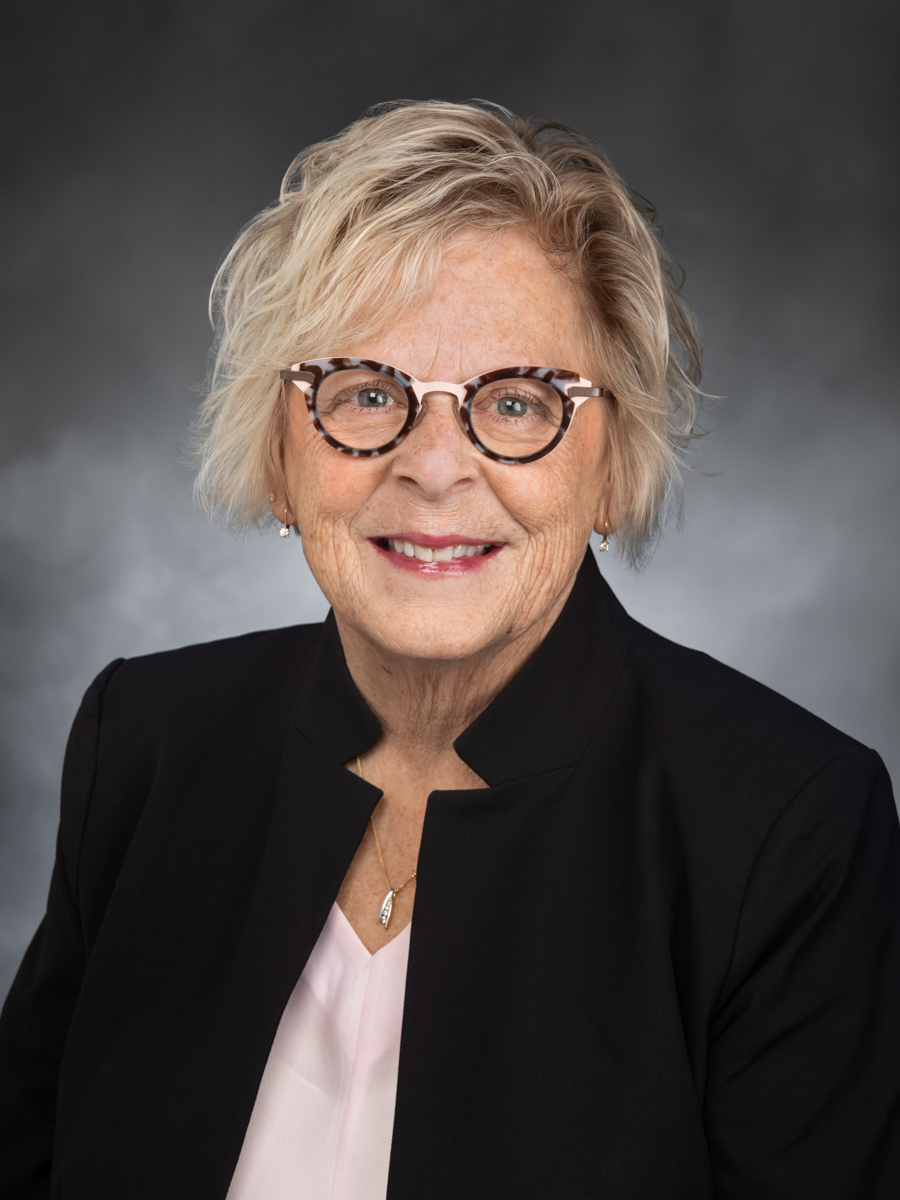
Claire Wilson
Claire Wilson Senate · District 30
D
Strong +
100% 12
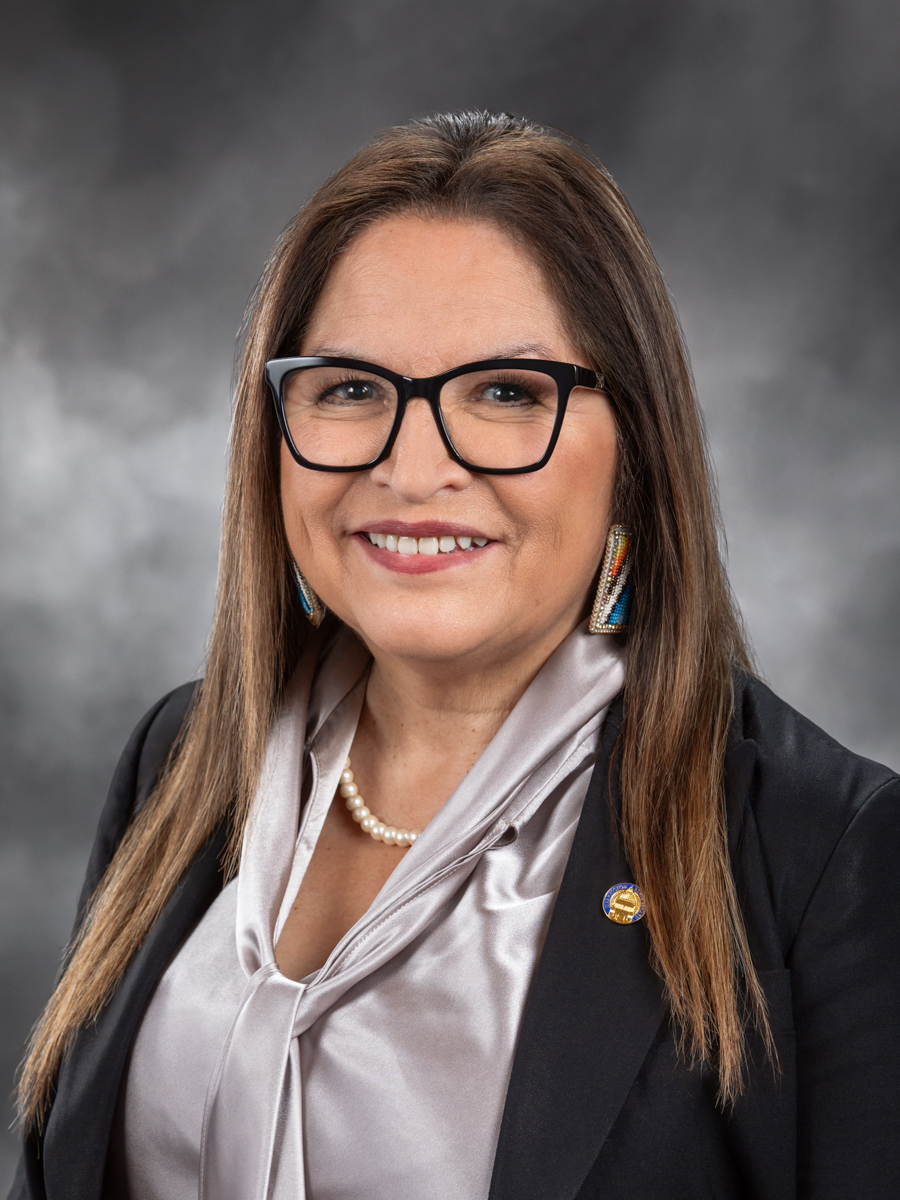
Claudia Kauffman
Claudia Kauffman Senate · District 47
D
Strong +
100% 12
Derek Stanford
Derek Stanford Senate · District 1
D
Strong +
100% 12
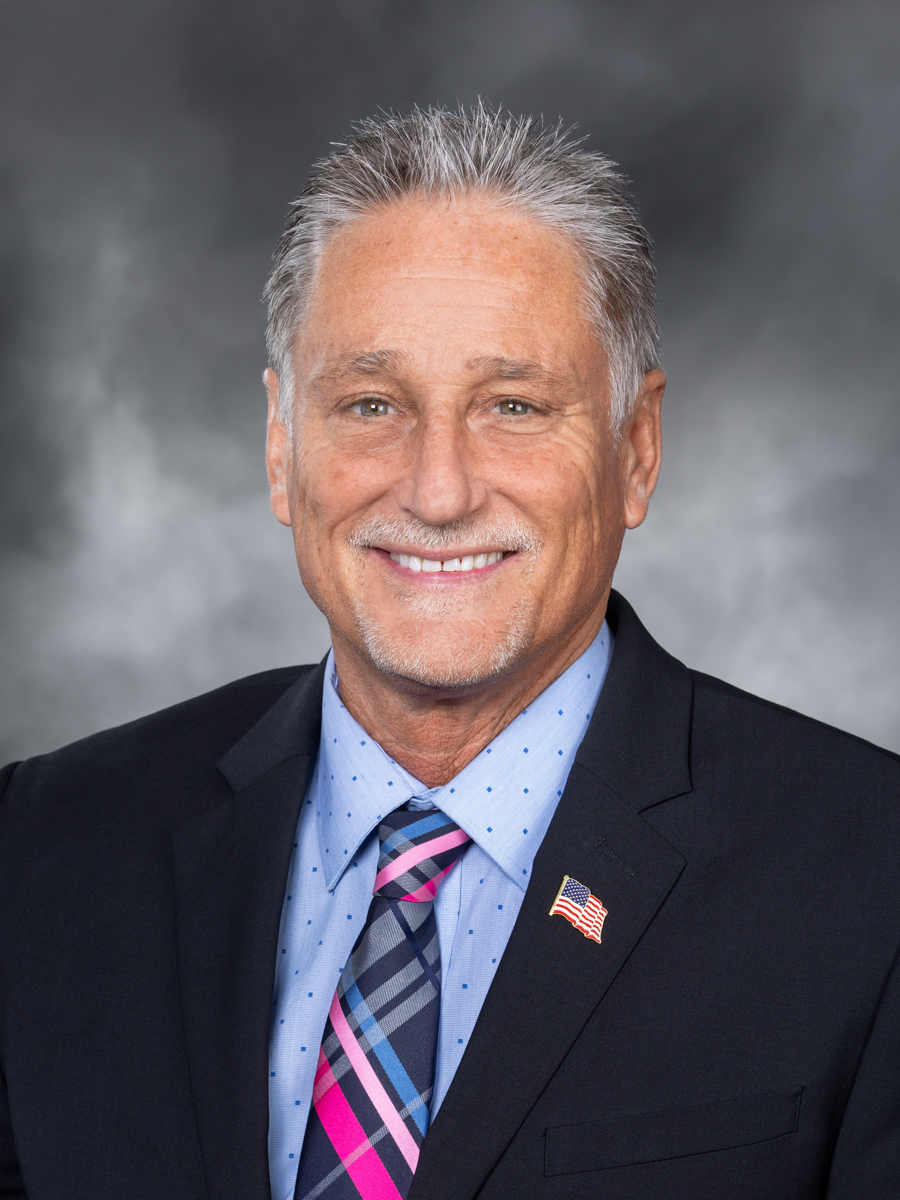
Jeff Wilson
Jeff Wilson Senate · District 19
R
Strong −
0% 12
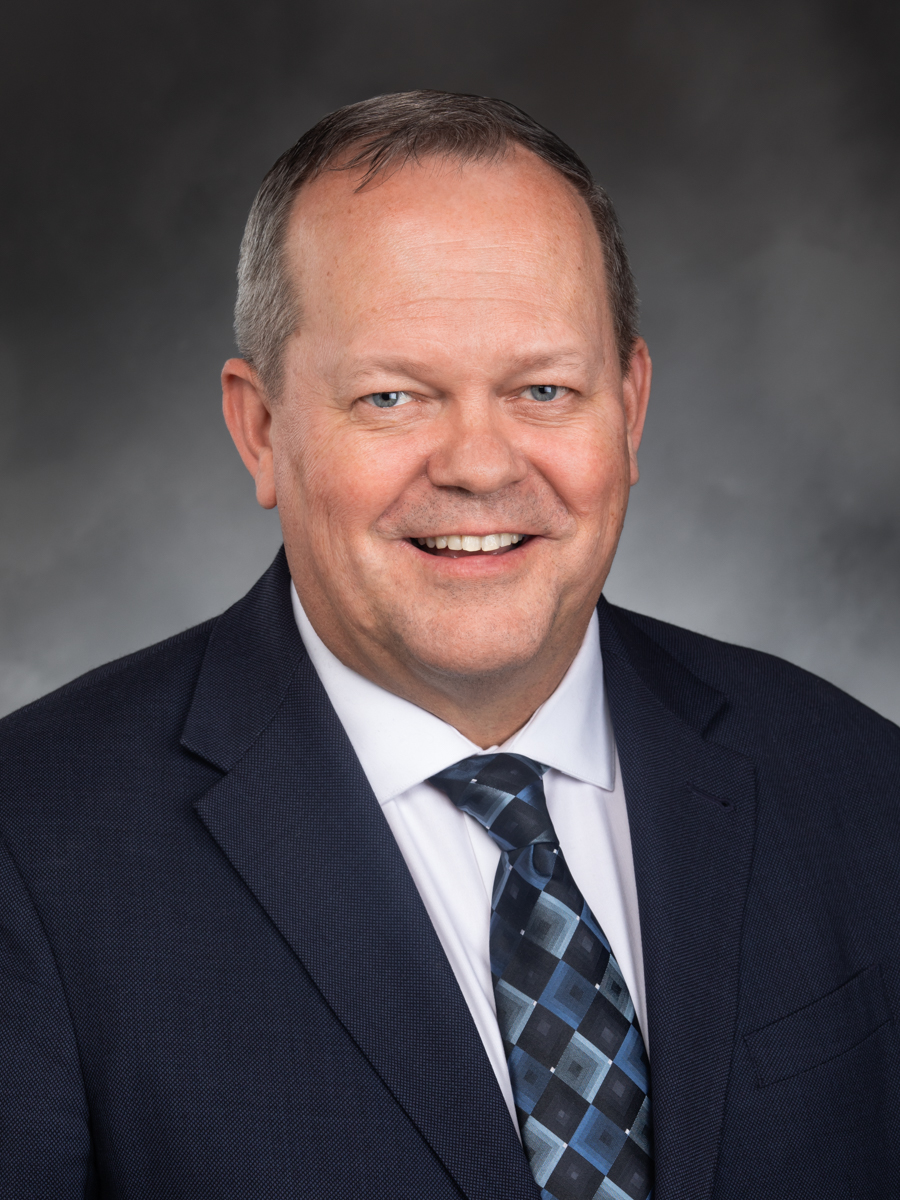
Jim McCune
Jim McCune Senate · District 2
R
Strong −
0% 12
Matt Boehnke
Matt Boehnke Senate · District 8
R
Strong −
0% 12
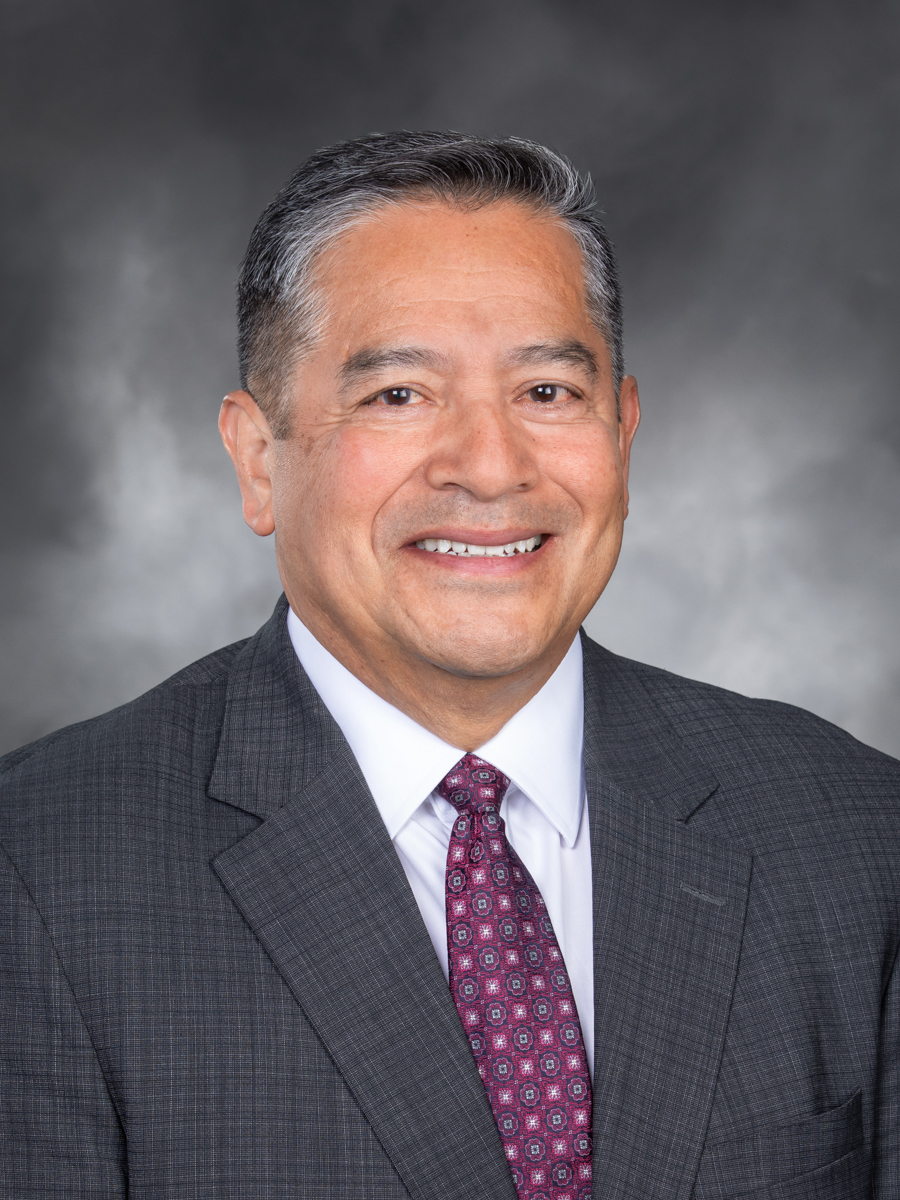
Alex Ybarra
Alex Ybarra House · District 13
R
Strong −
0% 11
Andrew Barkis
Andrew Barkis House · District 2
R
Strong −
0% 11
Showing 1–10 of 20 bills

All criminal justice bills

in committee · Washington · House Feb 5, 2026

HB 2729: Concerning retail theft accountability.

HB 2729, the Retail Theft Accountability Act, mandates a minimum 30-day jail sentence (up to 364 days) and up to $5,000 in fines for repeat offenders convicted of specific property crimes like third-degree theft or possessing stolen goods within two years. It directly affects repeat offenders (18+ with two prior convictions) and aims to protect retail businesses - especially essential stores like grocery and pharmacy outlets - that face closures due to theft. The bill allows courts to offer court-supervised diversion programs (e.g., treatment, job support) instead of jail if participants complete them successfully; failure to complete results in the mandatory sentence. This law takes effect July 1, 2026, to address community safety concerns tied to unsustainable theft losses.
Sub-Topics Corrections Courts
in committee · Washington · Senate Jan 26, 2026

SB 6307: Concerning correctional facility liability for inmate injuries resulting from voluntary controlled substance use, when lawful intake and medical care requirements are met.

This bill limits state and local government liability for injuries to inmates caused by their voluntary use of controlled substances under specific conditions. It protects correctional facilities (jails, prisons, or similar facilities owned/operated by the state or local government) if they lawfully screened inmates for drugs upon admission, removed any found substances, and the injury resulted from the inmate’s own drug use. Exceptions apply if facility staff provided the drugs or failed to provide medical care when they knew an inmate needed it. The law applies to cases occurring after its effective date and does not affect liability for injuries caused by facility-provided substances.
in committee · Washington · House Jan 26, 2026

HB 2654: Concerning residential restrictions for conditional release to a less restrictive alternative.

HB 2654 sets new conditions for courts approving conditional release (to less restrictive settings like community supervision) for individuals previously committed to secure facilities. It requires courts to mandate electronic monitoring with real-time tracking and a minimum half-mile residential distance from schools, child care, and recreational facilities. The bill also establishes "fair share principles" to prevent disproportionate concentration of released individuals in specific counties, requiring the Department of Corrections to document placement decisions and justify releases outside a person's county of commitment. These changes apply to individuals under conditional release under Washington’s mental health and sex offender commitment laws.
in committee · Washington · Senate Jan 29, 2026

SB 6334: Prohibiting a less restrictive alternative placement from abutting a residence with a minor in the household.

SB 6334 requires courts to prohibit individuals on conditional release (such as those under court-ordered treatment or supervision) from living adjacent to a home where a minor resides. It mandates a minimum 500-foot buffer zone from schools and child care facilities, and requires electronic monitoring with real-time tracking and alerts for exclusion zones. The bill also directs courts to consider "fair share principles" to ensure equitable distribution of such placements across counties and instructs the Department of Corrections to investigate and recommend placement conditions. This applies to individuals subject to conditional release under Washington state law for committed cases, such as those involving mental health or sex offender commitments.
Sub-Topics Corrections Courts
signed · Washington · House Mar 24, 2026

HB 2532: Concerning the sale and distribution of nitrous oxide.

HB 2532 makes it a gross misdemeanor to sell, distribute, or give away nitrous oxide in containers like canisters or tanks (including flavored versions), except for specific exempt uses. The law specifically targets recreational nitrous oxide sales by criminalizing these transactions, with penalties including up to 364 days in jail. Key exemptions include licensed medical, dental, or veterinary use; nitrous oxide used as a food propellant; and industrial or automotive applications. The bill does not ban nitrous oxide itself but regulates its sale in consumer containers for non-exempt purposes.
Sub-Topics Corrections
in committee · Washington · Senate Feb 4, 2026

SB 6339: Requiring a less restrictive alternative placement to be owned and operated by the same individuals.

SB 6339 requires courts to confirm that any "less restrictive alternative" placement (like community-based treatment) for individuals released from secure facilities must be owned and operated by the same entity providing the services. It mandates specific conditions for such releases, including electronic monitoring with real-time tracking, 500-foot residence restrictions near schools/child care, and court verification that the placement provider owns the residence. The bill also requires adherence to "fair share principles" to prevent disproportionate placement of individuals in specific counties, with the department documenting placement decisions and notifying counties of out-of-county releases. This directly affects courts, the Department of Corrections, and service providers arranging community-based supervision under Washington’s conditional release law (RCW 71.09.096).
Sub-Topics Corrections Courts
in committee · Washington · House Jan 12, 2026

HB 2393: Concerning correctional facility liability for inmate injuries resulting from voluntary controlled substance use, when lawful intake and medical care requirements are met.

This bill limits state and local government liability for injuries to inmates caused by their voluntary use of controlled substances under specific conditions. It applies when inmates were lawfully searched upon admission (with any substances seized), and the facility met medical care requirements. However, liability still applies if the facility or government provided the substance or failed to provide medical care when they knew an inmate needed it. The law affects correctional facilities (jails, prisons) and the government entities that operate them, changing how liability is determined in such cases.
in committee · Washington · House Jan 29, 2026

HB 2209: Concerning sentencing enhancements for theft offenses, robbery, possessing stolen property, and trafficking stolen property.

HB 2209 amends Washington State's sentencing guidelines to add mandatory additional prison time for certain theft, robbery, and stolen property offenses when a firearm or deadly weapon is used. It requires judges to add 5 years for class A felonies, 3 years for class B felonies, or 18 months for class C felonies involving firearms, with similar but shorter additions for deadly weapons (not firearms). These enhancements must be served consecutively to other sentences and are mandatory, with limited exceptions for specific weapon-related crimes. The bill is currently in committee review and has not yet been enacted into law.
signed · Washington · Senate Mar 23, 2026

SB 5272: Improving school safety by extending penalties for interference by, or intimidation by threat of, force or violence at schools and extracurricular activities and requiring schools to notify the public of such penalties.

SB 5272 strengthens school safety by increasing penalties for threatening or using force/violence against school staff, students, or athletic officials (like referees) during school activities. It requires schools to post clear signage at entrances and athletic venues explaining these penalties, including fines up to $1,000 or up to 364 days in jail for adults, plus 12-18 months exclusion from school or events. For students, it mandates immediate removal during incidents and up to a 12-month exclusion from athletic activities. The bill directly affects all public/private school staff, students, and volunteers in athletic settings by making intimidation or violence a serious misdemeanor with specific, enforced consequences.
in committee · Washington · House Jan 12, 2026

HB 1799: Concerning persons convicted of violent offenses with a firearm.

HB 1799 prohibits individuals convicted of violent offenses involving a firearm from earning early release credits toward their prison sentences. Specifically, it amends Washington state law to deny all "good time credits" or "earned release time" for sentences resulting from violent crimes where a firearm was used as a deadly weapon. This directly affects people sentenced for violent felonies with firearm enhancements under existing law (RCW 9.94A.533), preventing them from reducing their sentences through behavior-based credits. The bill does not change sentencing lengths but restricts a key mechanism for early release for this specific group of offenders.
Showing 1 to 10 of 20 bills
1 2 Next