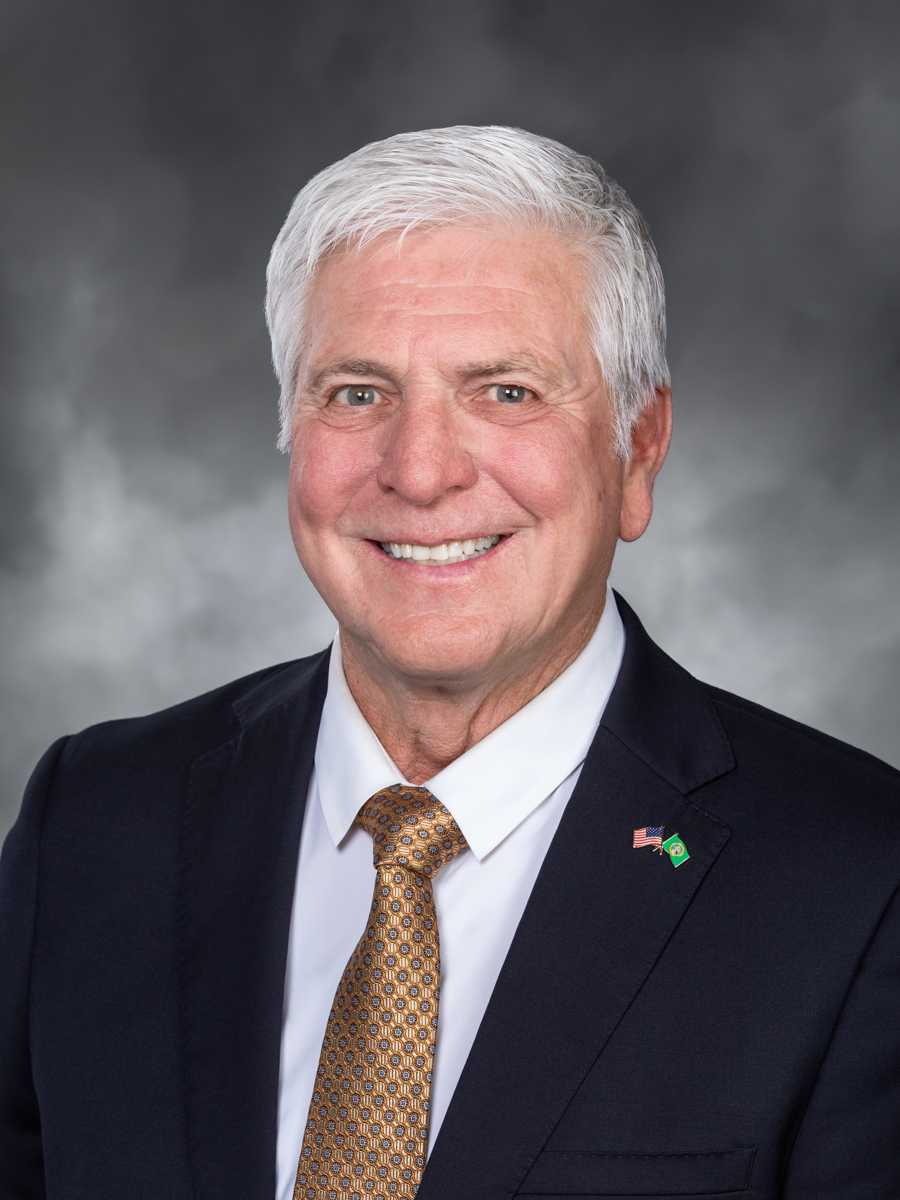
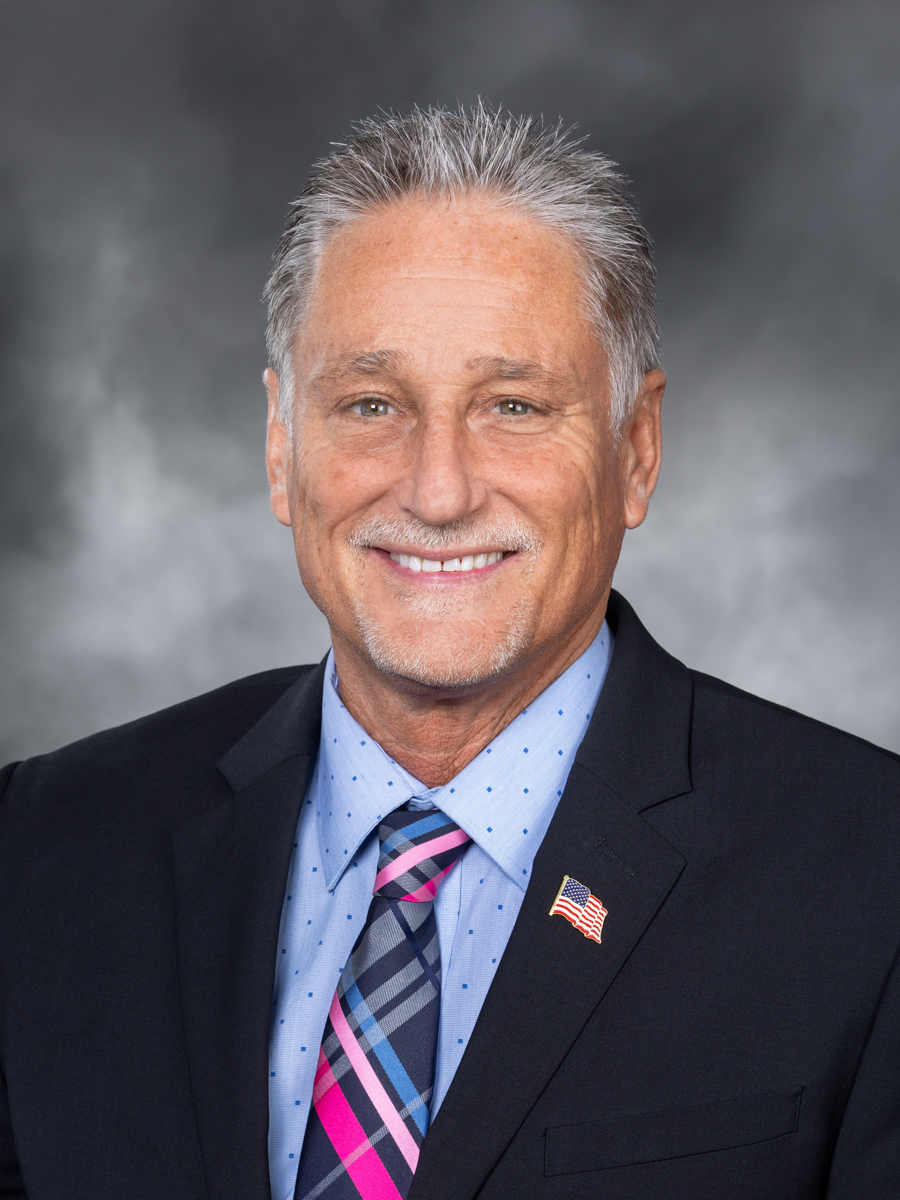
SB 5998 adjusts funding for Washington State's 2025-2027 fiscal biennium by increasing appropriations for the House of Representatives ($200,000 for FY2026), Senate ($20,000 for FY2026), and the Joint Legislative Audit and Review Committee. It allocates $400,000 for the committee to audit juvenile rehabilitation programs (including staffing, youth services, and safety protocols) and another $400,000 to review ignition interlock device compliance. The bill also sets aside $150,000 for auditing forest health planning. As a procedural appropriations bill, it modifies existing funding levels without creating new policies or regulations.
SB 5974 updates eligibility requirements and responsibilities for sheriffs, police chiefs, and town marshals in Washington State, requiring a minimum age of 25, high school diplomas, updated background checks, and prohibitions on certain misconduct. It clarifies that all law enforcement leaders must uphold both U.S. and Washington state constitutions, and specifies that revoked certifications must trigger removal from office. The bill also restricts volunteers and youth cadets to non-enforcement roles (like administrative support or community outreach), mandates clear policies for their supervision, and prohibits them from using force or wearing officer-like uniforms. Finally, it repeals outdated 1894 provisions regarding "police matrons" and modernizes accountability standards for all local law enforcement leadership.
Senate Bill 5105 expands Washington's existing laws concerning fabricated depictions of minors engaged in sexually explicit conduct. The bill amends current definitions to remove the requirement that the depicted minor be "identifiable" for an image to be considered a "fabricated depiction." It explicitly includes images created or altered using artificial intelligence or other digital tools within the scope of prohibited "digitization." This legislation aims to broaden the ability to prosecute crimes involving such material, affecting individuals who create, possess, or disseminate these depictions.
HB 2532 makes it a gross misdemeanor to sell, distribute, or give away nitrous oxide in containers like canisters or tanks (including flavored versions), except for specific exempt uses. The law specifically targets recreational nitrous oxide sales by criminalizing these transactions, with penalties including up to 364 days in jail. Key exemptions include licensed medical, dental, or veterinary use; nitrous oxide used as a food propellant; and industrial or automotive applications. The bill does not ban nitrous oxide itself but regulates its sale in consumer containers for non-exempt purposes.
HB 2508 clarifies the authority of Washington's Office of Independent Investigations (OII) to align with current practices and adds public disclosure requirements while protecting privacy. It updates definitions (like "involved agency" and "independent investigation team") and specifies that the OII investigates police use of deadly force incidents, deaths during force, and prior investigations with new evidence. The bill requires the OII to prioritize cases based on resources, include pre-incident review in investigations, and provide public reports while safeguarding sensitive information. It directly affects law enforcement agencies, the OII, and individuals involved in police incidents. The changes aim to standardize the OII's operations without creating new investigative mandates.
SB 5272 strengthens school safety by increasing penalties for threatening or using force/violence against school staff, students, or athletic officials (like referees) during school activities. It requires schools to post clear signage at entrances and athletic venues explaining these penalties, including fines up to $1,000 or up to 364 days in jail for adults, plus 12-18 months exclusion from school or events. For students, it mandates immediate removal during incidents and up to a 12-month exclusion from athletic activities. The bill directly affects all public/private school staff, students, and volunteers in athletic settings by making intimidation or violence a serious misdemeanor with specific, enforced consequences.
SB 6084 clarifies that intentionally voting more than once in the same election - whether in Washington state or across state lines on the same election date - is a felony offense. It directly affects voters who attempt to cast ballots in multiple jurisdictions on the same day, regardless of ballot content or office. The bill defines "same election" strictly by date, not by ballot issues, and specifies that voters may still cast ballots in both a general election and a special election held on the same day. This amendment corrects a court interpretation to prevent confusion ahead of the 2026 elections.
HB 2203 creates a new offense for drivers who operate vehicles on public roadways closed due to emergencies (e.g., barricades, emergency vehicles), with two penalty levels: a serious misdemeanor for general violations, or a felony if the act causes injury to first responders or involves minors/vulnerable adults. Convicted individuals face license suspension (60-90 days) and must reimburse public agencies for emergency response costs, capped at $25,000 per incident. The bill directly affects drivers who ignore emergency closures, particularly those with minors in the vehicle or who endanger first responders. It establishes clear penalties and financial accountability for reckless interference during emergency operations.
SB 5323 increases the penalties for stealing or possessing stolen property that belongs to firefighters and emergency medical service (EMS) providers. It expands the definitions of first-degree theft and first-degree possession of stolen property to include essential equipment taken from fire stations, EMS buildings, or their vehicles. These actions become a Class B felony if the equipment is critical to emergency work and its loss significantly delayed a response, or if the equipment is valued over $1,000. This bill aims to protect the vital tools first responders use by applying stricter penalties to those who steal or possess their equipment under these specific circumstances.
Substitute Senate Bill 5714 defines new types of unprofessional conduct for licensed bail bond agents and bail bond recovery agents in Washington state. The bill prohibits these agents from using their position to enforce civil immigration warrants. Additionally, it makes it unprofessional conduct for agents to share a defendant's immigration status outside of their bail bond agency's business. These provisions aim to regulate the specific activities and information handling practices of bail bond professionals.