Issue · Budget & Taxes

Budget & Taxes (Sales Tax)

Every budget & taxes bill, vote, and legislator stance in Washington, automatically classified by Maddy, our AI policy reader.

Total bills
146
2025-2026 Regular Session
Top supporter
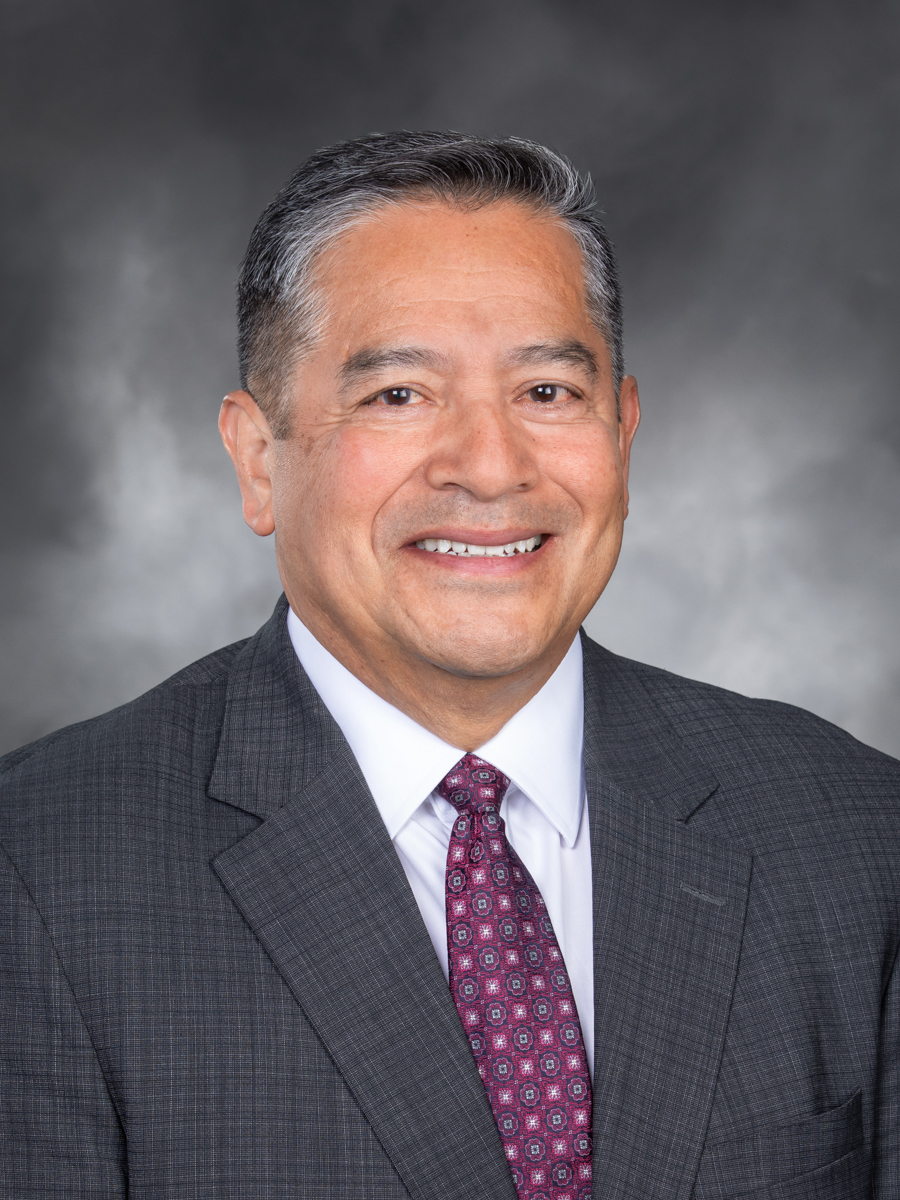
Andrew Engell
87% support rate
Top opponent
Zach Hall
11% support rate
Ranked legislators
10
5 support · 5 oppose
Key legislators

Who's moving sales tax in Washington

Legislators moving sales tax in Washington
Legislator Party Stance Support rate Votes
Andrew Engell
Andrew Engell House · District 7
R
Strong +
87% 79
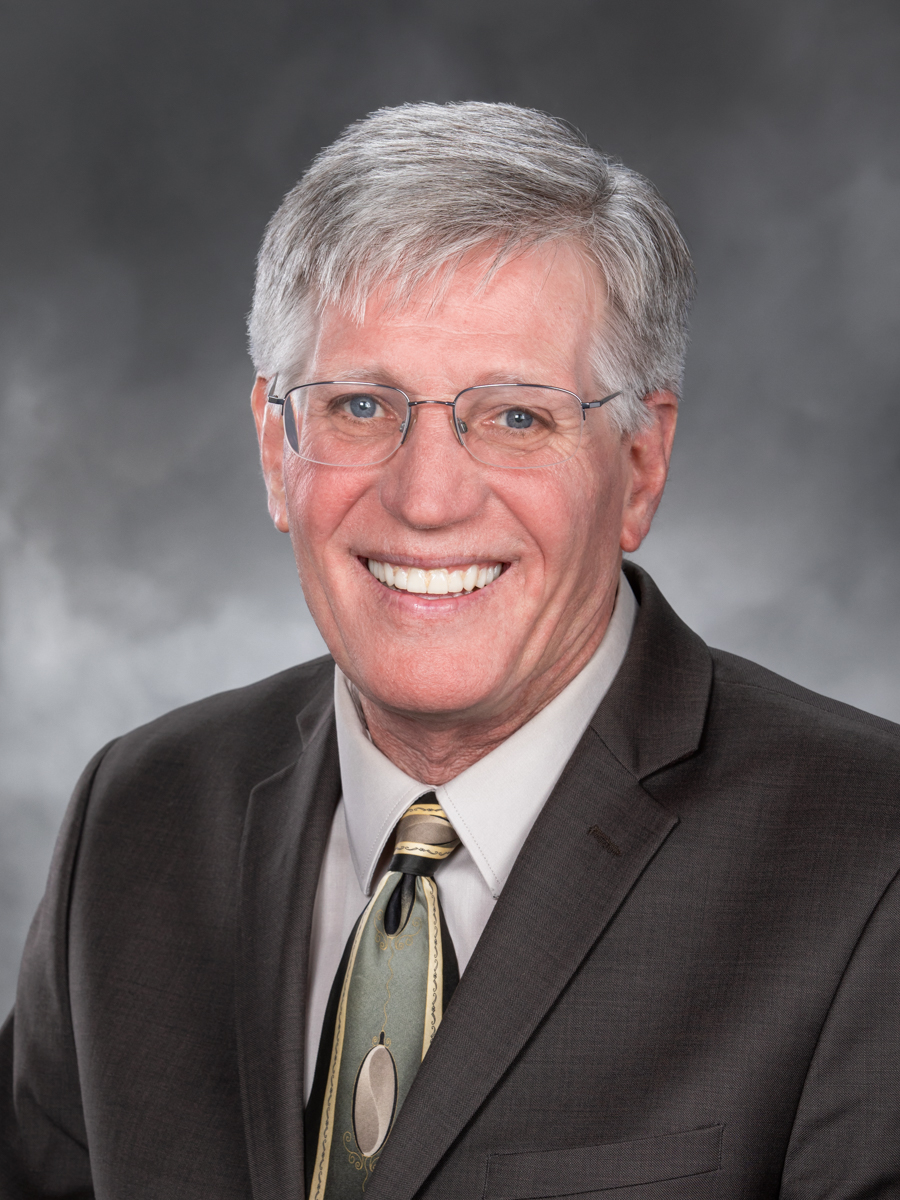
Dave Stuebe
Dave Stuebe House · District 17
R
Strong +
87% 79
Gloria Mendoza
Gloria Mendoza House · District 14
R
Strong +
87% 78
Mike Volz
Mike Volz House · District 6
R
Strong +
87% 52
Alex Ybarra
Alex Ybarra House · District 13
R
Strong +
86% 79
Zach Hall
Zach Hall House · District 5
D
Strong −
11% 74
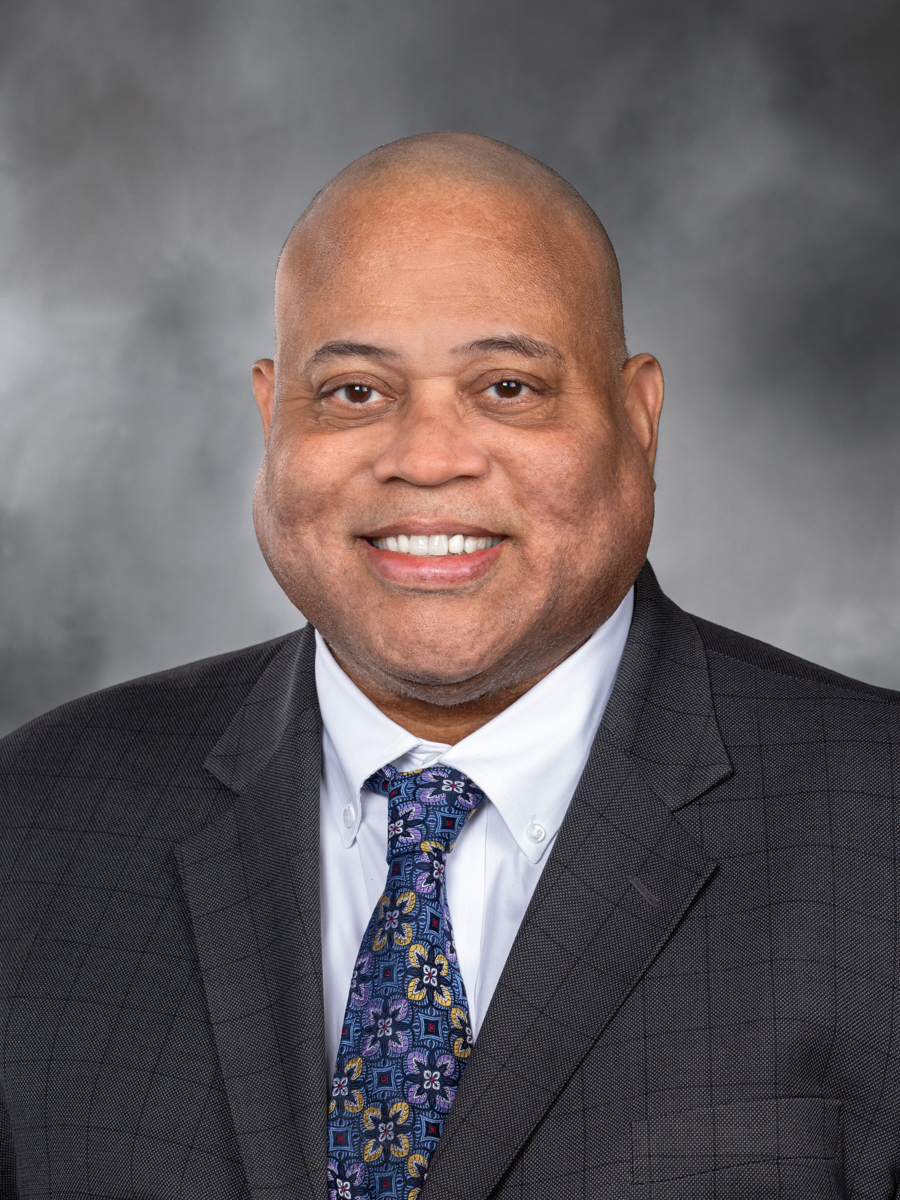
David Hackney
David Hackney House · District 11
D
Strong −
14% 74
Mary Fosse
Mary Fosse House · District 38
D
Strong −
14% 78
Natasha Hill
Natasha Hill House · District 3
D
Strong −
14% 78
Timm Ormsby
Timm Ormsby House · District 3
D
Strong −
14% 77
Showing 71–80 of 146 bills

All budget & taxes bills

in committee · Washington · Senate Jan 12, 2026

SB 5341: Exempting permanently from the sales and use tax purchases of products for young children.

SB 5341 permanently exempts from Washington state sales and use tax products specifically designed for infants and children under age five. This includes items like diapers, baby bottles, car seats, strollers, and toys labeled for young children, as defined in the bill. The law removes tax applicability for these products under Washington’s tax code, directly affecting parents and caregivers who purchase them. The exemption applies to all qualifying products regardless of where they are bought within the state.
Sub-Topics Sales Tax
in committee · Washington · House Jan 12, 2026

HB 2075: Increasing the cannabis excise tax on high THC cannabis products.

HB 2075 increases the state's cannabis excise tax on high-THC products to 50% of the selling price, up from 37% for lower-THC items. It directly affects retailers selling cannabis concentrates or useable cannabis with over 35% THC to general consumers (not medical patients, who remain exempt until 2029). The key mechanism sets tiered tax rates based on THC concentration, requires the tax to be itemized separately on receipts, and directs all revenue to a dedicated cannabis account. The bill also mandates the board to review tax levels and report on sales impacts, though it does not change medical cannabis exemptions.
in committee · Washington · Senate Jan 12, 2026

SB 5796: Enacting an excise tax on large employers on the amount of payroll expenses above the social security wage threshold to fund programs and services to benefit Washingtonians.

SB 5796 imposes a 5% excise tax on large Washington employers for payroll expenses exceeding the Social Security wage threshold (currently $168,600 per employee annually). It directly affects employers with over $7 million in annual payroll - estimated to be 17% of businesses - while exempting smaller businesses. The tax revenue funds public schools, health care, and social services by depositing funds into the state general fund. Employers must pay the tax directly (not deducted from employee wages), with the tax applying only to wages above the Social Security limit.
in committee · Washington · Senate Jan 12, 2026

SB 5026: Dedicating the state sales tax on motor vehicles for transportation.

SB 5026 redirects a growing portion of Washington’s vehicle sales tax revenue to transportation funding. Starting in 2026, 16.66% of tax revenue from all new and used vehicle sales (including private-party sales) will fund transportation, increasing by 16.66% each year until 2031, when 100% will be dedicated to this purpose. The bill excludes certain vehicles like farm tractors, off-road vehicles, snowmobiles, and bicycles from this tax allocation. This policy change affects all vehicle buyers and sellers in Washington, with the tax revenue directly supporting transportation infrastructure projects.
signed · Washington · House May 15, 2025

HB 1258: Providing funding for municipalities participating in the regional 911 emergency communications system.

HB 1258 establishes a system for certain counties to share 911 emergency communication tax revenues with local governments. It requires counties east of the Cascade mountains with populations between 530,000 and 1,500,000 that operate regional 911 systems to transfer a portion of their collected 911 excise tax revenues. These transfers go to local governments that operate municipal public safety answering points or receive 911 calls transferred for dispatch. Quarterly transfers, calculated using a specified percentage, are scheduled to begin in calendar year 2026.
Sub-Topics Sales Tax Tags Public Safety
signed · Washington · Senate May 20, 2025

SB 5814: Modernizing the excise taxes on select services and nicotine products and requiring certain large businesses to make a one-time prepayment of state sales tax collection.

Senate Bill 5814 modernizes Washington's tax code by extending the state retail sales tax to select services, such as certain computer-related and digital automated services. It also expands the application of excise taxes on tobacco products to include new and emerging nicotine products. Additionally, the bill requires certain large businesses to make a one-time prepayment of state sales tax collections. These changes affect businesses providing the newly taxed services and nicotine products, as well as the consumers of these items. The revenue generated is intended to support public schools, health care, and social services across the state.
Sub-Topics Sales Tax
in committee · Washington · Senate Jan 12, 2026

SB 5385: Amending the definition of timberland for purposes of determining the real property excise tax for a governmental entity.

SB 5385 clarifies Washington's definition of "timberland" for real estate excise tax purposes. It specifies that timberland includes land classified under forestry laws (chapter 84.34 RCW), designated forestland (chapter 84.33 RCW), or land transferred to a government entity managing it as forestland under specific rules. This ensures sales of qualifying timberland are taxed at 1.28% - instead of higher rates based on property value - directly affecting sellers, buyers, and government agencies dealing with forested land transactions. The bill does not change tax rates but updates eligibility for the 1.28% rate under RCW 82.45.060.
Sub-Topics Sales Tax
signed · Washington · Senate Apr 22, 2025

SB 5696: Concerning the sales and use tax supporting chemical dependency and mental health treatment programs.

Senate Bill 5696 amends the law concerning a local one-tenth of one percent sales and use tax designated for chemical dependency and mental health treatment programs. The bill clarifies that funds collected from this tax may be used for the new construction of facilities and modifications to existing facilities that support these treatment and therapeutic court programs. It also affirms that these programs and their associated facility needs are considered part of local government public safety initiatives. This provides counties and cities with clear guidance on using these tax revenues for infrastructure related to these services.
in committee · Washington · Senate Jan 12, 2026

SB 5687: Increasing the share of sales tax revenue dedicated to performance audits.

SB 5687 increases the portion of Washington's general sales tax revenue dedicated to performance audits from 0.16% to 0.2%. This change applies to taxes collected under RCW 82.08.020(1) on retail sales of tangible goods, digital products, and certain services. The additional funds must be deposited into the "performance audits of government account" established under RCW 43.09.475. The law takes effect January 1, 2026, and directly affects all businesses collecting retail sales tax in Washington.
signed · Washington · House Apr 1, 2026

HB 1960: Encouraging renewable energy in Washington through tax policy and investment in local communities.

HB 1960 aims to encourage renewable energy development in Washington by changing the tax structure for large-scale solar and wind energy facilities. The bill exempts personal property used for renewable energy generation and storage in qualified facilities from property taxation. In its place, it establishes a new annual excise tax on these facilities, with rates varying based on the energy type, operational date, and capacity of the generation and storage systems. This new tax directly affects operators of significant solar and wind energy projects and their associated storage systems across the state.
Showing 71 to 80 of 146 bills
Previous 1 7 8 9 15 Next