Issue · Budget & Taxes

Budget & Taxes

Every budget & taxes bill, vote, and legislator stance in Washington, automatically classified by Maddy, our AI policy reader.

Total bills
627
2025-2026 Regular Session
Top supporter
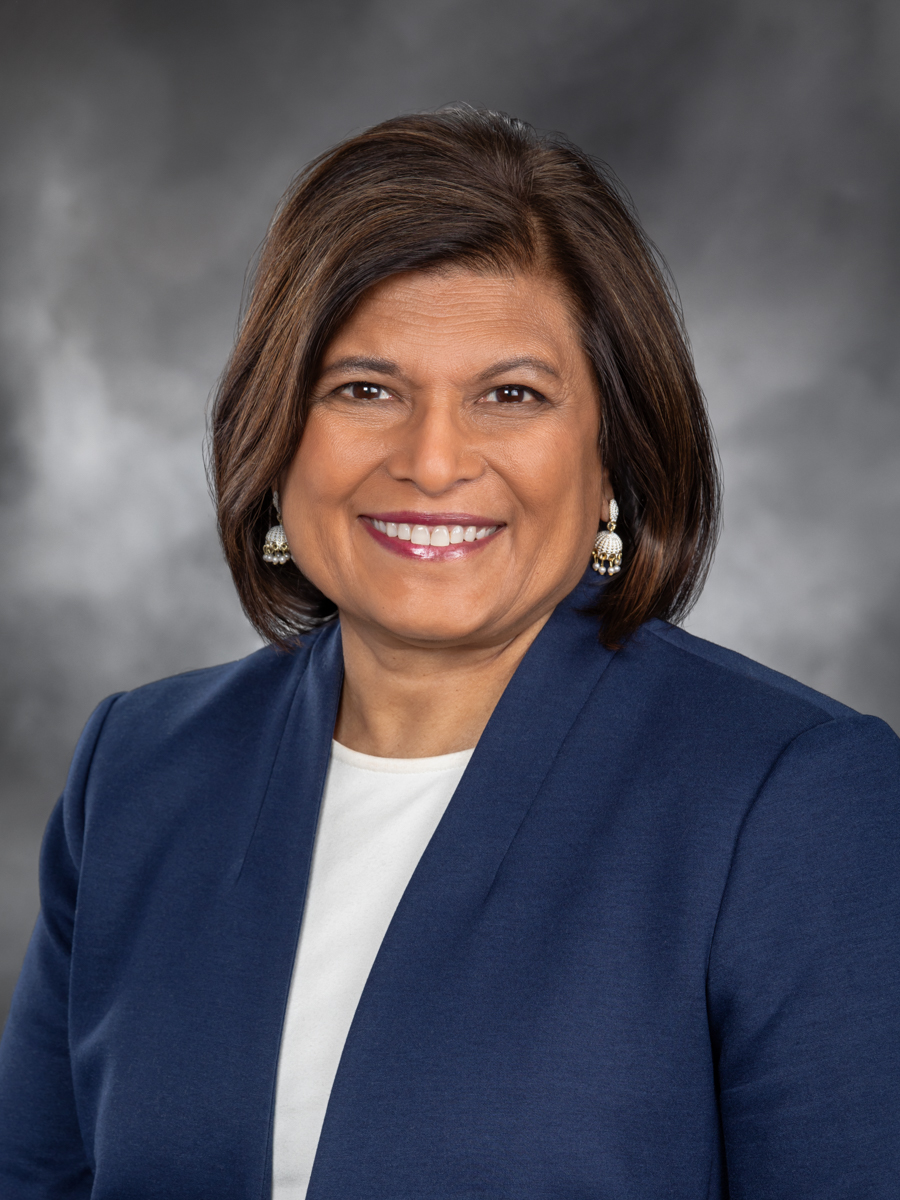
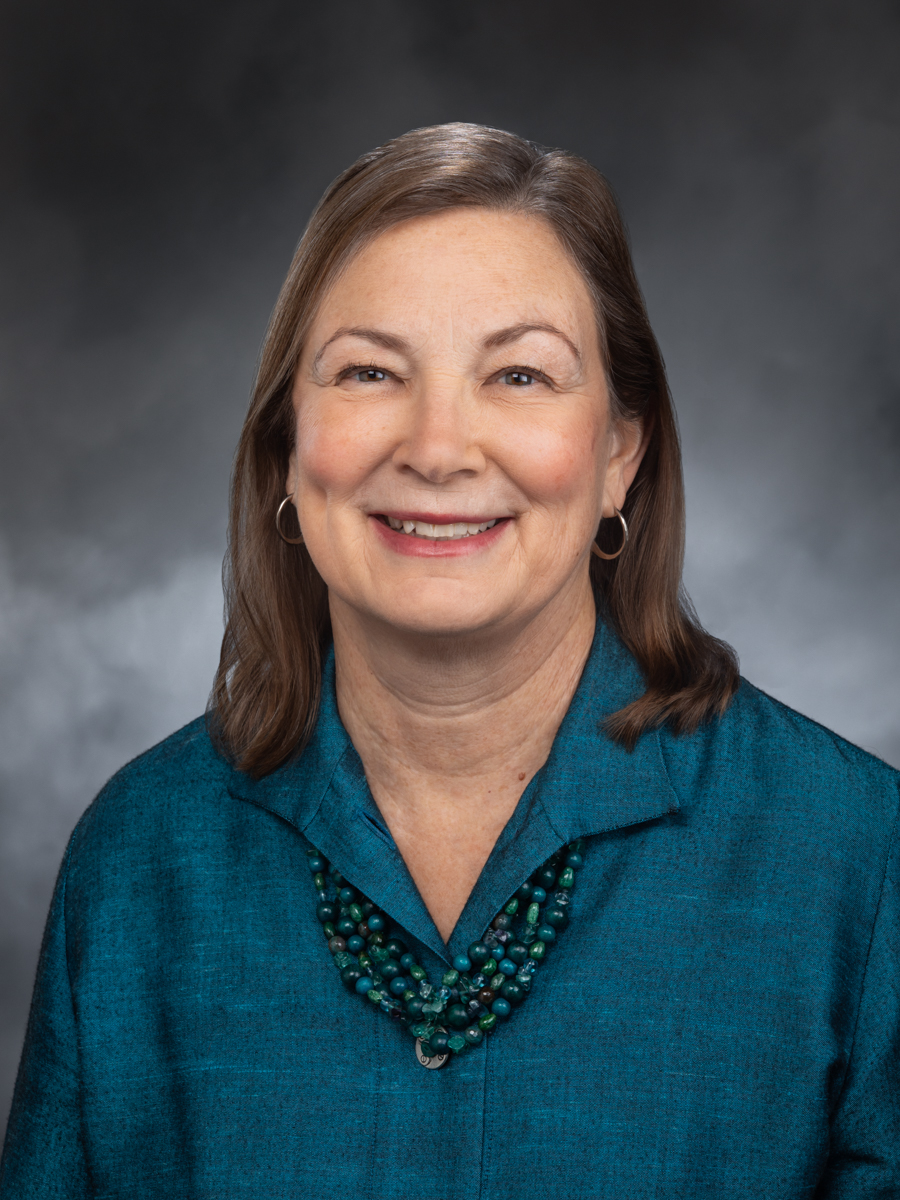
Vandana Slatter
80% support rate
Top opponent
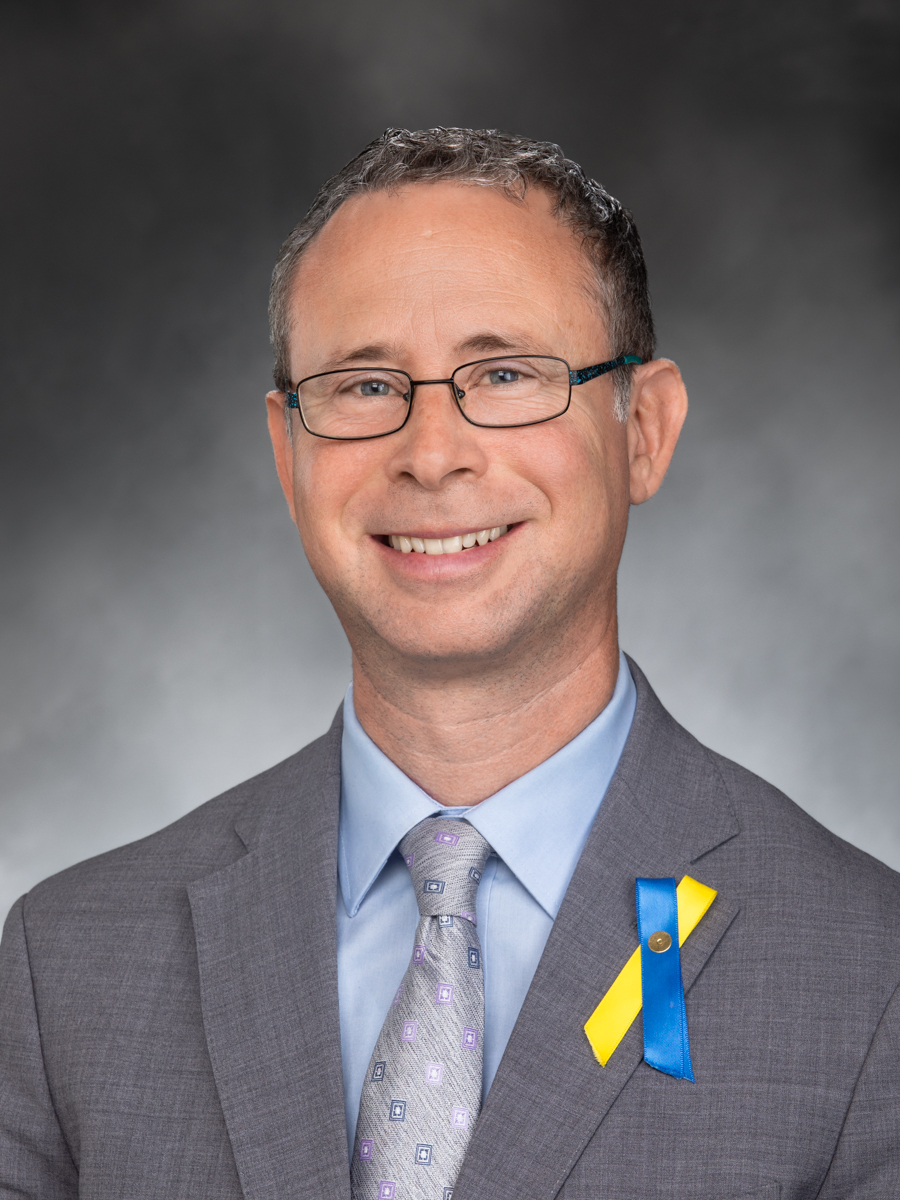
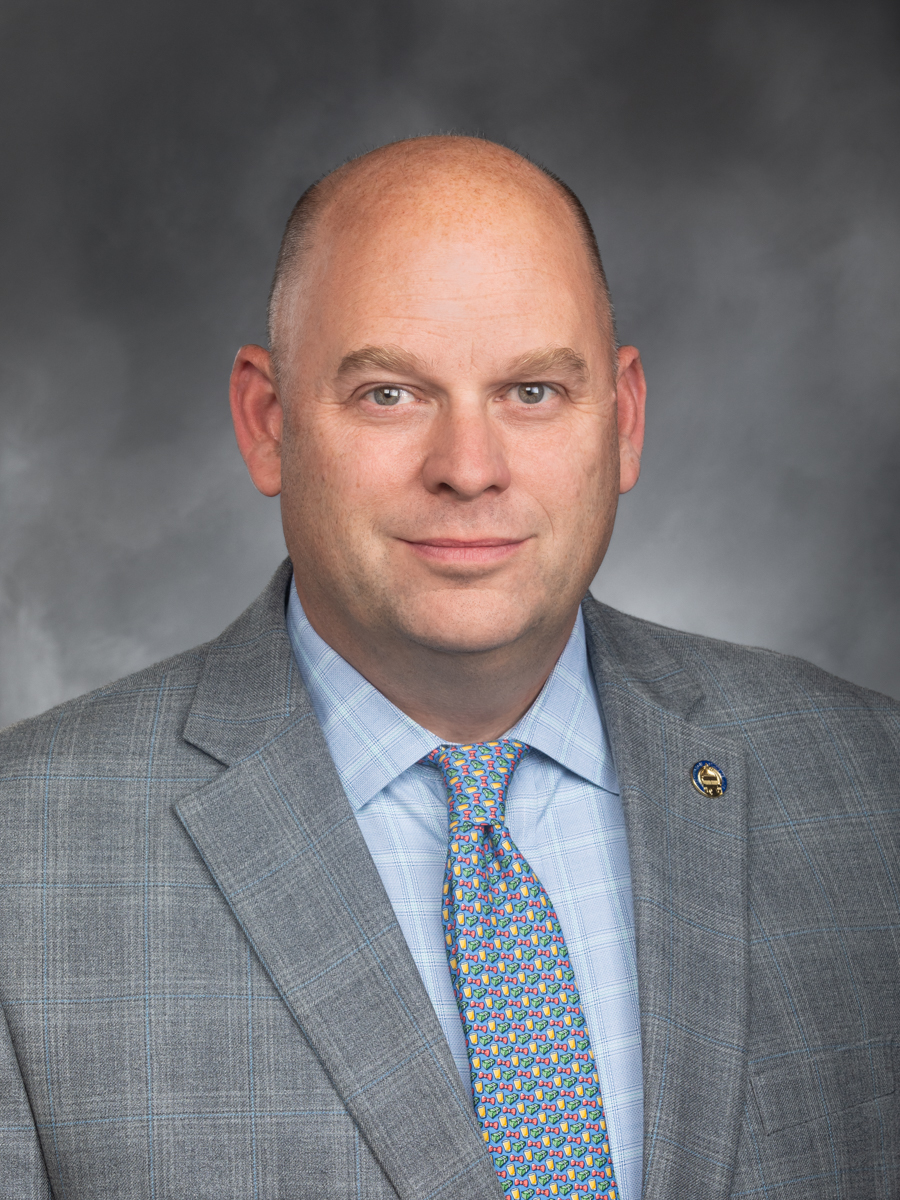
Zach Hall
25% support rate
Ranked legislators
10
5 support · 5 oppose
Key legislators

Who's moving budget & taxes in Washington

Legislators moving budget & taxes in Washington
Legislator Party Stance Support rate Votes
Vandana Slatter
Vandana Slatter Senate · District 48
D
Support
80% 151
Jesse Salomon
Jesse Salomon Senate · District 32
D
Support
78% 155
John Lovick
John Lovick Senate · District 44
D
Support
78% 155
Annette Cleveland
Annette Cleveland Senate · District 49
D
Support
78% 155
June Robinson
June Robinson Senate · District 38
D
Support
78% 154
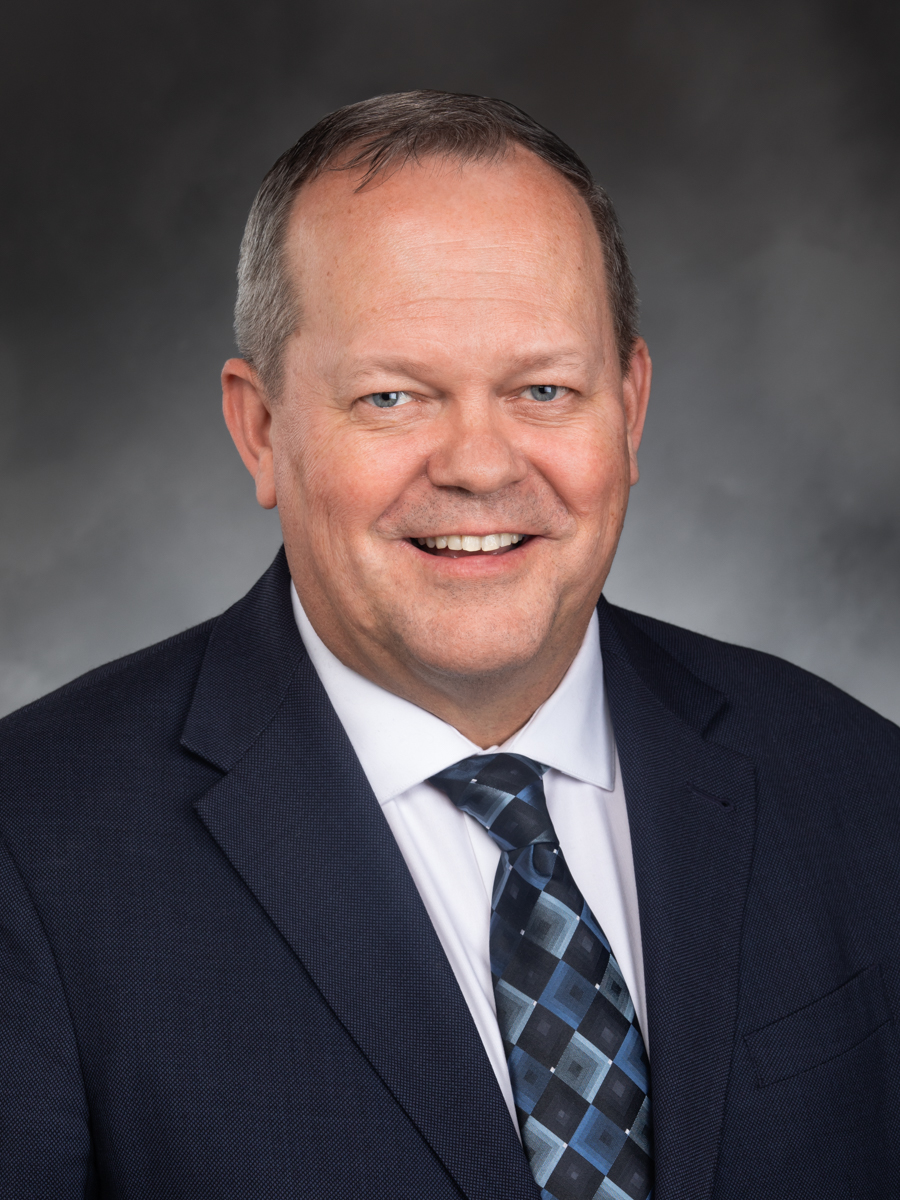
Zach Hall
Zach Hall House · District 5
D
Oppose
25% 152
Leonard Christian
Leonard Christian Senate · District 4
R
Oppose
28% 155
Jim McCune
Jim McCune Senate · District 2
R
Oppose
30% 152
Matt Boehnke
Matt Boehnke Senate · District 8
R
Oppose
31% 152
Drew MacEwen
Drew MacEwen Senate · District 35
R
Oppose
32% 154
Showing 61–70 of 627 bills

All budget & taxes bills

signed · Washington · House Mar 24, 2026

HB 2114: Concerning defective license plates issued by the department of licensing.

HB 2114 changes Washington's license plate replacement policy for defective plates. It eliminates all fees and taxes for replacements within 24 months of original issuance when plates become illegible due to manufacturing defects (e.g., peeling paint or unreadable numbers). For replacements requested between 24 months and five years after issuance, only the cost of the plate itself is charged - not full fees or taxes. This directly affects Washington drivers who receive faulty plates that deteriorate faster than expected, ensuring they aren't charged for the same fees paid at initial purchase.
in committee · Washington · House Jan 12, 2026

HB 2138: Improving student performance and success.

HB 2138 requires Washington public schools to implement evidence-based reading programs by the 2028-29 school year, focusing on foundational literacy skills for students in grades K-4. It mandates schools to hire reading coaches, adopt structured literacy approaches aligned with research (emphasizing phonics, fluency, and comprehension), and provide targeted support for students with dyslexia. The bill also creates READ grants of up to $75,000 annually per elementary school to fund literacy initiatives, requires the state to publish 10 years of school performance data online, and directs a review comparing Washington’s math standards to Singapore’s method (with a 2026 report deadline). These changes directly affect elementary schools, teachers, and students, particularly those struggling with early literacy and math proficiency.
signed · Washington · Senate Mar 30, 2026

SB 5862: Providing a cost-of-living adjustment for plan 1 retirees of the teachers' retirement system and public employees' retirement system.

SB 5862 would provide annual cost-of-living adjustments for retirees in Washington's Plan 1 teachers' and public employees' retirement systems. It specifies 1.5% or 3% increases to monthly benefits, with maximum monthly increases of $62.50 or $110 depending on the year. These adjustments apply to retirees receiving benefits as of July 1 in specific years (2017-2025), effective July 1, 2026. The bill does not affect retirees under other benefit categories.
Sub-Topics Pensions
in committee · Washington · Senate Jan 13, 2026

SB 6008: Incentivizing grid-connected residential battery energy storage systems.

SB 6008 establishes a state grant program to help low- and moderate-income households afford grid-connected home battery systems (minimum 5 kWh capacity). Electric utilities must apply to the Department of Commerce for grants to fund upfront payments for these systems, with at least 40% of funds reserved for low-income, moderate-income, or tribal households. The bill requires utilities to integrate these batteries into "flexible demand programs" that encourage shifting energy use to off-peak times or allow utilities to manage batteries collectively during grid events. This directly affects residential customers in qualifying income brackets and electric utilities operating under flexible demand programs.
passed · Washington · Senate Mar 12, 2026

SB 6262: Increasing the maximum weight of certain vehicles subject to transportation benefit district vehicle fees.

SB 6262 increases the maximum gross weight threshold for vehicles subject to transportation benefit district vehicle fees in Washington State from 6,000 to 9,000 pounds. This change directly affects transportation benefit districts and vehicles registered under specific license fee categories (e.g., commercial vehicles) that previously fell between 6,000-9,000 pounds. The bill amends RCW 82.80.140 to allow these districts to charge annual fees (up to $100) on qualifying vehicles meeting the new weight standard. Vehicles like farm tractors, campers, and mopeds remain exempt as specified in the bill.
Sub-Topics Fees & Licensing
in committee · Washington · House Jan 28, 2026

HB 2691: Adjusting the state apportionment schedule to schools to mitigate cash flow issues.

HB 2691 adjusts Washington state's monthly school funding schedule to improve cash flow for public school districts. It increases early-year payments (e.g., raising March from 9% to 10% of annual funds) and reduces later payments (e.g., lowering July from 12.5% to 10%), distributing more funds earlier in the school year. This change directly affects all public school districts receiving state apportionment funds under RCW 28A.510.250. The bill maintains the total annual funding amount but shifts timing to help schools manage expenses throughout the year, with the new schedule effective September 1, 2026.
in committee · Washington · Senate Jan 30, 2026

SB 6217: Expanding access to the Washington college grant to students enrolled in eligible postsecondary nondegree credential programs.

SB 6217 expands Washington's college grant program to cover students enrolled in eligible certificate or diploma programs that do not lead to a degree (nondegree credential programs). It affects Washington residents pursuing these shorter-term training programs starting in the 2027-28 academic year. The bill adds this category to existing eligibility requirements, including financial need and residency, while maintaining the same grant structure and academic progress rules as degree programs. This change aims to increase access to affordable workforce training for students seeking credentials like nursing assistants or IT certifications.
signed · Washington · House Mar 16, 2026

HB 2353: Concerning predesign thresholds.

HB 2353 raises Washington State's predesign threshold for major capital construction projects from $10 million to $15 million, with annual inflation adjustments starting July 1, 2027. It requires state agencies to conduct predesign reviews for projects exceeding this threshold, including value-engineering analysis and cost comparisons, to improve efficiency. The bill directly affects state agencies planning large facilities like schools or infrastructure, ensuring projects over $15 million (adjusted for inflation) undergo formal cost and design evaluations. The legislation also establishes reporting requirements for exceptions to these reviews, maintaining transparency in budgeting for public construction.
Sub-Topics State Budget
in committee · Washington · House Feb 25, 2026

HB 2671: Concerning state financial aid.

HB 2671 amends Washington state's financial aid program to update the calculation of the "Maximum Washington College Grant" for students at public and qualifying private colleges. It sets specific grant amounts for different institution types (public two- or four-year schools, private non-profits, for-profits, and apprenticeships), with most amounts increasing annually based on Washington's wage growth rate. For private institutions, starting in 2026-27, grants will equal 50% of the average award for public research institutions. This directly affects students demonstrating financial need enrolled at eligible Washington higher education institutions, including community colleges, universities, and approved apprenticeship programs. The bill defines key terms like "financial need" and "institution" to clarify eligibility and funding rules.
in committee · Washington · Senate Jan 22, 2026

SB 6273: Concerning accountability for waste tire removal funds.

SB 6273 requires Washington’s Department of Ecology to publicly list all known unauthorized tire piles on its website, including location, duration, tire count, environmental risks, and cleanup timelines. It mandates the department to report annual tire recycling rates, authorized storage sites, and state/local cleanup efforts funded by a $5-per-tire fee (increased from $1 in 2025). The law aims to increase transparency about waste tire cleanup priorities and fund allocation for communities with the most severe tire pile problems. This directly affects the public, legislators, and local governments seeking to address tire waste through accessible data.
Sub-Topics Recycling
Showing 61 to 70 of 627 bills
Previous 1 6 7 8 63 Next