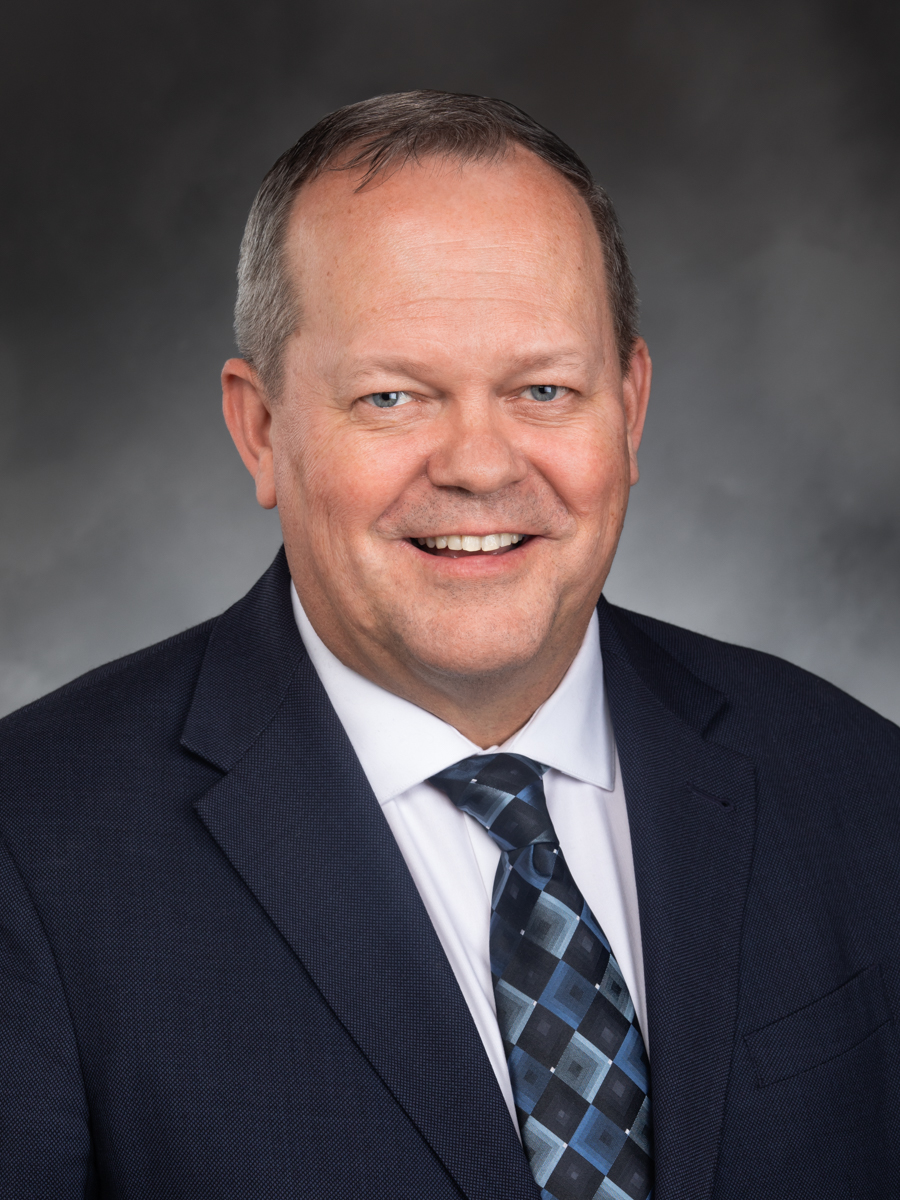
SB 5992 creates a state-funded account to support youth development programs for Washington youth aged 5-24, prioritizing underserved communities. The fund, financed by public and private contributions, will provide grants to nonprofits, tribal organizations, parks departments, and community partners to offer after-school programs, mentorship, career navigation, and culturally relevant activities. It requires equitable geographic distribution of funds and prioritizes youth facing systemic barriers, including those in foster care, experiencing homelessness, or from low-income backgrounds. Grants must be reported annually on program impacts, with tribal consultation required for projects affecting Native communities.
Tags
Children
HB 2688 adjusts Washington's funding mechanism for the Early Support for Infants and Toddlers program, which provides early intervention services to children with disabilities from birth to age three. The bill changes how state funds are calculated, using the annual average count of eligible children multiplied by a statewide allocation formula based on school enrollment (with a 1.20 multiplier). It clarifies that federal Part C funds must follow "payor of last resort" rules and specifies these services are not part of the state's basic education program. The bill directly affects eligible children, early intervention providers, and county agencies administering these services.
HB 2338 authorizes community-scale weatherization projects that cover multiple homes in the same neighborhood facing shared environmental, social, or economic challenges. Sponsors like community groups, tribes, or utilities can apply for state funds to implement energy efficiency upgrades, structural repairs, and healthy housing improvements across entire neighborhoods - rather than just single homes. The department must prioritize proposals serving areas with environmental health disparities and low-income households (defined as 80% of median income), requiring data-driven community assessments. Projects must include energy audits and avoid charging households for weatherization services, while aligning with federal energy efficiency programs.
HB 2601 establishes a new tiered fee structure for motorcycle registrations in Washington State, charging $15 for all motorcycles (regardless of weight) and increasing fees for heavier models (e.g., $35 for 4,000 pounds, $65 for 6,000 pounds, and $96 for 16,000 pounds or more). Motor homes will pay a flat $75 fee instead of the motorcycle-based fee. The state will use manufacturer-provided weight data to determine vehicle weight, and all fees will fund transportation projects. This new structure takes effect July 1, 2027, and expires January 1, 2029, after which a revised fee schedule becomes active.
HB 2700 requires all tort claims (injuries caused by government negligence, such as accidents on public property or by public employees) against Washington State or its local government subdivisions to go through mandatory arbitration before trial, for any amount of money sought. This applies directly to individuals seeking compensation for injuries caused by state or local government actions, and to the state and its agencies as defendants. The bill amends existing law to make arbitration mandatory for these claims, removing the previous $15,000 or $100,000 monetary thresholds that applied to private cases. The law takes immediate effect as an emergency measure to protect public finances while establishing a structured process for resolving such claims.
SB 6324 amends Washington State's retirement system (Plan 2) for law enforcement officers and firefighters by including standby pay in the calculation of "basic salary." Standby pay is compensation received when personnel are required to be available for immediate work but aren't actively working. This change increases retirement benefits for affected members by counting this pay toward their pension base. The bill specifically excludes lump-sum payments for unused leave or severance pay from the calculation.
SB 5946 would expand Washington's medical assistance program eligibility to include individuals with income at or below 300% of the federal poverty level (adjusted annually for family size). This change would directly affect low-income residents who currently earn above the existing income threshold but fall within this new range. The bill requires the Health Care Authority to submit a state plan amendment to federal Medicaid authorities by July 1, 2027, to implement this expanded eligibility. The policy change would allow more people to enroll in the state's medical assistance program without altering the program's existing structure.
SB 6004 allows cities, towns, and public utilities in Washington to contract for the "capability" (future power generation capacity) of renewable or nonemitting energy projects, not just actual electricity output. It updates outdated laws by removing restrictions to specific "qualified alternative energy resources" and aligns with current clean energy definitions under the Washington Clean Energy Transformation Act. Key provisions require public entities to pay for contracted projects regardless of completion or output issues, and payments cannot be reduced due to project delays or performance. This bill directly affects local governments and public entities seeking to invest in new clean energy infrastructure to meet state climate goals.
HB 2385 creates a Medicaid Access Program requiring Washington State to increase reimbursement rates for specific medical services (like anesthesia, surgery, behavioral health, and maternal care) that are currently paid at or below Medicare rates. These rates must be raised uniformly to match Medicare rates from the prior year, using funds collected in a dedicated account, and adjusted annually using the Medicare Economic Index after federal approval is secured. The bill mandates a study starting in 2032 to evaluate if these rate increases improve Medicaid access, tracking metrics like provider participation and patient access surveys. It also sets a 2032 deadline for federal approval, after which the program expires if approval isn't granted.
Washington's SB 5914 increases state funding for public defense services over time, requiring the state to cover 10% of costs in 2027, rising to 30% by 2031. Counties and cities receiving funds must meet specific quality standards, including requiring annual attorney training, reporting case statistics and expenditures, and tracking attorney time per case. The bill also mandates that public defense providers comply with Washington Supreme Court indigent defense standards and adopt legal representation plans addressing key factors. These requirements apply to all counties and cities providing public defense services for both adults and juveniles. The law aims to improve service quality and accountability through structured funding and reporting mechanisms.