Issue · Budget & Taxes

Budget & Taxes

Every budget & taxes bill, vote, and legislator stance in Washington, automatically classified by Maddy, our AI policy reader.

Total bills
22
119th Congress
Top supporter
Maria Cantwell
69% support rate
Top opponent
Emily Randall
17% support rate
Ranked legislators
9
4 support · 5 oppose
Key legislators

Who's moving budget & taxes in Washington

Legislators moving budget & taxes in Washington
Legislator Party Stance Support rate Votes
Maria Cantwell
Maria Cantwell Senate
D
Support
69% 273
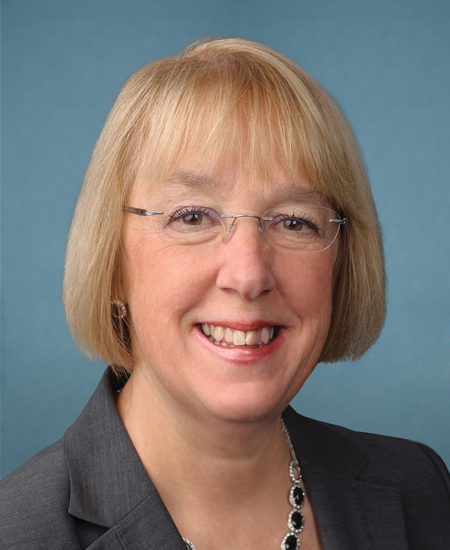
Patty Murray
Patty Murray Senate
D
Support
64% 253
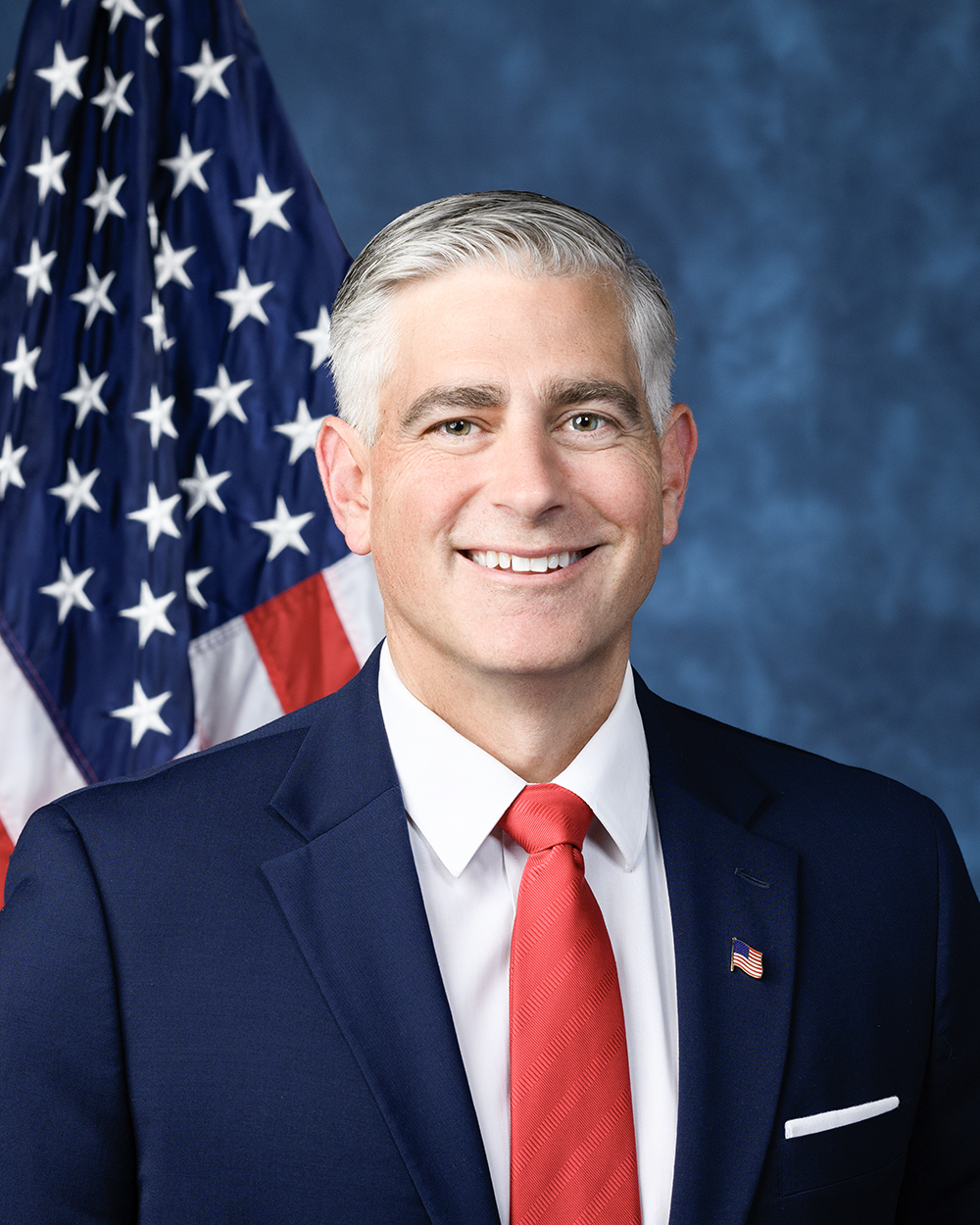
Michael Baumgartner
Michael Baumgartner House · District 5
R
Support
62% 183
Dan Newhouse
Dan Newhouse House · District 4
R
Mixed
58% 185
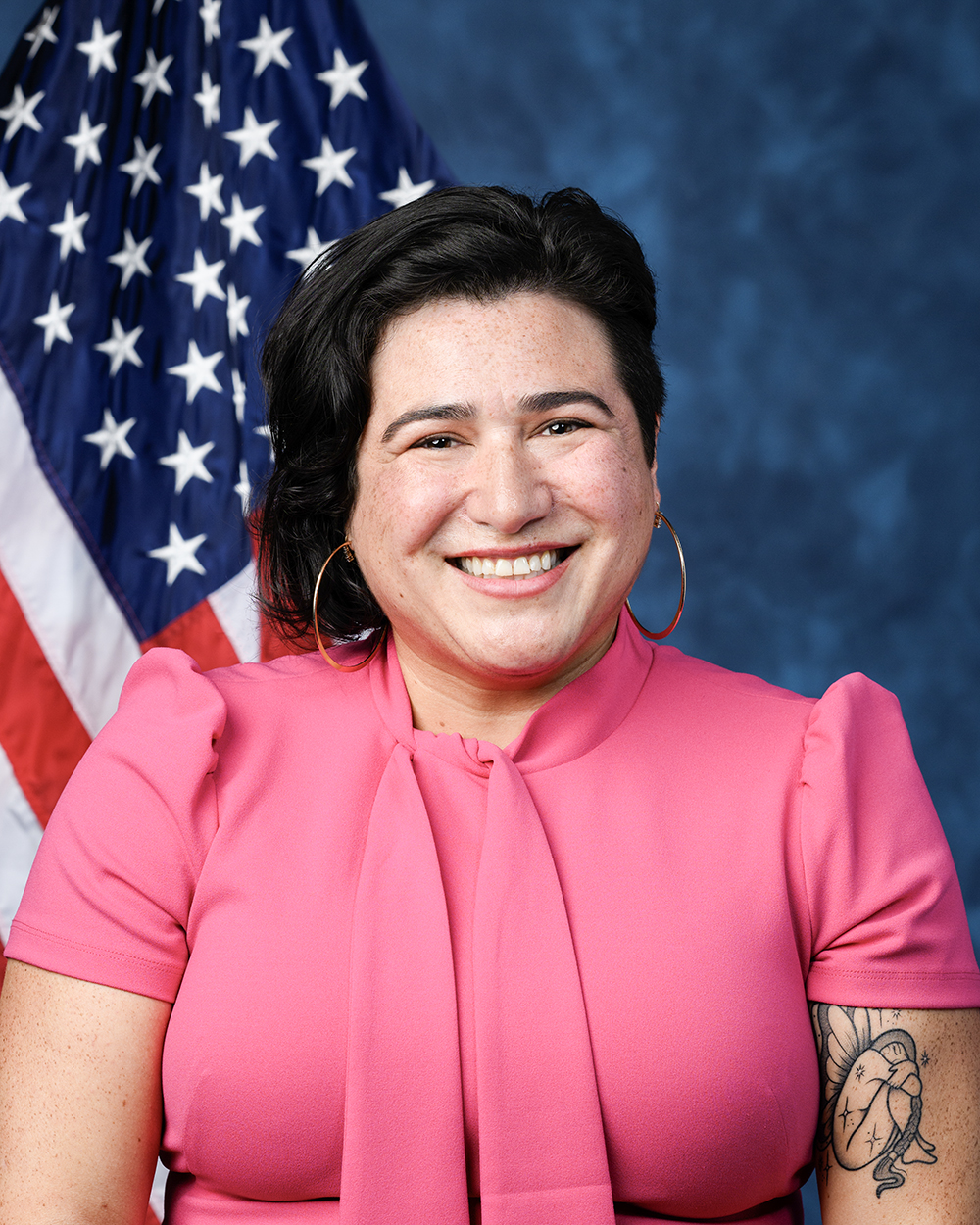
Emily Randall
Emily Randall House · District 6
D
Strong −
17% 181
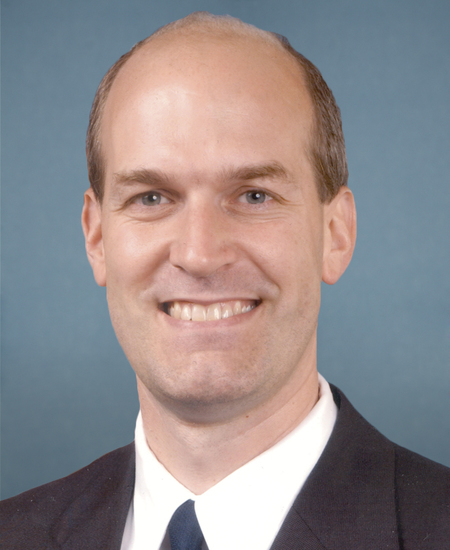
Rick Larsen
Rick Larsen House · District 2
D
Strong −
18% 183
Suzan K. DelBene
Suzan K. DelBene House · District 1
D
Strong −
19% 185
Marilyn Strickland
Marilyn Strickland House · District 10
D
Strong −
19% 184
Kim Schrier
Kim Schrier House · District 8
D
Strong −
20% 184
Showing 1–10 of 22 bills

All budget & taxes bills

in committee · United States · House Sep 10, 2026

HR 10330: Higher Education Oversight for Nonprofits Ensuring Standards and Transparency Act

This bill establishes new procedural safeguards for the Internal Revenue Service when conducting tax inquiries or examinations of universities, requiring high-level Treasury approval based on reasonable belief that a university may not qualify for tax-exempt status. It mandates that the IRS provide written notice to the institution before beginning an inquiry and at least 15 days before starting a formal examination, offering the university the opportunity to hold a conference to discuss concerns. The legislation imposes strict time limits, requiring inquiries to be completed within 90 days and examinations within two years, while also restricting the ability to re-examine a university for five years if no significant tax issues are found. Additionally, it requires the Secretary of the Treasury to submit confidential reports to congressional committees detailing any new university tax investigations.
in committee · United States · House Aug 24, 2026

HR 10148: Safeguarding America’s Nonprofits Act

The Safeguarding America's Nonprofits Act clarifies that tax-exempt status under Section 501 of the Internal Revenue Code does not count as federal financial assistance. This change directly affects charitable organizations, religious groups, and other nonprofits that are exempt from federal income taxes. The bill amends the tax code to ensure these entities are not subject to regulations or restrictions typically applied to recipients of government grants or aid. It also includes a provision stating that this new definition does not apply retroactively to periods before the law is enacted.
in committee · United States · Senate Aug 6, 2026

S 5331: Protect American Values Act of 2026

The Protect American Values Act of 2026 prohibits the use of federal funds to implement or enforce a specific Department of Homeland Security rule regarding the "Public Charge" ground of inadmissibility. This legislation directly affects immigrants and their families by preventing the government from using financial resources to carry out policies that could restrict access to essential services like food, medical care, and housing. The bill includes a statement of congressional intent arguing that the targeted rule would harm community health, increase poverty, and circumvent established immigration laws. By blocking funding for this specific regulatory action, the act aims to maintain current eligibility standards for public assistance without altering the underlying statutory framework.
in committee · United States · Senate Jun 16, 2026

S 4791: A bill to abolish the Anti-Weaponization Fund, and for other purposes.

This bill abolishes the Anti-Weaponization Fund, a financial reserve created by the Attorney General during the Trump v. Internal Revenue Service legal case. It also declares an order issued on May 19, 2026, regarding the release of certain claims as invalid and without effect. The legislation directly impacts the Department of Justice by removing this specific fund and reversing the associated administrative directive.
in committee · United States · House Jun 11, 2026

HR 9289: Keep Public Funds in Public Schools Act of 2026

The Keep Public Funds in Public Schools Act of 2026 eliminates a federal tax credit that allowed parents to deduct contributions to scholarship granting organizations from their income. By removing these specific tax breaks, the bill prevents the use of public tax dollars to support private school vouchers and scholarship programs. This change directly affects families who currently rely on these tax incentives to fund education outside the public school system. The provisions take effect for taxable years beginning after December 31, 2026.
in committee · United States · Senate May 12, 2026

S 4490: Fair Trusts for Fiscal Responsibility Act

This bill introduces a new annual tax on the total value of assets held in certain trusts, requiring owners to file detailed reports of trust holdings and beneficiary interests. The tax is calculated using a progressive rate structure that ranges from 1% to 3%, with specific thresholds that are adjusted for inflation starting in 2027. To offset this new liability, the legislation creates a "trust withholding credit account" that allows beneficiaries to claim credits against future estate and generation-skipping transfer taxes based on the taxes paid by the trust. Additionally, the bill modifies rules for grantor trusts by treating payments made by grantors to cover trust taxes as taxable gifts, while simultaneously denying any tax deductions for those payments.
in committee · United States · House Mar 26, 2026

HR 8108: End Polluter Welfare for Enhanced Oil Recovery Act of 2026

This bill, titled the "End Polluter Welfare for Enhanced Oil Recovery Act of 2026," eliminates federal tax credits related to enhanced oil recovery (EOR). It directly affects oil and gas companies that utilize or plan to utilize EOR methods. Specifically, the bill strikes Section 43 of the Internal Revenue Code, thereby ending the existing Enhanced Oil Recovery Credit. Furthermore, for new facilities constructed after the bill's enactment, it removes eligibility for the carbon capture tax credit (Section 45Q) when captured carbon oxide is used for enhanced oil recovery. These changes discontinue tax incentives that support specific oil extraction techniques.
Sub-Topics Tax Credits Oil & Gas
in committee · United States · House Mar 26, 2026

HR 8103: To prohibit the use of funds to use military force in or against Cuba, and for other purposes.

This bill prohibits the use of federal funds for military force in or against Cuba from its enactment until December 31, 2026, unless Congress declares war or passes specific statutory authorization. The restriction applies to all government funds and prevents military actions without congressional approval under the War Powers Resolution. An exception allows military force consistent with the War Powers Resolution's provisions for urgent situations requiring immediate action. The legislation directly affects the U.S. Department of Defense and federal budget processes by limiting how funds can be used for military operations targeting Cuba.
in committee · United States · House Jan 16, 2025

HR 524: NO GOTION Act

HR 524, the "NO GOTION Act," blocks U.S. green energy tax credits for companies tied to specific countries. It amends tax law to deny benefits under sections like 30C, 45, and 48 to any "disqualified company" - defined as entities created in, controlled by, or linked to China, Russia, Iran, or North Korea. The law directly affects corporations with ties to these nations that seek federal tax incentives for clean energy projects. The policy takes effect for tax years after the bill's enactment, removing eligibility for these companies without altering other tax rules.
passed · United States · House Jan 13, 2026

HR 909: Crime Victims Fund Stabilization Act of 2025

HR 909, the Crime Victims Fund Stabilization Act of 2025, modifies how funds from the False Claims Act are deposited into the Crime Victims Fund. It specifies that from 2025 through 2029, certain False Claims Act proceeds (specifically those for qui tam plaintiff payments and government damage reimbursements) cannot be deposited into the fund. This change directly affects the composition of the Crime Victims Fund by excluding these specific revenue streams during the specified period. The bill does not create new benefits or alter victim services; it only adjusts fund allocation rules for existing False Claims Act revenues.
Sub-Topics Victims' Rights
Showing 1 to 10 of 22 bills
1 2 3 Next