

Maddy summaryHR 4563, the "Fixing Gaps in Hurricane Preparedness Act," requires the National Oceanic and Atmospheric Administration (NOAA) to research how the public, especially vulnerable groups like the elderly, people with disabilities, and those facing language barriers, receives and acts on hurricane forecasts and warnings. Key provisions mandate NOAA to conduct studies on evacuation decisions, trust in warning sources, language access, and demographic differences in response, and to identify data gaps. The bill also directs NOAA to launch a pilot study using surveys and focus groups in hurricane-prone areas to assess preparedness, trust in warnings, and barriers to evacuation. These research efforts aim to inform evidence-based improvements to hurricane warning systems and services for all communities.
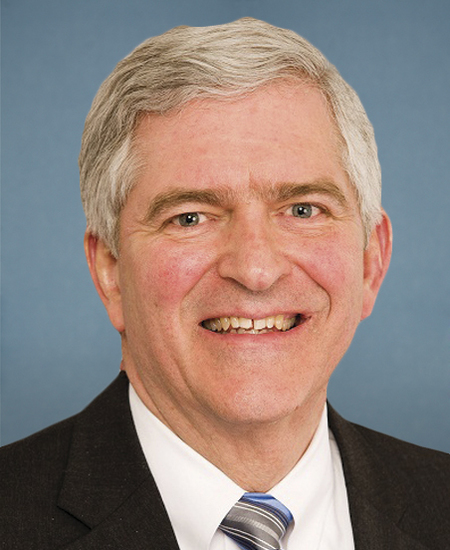
Rep. Daniel Webster
Sponsored bills
Maddy summaryThis bill extends funding deadlines for sport fish restoration and recreational boating programs through 2031, updating prior expiration dates. It clarifies funding for interstate fisheries commissions and adds new definitions for alternative marine fuel infrastructure, including facilities dispensing fuels derived from recycled oils or plant materials. The bill also establishes a 3% tax rate (down from 10%) for portable, electronically-aerated bait containers sold by manufacturers. These changes primarily affect recreational boaters, sport fishing programs, and facilities seeking to install alternative fuel infrastructure.
Maddy summaryHR 4363, the Defend Girls Athletics Act, requires public K-12 schools and colleges to certify annually that they comply with Executive Order 14201, which mandates keeping men out of women's sports. Schools must submit written compliance certifications by August 15 each year (for K-12) or July 1 (for colleges), with states reporting non-compliant agencies to the federal government. Schools or colleges failing to certify or violating the rule risk losing federal education funding, including returning unobligated funds and becoming ineligible for future federal support. The bill directly affects all public schools and colleges receiving federal education funds by tying their eligibility to adherence to this sports participation requirement.
Maddy summaryHR 4370, the SAMS Act of 2025, codifies five existing executive orders into law to strengthen U.S. mineral supply chains. It gives legal force to orders focused on securing critical minerals (like lithium and rare earths) for national security and economic resilience, directly affecting federal agencies implementing these strategies. Key provisions require agencies to follow these established policies - addressing reliance on foreign mineral sources, supporting domestic mining, and prioritizing national security in mineral processing - without creating new regulations. The bill does not alter current mineral policies but formally enshrines them as binding federal requirements.
Maddy summaryHRES 570 is a House resolution commending Petty Officer 3rd Class Scott Ruskan for rescuing 165 people during catastrophic July 2025 flooding in central Texas. The resolution honors Ruskan, a Coast Guard Aviation Survival Technician from Air Station Corpus Christi, for his role as the sole triage coordinator during the disaster. It recognizes his "exceptional courage" and "selflessness" in saving lives during the Guadalupe River flooding that caused extensive damage and loss of life. As a ceremonial resolution, it does not create new laws or policies but formally expresses the House's gratitude for Ruskan's service.
Maddy summaryThe National Infrastructure Investment Corporation Act of 2025 establishes a new federal corporation to provide low-cost loans and loan guarantees for infrastructure projects that exceed the funding capacity of state and local governments. It authorizes the corporation to accept up to $5 billion annually in loans from pension funds (at 3-4% interest) to finance eligible projects like transportation, energy, and water systems. The corporation’s board, appointed with political balance (including Senate/House leaders), must prioritize projects fairly, consult affected lawmakers, and submit annual reports to Congress. This bill directly affects state and local governments seeking federal financing for large-scale infrastructure, with oversight including annual audits and congressional review periods.
Maddy summaryHR 4336, the CBP SPACE Act, amends U.S. Customs and Border Protection (CBP) fee rules to allow adjustments in merchandise processing fees. This change directly affects CBP and sea ports of entry by enabling fee increases to cover capital costs like equipment upgrades, facility construction, and maintenance - previously limited to operational expenses. The bill requires CBP to submit annual reports detailing how fee proceeds are used for inspection facilities at sea ports, including specific funding allocations and outstanding infrastructure needs. It also prohibits CBP from requiring ports to provide administrative or training facilities for CBP operations. The law aims to improve transparency and funding for CBP's physical infrastructure at ports of entry.
Maddy summaryHR 4360, the Frank Wolf Space Security Act, restricts federal funding for space-related collaboration between U.S. agencies and China. It prohibits NASA, the Office of Science and Technology Policy (OSTP), and the National Space Council (NSpC) from using federal funds for any direct cooperation with China or Chinese companies without new legislation. Exceptions allow such activities only if agencies obtain FBI certification confirming no national security risks and no engagement with officials linked to human rights violations, with details submitted to Congress and the FBI 30 days in advance. The bill directly affects U.S. space agencies' ability to conduct joint projects with China, requiring a formal certification process for any permitted collaboration.
Maddy summaryThis bill makes technical corrections to the Camp Lejeune Justice Act of 2022 to streamline claims for individuals harmed by water contamination at Camp Lejeune. It clarifies the evidence required (30+ days at the base plus a link between contaminants and health harm), specifies that cases must be handled in North Carolina courts (with limited transfer options), and sets attorney fee caps (20% before suit, 25% after). These changes directly affect veterans and civilians who lived at Camp Lejeune and filed claims under the 2022 law. The bill does not create new eligibility but aims to improve the legal process for existing cases.
Maddy summaryThe LEDGER Act (HR 4091) requires the Treasury Department to create a system tracking every government payment within 180 days of enactment. It mandates that all federal departments, agencies, and branches (executive, legislative, judicial) must report disbursements from every funding source, including how long funds remain available for spending. This system will detail each payment's origin, recipient, and timing across all government accounts. The bill directly affects all federal spending entities by standardizing expenditure tracking previously handled inconsistently.