Issue · Technology

Technology

Every technology bill, vote, and legislator stance in Virginia, automatically classified by Maddy, our AI policy reader.

Total bills
27
119th Congress
Top supporter
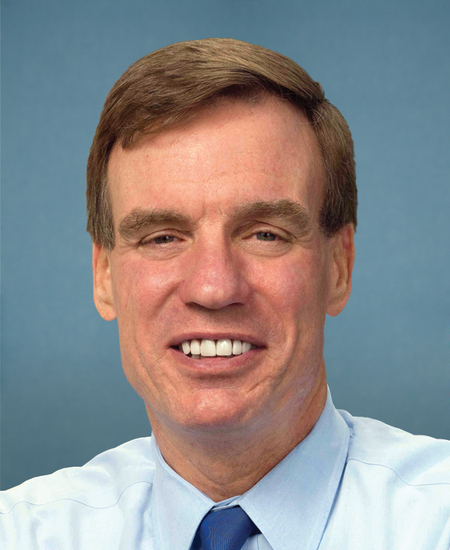
Mark R. Warner
82% support rate
Top opponent
H. Morgan Griffith
27% support rate
Ranked legislators
10
5 support · 5 oppose
Key legislators

Who's moving technology in Virginia

Legislators moving technology in Virginia
Legislator Party Stance Support rate Votes
Mark R. Warner
Mark R. Warner Senate
D
Strong +
82% 228
Jennifer L. McClellan
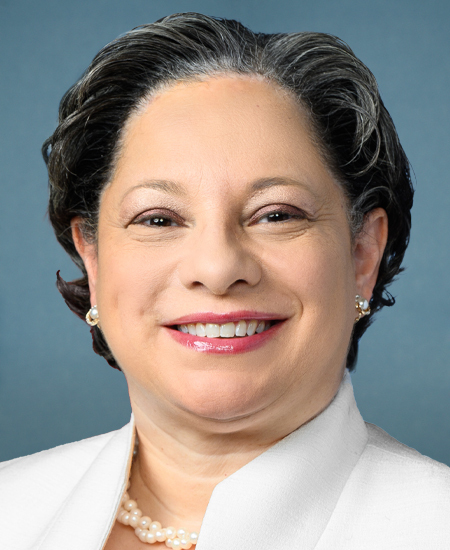
Jennifer L. McClellan House · District 4
D
Support
77% 262
Suhas Subramanyam
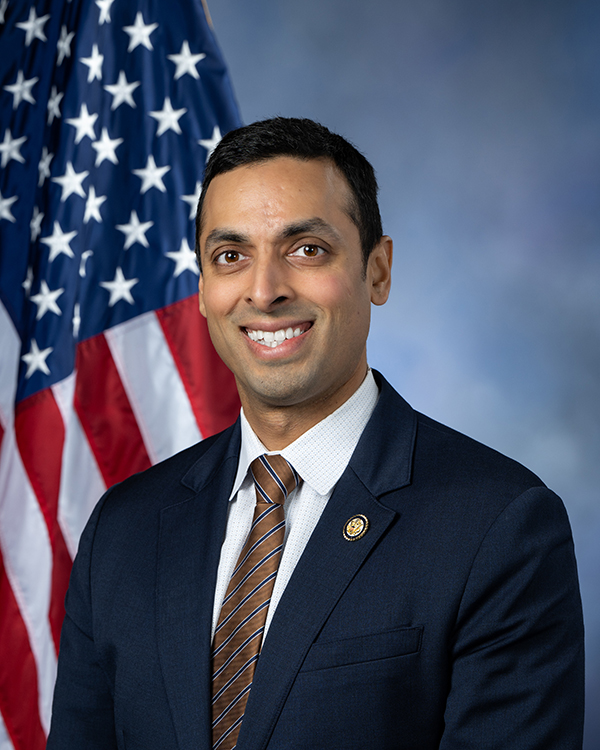
Suhas Subramanyam House · District 10
D
Support
77% 261
Eugene Simon Vindman
Eugene Simon Vindman House · District 7
D
Support
76% 261
Donald S. Beyer, Jr.
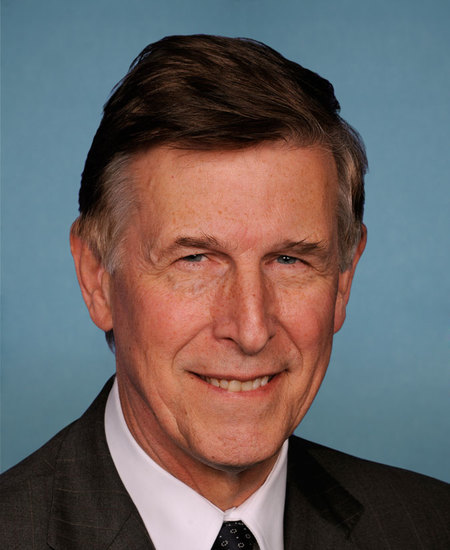
Donald S. Beyer, Jr. House · District 8
D
Support
73% 261
H. Morgan Griffith
H. Morgan Griffith House · District 9
R
Oppose
27% 262
Ben Cline
Ben Cline House · District 6
R
Oppose
27% 262
John J. McGuire III
John J. McGuire III House · District 5
R
Oppose
27% 261
Jennifer A. Kiggans
Jennifer A. Kiggans House · District 2
R
Oppose
32% 262
Robert J. Wittman
Robert J. Wittman House · District 1
R
Oppose
36% 260
Showing 1–10 of 27 bills

All technology bills

in committee · United States · House Sep 8, 2026

HR 10322: Data Center Fair Share Act

The Data Center Fair Share Act requires electric utilities to ensure that large commercial customers, defined as those with a peak demand of 100 megawatts or more at a single site, pay the full incremental costs for any power grid upgrades needed to serve them. This obligation applies even if the customer later cancels their contract or stops purchasing electricity from the utility. The bill mandates that state regulatory authorities and nonregulated utilities begin considering these new standards within one year of enactment and complete the process within two years. States that fail to implement these federal requirements will face a penalty where 100 percent of their apportioned federal highway funds are withheld starting in the first fiscal year after the deadline passes.
in committee · United States · House Aug 31, 2026

HR 10199: Sell Your Stocks or Step Down Act

The Sell Your Stocks or Step Down Act would prohibit high-ranking federal officials, including the President, Vice President, Members of Congress, senior executive branch employees, and federal judges, from directly or indirectly owning or trading most stocks, commodities, futures, and digital assets. To comply with these rules, covered individuals must sell their existing eligible investments at fair market value within 30 days of taking office or the bill's enactment, though they may keep diversified mutual funds, government bonds, and certain other specific holdings. The legislation establishes strict penalties for non-compliance, including daily fees that can reach up to 50 percent of the value of the remaining portfolio and mandatory disgorgement of any profits made from illegal trades. These fines must be paid out of personal funds rather than government resources, with all collected penalties deposited into the Treasury specifically for deficit reduction.
in committee · United States · House Aug 3, 2026

HR 10017: Permanent CBDC Ban Act

This bill, titled the Permanent CBDC Ban Act, aims to permanently prohibit the Federal Reserve from issuing a central bank digital currency. It achieves this by amending the Federal Reserve Act to remove the specific legal authority that allows the Reserve to create such a digital currency. The legislation directly affects the Federal Reserve by stripping away its power to launch a digital version of the dollar. By deleting the relevant subsection of the law, the bill ensures that the Reserve cannot issue a CBDC in the future.
in committee · United States · House Jul 21, 2026

HR 9800: Protection Against Mass Surveillance Act

The Protection Against Mass Surveillance Act prohibits federal agencies from buying, using, or contracting for automated surveillance systems that rely on license plate recognition, facial recognition, biometric identification, or other technologies designed for mass tracking. It also prevents state, local, and tribal governments from using federal funds to acquire or operate these same surveillance tools. If federal agencies obtain data in violation of these rules, the law requires them to delete the information within 30 days and bars its use as evidence in any court or administrative proceeding.
in committee · United States · House Jun 25, 2026

HR 9453: End EPA Abuse Act of 2026

The End EPA Abuse Act of 2026 amends the Clean Air Act to limit the Environmental Protection Agency's authority to create new regulations. Specifically, it prohibits the EPA Administrator from issuing rules that restrict the sale or use of internal combustion engine vehicles, force power plants to switch fuel sources, or reduce the reliability of the electric grid. The bill also bars the agency from mandating technologies that are commercially unavailable, too expensive without subsidies, or technically unfeasible due to geographic or infrastructure limitations. Additionally, the law prevents the EPA from expanding its regulatory power beyond what Congress originally intended. These changes directly affect the EPA's ability to enforce environmental standards and impact industries such as automotive manufacturing and energy production.
in committee · United States · House May 20, 2026

HR 8915: NO FAKES Act of 2026

The NO FAKES Act of 2026 grants individuals and their heirs a new property right to control the creation and use of digital replicas of their voice or visual likeness, preventing unauthorized use in computer-generated media. This right lasts for the individual's lifetime plus 10 years after death, with potential extensions for continued commercial use, and applies to both living and deceased people. Online platforms and companies distributing such content must register with the Copyright Office, remove unauthorized replicas upon receiving valid notices, and face civil penalties of up to $750,000 per work if they fail to comply or knowingly distribute unauthorized replicas. The law also preempts most existing state laws protecting voice and likeness rights, though it preserves protections for sexually explicit content and election-related uses.
in committee · United States · House May 11, 2026

HR 8730: Connected Vehicle Security Act of 2026

The Connected Vehicle Security Act of 2026 restricts the importation, sale, and manufacture of vehicles and related technology from specific countries, including China, Russia, Iran, and North Korea, to address national security concerns. The law defines prohibited items as connected vehicles, their software, and hardware components and sets different effective dates, with vehicle bans starting in 2027 and hardware restrictions beginning in 2030. A government official can grant exceptions for specific items after reviewing security risks and notifying Congress, while the agency must publish annual reports on enforcement actions and compliance.
in committee · United States · House Apr 22, 2026

HR 8170: MATCH Act

The MATCH Act requires U.S. agencies to align export controls on semiconductor manufacturing equipment with allied nations to prevent adversaries from accessing critical technology. It mandates a 150-day period for diplomatic efforts to secure countrywide denial policies from allied suppliers, after which U.S. jurisdiction would extend to equipment exported from countries not complying with these controls. The bill specifically targets semiconductor manufacturing equipment that the U.S. cannot currently produce in high volume and includes a list of Chinese companies deemed to warrant comprehensive restrictions. If allies fail to implement matching controls, the Act would allow the U.S. to regulate equipment exported from non-compliant allied countries and restrict servicing of restricted items at facilities in adversary nations. The legislation includes a sunset provision that expires five years after enactment, with annual reporting requirements to Congress on progress and compliance.
in committee · United States · House Mar 20, 2026

HR 8031: GUARDRAILS Act

The GUARDRAILS Act (HR 8031) repeals the December 11, 2025 Executive Order on Artificial Intelligence, which previously established a national policy framework for AI development. By removing this executive order, the bill prevents the federal government from using funds to implement, enforce, or administer the policies outlined in that directive. This change directly affects federal agencies and any organizations that were relying on the executive order's framework for AI regulation. The legislation does not create new AI rules but instead eliminates the existing executive mandate that had been in place.
in committee · United States · House Feb 11, 2025

HJRES 39: Providing for congressional disapproval under chapter 8 of title 5, United States Code, of the rule submitted by the Federal Trade Commission relating to "Premerger Notification; Reporting and Waiting Period Requirements".

HJRES 39 is a joint resolution seeking to block a Federal Trade Commission (FTC) rule on premerger notifications. The rule, published in November 2024, would have required companies to notify the FTC before merging and observe waiting periods for review. If enacted, this resolution would invalidate the rule, meaning companies would not need to comply with the new notification and waiting period requirements. It uses the standard congressional disapproval process under chapter 8 of title 5, U.S. Code, to halt the rule from taking effect.
Showing 1 to 10 of 27 bills
1 2 3 Next