Issue · Labor & Employment

Labor & Employment

Every labor & employment bill, vote, and legislator stance in Virginia, automatically classified by Maddy, our AI policy reader.

Total bills
373
119th Congress
Top supporter
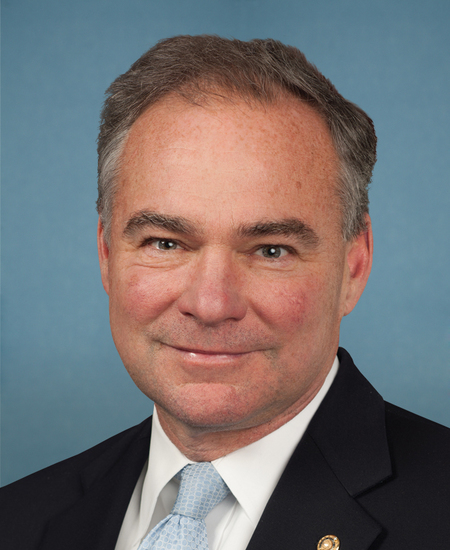
Tim Kaine
75% support rate
Top opponent
Robert J. Wittman
38% support rate
Ranked legislators
10
5 support · 5 oppose
Key legislators

Who's moving labor & employment in Virginia

Legislators moving labor & employment in Virginia
Legislator Party Stance Support rate Votes
Tim Kaine
Tim Kaine Senate
D
Support
75% 212
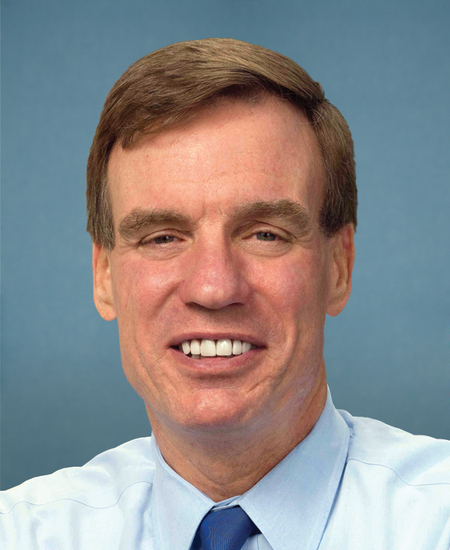
Mark R. Warner
Mark R. Warner Senate
D
Support
75% 211
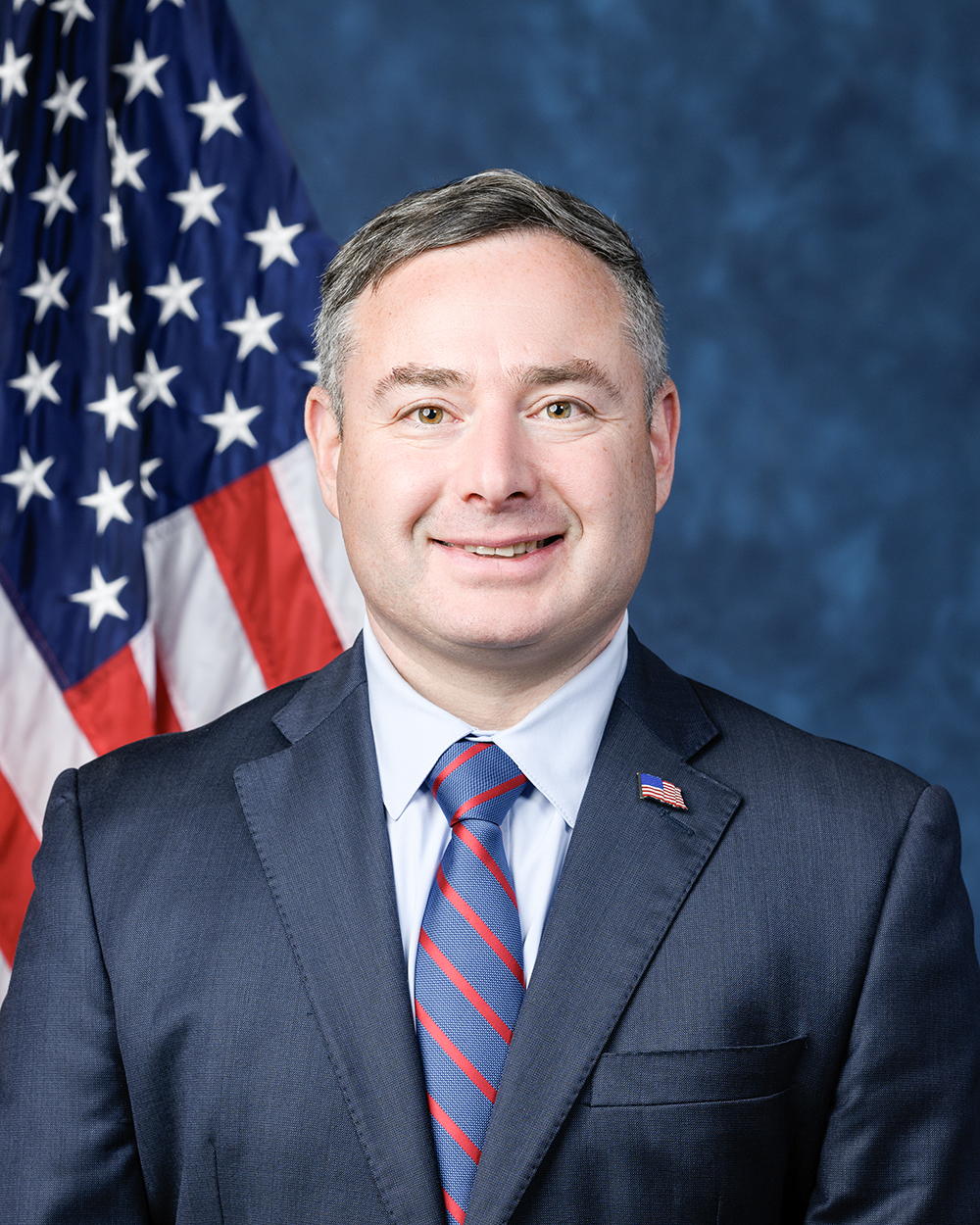
Eugene Simon Vindman
Eugene Simon Vindman House · District 7
D
Support
69% 196
James R. Walkinshaw
James R. Walkinshaw House · District 11
D
Support
67% 148
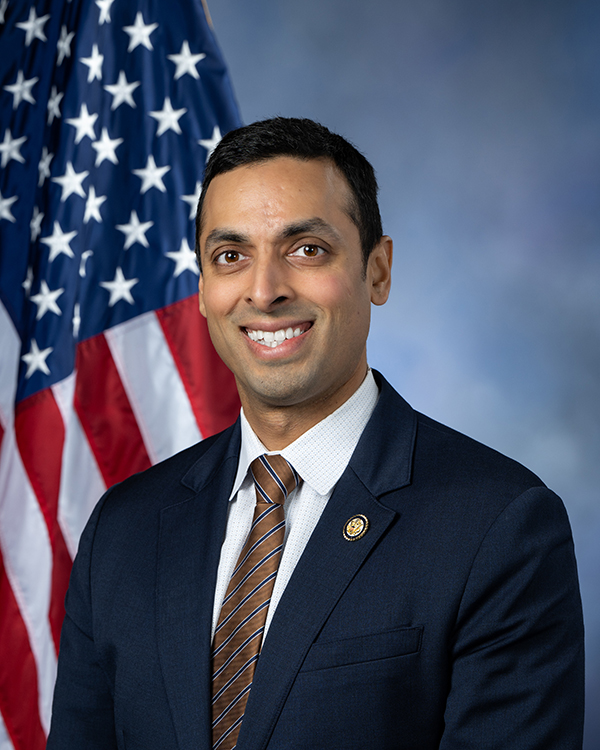
Suhas Subramanyam
Suhas Subramanyam House · District 10
D
Support
62% 197
Robert J. Wittman
Robert J. Wittman House · District 1
R
Oppose
38% 194
H. Morgan Griffith
H. Morgan Griffith House · District 9
R
Oppose
38% 198
Jennifer A. Kiggans
Jennifer A. Kiggans House · District 2
R
Oppose
38% 197
Ben Cline
Ben Cline House · District 6
R
Oppose
38% 196
John J. McGuire III
John J. McGuire III House · District 5
R
Oppose
38% 196
Showing 1–10 of 373 bills

All labor & employment bills

in committee · United States · House Sep 2, 2026

HR 10239: Equal Pay for Equal Work Act

The Equal Pay for Equal Work Act establishes a new National Equal Pay Enforcement Task Force composed of representatives from the Equal Employment Opportunity Commission, the Department of Justice, the Department of Labor, and the Office of Personnel Management. The task force is charged with coordinating these agencies to close gaps in enforcement and improve public education regarding equal pay laws. Its specific duties include investigating challenges related to pay inequity, advancing recommendations to address those issues, and creating action plans to implement the proposed solutions.
in committee · United States · House Aug 31, 2026

HR 10198: Federal Worker Protection Act

The Federal Worker Protection Act aims to prevent federal agencies from using non-disclosure agreements (NDAs) to chill whistleblowing by requiring all such contracts to include a prominent notice of employees' rights to report wrongdoing to oversight bodies like Congress and Inspectors General. The bill mandates that the Office of Special Counsel pre-approve NDA templates and establishes a private right of action allowing employees to sue for damages if they face retaliation based on protected disclosures. Additionally, it grants Inspectors General the authority to block non-compliant NDAs and provides them with specific protections against removal for issuing negative certifications regarding agency practices.
Sub-Topics Workplace Safety
in committee · United States · House Sep 3, 2026

HR 10297: El Salvador TPS Act of 2026

The El Salvador TPS Act of 2026 requires the Secretary of Homeland Security to grant Temporary Protected Status (TPS) to individuals from El Salvador. This designation would remain in effect until a date 18 months after September 9, 2026. The bill directly affects eligible residents of El Salvador by providing them with legal protection and work authorization during this specified period.
Sub-Topics Work Authorization
in committee · United States · House Aug 6, 2026

HR 10056: Nurse Overtime and Patient Safety Act of 2026

The Nurse Overtime and Patient Safety Act of 2026 prohibits healthcare providers from requiring registered, licensed practical, or licensed vocational nurses to work mandatory overtime beyond a previously scheduled shift, 48 hours in a week, or 12 consecutive hours. The bill allows exceptions during declared emergencies or disasters but requires that alternative staffing measures be attempted first and that the extended work does not extend past the end of the emergency response. Providers who violate these limits face civil money penalties of up to $10,000 per violation, with harsher fines for repeated offenses, and are required to post nurse schedules and rights notices in visible locations. Additionally, the legislation protects nurses from retaliation if they refuse mandatory overtime or report violations, while mandating that the Department of Health and Human Services study safe working hour standards and the Office of Management and Budget review practices in federally operated medical facilities.
in committee · United States · House Aug 10, 2026

HR 10070: Border Patrol Overtime Parity Act

The Border Patrol Overtime Parity Act amends federal law to expand eligibility for special overtime pay rates for U.S. Border Patrol agents. Currently, these higher pay rates are restricted to agents occupying positions at the GS-12 grade level or above. By removing this specific grade requirement from the statute, the bill allows agents in lower-grade positions to qualify for the same overtime compensation. This change directly affects Border Patrol officers by broadening the group of employees who can receive additional pay for working beyond standard hours.
Sub-Topics Labor Standards
in committee · United States · House Jul 30, 2026

HR 9995: Restoring Justice for Workers Act

The Restoring Justice for Workers Act prohibits employers from forcing workers to agree to arbitration for workplace disputes and bans agreements that prevent employees from joining together to seek legal relief. Under this bill, any contract requiring arbitration before a dispute arises would be invalid, while agreements made after a dispute occurs must be truly voluntary, require plain language explanations, include a 45-day waiting period, and receive explicit written consent from the worker. The legislation also makes it illegal to retaliate against employees who refuse to sign arbitration clauses and ensures that courts, rather than arbitrators, decide whether these arbitration agreements are valid. Additionally, the act amends the National Labor Relations Act to explicitly forbid employers from interfering with employees' rights to engage in collective actions regarding their work. These changes apply to all workers, including independent contractors, and take effect immediately upon enactment.
Sub-Topics Labor Standards
in committee · United States · Senate Jul 21, 2026

S 5055: National Workforce Transition Fund Act of 2026

This bill creates a temporary National Workforce Transition Fund to help workers and employers manage labor market changes caused by artificial intelligence and emerging technologies. The fund is financed by exempting AI data centers from certain tax depreciation limits, with the resulting revenue transferred to the Treasury and then allocated to the fund over five years. A new National Workforce Transition Board will oversee the program, developing strategies to assess workforce impacts and directing resources toward training, job placement, and employer retention initiatives. The legislation prioritizes support for workers facing employment disruption without requiring them to prove that technology was the sole cause of their job loss, while also funding improvements to labor market data systems. All provisions related to the fund and workforce activities are set to expire five years after the bill is enacted.
in committee · United States · Senate Jul 30, 2026

S 5189: A bill to amend title 10, United States Code, and the National Defense Authorization Act for Fiscal Year 1994, to codify and clarify gender neutral standards for members of certain Armed Forces, and for other purposes.

This bill updates federal laws to ensure that members of the Army, Navy, Marine Corps, Air Force, and Space Force cannot be excluded from jobs or assignments based on their gender. It requires the Department of Defense to establish occupational standards using scientifically rigorous methods that evaluate technical, tactical, cognitive, and physical abilities without gender bias. Additionally, the legislation mandates annual reports to Congress detailing any involuntary reclassifications or separations and requires a detailed review of the operational effectiveness of Army and Marine Corps ground combat units. These changes are scheduled to take effect on September 30, 2026, with the first required report due the following year.
in committee · United States · House Jul 16, 2026

HR 9730: Foreign Service Test-Free Reentry Act of 2026

The Foreign Service Test-Free Reentry Act of 2026 allows the State Department to rehire certain former career diplomats without requiring them to take new exams. This provision applies specifically to individuals who were involuntarily separated or retired between January 20, 2025, and January 31, 2030, as part of a reduction in force or similar expedited process. To qualify, these former employees must have been serving in good standing and must not have received low performance rankings in the five years leading up to their separation. The bill aims to streamline the reentry process for these specific groups by waiving standard testing requirements.
in committee · United States · House Jul 23, 2026

HR 9908: Rural Hospital Cybersecurity Enhancement Act

The Rural Hospital Cybersecurity Enhancement Act directs the Department of Health and Human Services to create a workforce development plan aimed at training cybersecurity professionals specifically for rural hospitals. This strategy requires the Secretary to consult with various federal agencies and healthcare representatives while focusing on partnerships, curriculum development, and identifying local security challenges. Additionally, the bill mandates the publication of free instructional materials and an awareness campaign to help rural hospital staff learn fundamental cybersecurity skills. The legislation does not authorize any new funding, relying instead on existing resources to implement these training and educational initiatives.
Sub-Topics Hospitals Workforce Development Tags Cybersecurity Rural Communities
Showing 1 to 10 of 373 bills
1 2 3 38 Next