Issue · Criminal Justice

Criminal Justice (Violent Crime)

Every criminal justice bill, vote, and legislator stance in Virginia, automatically classified by Maddy, our AI policy reader.

Total bills
9
2026 Regular Session
Top supporter
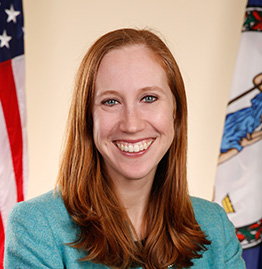
Karrie Delaney
82% support rate
Top opponent
J.J. Singh
27% support rate
Ranked legislators
10
5 support · 5 oppose
Key legislators

Who's moving violent crime in Virginia

Legislators moving violent crime in Virginia
Legislator Party Stance Support rate Votes
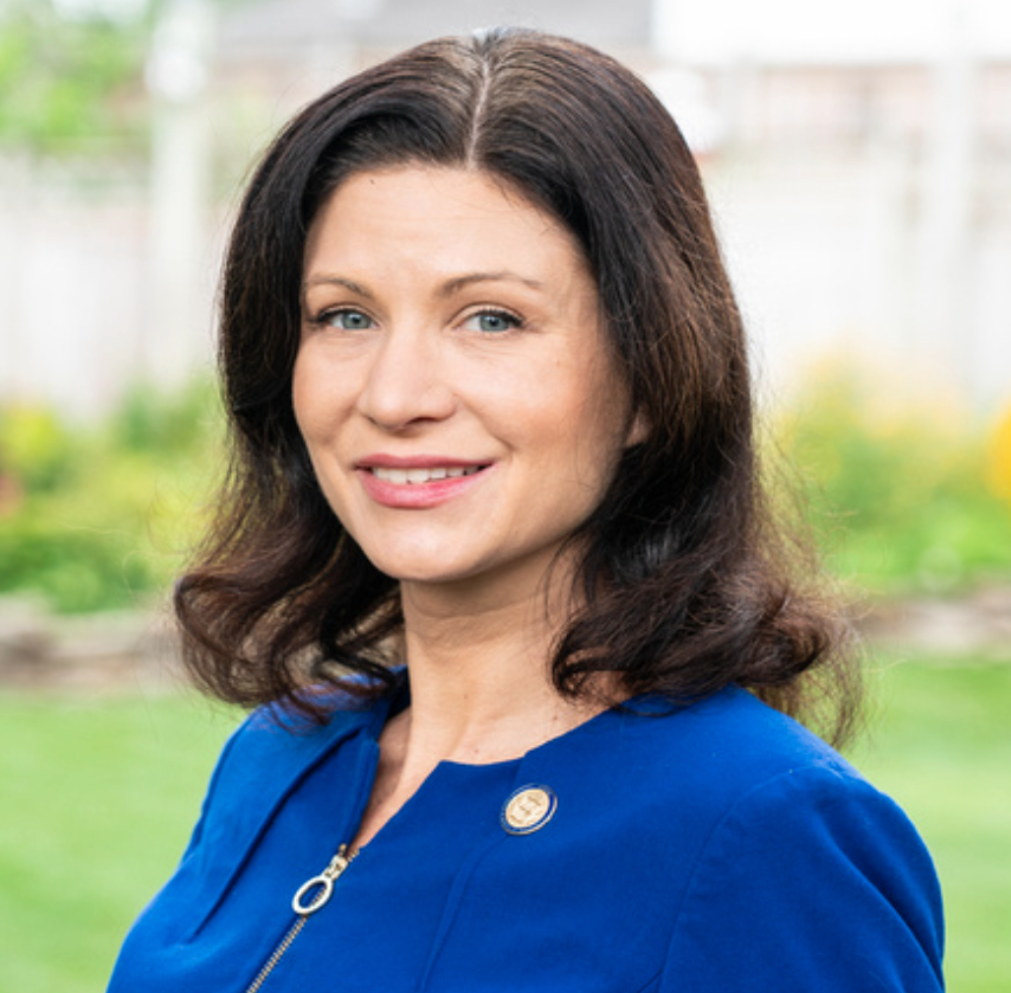
Karrie Delaney
Karrie Delaney House · District 9
D
Strong +
82% 11
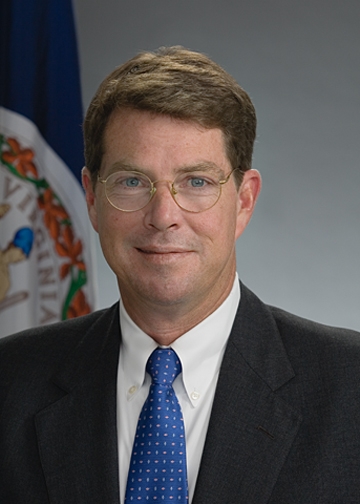
Richard Stuart
Richard Stuart Senate · District 25
R
Support
67% 18
Katrina Callsen
Katrina Callsen House · District 54
D
Support
67% 15
Phil Hernandez
Phil Hernandez House · District 94
D
Support
67% 15
Vivian Watts
Vivian Watts House · District 14
D
Support
67% 15
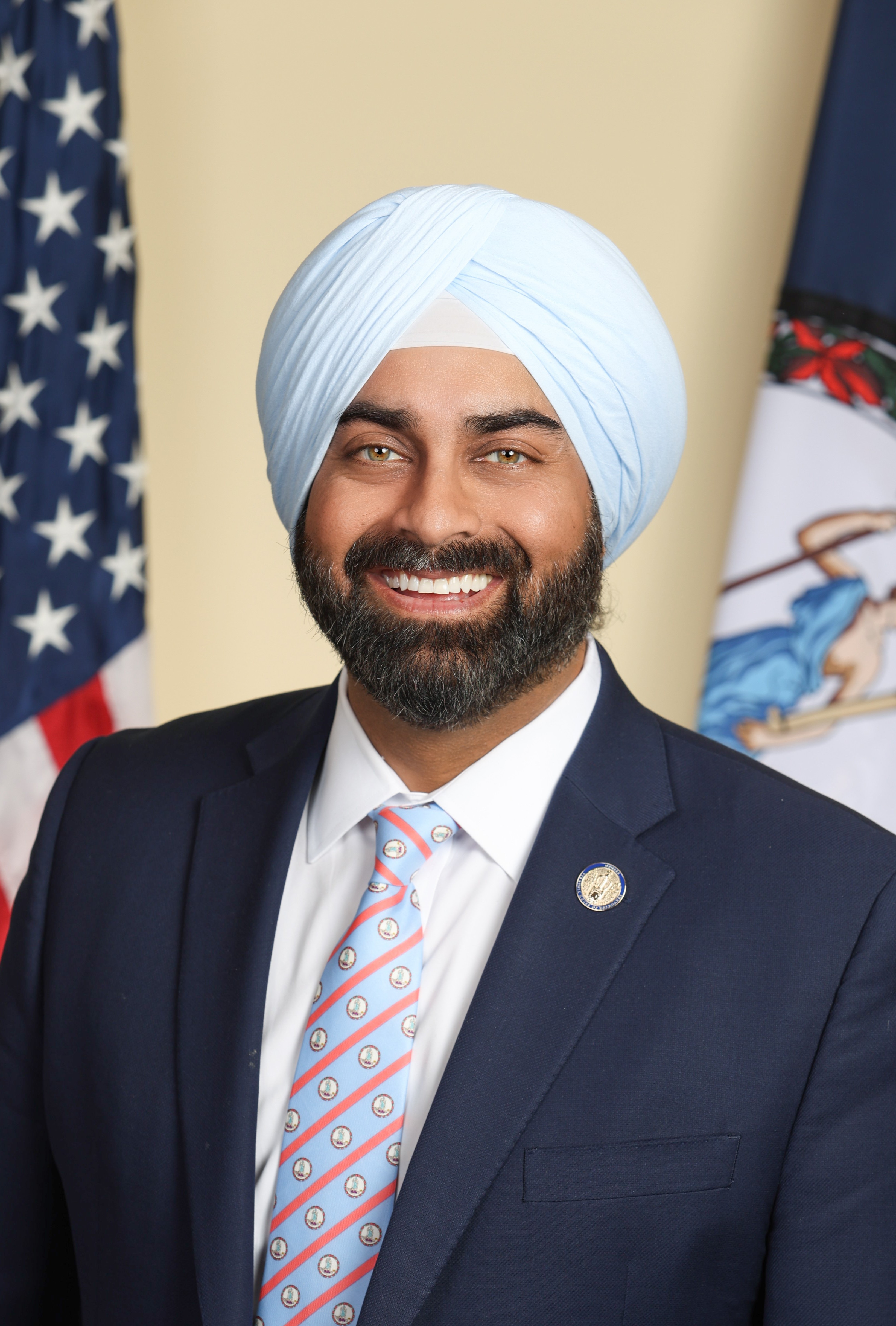
J.J. Singh
J.J. Singh House · District 26
D
Oppose
27% 11
Michelle Maldonado
Michelle Maldonado House · District 20
D
Oppose
31% 13
Elizabeth Bennett-Parker
Elizabeth Bennett-Parker Senate · District 39
D
Oppose
33% 15
Wren Williams
Wren Williams House · District 47
R
Oppose
33% 15
Danny Diggs
Danny Diggs Senate · District 24
R
Oppose
33% 12
Showing 9 of 9 bills

All criminal justice bills

vetoed · Virginia · House of Delegates Apr 13, 2026

HB 246: Mental illness, neurocognitive disorder, etc.; affirmative defense or reduced penalty.

Affirmative defense or reduced penalty for mental illness, neurocognitive disorder, or intellectual or developmental disability. Provides an affirmative defense to prosecution of a person for assault or assault and battery against certain specified persons for which the enhanced Class 6 felony and six-month mandatory minimum apply if such person proves, by a preponderance of the evidence, that at the time of the assault or assault and battery (i) the person's behaviors were a result of (a) mental illness or (b) a neurocognitive disorder, including dementia, or an intellectual disability or a developmental disability such as autism spectrum disorder, as defined in the most recent edition of the Diagnostic and Statistical Manual of Mental Disorders of the American Psychiatric Association, or (ii) the person met the criteria for issuance of an emergency custody order.The bill requires such person or his counsel to give notice in writing to the attorney for the Commonwealth at least 60 days prior to his trial in circuit court, or at least 14 days if the trial date is set within 21 days of his last court appearance, of his intention to present such evidence. Additionally, if such notice is not given, and the person proffers such evidence at his trial as a defense, then the court may in its discretion either allow the Commonwealth a continuance or, under appropriate circumstances, bar such person from presenting such evidence; any such continuance shall not be counted for speedy trial purposes pursuant to relevant law.Lastly, the bill provides that if such person does not prove that his behaviors were a result of his mental illness, intellectual disability, developmental disability, or neurocognitive disorder but the evidence establishes that his mental illness, intellectual disability, developmental disability, or neurocognitive disorder otherwise contributed to his behaviors, the finder of fact may find such person guilty of a Class 1 misdemeanor. The bill also provides that such affirmative defense shall not be construed to allow an affirmative defense for voluntary intoxication. This bill is identical to SB 335.
vetoed · Virginia · Senate Apr 13, 2026

SB 335: Mental illness, neurocognitive disorder, etc.; affirmative defense or reduced penalty.

Affirmative defense or reduced penalty for mental illness, neurocognitive disorder, or intellectual or developmental disability. Provides an affirmative defense to prosecution of a person for assault or assault and battery against certain specified persons for which the enhanced Class 6 felony and six-month mandatory minimum apply if such person proves, by a preponderance of the evidence, that at the time of the assault or assault and battery (i) the person's behaviors were a result of (a) mental illness or (b) a neurocognitive disorder, including dementia, or an intellectual disability or a developmental disability such as autism spectrum disorder, as defined in the most recent edition of the Diagnostic and Statistical Manual of Mental Disorders of the American Psychiatric Association, or (ii) the person met the criteria for issuance of an emergency custody order.The bill requires such person or his counsel to give notice in writing to the attorney for the Commonwealth at least 60 days prior to his trial in circuit court, or at least 14 days if the trial date is set within 21 days of his last court appearance, of his intention to present such evidence. Additionally, if such notice is not given, and the person proffers such evidence at his trial as a defense, then the court may in its discretion either allow the Commonwealth a continuance or, under appropriate circumstances, bar such person from presenting such evidence; any such continuance shall not be counted for speedy trial purposes pursuant to relevant law.Lastly, the bill provides that if such person does not prove that his behaviors were a result of his mental illness, intellectual disability, developmental disability, or neurocognitive disorder but the evidence establishes that his mental illness, intellectual disability, developmental disability, or neurocognitive disorder otherwise contributed to his behaviors, the finder of fact may find such person guilty of a Class 1 misdemeanor. The bill also provides that such affirmative defense shall not be construed to allow an affirmative defense for voluntary intoxication. This bill is identical to HB 246.
signed · Virginia · House of Delegates Apr 8, 2026

HB 1472: Relief; Johnson, Messiah Aladar, compensation for wrongful incarceration.

Claims; Messiah Aladar Johnson; compensation for wrongful incarceration. Grants relief in an amount to be appropriated to Messiah Aladar Johnson, who was wrongly convicted of and subsequently incarcerated for five counts of robbery, 12 counts of the use of a firearm in the commission of a felony, six counts of abduction, attempted robbery, and shooting into an occupied building in 1998.
vetoed · Virginia · House of Delegates Apr 15, 2026

HB 1524: Assault firearms; carrying in public areas prohibited, exceptions, penalty.

Carrying assault firearms in public areas prohibited; penalty. Prohibits the carrying of certain semi-automatic center-fire rifles, pistols, and shotguns or any firearm modified to be operable as an assault firearm on any public street, road, alley, sidewalk, or public right-of-way or in any public park or any other place of whatever nature that is open to the public, with certain exceptions. Under current law, the prohibition on carrying certain shotguns and semi-automatic center-fire rifles and pistols applies to a narrower range of firearms, only in certain localities, and only when such firearms are loaded. A violation of this prohibition is a Class 1 misdemeanor.
Sub-Topics Firearms Violent Crime
in committee · Virginia · Senate Jan 26, 2026

SB 312: Assault firearms; carrying in public areas prohibited, penalty.

Carrying assault firearms in public areas prohibited; penalty. Prohibits the carrying of certain semi-automatic center-fire rifles, pistols, and shotguns or any firearm modified to be operable as an assault firearm on any public street, road, alley, sidewalk, or public right-of-way or in any public park or any other place of whatever nature that is open to the public, with certain exceptions. Under current law, the prohibition on carrying certain shotguns and semi-automatic center-fire rifles and pistols applies to a narrower range of firearms, only in certain localities, and only when such firearms are loaded. A violation of this prohibition is a Class 1 misdemeanor. This bill was incorporated into SB 727.
Sub-Topics Firearms Violent Crime
signed · Virginia · Senate Apr 13, 2026

SB 812: Victims of crime; reimbursement for expenses, report.

Victims of crime; reimbursement for expenses; work group. Provides that all medical fees expended in the gathering of evidence through anonymous trace evidence collection kit examinations conducted on victims complaining of strangulation pursuant to relevant law shall be paid by the Commonwealth through the Criminal Injuries Compensation Fund (also known as the Virginia Victims Fund) administered by the Virginia Workers' Compensation Commission. The bill states that such victims shall not be required to participate in the criminal justice system or cooperate with law-enforcement authorities in order to be provided with such medical exams. Under current law, all medical fees expended in the gathering of evidence through physical evidence recovery kit examinations conducted on victims complaining of sexual assault are paid by the Commonwealth via the Fund, and victims complaining of sexual assault are not required to participate in the criminal justice system or cooperate with law-enforcement authorities in order to be provided with such forensic medical exams. The bill expands the powers and duties of the Commission to adopt, promulgate, amend, and rescind suitable rules and regulations to include a distinct policy for the payment of anonymous trace evidence collection kit examinations. Lastly, the bill directs the Director of the Department of Criminal Justice Services to convene a work group of relevant stakeholders to discuss and submit recommendations for certain matters related to the reimbursement process for forensic medical examinations, enumerated in the bill. The bill directs the work group to submit a report with recommendations to the Chairs of the House Committee on Health and Human Services, the House Committee on Appropriations, the Senate Committee on Education and Health, and the Senate Committee on Finance and Appropriations by November 1, 2026. This bill is identical to HB 1464.
vetoed · Virginia · Senate Apr 14, 2026

SB 749: Assault firearms & certain ammunition feeding devices; purchase, sale, etc., prohibited, penalties.

Purchase, sale, transfer, etc., of assault firearms and certain ammunition feeding devices prohibited; penalties. Creates a Class 1 misdemeanor for any person who imports, sells, manufactures, purchases, or transfers an assault firearm, as that term is defined in the bill with some exceptions, and prohibits a person who has been convicted of such violation from purchasing, possessing, or transporting a firearm for a period of three years from the date of conviction. The bill provides that an assault firearm does not include any firearm that is an antique firearm, has been rendered permanently inoperable, or is manually operated by bolt, pump, lever, or slide action. The bill also prohibits the sale of a large capacity ammunition feeding device, as that term is defined in the bill. The bill provides that any person who willfully and intentionally (i) sells an assault firearm to another person or (ii) purchases an assault firearm from another person is guilty of a Class 1 misdemeanor and that any person who imports, sells, barters, transfers, or purchases a large capacity ammunition feeding device is guilty of a Class 1 misdemeanor. This bill is identical to HB 217.
Sub-Topics Firearms Violent Crime
signed · Virginia · House of Delegates Apr 13, 2026

HB 1464: Victims of crime; reimbursement for expenses, report.

Victims of crime; reimbursement for expenses; work group. Provides that all medical fees expended in the gathering of evidence through anonymous trace evidence collection kit examinations conducted on victims complaining of strangulation pursuant to relevant law shall be paid by the Commonwealth through the Criminal Injuries Compensation Fund (also known as the Virginia Victims Fund) administered by the Virginia Workers' Compensation Commission. The bill states that such victims shall not be required to participate in the criminal justice system or cooperate with law-enforcement authorities in order to be provided with such medical exams. Under current law, all medical fees expended in the gathering of evidence through physical evidence recovery kit examinations conducted on victims complaining of sexual assault are paid by the Commonwealth via the Fund, and victims complaining of sexual assault are not required to participate in the criminal justice system or cooperate with law-enforcement authorities in order to be provided with such forensic medical exams.The bill expands the powers and duties of the Commission to adopt, promulgate, amend, and rescind suitable rules and regulations to include a distinct policy for the payment of anonymous trace evidence collection kit examinations.Lastly, the bill directs the Director of the Department of Criminal Justice Services to convene a work group of relevant stakeholders to discuss and submit recommendations for certain matters related to the reimbursement process for forensic medical examinations, enumerated in the bill. The bill directs the work group to submit a report with recommendations to the Chairs of the House Committee on Health and Human Services, the House Committee on Appropriations, the Senate Committee on Education and Health, and the Senate Committee on Finance and Appropriations by November 1, 2026. This bill is identical to SB 812.
in committee · Virginia · Senate Feb 2, 2026

SB 624: Assault and battery; definition of "Islamophobia", penalty.

Assault and battery; definition of "Islamophobia"; penalty. Defines "Islamophobia" as it relates to the crime of assault and battery as malicious prejudice or hatred directed toward Islam or Muslims. This definition applies regardless of whether the victim is actually a practitioner of Islam, provided that the perpetrator targeted such victim based on a perceived adherence to such faith. The bill also clarifies that religious conviction includes Islam. The bill directs the Department of State Police, in consultation with the Office of the Attorney General and the Office of Diversity, Equity, and Inclusion, to include the bill's definition of "Islamophobia" in its hate crime reporting central repository.