Maddy summaryHR 4114, the EVEST Act, automatically enrolls recently separated veterans into the VA healthcare system. It requires the VA to enroll eligible veterans (discharged or separated on or after 90 days before the bill's enactment) within 60 days of receiving discharge information from the military. The VA must provide notice via mail and electronic methods (including texts) with clear opt-out instructions and instructions for later enrollment. By August 2026, veterans must also be able to access an electronic certificate of eligibility and opt-out mechanism online. The bill also mandates reports on implementation challenges and best practices for notice delivery.
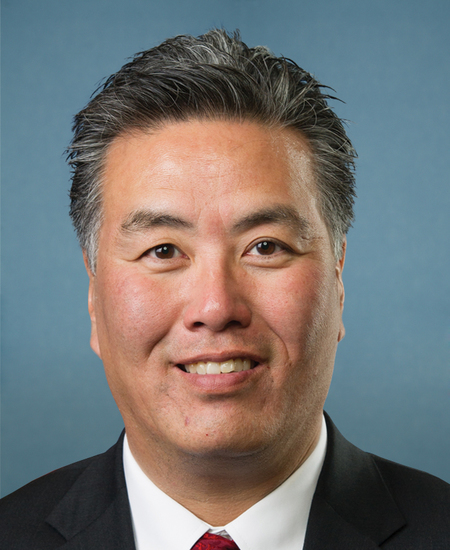
Rep. Mark Takano
Sponsored bills
Maddy summaryThis bill restores veterans' education benefits for periods spent at institutions later found to have fraud, closure, or approval issues. It prevents those periods from counting against a veteran's total benefit entitlement or lifetime limit. Educational institutions must repay the VA if they received benefits for veterans during these covered periods, including cases where courts found fraud or the school was closed for violations. The law applies to veterans using benefits under chapters 30, 31, 32, 33, 35, or 1606/1607 of title 38.
Maddy summaryThe IMPACT to Save Moms Act directs the Centers for Medicare & Medicaid Services to run a five-year demonstration project from 2027 to 2031, allowing states to test new payment models for maternity care under Medicaid and state child health plans. This initiative aims to improve health outcomes for pregnant and postpartum individuals, with a specific focus on reducing disparities among groups that experience higher rates of maternal mortality and severe complications. To achieve these goals, the project requires states to consider alternative payment structures that account for pregnancy risk levels, include diverse care teams with training on bias, and address social factors affecting health. The bill also mandates that the federal government evaluate the project's impact on health outcomes and spending, and submit a final report to Congress with recommendations on whether to expand the program nationwide.
Maddy summaryThe Restoring Overtime Pay Act of 2026 raises the minimum salary required for certain employees to be exempt from federal overtime pay rules, starting at $45,000 per year and increasing annually until it reaches $75,000 by 2029. The bill also mandates that this threshold automatically updates each year to match the 55th percentile of weekly earnings for full-time salaried workers nationwide, with adjustments taking effect based on Bureau of Labor Statistics data. Additionally, the law modifies the duties test for exemption, requiring that at least 20 percent of an employee's time be spent on executive or administrative tasks rather than the current 40 percent standard. These changes directly affect employers and workers covered by the Fair Labor Standards Act by redefining eligibility for overtime exemptions and establishing a new mechanism for adjusting salary requirements over time.
Maddy summaryH.Res. 1291 is a non-binding resolution that formally recognizes May 3 through May 9, 2026, as Wildfire Preparedness Week. The bill aims to raise public awareness about wildfire risks and promote educational initiatives regarding fire safety and evacuation planning. It highlights the dangers of smoke exposure for both the general public and firefighters while noting that human activity causes the majority of wildland fires. This measure does not change laws or allocate funding, but rather expresses the House of Representatives' support for these preparedness goals.
Maddy summaryThis resolution expresses the House of Representatives' preference for a trade policy that prioritizes American workers, consumers, independent farmers, small businesses, and the environment over corporate interests. It calls for trade agreements to include binding labor and environmental standards, fair wage guarantees, and strict rules of origin to prevent companies from moving jobs overseas. The measure also supports strengthening domestic manufacturing requirements, maintaining tariffs against unfair trade practices, and ensuring that public procurement favors American-made goods. Additionally, it urges the inclusion of provisions to protect data privacy, regulate artificial intelligence, and ensure affordable access to medicine while preventing monopolies.
Maddy summaryThe Maternal Health Pandemic Response Act allocates $200 million to the Centers for Disease Control and Prevention to improve data collection, surveillance, and research on how public health emergencies affect pregnant and postpartum individuals. This funding supports efforts to gather detailed demographic information on maternal health outcomes, establish regional centers of excellence, and expand surveys to better reach underrepresented communities. The legislation also requires the CDC to make this data publicly available in a disaggregated format while protecting patient privacy, and mandates public education campaigns to ensure accurate information reaches families and healthcare providers. Additionally, the bill creates a diverse task force to develop federal recommendations for respectful maternity care during emergencies, addressing issues such as telehealth access, doula coverage, and the treatment of mental health and substance use disorders. These measures aim to reduce health disparities and improve care quality for pregnant people from racial and ethnic minority groups during public health crises.
Maddy summaryThe Fraud Reduction And Uncovering Deception (FRAUD) in VA Disability Exams Act requires the Department of Veterans Affairs (VA) to establish a system for detecting and reporting fraud in disability benefit forms. This includes training VA staff to identify suspicious activity, conducting regular audits of all submitted forms, and reporting suspected fraud to the Inspector General. The VA must notify veterans if their submitted forms are under suspicion for fraud, though it cannot change final benefit decisions based on an investigation unless the veteran is convicted of fraud. The VA must also submit an annual report to Congress detailing how this system is implemented. These changes aim to strengthen fraud prevention in veterans' disability claims processing.
Maddy summaryThe Universal School Meals Program Act of 2026 mandates that all public schools provide free breakfast and lunch to every enrolled student, regardless of income. It establishes specific funding rates for these meals, adjusts payments based on the use of locally sourced food, and eliminates the ability of schools to collect debt for unpaid charges. Additionally, the bill expands free meal access to summer programs, afterschool care, and incarcerated juveniles while updating poverty measurement standards across various federal education and nutrition laws.
Maddy summaryThe EV Charging Accessibility Act directs the Architectural and Transportation Barriers Compliance Board to finalize a proposed rule ensuring electric vehicle charging stations are accessible to people with disabilities. This rule establishes minimum standards and guidelines for station design, which the Departments of Transportation and Justice must then adopt into federal regulations within 180 days. If the Board fails to complete the rule by the deadline, the proposed guidelines automatically become final without further action. The law primarily affects the government agencies responsible for setting and enforcing accessibility standards for public charging infrastructure.