

Issue · Housing
Housing
Every housing bill, vote, and legislator stance in Vermont, automatically classified by Maddy, our AI policy reader.
Total bills
103
2025-2026 Regular Session
Top supporter
Eric Maguire
89% support rate
Top opponent
Scott Campbell
17% support rate
Ranked legislators
10
5 support · 5 oppose
Key legislators
Who's moving housing in Vermont
| Legislator | Party | Stance | Support rate | Votes |
|---|---|---|---|---|
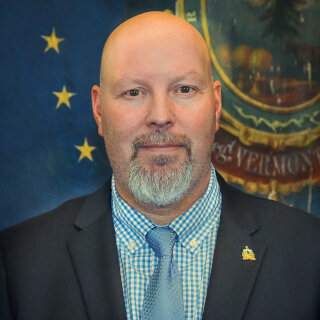
Eric Maguire
House · District Rutland-5
|
R |
Strong +
|
89% | 20 |

Laura Sibilia
House · District Windham-2
|
I |
Strong +
|
89% | 20 |
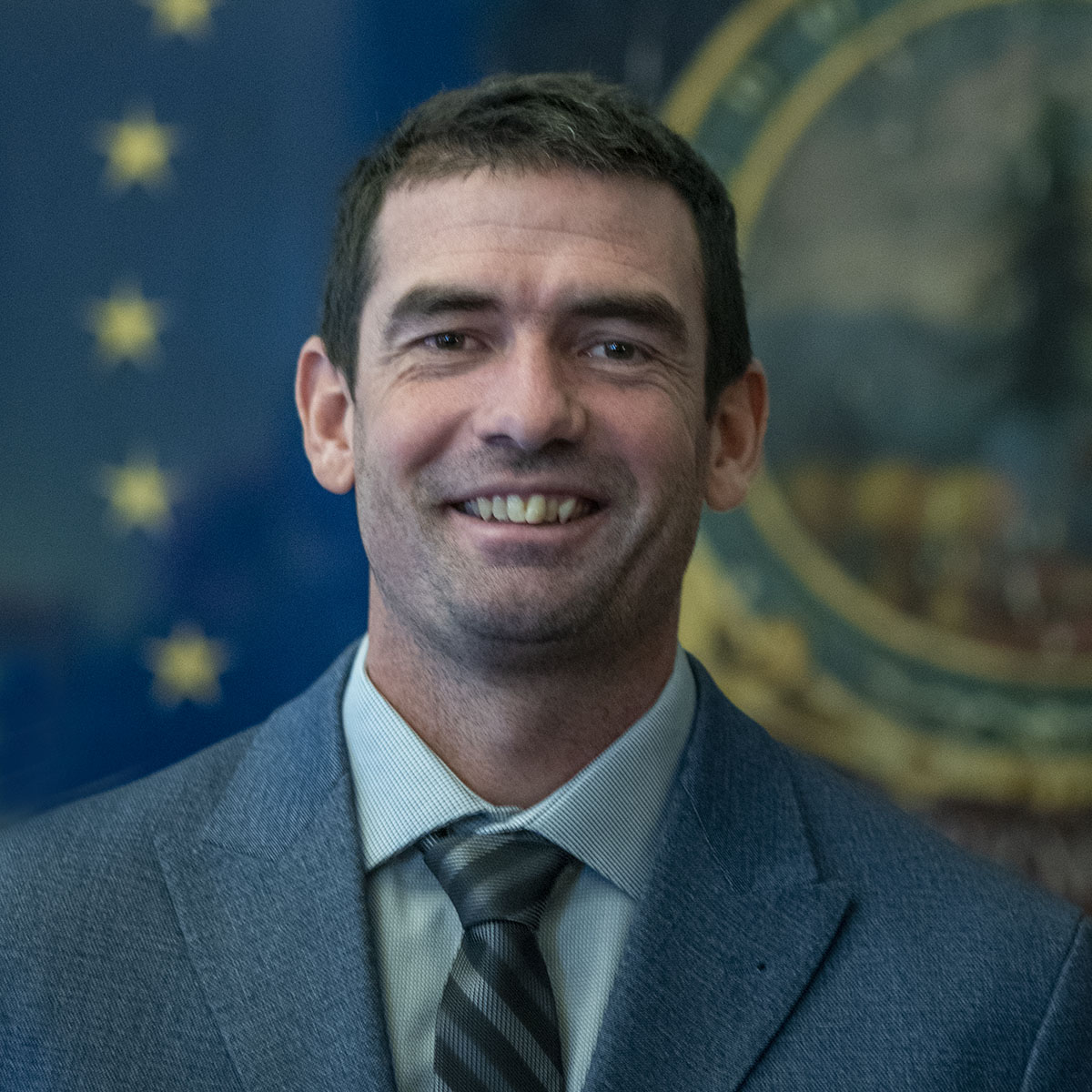
Greg Burtt
House · District Caledonia-Washington
|
R |
Strong +
|
89% | 20 |

Monique Priestley
House · District Orange-2
|
D |
Strong +
|
89% | 21 |
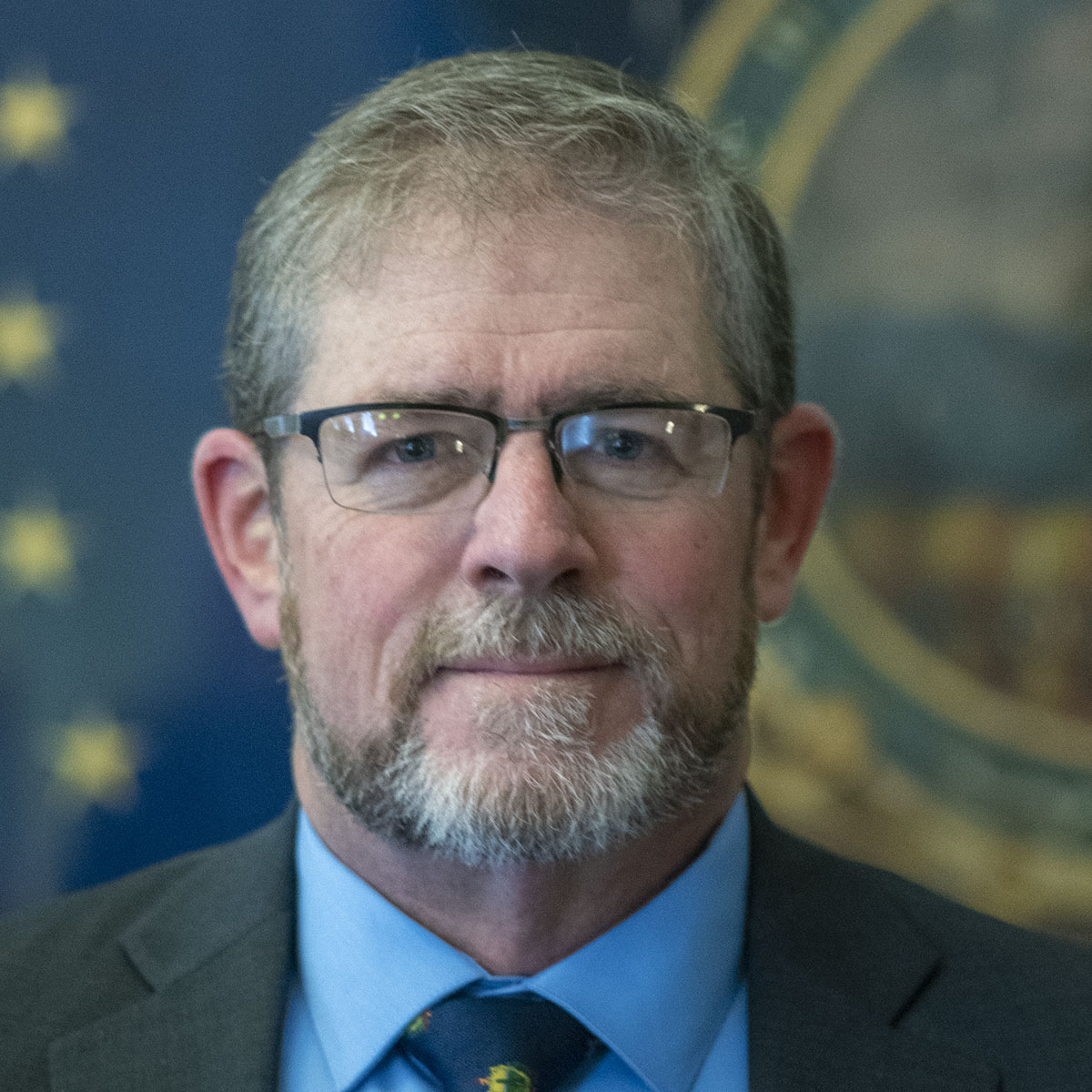
Tom Charlton
House · District Windsor-Windham
|
R |
Strong +
|
89% | 21 |
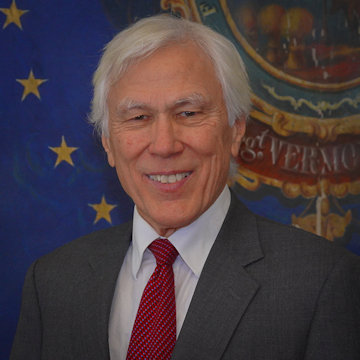
Scott Campbell
House · District Caledonia-Essex
|
D |
Strong −
|
17% | 18 |

Angela Arsenault
House · District Chittenden-2
|
D |
Oppose
|
22% | 21 |

Theresa Wood
House · District Washington-Chittenden
|
D |
Oppose
|
25% | 19 |

John Bartholomew
House · District Windsor-1
|
D |
Oppose
|
25% | 18 |

Zon Eastes
House · District Windham-1
|
D |
Oppose
|
29% | 14 |
Showing 11–20 of 103
bills
All housing bills
H 906: An act relating to reimbursing municipalities for services that address the impact of homelessness
Sub-Topics
Homelessness
H 860: An act relating to establishing the Justice and Recovery Hub and Spoke System Working Group
Topics
✓ Criminal JusticeSupports Criminal JusticeCreates recovery housing and residential facility for recently incarcerated individuals, directly supporting rehabilitation and reducing recidivism per criminal justice reform indicators.
✓ HousingSupports HousingCreates 200-bed residential facility for formerly incarcerated individuals and youth recovery housing, directly advancing housing access for vulnerable populations facing housing instability.
✓ TransportationSupports TransportationBill mandates spoke sites along public transit corridors, promoting use of existing transit infrastructure for hub locations.
H 885: An act relating to use of public lands by individuals for life-sustaining activities
Sub-Topics
Homelessness
S 204: An act relating to electric ratepayer assistance and utility disconnections
Topics
✓ Budget & TaxesSupports Budget & TaxesCreates state-funded program requiring budget allocation for low-income energy assistance, directly advancing fiscal support for essential services.
✓ EnergySupports EnergyBill protects low-income energy consumers through affordability programs and bans disconnections during extreme heat, aligning with energy equity and consumer protection indicators.
✓ HousingSupports HousingProvides utility assistance to low-income households, reducing a key cost of housing affordability and aligning with affordable housing goals.
Sub-Topics
Utility Regulation
H 610: An act relating to an energy navigator program report
Topics
✓ EnergySupports EnergyBill directs study for community energy navigator program to improve residential energy efficiency access, aligning with support indicators for consumer energy efficiency programs.
✓ EnvironmentSupports EnvironmentDirects study for energy efficiency navigator program aiding low-income households, promoting conservation and reduced emissions through access to rebates and upgrades.
✓ HousingSupports HousingTargets low/moderate-income housing occupants with energy efficiency support, reducing utility costs to improve housing affordability
Sub-Topics
Energy Efficiency
H 657: An act relating to various programming and requirements within the Department for Children and Families
Topics
✓ EducationSupports EducationEnables homeless youth to enroll in school without parental consent, directly expanding educational access for a vulnerable population.
✓ HealthcareSupports HealthcareBill explicitly enables unaccompanied homeless youth to access medical/dental care and mental health services without parental consent, improving healthcare access.
✓ HousingSupports HousingBill enables homeless youth (16+) to access housing services without parental consent, directly addressing homelessness and facilitating housing access for vulnerable populations.
H 678: An act relating to the creation of a housing pilot program in Washington and Lamoille Counties
Topics
✓ Budget & TaxesSupports Budget & TaxesBill dedicates property tax increments to fund housing, directing existing revenue toward affordable housing program, aligning with fiscal management and public service funding.
✓ HousingSupports HousingFunds 250 new affordable housing units via municipal debt and property tax increments, directly lowering rental costs and increasing homeownership access in target counties.
S 240: An act relating to developing State-owned affordable housing
Topics
✓ Budget & TaxesSupports Budget & TaxesAuthorizes $50M in bonds to fund affordable housing through a revolving fund, increasing state budget allocation for public housing program with self-sustaining repayment structure.
✓ HousingSupports HousingCreates Vermont Housing Production Revolving Fund with $50M bonds for state-owned affordable housing development targeting low/moderate-income households (≤150% AMI), funding permanent affordability through developer loans and repayments.
H 632: An act relating to miscellaneous environmental amendments
Topics
✓ Budget & TaxesSupports Budget & TaxesAllocates $6.1M ARPA funds for Healthy Homes Initiative, a public service program targeting low-income households.
✓ EnvironmentSupports EnvironmentBill allocates $6.1M for water/wastewater repairs (pollution control) and adjusts battery waste management (pollution control), supporting environmental protection.
✓ HousingSupports HousingAllocates $6.1M ARPA funds for Healthy Homes Initiative to repair water systems in low-income housing communities, directly funding affordable housing infrastructure.