

Maddy summarySB 316 modifies Utah law to clarify when public employees (like police officers or government workers) can recover attorney fees and court costs after being charged criminally for actions related to their job. It requires prosecutors' offices (municipal, county, district, or state) to pay 50% of these fees if the employee is acquitted or charges are dismissed, with one key change: the exception for dismissals by prosecutors now only applies if the dismissal happens more than 45 days after a preliminary hearing. The bill specifically limits this exception to charges filed as "information" (not indictments) and ensures employees aren’t barred from recovery if charges are dismissed within that 45-day window. This affects public employees facing criminal charges tied to their official duties, making it easier to recover legal costs in certain cases.
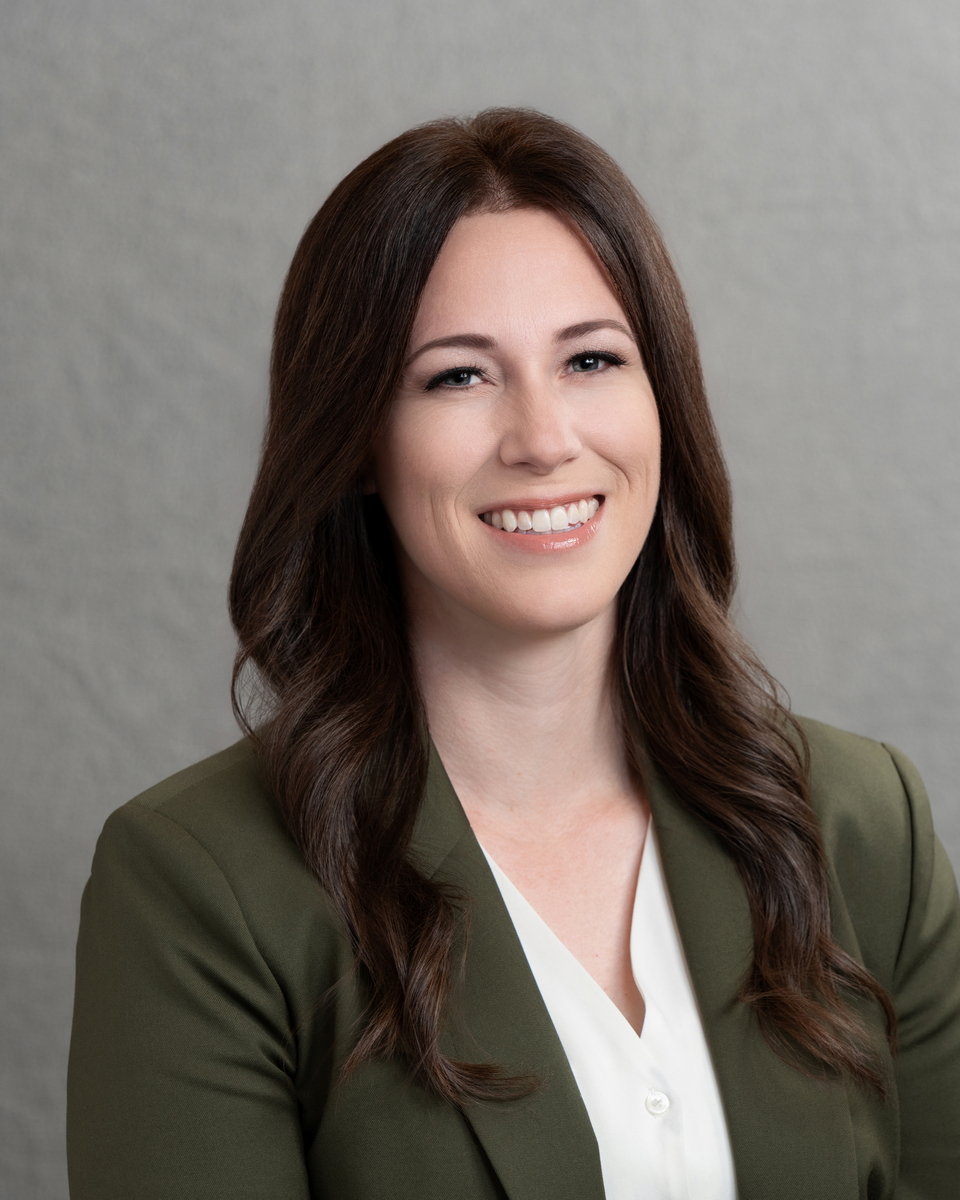
Sen. Stephanie Pitcher
Sponsored bills
Maddy summarySB 301 amends criminal procedure rules regarding summons for defendants released from jail before trial. It directly affects defendants, prosecutors, and magistrates by changing when prosecutors can file charges (after 60 days of release) and modifying requirements for magistrates releasing defendants. The bill adds that a presumption favoring defendants' release can be overcome if the defendant fails to appear on a served summons or if good-faith service attempts fail. These changes clarify procedural timelines and service requirements for pretrial releases.
Maddy summarySB 258 makes Utah's Infant at Work Program permanent, expanding it beyond the Department of Health and Human Services to allow other state executive agencies to join. The bill directly affects state employees with infants aged 6 weeks to 6 months who have worked at least 1,250 hours over 12 consecutive months. Key provisions require agencies to get approval from the Division of Human Resource Management, adopt written policies for workplace safety, and evaluate each employee’s eligibility based on their work environment and operational needs. The program allows eligible employees to bring their infants to work while maintaining sole responsibility for the infant’s care and safety during work hours.
Maddy summarySB 264 creates an exception allowing public officials running for office to include their photo in a regularly published public entity newsletter as part of a neutral, uniformly displayed candidate profile. This applies only if the profile appears alongside all other candidates in the same format, doesn’t promote or oppose any candidate, and is published outside the 60-day election period restriction. The bill modifies Utah Code §20A-11-1203.5 to permit this specific use of public funds for candidate profiles in standard newsletters. It makes no new funding changes and takes effect May 6, 2026.
Maddy summarySB 299 allows Utah candidates to use name variations like nicknames, middle names, or maiden names on ballots under specific conditions. To qualify, candidates must submit a written request by the candidacy deadline, along with their own sworn affidavit and affidavits from five non-family county residents confirming they are commonly known by the variation. The bill permits common variations (e.g., "J. Smith" instead of "John Smith" or "Mia" instead of "Maria") but prohibits offensive, misleading, or slogan-like names. This applies to all Utah election candidates seeking ballot access with a name different from their legal first and last name.
Maddy summarySB 171 allows non-domiciled individuals lawfully present in the U.S. and authorized to work to obtain a Utah commercial driver license with a "K" restriction. This license permits driving commercial vehicles only within Utah, not across state lines, and requires a signed statement acknowledging these limitations. The license expires when the individual's federal work authorization ends, and it does not qualify for interstate driving under federal rules. The bill updates Utah law to create this specific restriction while requiring applicants to meet all standard commercial driving standards.
Maddy summarySB 182 requires Utah county sheriffs to permit licensed attorneys to enter jails for client meetings under specific conditions. Attorneys must be licensed in good standing and inform the sheriff of their intent to meet a prisoner who is their current/former client, prospective client, or someone relevant to a criminal case. Sheriffs must provide a private meeting space during standard hours (8 a.m.-5 p.m., Monday-Friday, excluding holidays), though special circumstances may allow exceptions. The bill also allows sheriffs to designate staff to handle these requests and mandates public posting of designee contact details. This directly affects attorneys seeking jail access and sheriffs managing facility entry protocols.
Maddy summarySB 199 expands motor vehicle liability insurance coverage in Utah to explicitly include heirs of individuals who die in accidents. It amends minimum coverage limits to require insurers to cover "each heir" (as defined in Utah Code § 78B-3-105) for death-related claims, alongside the injured individual. Specifically, it increases the per-person death coverage from $25,000 to $30,000 and property damage coverage from $15,000 to $25,000 for policies issued after January 1, 2025. The bill takes effect on May 6, 2026, with no new funding required.
Maddy summarySB 177 requires businesses using algorithmic pricing (where prices change based on a consumer's personal data) to include a specific disclaimer when setting or displaying those prices. It directly affects suppliers - such as retailers or service providers - that regularly use algorithms to adjust prices for goods or services. The bill defines "algorithmic pricing" and makes it a deceptive practice to fail to provide the required disclaimer, as outlined in amended Utah Code Sections 13-11-3 and 13-11-4. This policy change mandates clear disclosure to consumers about algorithm-driven pricing without introducing new funding or broad regulatory changes.
Maddy summaryHB 346 amends the definition of "position of special trust" specifically for aggravated sexual abuse of a child offenses in Utah law. This technical update ensures consistency across multiple statutes, including those requiring certain professionals (like licensed health care providers) to report suspected threats in school settings. The bill does not create new reporting requirements or change existing obligations but aligns legal references to the updated definition. No funding is appropriated, and the changes are purely procedural to maintain clarity in the code.