

Maddy summaryHB 349 establishes a framework for state-funded loans to support water storage projects like dams and reservoirs. It authorizes using the existing Water Infrastructure Restricted Account to provide loans for projects such as developing Utah's share of the Bear and Colorado rivers, repairing federal water infrastructure, or expanding water storage capacity, with repayment terms set by the Division of Water Resources. Local sponsors (including cities, counties, tribes, and water districts) must meet specific conservation requirements - like requiring new developments to follow strict water-use standards - to qualify for certain loans. The bill also creates reporting requirements and rulemaking processes for loan approvals and repayment, using existing funds without new appropriations. It directly affects entities planning or building water infrastructure projects seeking state financial assistance.
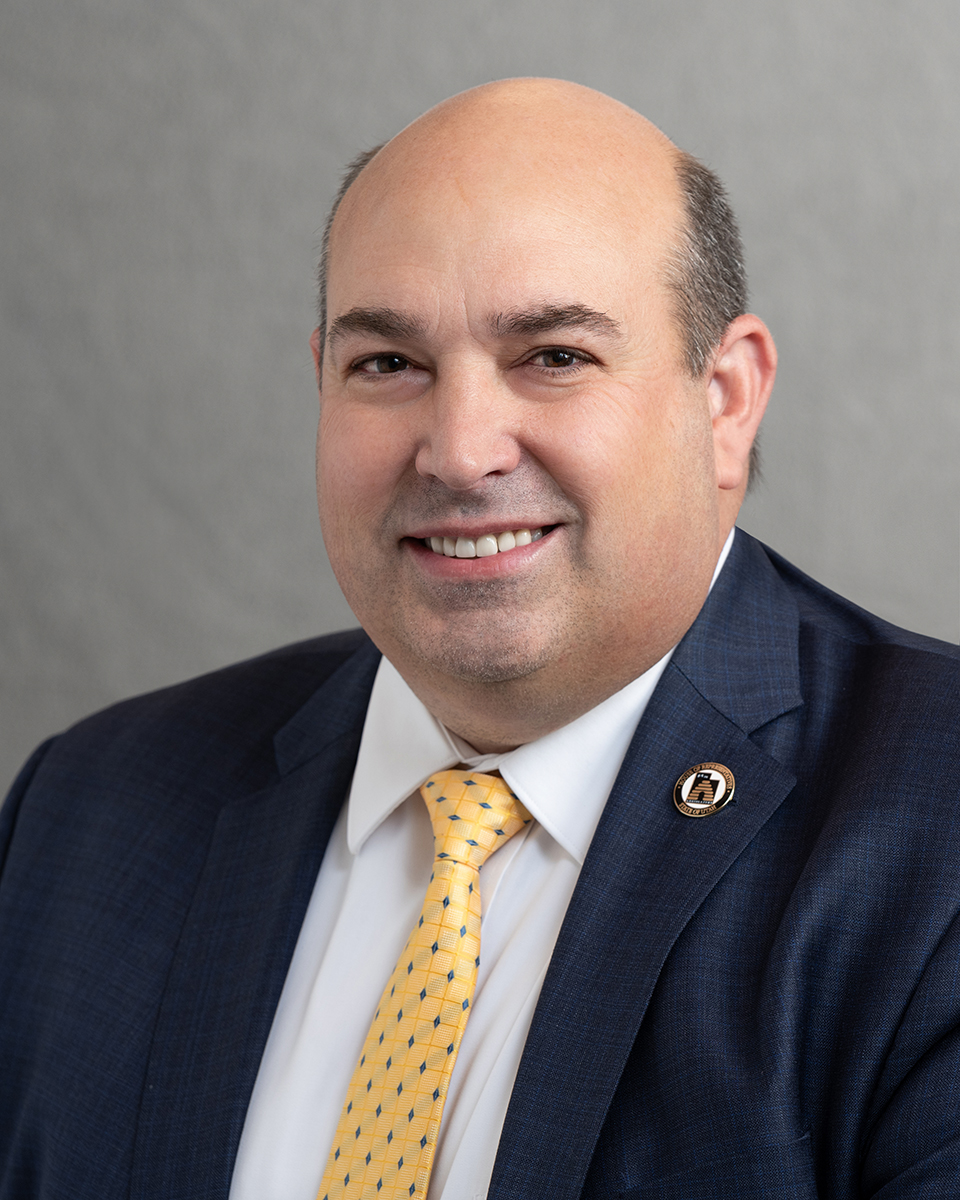
Rep. Walt Brooks
Sponsored bills
Maddy summaryHB 176 updates Utah's county classification system by raising population thresholds for county classes. For example, a first-class county now requires 1,150,000 residents (up from 1,000,000), while second-class counties now need 260,000 residents (up from 175,000). The bill also adjusts a sales tax exemption for airports in certain counties and makes technical changes to related statutes. These modifications directly affect how Utah counties are categorized for governance and funding purposes. The changes take effect immediately upon the bill's passage, with no new state funding required.
Maddy summarySB 283 modifies Utah state financial management rules. It allows the State Tax Commission to use administrative funds for operational costs, lets the Department of Cultural and Community Engagement disburse from the Nonprofit Capacity Fund, and gives the Utah Board of Higher Education flexibility to reallocate funds between specific budget items. The bill also restricts fee agencies from charging more than legislated amounts without notice, prohibits exceeding approved fees, and repeals several specific funds including the Utah Natural Resources Legacy Fund and the Mathematical Equations Act. No new money is appropriated, and the changes affect state agencies managing state accounts.
Maddy summarySB 71 adjusts Utah's tax credit for Social Security benefits by raising the income thresholds that determine eligibility. It increases the income limits where the credit begins to phase out: from $37,500 to $45,000 for married couples filing separately, $45,000 to $54,000 for single filers, and $75,000 to $90,000 for heads of household or joint filers. This change allows more Utah residents receiving Social Security benefits to qualify for the credit without reduction. The bill takes effect for tax years beginning January 1, 2025, and applies retroactively to that year.
Maddy summarySB 64 amends Utah's medical cannabis regulations with administrative updates affecting pharmacies, couriers, and processing facilities. Key changes include allowing the licensing board to renew courier licenses year-round (not just in December), permitting processing facilities to operate at second locations under specific conditions, and requiring pharmacies to use opaque containers for patient transport. The bill also updates reporting requirements, removes outdated provisions (like the Cannabis Research Review Board), and aligns definitions with other legislation. These changes streamline operations without introducing new funding or altering patient access.
Maddy summaryHB 86 strengthens homeowners' access to association records and clarifies governance rules. It increases penalties for associations that fail to provide required documents (raising daily fines to $25 and statutory damages to $1,000), requires associations with websites to offer free online access to key documents (governing documents, minutes, budget), and prohibits developers from using association funds to defend against homeowner lawsuits during initial control periods. The bill directly affects homeowners seeking records and homeowners' associations managing those records, while also restricting how developers can use association funds during early project control. These changes update Utah law to improve transparency and accountability in HOA operations.
Maddy summaryHB 80 creates a new criminal offense called "aggravated disorderly conduct on a street or highway" for intentionally obstructing traffic on roads with a 40+ mph speed limit or at least two lanes in one direction, after refusing a law enforcement officer's order to move. This specifically affects individuals who block traffic in high-traffic areas, not general public disturbances. Violations are classified as a class B misdemeanor (or class A if the person was previously convicted of the same offense within a year). The bill takes effect on May 7, 2025, and does not appropriate funds.
Maddy summarySB 8 is a fiscal 2026 budget bill that allocates $11.6 million in state funds for operating and capital needs across multiple state agencies, including the Governor's Office, Attorney General's Office, Department of Corrections, and Judicial Council. It adjusts funding levels for specific programs like criminal justice services, indigent defense, and correctional operations, with $7.3 million coming from the General Fund. The bill authorizes state agency fees and internal service fund rates to support agency operations and accounts for budget impacts from these rate changes. It takes effect July 1, 2025, and directly affects state agencies by providing their FY2026 funding allocations.
Maddy summaryHB 92 modifies Utah law to clarify when private individuals may temporarily detain others and use force, replacing the term "arrest" with "temporary detention." It requires private individuals to immediately contact law enforcement during a detention (unless someone already has), limits detentions to the time until police arrive, and permits only reasonable force during the detention. The bill also provides civil and criminal liability protection for private individuals acting in good faith during lawful temporary detentions, while strictly prohibiting deadly force except under specific circumstances. This directly affects private citizens who might detain someone on their property or in response to a perceived crime.
Maddy summaryHB 8 provides funding for pay raises and benefits for state employees, directly affecting state agency workers, elected officials, judges, and higher education staff. It includes a 2.5% base pay increase for state agencies, a 2.5% discretionary raise for elected officials/judiciary/higher ed, and a 1% one-time performance bonus for all state employees. The bill also covers health benefit adjustments, retirement rate changes, and a $26-per-pay-period match for employees in retirement plans. This budget measure appropriates over $136 million for fiscal year 2026 to implement these compensation changes.