

Maddy summaryHB 508 streamlines how Utah's higher education institutions request funding for capital facility projects. It establishes the Higher Education Appropriations Subcommittee to review these requests and sets new rules, including raising the maximum project cost for direct state entity supervision from $100,000 to $1.5 million. The bill requires institutions to complete architectural programming before design/construction funding requests and mandates memorandums of understanding with the Division of Facilities Construction and Management for self-supervised projects. It also prohibits using the division's contingency reserves for such projects and gives the division authority to take over deficient projects. The bill makes no new money appropriations but clarifies existing funding processes and requirements.
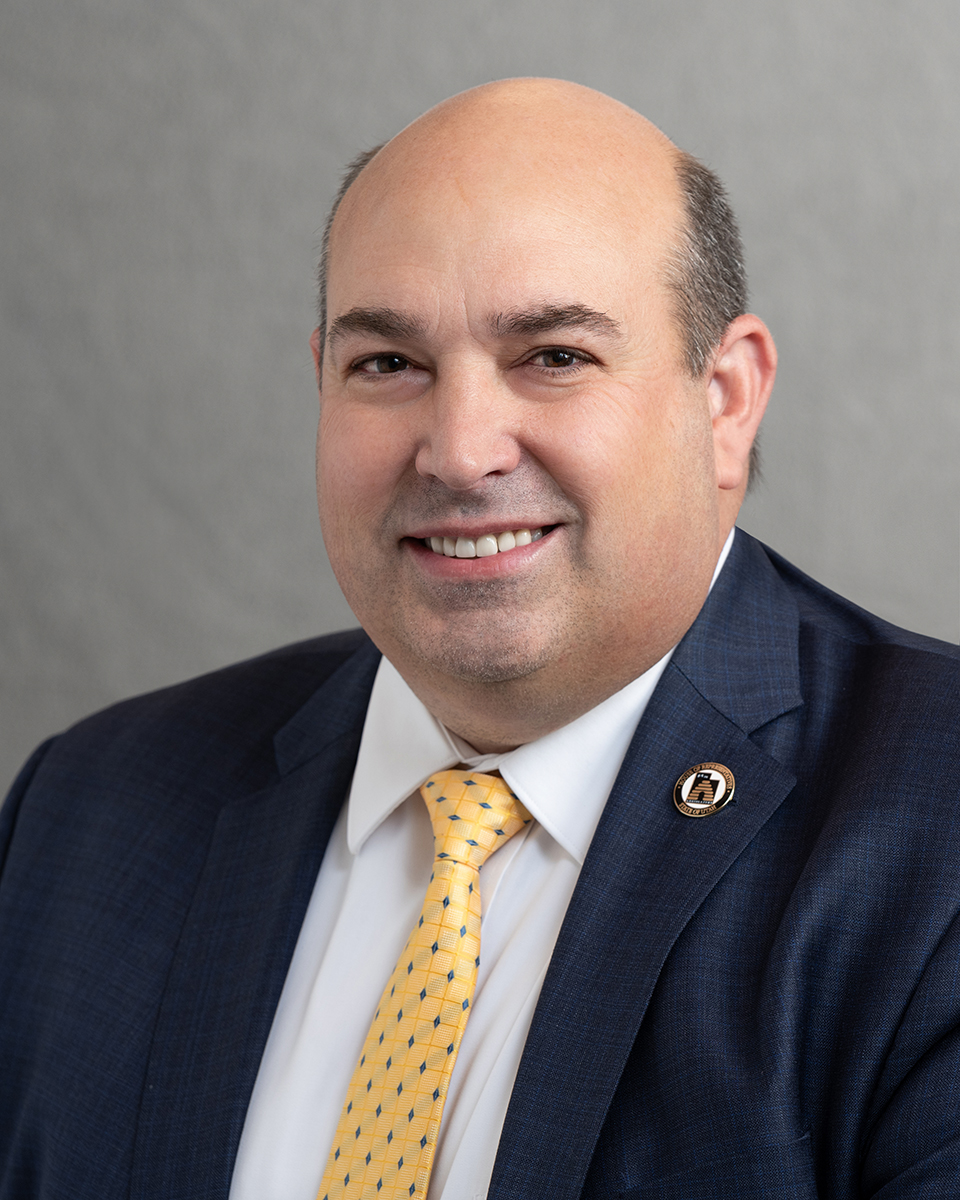
Rep. Walt Brooks
Sponsored bills
Maddy summarySB 8 provides funding for compensation adjustments for Utah state employees and higher education staff for fiscal years 2026 and 2027. It includes a 1% labor market pay increase, funding for health/dental benefit changes, retirement rate adjustments, and a $26-per-pay-period retirement plan match. The bill appropriates $124.5 million for 2027 (with significant portions from General and Income Tax Funds) to cover these specific employee compensation changes. It directly affects all state employees and higher education personnel covered by these funding provisions. The bill focuses on operational budget adjustments rather than new policy mandates.
Maddy summaryHB 8 is a budget bill that allocates funding for Utah state agencies during fiscal years 2026 and 2027. It adjusts existing appropriations for agencies like the Department of Corrections, Attorney General’s office, and criminal justice commissions by authorizing specific agency fees and internal service fund rates. The bill appropriates over $14 million for 2027 operations, including $4.1 million from the General Fund and $1.3 million from the Income Tax Fund, while also making adjustments for prior-year funding impacts. It directly affects state government operations by determining how agencies budget for services, staff, and programs without creating new policies or regulations.
Maddy summarySB 121 amends Utah's medical cannabis program to clarify rules and improve accessibility for patients and providers. Key changes include allowing legal guardians to obtain medical cannabis cards for incapacitated adults, creating a voucher program for patients to access cannabis or devices, and updating transportation and safe storage requirements for deliveries. The bill also streamlines administrative processes, such as revising how providers access patient information and simplifying identification requirements for cardholders. These changes affect medical cannabis patients, licensed providers, and delivery services operating under Utah's current program.
Maddy summaryHB 84 repeals a prior restriction on carrying firearms at Utah's public colleges and universities. It allows individuals aged 18 to 20 without concealed carry permits to carry **unloaded** firearms openly on campus grounds, but prohibits them from carrying **loaded** firearms there. The bill clarifies that 18-20 year olds may carry unloaded firearms in any public location not prohibited by law, while maintaining existing rules for other age groups and locations. These changes apply specifically to state-run higher education institutions in Utah.
Maddy summarySB 193 adds Good Friday as a legal holiday in Utah, making it the 11th official state holiday. This change directly affects state employees, public schools, and businesses that follow Utah's legal holiday schedule, requiring them to close or provide holiday pay on this day. The bill amends Utah Code Section 63G-1-301 to explicitly include "the Friday preceding Easter Sunday, Good Friday" in the list of legal holidays. It also makes minor technical adjustments to the holiday calendar without appropriating funds. The bill takes effect on May 6, 2026.
Maddy summaryHB 182 prohibits Utah medical and genomic research facilities from using genetic sequencers or software developed by foreign adversaries (as defined by federal law) or storing genetic data within foreign adversary countries. It requires facilities to certify compliance with these rules by December 2028 and every decade thereafter, while banning remote access to non-public genetic data by entities in foreign adversary nations without written approval. Violations carry $10,000 fines per instance, enforced by the attorney general, who may also pursue civil actions for damages. The bill protects employees who report suspected violations to the attorney general from workplace retaliation. It takes effect January 1, 2028.
Maddy summaryHB 165 establishes security protocols for Utah's critical infrastructure (like power grids, water systems, and state data networks) by addressing risks from foreign adversary technology. It requires the Utah Cyber Center to create annual guidance for state agencies on assessing risks from foreign adversary tech, prohibits state contracts with such companies for critical infrastructure, and bans federally banned equipment. Agencies may request voluntary security assessments for existing or planned foreign adversary technology use, though recommendations are advisory only and don't mandate contract changes or technology transitions. The bill directly affects all state agencies operating critical infrastructure systems and takes effect May 6, 2026.
Maddy summaryHJR 13 proposes amending Utah's constitution to create a special process for voters to decide whether a judge should remain in office if the Legislature determines the judge engaged in misconduct, incompetence, or violated their oath. It would allow the Legislature to trigger this special retention election even if the judge might face impeachment or disciplinary action under other constitutional provisions. The special election would replace a regular retention vote if both were scheduled for the same year, while judges would still face regular retention elections every 6-10 years depending on their court. If approved by voters, this amendment would take effect on January 1, 2027.
Maddy summaryHB 281 amends Utah's workers' compensation law to address cannabis use by injured workers. It creates a presumption that reduces or denies compensation if an employee’s injury is linked to cannabis use, specifically when THC levels exceed 20 nanograms per milliliter of whole blood. Employees can challenge this presumption by providing evidence, such as proof of test inaccuracy, medical verification, or showing passive inhalation (if THC is below 20 ng/ml). The bill clarifies definitions of cannabis compounds (excluding CBD and others) and applies to workers’ compensation claims involving cannabis-related injury contributions. It does not appropriate funds or alter existing testing procedures beyond the new THC threshold.