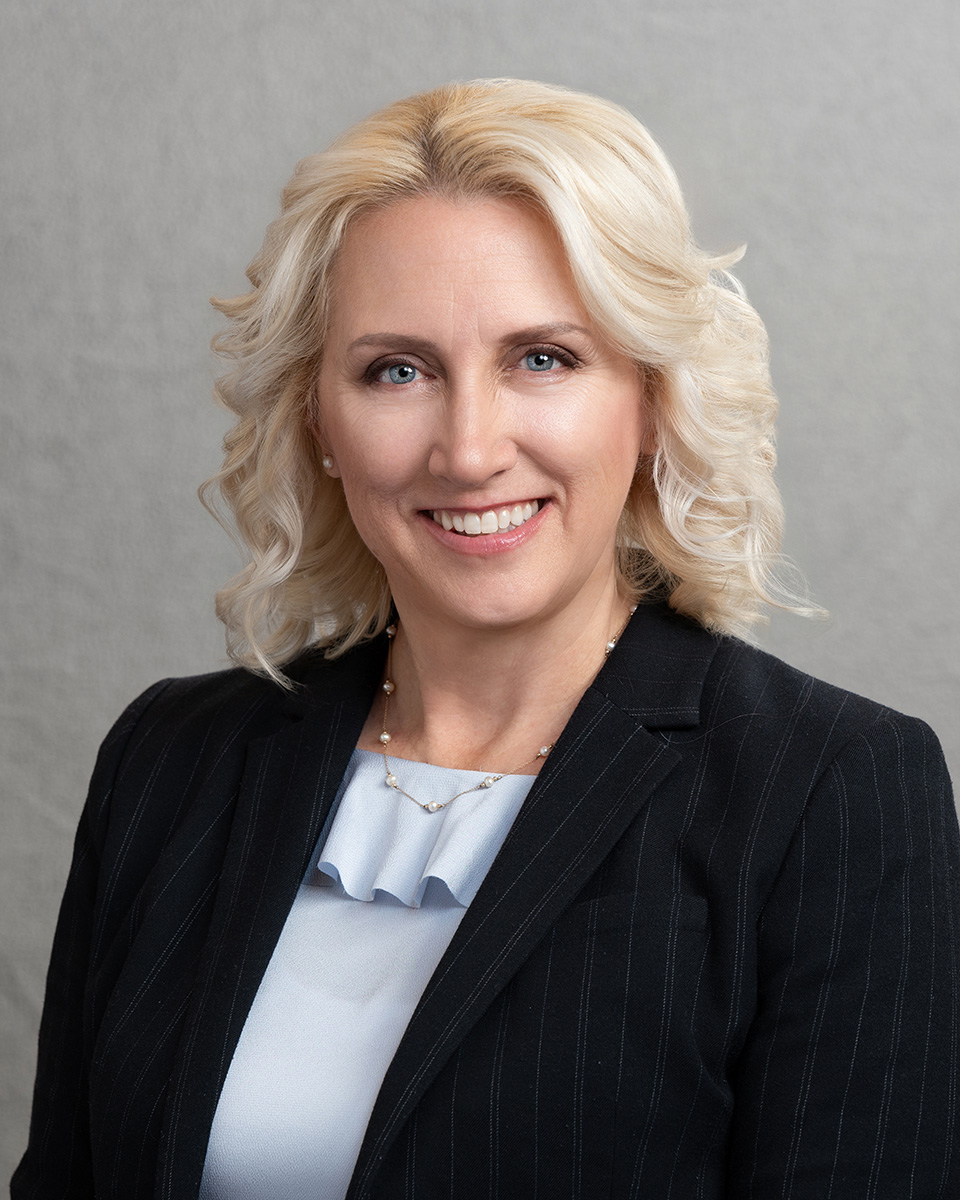
Photo of Karianne Lisonbee
R Utah House · District 14

Rep. Karianne Lisonbee

Compare
Total votes
4,989
all sessions
Attendance
90%
393 missed
Lower than 90% of chamber peers
With party
95%
of cast votes
Lower than 90% of chamber peers
Bipartisan score
3%
crosses aisle rarely
Higher than 88% of chamber peers
Sponsored
102
bills & resolutions
Higher than 80% of chamber peers
Committees
4
assignments
102 bills and resolutions

Sponsored bills

Total
102
Primary
67
Co-sponsor
35
This page
102
matching current filters
Primary HB 480
Passed · Utah House · Lead sponsor
Medical Record Amendments

Maddy summaryHB 480 amends Utah's medical record laws to clarify abortion classifications. It defines "elective abortion" as one not needed for health reasons and "medically indicated abortion" as one required to save a woman's life, treat a pregnancy loss, or address serious health risks. The bill allows patients to request that their medical records reflect a prior abortion as "not elective" (i.e., medically necessary), and requires healthcare providers to update records upon such a request. These changes affect patients who have had abortions and the healthcare providers maintaining their records, with no new funding or major procedural shifts.

Passed Mar 7, 2026 0 co-sponsors
Co-sponsor SB 213
Passed · Utah Senate · Co-sponsor
Utah Payment of Wages Act Statute of Limitations

Maddy summaryThis bill changes Utah's wage law by setting a one-year time limit for employees to sue employers over unpaid wages exceeding $10,000. For claims under $10,000, employees must first use administrative processes before filing a lawsuit, unless they combine claims (with other employees or additional claims against the same employer) totaling over $10,000. The law also adds daily penalties of 2.5% for unpaid wages after a court order. It directly affects employees seeking unpaid wages and employers who owe them. The bill takes effect May 6, 2026.

Passed Mar 7, 2026 1 co-sponsor
Primary HB 234
Failed · Utah House · Lead sponsor
Education Testing Amendments

Maddy summaryHB 234 creates a temporary "Alternative Statewide Testing Pilot Program" allowing Utah local school districts (LEAs) to use non-traditional testing methods instead of standard state assessments. The program requires the State Board of Education to select a testing provider through procurement, sets specific rules for participating districts, and mandates an annual report to the Education Interim Committee. The pilot is set to expire on July 1, 2027, and does not appropriate new state funds. This bill directly affects school districts opting into the pilot and the State Board of Education responsible for oversight.

Failed Mar 7, 2026 0 co-sponsors
Primary HB 435
Introduced · Utah House · Lead sponsor
State Policy on Judea and Samaria

Maddy summaryHB 435 requires Utah state agencies to refer to land controlled by Israel (restored after the 1967 Six-Day War) as "Judea and Samaria" in all official government materials, including rules, press releases, and publications. It specifically prohibits the use of the term "West Bank" in these materials, defining "official government material" broadly to cover all state communications. This procedural bill affects all Utah state departments and officials who produce or distribute government content, changing only the terminology used in state documents without altering land policies or funding.

Introduced Mar 7, 2026 0 co-sponsors
Primary HB 20
Signed into law · Utah House · Lead sponsor
Correctional Facility Capacity Amendments

Maddy summaryHB 20 creates a new "Corrections Facility Expansion Restricted Account" within Utah's General Fund to specifically fund the expansion of existing or construction of new state correctional facilities. The account would be funded by portions of new appropriations for capital facility costs, one-time savings from population-related fiscal impacts (starting Year 2), interest earnings, and future legislative appropriations. This bill directly affects the Utah Department of Corrections by establishing a dedicated funding mechanism for facility infrastructure, while prohibiting the use of these funds for any other purpose. The bill takes effect on May 6, 2026, unless passed by a two-thirds vote with specific timing requirements.

Signed into law Mar 7, 2026 0 co-sponsors
Co-sponsor SJR 2
Passed · Utah Senate · Co-sponsor
Joint Resolution Regarding Constitutional Brackets

Maddy summaryThis resolution removes brackets surrounding section titles in the Utah Constitution, treating it as a technical editing change rather than a substantive amendment. It directs the Office of Legislative Research and General Counsel to prepare all future constitutional amendment resolutions and published versions of the constitution without these brackets. The bill does not alter constitutional content or affect citizens, as it only addresses formatting in official legal documents.

Passed Mar 3, 2026 1 co-sponsor
Primary HB 50
Signed into law · Utah House · Lead sponsor
Child Protection Ombudsman Amendments

Maddy summaryHB 50 amends Utah's child protection ombudsman system to better support parents and children in state custody cases. It requires the ombudsman to accept complaints from parents directly, provide clear rights information on their website, and submit annual reports to legislative committees. The bill also mandates that police or child welfare workers inform parents about the ombudsman when removing a child into protective custody. These changes aim to increase transparency and accessibility for families navigating child welfare proceedings, without altering funding or creating new programs.

Signed into law Feb 27, 2026 0 co-sponsors
Primary HB 562
Signed into law · Utah House · Lead sponsor
Law Enforcement and Criminal Justice Amendments

Maddy summaryHB 562 amends Utah's criminal justice laws to improve probation standards, restitution handling, and pretrial procedures. It requires counties offering probation services to adopt standards set by the Utah Sheriffs' Association and mandates the Office of State Debt Collection to provide detailed accountings of unpaid restitution at sentence termination. The bill also adds requirements for courts to document pretrial release decisions, establishes a financial condition schedule for setting bail, and clarifies that certain restitution decisions by the Board of Pardons and Parole are final. These changes directly affect county probation departments, courts, and individuals convicted of crimes who owe restitution.

Signed into law Mar 27, 2025 0 co-sponsors
Primary HB 312
Signed into law · Utah House · Lead sponsor
Criminal Justice Amendments

Maddy summaryHB 312 modifies Utah's criminal justice system to address jail overcrowding and related procedures. It restricts county sheriffs from releasing individuals for overcrowding if they face charges for violent crimes, certain drug offenses, or have prior arrests for similar charges. The bill also prohibits using state funds for syringe exchange programs, bans housing inmates in private facilities except for federal immigration or civil detention, and adds strangulation to domestic violence offenses involving children. These changes directly affect county sheriffs, probation programs, and public health initiatives, with new reporting requirements for overcrowding-related releases.

Signed into law Mar 26, 2025 0 co-sponsors
Co-sponsor SB 55
Signed into law · Utah Senate · Co-sponsor
Unauthorized Use of Real Property Amendments

Maddy summarySB 55 creates a new process for property owners to request immediate law enforcement assistance to remove trespassers who unlawfully occupy real property under specific conditions (e.g., after being directed to leave, not being a tenant or family member). It establishes a criminal penalty for trespassers causing $1,500 or more in property damage (a second-degree felony) and imposes felony charges for fraudulent activities like selling property without legal title, falsely advertising rentals, or presenting fake lease agreements. Property owners gain civil remedies, including triple damages or $500, whichever is greater, plus attorney fees. The law directly affects property owners seeking to regain control of their property, trespassers causing significant damage, and individuals committing fraud in real estate transactions. It amends Utah Code sections 76-6-206, 76-6-106.2, and adds new sections 76-6-525 and 78B-6-817, with no funding required.

Signed into law Mar 26, 2025 1 co-sponsor
Showing 11 to 20 of 102 bills