Maddy summaryThis bill provides tax relief to new car dealers who sold inventory due to supply chain disruptions between March 2020 and January 2022. It allows dealers using the LIFO tax accounting method to avoid recognizing income from those sales in the year they occurred, instead deferring tax consequences until they replace the sold vehicles. Dealers have until 2026 to repurchase similar vehicles; if they fail to fully replace the inventory within this window, they must pay back the tax plus interest. The relief directly affects new car dealers who held LIFO inventory during the specified period and are subject to IRS tax rules.
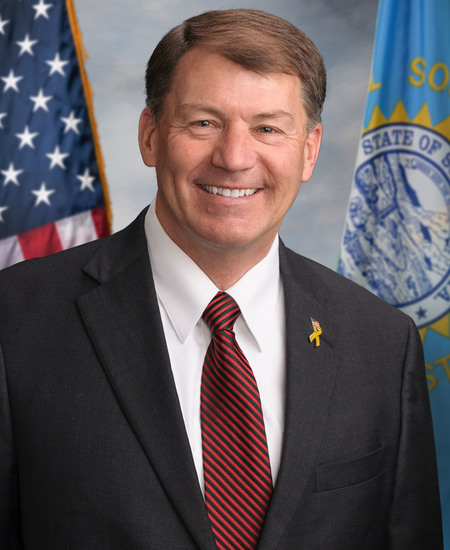
Sen. Mike Rounds
Sponsored bills
Maddy summaryS 444 requires the U.S. Senate to approve any World Health Organization (WHO) pandemic preparedness treaty before it becomes binding on the United States. The bill mandates that agreements resulting from the WHO’s pandemic treaty negotiations (currently led by the International Negotiating Body) must be treated as treaties under the U.S. Constitution, requiring Senate ratification with a two-thirds vote. It directly affects U.S. foreign policy implementation by ensuring congressional oversight of international pandemic agreements. The bill responds to concerns about WHO’s pandemic management and aims to prevent executive agreements from bypassing Senate review.
Maddy summaryThis bill prohibits the IRS from requiring financial institutions to report new types of account activity, such as deposits, withdrawals, balances, or transaction details. It directly affects banks and other financial institutions that might otherwise be mandated to share this data. The law blocks any new reporting requirements but allows existing programs (in place when the bill passes) to continue. It does not change current IRS data collection practices under existing laws. The bill aims to limit the scope of financial data the government can access from financial institutions.
Maddy summaryThis resolution (SRES 63) is a symbolic Senate measure formally celebrating Black History Month. It acknowledges the contributions of African Americans to U.S. history and society, recognizes the origins of Black History Month (beginning as Negro History Week in 1926), and encourages nationwide reflection on this history. The resolution does not create new laws or policies but serves as a formal Senate acknowledgment of the significance of Black History Month in February. It aims to honor the legacy of African American pioneers and promote learning about their impact on the nation.
Maddy summaryThis bill requires federal financial regulators (like the Federal Reserve or SEC) to analyze how new rules would affect food, electricity, and fuel prices before implementing them. Specifically, it mandates that regulators provide detailed, multi-year price impact estimates - broken down by Consumer Price Index categories - when proposing rules affecting agricultural or energy supply chain businesses. Regulators cannot adopt such rules if the analysis shows price increases, unless the annual Consumer Price Index growth is below 4.5%. The law directly affects businesses in food/energy supply chains and the federal agencies that write financial regulations.
Maddy summaryThe Build the Wall Now Act (S 422) requires the immediate resumption of border barrier construction along the U.S.-Mexico border that was underway or planned before January 20, 2021, prohibiting cancellation of existing contracts and directing use of previously appropriated funds for this purpose. The bill mandates honoring agreements with states, local governments, and tribes related to border barrier construction and amends existing law to change definitions of border barriers and construction requirements. It grants the Secretary of Homeland Security broad waiver authority to bypass numerous environmental, historical, and other legal requirements that would otherwise apply to border barrier construction. This legislation directly affects border communities, environmental regulations, and the Department of Homeland Security's operations along the southern border.
Maddy summaryThis joint resolution (SJRES 7) seeks congressional disapproval of a 2023 rule defining "Waters of the United States" (WOTUS), which would have changed how federal agencies regulate wetlands and waterways. It targets a rule jointly issued by the Army Corps of Engineers, EPA, and other agencies (88 Fed. Reg. 3004, Jan. 18, 2023), directly affecting landowners, developers, and environmental regulators by altering jurisdiction over water resources. If passed, the resolution would nullify the rule under a specific disapproval process in Title 5 of U.S. Code, preventing it from taking effect. The resolution does not create new regulations but aims to block an existing federal rule. This is a procedural step, not a new law.
Maddy summaryThis joint resolution (SJRES 12) seeks congressional disapproval of the District of Columbia Council’s approval of the Revised Criminal Code Act of 2022 (D.C. Act 24-789). It directly affects D.C. residents and local government, as the resolution targets the District’s newly enacted criminal code. The mechanism is a formal congressional disapproval under the District of Columbia Home Rule Act, requiring passage by both chambers to block the D.C. law from taking effect. The resolution does not alter the D.C. code itself but aims to halt its implementation through federal action.
Maddy summarySRES 45 is a non-binding Senate resolution introduced on February 9, 2023, by a group of senators expressing the Senate's view that the current migration levels at the U.S. southern border constitute a crisis. This resolution does not create new laws or policies, nor does it directly affect any individuals or groups - it serves solely as a symbolic statement of the Senate's position. It contains no concrete policy mechanisms or implementation plans, as resolutions of "sense" are typically used for expressing opinions rather than enacting change. The resolution was referred to the Senate Judiciary Committee but has no legal effect.
Maddy summaryThis bill provides targeted support for smaller and very small poultry and meat processing facilities to comply with federal food safety regulations. It requires the USDA to create a free database of validation studies and publish model HACCP plans tailored to different facility types (slaughter-only, processing-only, and both), while increasing federal funding for state inspection programs from 50% to 65%. The bill also establishes a $20 million annual grant program to help small processors improve safety, capacity, and resilience, with priority given to facilities serving farmers within 200 miles. Additionally, it creates training programs for meat processing workers at community colleges and through simplified grant applications for small facilities. These provisions aim to make compliance with food safety standards more accessible for small local processors.