Maddy summaryHR 3807, the FAST Act, authorizes the Department of Defense to purchase artificial intelligence-related software and data using flexible, subscription-based models (like "software as a service" or "data as a service") instead of traditional one-time purchases. It allows the DoD to use existing funding for these acquisitions and requires new regulations to govern how such procurements are managed and overseen. The bill directly affects the DoD’s AI development efforts by changing procurement rules to enable faster access to modern technology. Key provisions include permitting cloud-based data/software delivery, modifying existing software, and requiring oversight rules for AI system acquisitions.
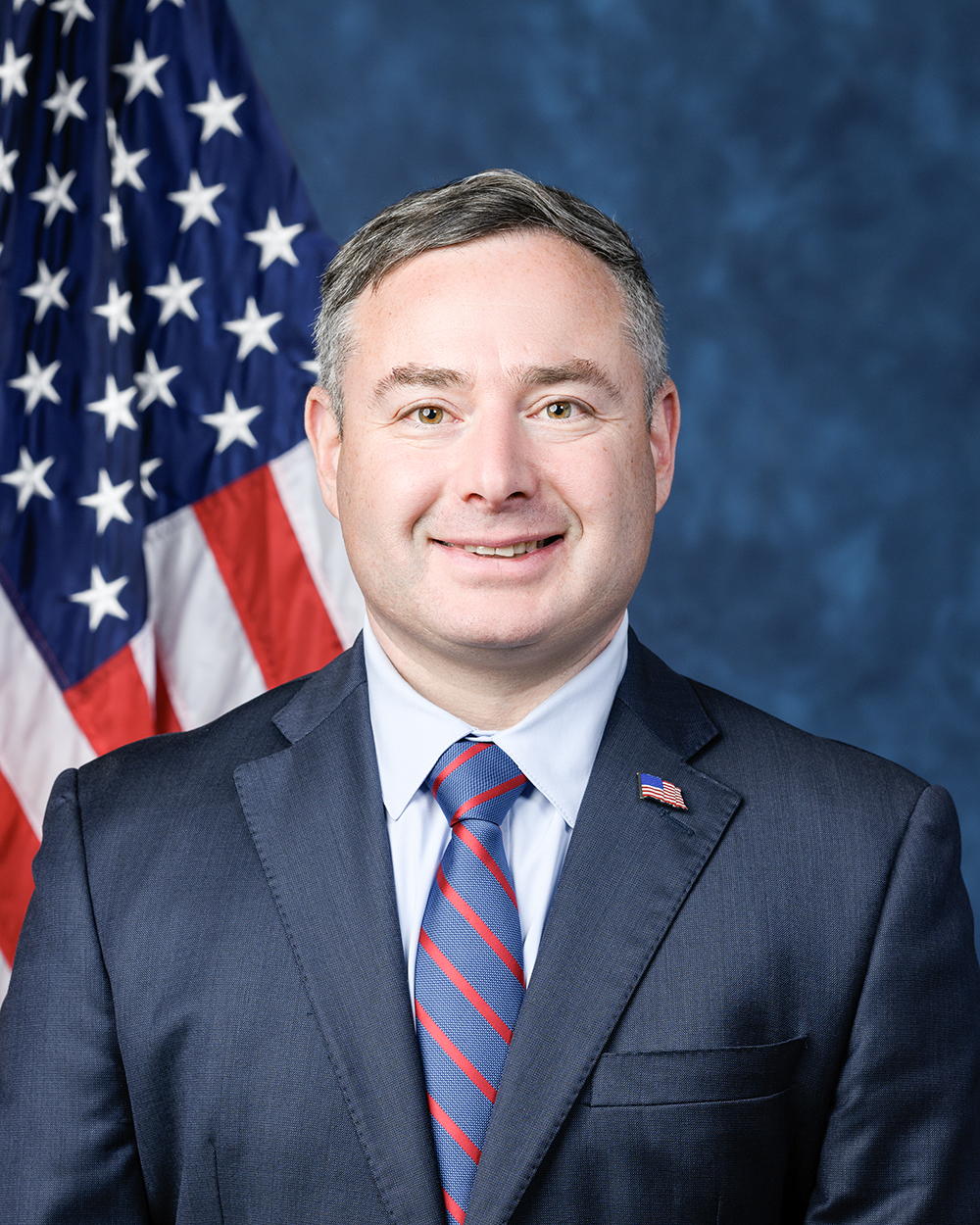
Rep. Eugene Simon Vindman
Sponsored bills
Maddy summaryThe Weather Workforce Improvement Act (HR 3809) streamlines hiring for critical National Weather Service (NWS) positions directly affecting public safety, such as meteorologists, hydrologists, and technicians responsible for weather balloon launches and forecasting. It grants the NWS Director direct hiring authority for these roles without standard federal hiring rules, with this authority expiring after two years or once all critical vacancies are filled. The bill also mandates annual assessments on hiring progress and the health impacts of rotating shifts on NWS staff, requiring reports to Congress on workforce needs and strategies to improve employee well-being. These provisions aim to strengthen NWS staffing capacity without altering weather forecasting policies or outcomes.
Maddy summaryThis bill expands Medicare coverage for mental health services provided by clinical social workers to seniors in skilled nursing facilities. It removes an exclusion that previously prevented these services from being covered under Medicare's skilled nursing facility payment system. The bill specifically adds defined mental health service codes (including those for assessment and treatment) to Medicare's coverage, ensuring seniors can access these services without additional barriers. These changes will take effect for services provided on or after January 1, 2026.
Maddy summaryThe VET PFAS Act (HR 3639) provides VA health care coverage for veterans and their family members exposed to PFAS chemicals at military bases, without requiring proof linking illness to exposure. Veterans who served at contaminated bases and family members who resided there (or were in utero while the veteran lived there) can now receive treatment for specific conditions like testicular cancer, kidney cancer, thyroid disease, and pregnancy-related hypertension. The law creates a presumption that these conditions are service-connected, streamlining access to VA benefits. Annual reports will track program usage, including the number of veterans and families receiving care and the conditions treated.
Maddy summaryThe DTC Act of 2025 requires pharmaceutical companies to include a drug's list price (for a 30-day supply) in direct-to-consumer television and digital ads for prescription drugs covered by Medicare or Medicaid. It applies to ads for drugs costing $35 or more per 30-day supply, exempting lower-cost medications. Manufacturers must disclose the list price clearly by July 1, 2026, with penalties of up to $100,000 per violation for noncompliance. The bill aims to provide consumers with upfront pricing information to help them compare costs before filling prescriptions, particularly affecting drugs commonly advertised to Medicare beneficiaries.
Maddy summaryHR 3777, the Public Land Search and Rescue Act, creates a federal grant program to fund remote search and rescue activities on public lands managed by the Interior or Agriculture Departments. The program provides up to 75% federal funding for eligible states or local teams to purchase equipment, maintain gear, and reimburse costs for locating and rescuing people lost or injured in remote areas. Priority is given to areas with high visitor-to-resident ratios, and grants require applicants to be legally authorized to conduct such rescues. This bill directly affects state/local search and rescue organizations operating on federal lands by providing new funding mechanisms for their remote operations.
Maddy summaryHR 3775, the AI Training Extension Act of 2025, expands mandatory AI training requirements for federal employees. It directly affects staff in acquisition roles, data/technology positions, management, and supervisory roles across executive agencies. The bill updates training content to cover AI capabilities, risks, benefits to government, and data's role in AI systems, while allowing agencies to incorporate existing training programs. This procedural extension modifies the existing "Artificial Intelligence Training for the Acquisition Workforce Act" to broaden its scope and update training standards.
Maddy summaryHR 3757, the Pride In Mental Health Act of 2025, provides $20 million annually (2026-2030) to fund grants for mental health services targeting LGBTQ+ youth, including nonbinary, intersex, and Two Spirit youth, and their families/caregivers. The bill mandates grantees to provide trauma-informed care, cultural competency training, school bullying prevention guidelines, and evidence-based practices while explicitly prohibiting the use of funds for conversion therapy or its promotion. It also requires the federal government to restore mental health reports on LGBTQ+ youth, conduct a national survey measuring mental health distress, and produce a report on mental health services for LGBTQ+ youth in foster care. The law directly affects these youth populations by expanding access to tailored mental health resources and data collection, with funding administered through the Substance Abuse and Mental Health Administration.
Maddy summaryHRES 473 is a non-binding House resolution calling on the U.S. government to urgently use diplomatic efforts to ensure food and medical supplies reach civilians in Gaza. It directly addresses the needs of approximately 2.2 million Palestinians facing acute hunger, including 10,000 children identified with acute malnutrition, following a border blockade that blocked aid from March to May 2025. The resolution specifically urges the White House and State Department to secure "immediate and secure delivery and disbursement" of aid and a lasting end to the conflict, citing collapsed bakeries, exhausted food rations, and a near-total health system collapse.
Maddy summaryThis bill amends the WIC program to replace "drug abuse" with "substance use disorder" throughout its provisions, directly affecting WIC participants who may have substance use disorder. Key mechanisms include creating new nutrition education materials for pregnant individuals with substance use disorder and infants affected by prenatal exposure, establishing an online clearinghouse for these resources, and authorizing $1 million for fiscal year 2026. The changes aim to provide evidence-based, non-judgmental support through updated program materials and outreach. The bill specifically targets WIC participants impacted by substance use disorder, not broader population changes.