Maddy summaryThis bill allows seniors to use tax-free health savings account (HSA) funds for qualified home care services. It defines "qualified home care" as contracts providing three or more specific personal care services (like assistance with bathing, dressing, or medication) from state-licensed providers. The policy change directly affects seniors needing home care who use HSAs, excluding family-provided care and requiring state licensing compliance. A public awareness campaign will also inform seniors about eligible services.
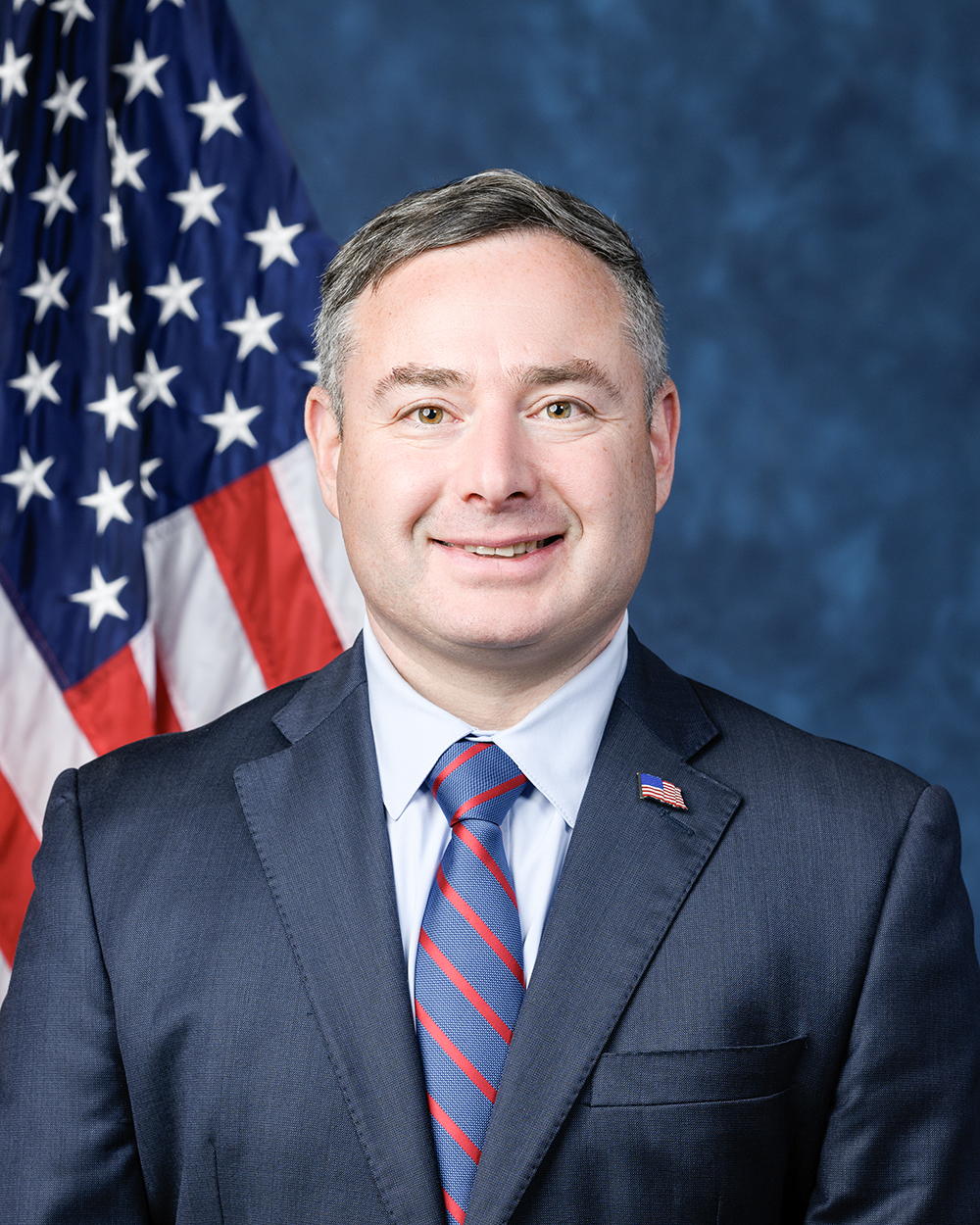
Rep. Eugene Simon Vindman
Sponsored bills
Maddy summaryThis bill clarifies the Holocaust Expropriated Art Recovery Act of 2016 by preventing courts from dismissing claims based on time-related defenses (like laches or adverse possession) or other non-merits arguments (such as the act of state doctrine or forum non-conveniens). It specifically bars these defenses for claims seeking recovery of art looted by Nazis during World War II, ensuring cases are resolved on their merits. The bill applies to all pending cases and new claims filed after enactment, regardless of the victim's nationality. It strengthens the original law's purpose of enabling victims' heirs to pursue rightful recovery without procedural barriers.
Maddy summaryThe CONNECT for Health Act of 2025 expands Medicare telehealth coverage by removing geographic restrictions that limited where patients could receive care, expanding the types of health care providers who can offer telehealth services, and eliminating the requirement for an in-person visit before receiving telemental health services. The bill includes specific provisions to support telehealth use for Native American health facilities, rural health clinics, and Federally Qualified Health Centers. It requires the Centers for Medicare & Medicaid Services to collect and publish data on telehealth usage and impacts, and to develop resources to improve accessibility for people with disabilities and limited English proficiency. Program integrity measures are added to monitor telehealth billing practices and prevent fraud while maintaining coverage for telehealth services during public health emergencies.
Maddy summaryHR 4210, the "Accountability Doesn’t Expire Act," extends the deadline for the Pandemic Response Accountability Committee from 2025 to 2030 under the CARES Act. It requires this committee to submit a report by September 30, 2030, analyzing how extending the time limit for prosecuting fraud in Paycheck Protection Program (PPP) loans has impacted enforcement. The bill directly affects oversight of PPP loan fraud investigations, as it mandates evaluation of how longer statute of limitations periods (under the PPP and Bank Fraud Enforcement Harmonization Act of 2022) have been applied. The key mechanism is the extension of the committee’s mandate and the requirement for a detailed impact report on fraud prosecution timelines.
Maddy summaryHR 4169, the Preventing Crimes Against Veterans Act of 2025, creates a new federal crime for schemes to defraud veterans of their benefits. It adds Section 1352 to Title 18, making it illegal to knowingly execute or attempt to execute a scheme to defraud an individual of veterans' benefits or to obtain such benefits fraudulently for them. The law specifically defines "veterans' benefits" as any federal benefit for veterans, dependents, or survivors, and sets penalties of fines, up to 5 years in prison, or both. This directly affects veterans and their families by strengthening legal tools to prosecute fraudsters targeting their benefits.
Maddy summaryThe WEAR IT Act (HR 4203) allows individuals to use funds from health savings accounts (HSAs), Archer MSAs, and health flexible spending accounts (FSAs) to cover the cost of certain medical wearable devices. It directly affects people with these tax-advantaged health accounts who use devices like glucose monitors or cardiac trackers that collect health data or assist in diagnosing/treating medical conditions. The bill defines "wearable devices" as body-worn hardware or software that analyzes physiological data for medical purposes or aids diagnosis/treatment, with a $375 annual limit per device. This change takes effect for expenses incurred after December 31, 2025.
Maddy summaryHR 4167, the Expanding Access to Lending Options Act, amends the Federal Credit Union Act to extend the maximum time federally chartered credit unions can hold mortgage loans from 15 years to 20 years (or longer by NCUA regulation). This change directly affects federally chartered credit unions by allowing them to offer longer-term mortgage products to members. The key provision modifies Section 107(5) of the Federal Credit Union Act, specifically updating the time limit for mortgage loans held by credit unions. The bill also includes a non-binding sense of Congress statement emphasizing safety and soundness in NCUA oversight, but the core policy change is the extended mortgage holding period.
Maddy summaryThis bill creates a new designation for foreign countries that unlawfully detain U.S. citizens, allowing the State Department to label such nations as "State Sponsors of Unlawful or Wrongful Detention" based on specific criteria like failing to release detained Americans within 30 days or showing complicity. Designations require congressional approval within six months or expire automatically, and the State Department must submit detailed reports to Congress about the rationale, actions taken to prevent detentions, and potential sanctions. The law mandates annual briefings to Congress on targeted countries (including Iran, Russia, and Venezuela) and requires the department to review existing tools like visa restrictions, aid cuts, and sanctions to deter future detentions. It does not alter how detentions are legally determined but establishes a formal process to address them diplomatically.
Maddy summaryThis bill makes the Environmental Protection Agency's existing April 2024 rule on PFAS limits in drinking water legally binding. It codifies the EPA's "PFAS National Primary Drinking Water Regulation" (89 Fed. Reg. 32532), which sets enforceable limits for specific PFAS chemicals in public water systems. The rule directly affects municipal water providers and communities relying on public water sources by requiring them to meet these new contaminant standards. The bill does not create new standards but formally adopts the EPA's previously issued rule into law.
Maddy summaryHR 4132, the Prescription Information Modernization Act of 2025, allows drug manufacturers to provide FDA-approved prescribing information for prescription drugs exclusively through electronic means, while requiring them to offer paper copies at no additional cost upon request by prescribers or dispensers. The bill directly affects drug manufacturers, doctors, pharmacists, and other healthcare professionals who rely on prescribing information. Key provisions include mandating that manufacturers give prescribers/dispensers the choice to continue receiving paper copies or request them as needed, and requiring the HHS Secretary to issue implementing regulations within one year to support this transition. The law takes effect two years after enactment or when final regulations are issued, whichever comes first.