Maddy summaryThe TUTOR Act creates a federal tax credit for certified K-12 teachers who provide academic tutoring outside school hours. Teachers qualify if they work at a preschool, elementary, or secondary school (meeting state certification), provide at least 150 hours of tutoring in math, reading, writing, or science during non-school time, and meet other defined criteria. The credit starts at $500, with a supplemental amount (capped at $500) based on hours exceeding 150, calculated as a ratio of excess hours to 50. The credit expires after 2032, and the Treasury must annually report on credit claims and tutoring hours to Congress.
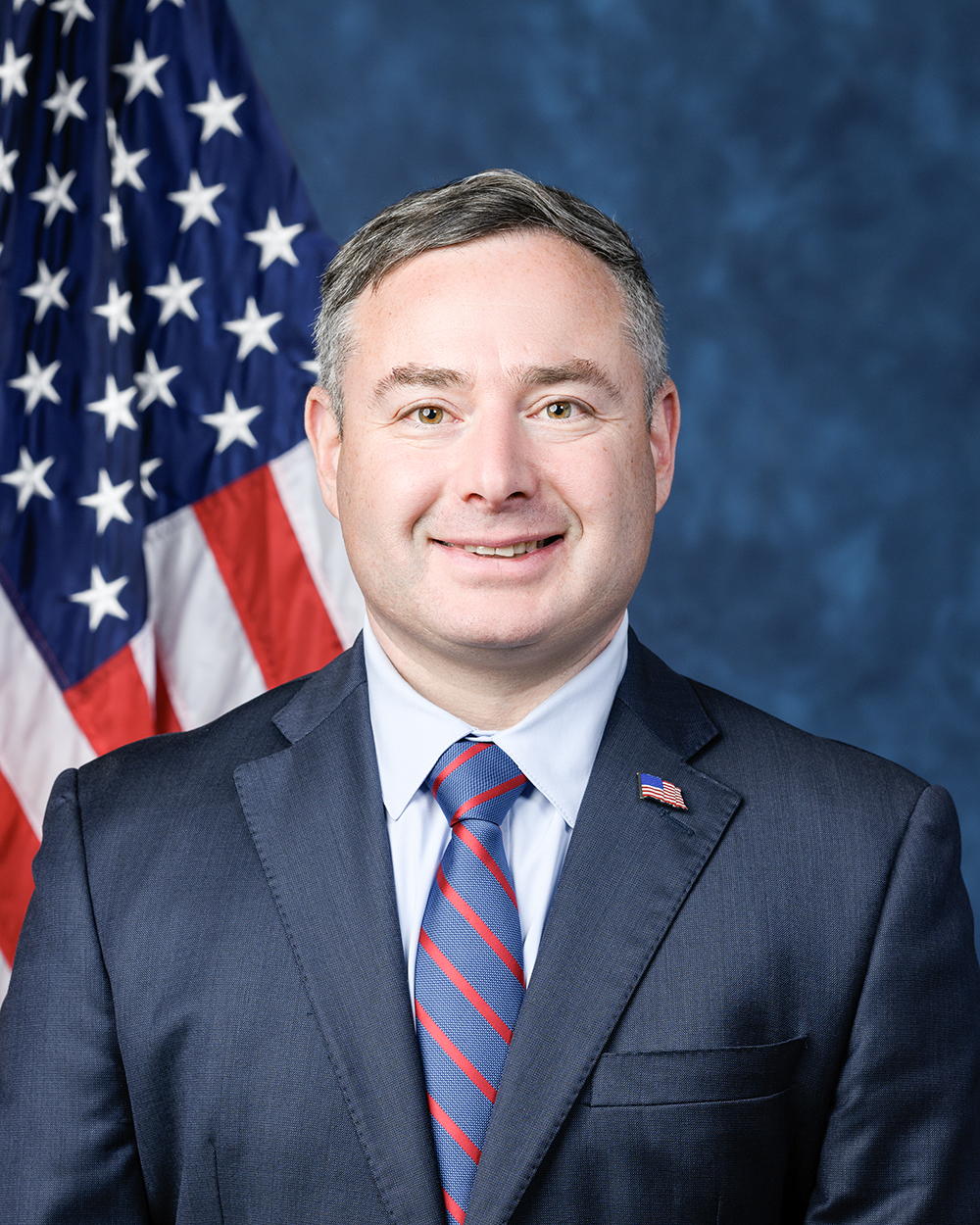
Rep. Eugene Simon Vindman
Sponsored bills
Maddy summaryThis bill requires electronic communication service providers (like social media platforms) and remote computing services (like cloud storage) to report certain controlled substances violations to the Attorney General. Providers must submit reports within 60 days of discovering fentanyl, methamphetamine, or counterfeit prescription drug sales, including account information and details about the violation. The bill includes penalties for failure to report ($380,000 for repeat violations) and for submitting false reports ($100,000), while exempting broadband and text messaging providers from these requirements. It also mandates annual reports from the Attorney General on the number of reports received, investigations conducted, and how violations were discovered.
Maddy summaryThe SMART Act requires the Federal Emergency Management Agency (FEMA) to study how its hazard mitigation programs - like flood barriers or building retrofits - save money by reducing disaster damage. It mandates an analysis of cost savings, community preparedness, insurance impacts, and infrastructure protection, using data from federal, state, and academic sources. FEMA must submit an initial report within 18 months and annual updates, making findings publicly available online in clear, accessible formats. This directly affects FEMA's program oversight and transparency, with no new funding or regulations created by the bill.
Maddy summaryThe Palliative Care and Hospice Education and Training Act creates federal funding programs to improve training for health professionals in palliative and hospice care. It authorizes $15 million annually for 2026-2030 to support grants for education programs that train doctors, nurses, social workers, and other health professionals in palliative care. The bill prioritizes programs serving rural or medically underserved areas, pediatric patients, and racial/ethnic minority populations. It establishes specific training requirements including interprofessional team-based care, patient and family engagement, and integration with primary care settings. The legislation also includes provisions to disseminate information about palliative care benefits to patients, families, and health professionals.
Maddy summaryThis bill prohibits U.S. Immigration and Customs Enforcement (ICE) from using federal funds to detain or transport U.S. citizens during civil immigration enforcement actions. It directly affects ICE operations by blocking funding for any activity that would hold or move citizens outside the U.S. under immigration laws. The key mechanism is a specific funding restriction in the bill text, stating no funds may be used for detaining or transporting citizens. This applies to all civil immigration enforcement activities defined under the Immigration and Nationality Act. The bill does not create new enforcement powers but limits how existing funds can be spent.
Maddy summaryThis bill creates a pathway for Medicare to cover innovative medical devices earlier. It allows "breakthrough devices" (new technologies designated for expedited FDA review) to qualify for Medicare's "new technology add-on payment" if approved, cleared, or authorized by the FDA before July 1 of a fiscal year. This means Medicare beneficiaries gain faster access to these new devices, and hospitals receive additional payment for using them, effective in the first quarter after FDA approval. The provision applies to devices approved on or after July 1, 2023, and is designed to be budget-neutral.
Maddy summaryHR 4470, the *Removing Burdens From Organ Donation Act*, requires hospitals to electronically notify organ procurement agencies when a potential donor is deceased or near death, with remote access to updated electronic health records (EHRs). This applies to most hospitals starting two years after the law's enactment, but allows exemptions for rural hospitals lacking reliable internet, those hit by cyberattacks, or disaster-affected facilities. The bill mandates federal guidance for hospitals and EHR companies on implementation, plus annual reports on exemptions and a GAO study on costs, rural challenges, and transplant outcomes. It directly affects hospitals, organ procurement agencies, and EHR providers by streamlining donor notification processes.
Maddy summaryThe Child Care for Working Families Act creates a federal program to provide affordable, high-quality child care for working families with children under age 6. It would provide direct child care assistance through certificates or grants to parents, with no copayment required for families at or below 85% of state median income. The program requires states to implement quality standards for child care providers, including a tiered quality system and minimum wage requirements for staff (at least a living wage equivalent to elementary educators). The bill appropriates $20 billion for the program over five years, with additional funding for quality improvement initiatives and universal preschool services.
Maddy summaryThis bill establishes a 2-year pilot program to create or strengthen state-based nursing workforce centers, funded with $1.5 million annually for 2026-2027. It requires states to match federal funds at a 1:4 ratio (e.g., $1 state funding for every $4 federal) and directs centers to analyze nursing data, address shortages, and develop retention strategies for nurses across all practice settings. Centers must report annually on initiatives like workforce planning, scholarship programs, and efforts to improve rural recruitment, with the goal of reducing nursing shortages and improving geographic distribution. The program targets state agencies, nursing boards, schools of nursing, and community organizations working directly with nursing workforce data and education.
Farmers First Act of 2025 This bill extends through FY2030 and revises the Farm and Ranch Stress Assistance Network (FRSAN). This Department of Agriculture program provides competitive grants to states, Indian tribes, and qualified nonprofit organizations to provide stress assistance programs (i.e., professional agricultural behavioral health counseling, helplines, and resources) to individuals engaged in farming, ranching, and agriculture-related occupations. The bill specifies that the grant funding for farm telephone helplines and websites may also be used for crisis lines. Further, FRSAN grant recipients may establish referral relationships with providers, including Certified Community Behavioral Health Clinics, health centers, rural health clinics, and critical access hospitals.