

Maddy summaryThis bill requires the U.S. Department of State to include specific, detailed reporting on reproductive rights in its Annual Country Reports on Human Rights Practices. It mandates descriptions of each country's policies regarding access to contraception, abortion services, and comprehensive reproductive health care, alongside data on pregnancy-related deaths, discrimination against women and LGBTQI+ individuals, and disparities based on race, disability, or other factors. The bill also directs the State Department to consult with civil society organizations and health experts to ensure thorough reporting on these issues. This change aims to align U.S. reporting with international human rights standards and address past omissions of reproductive rights from these reports.
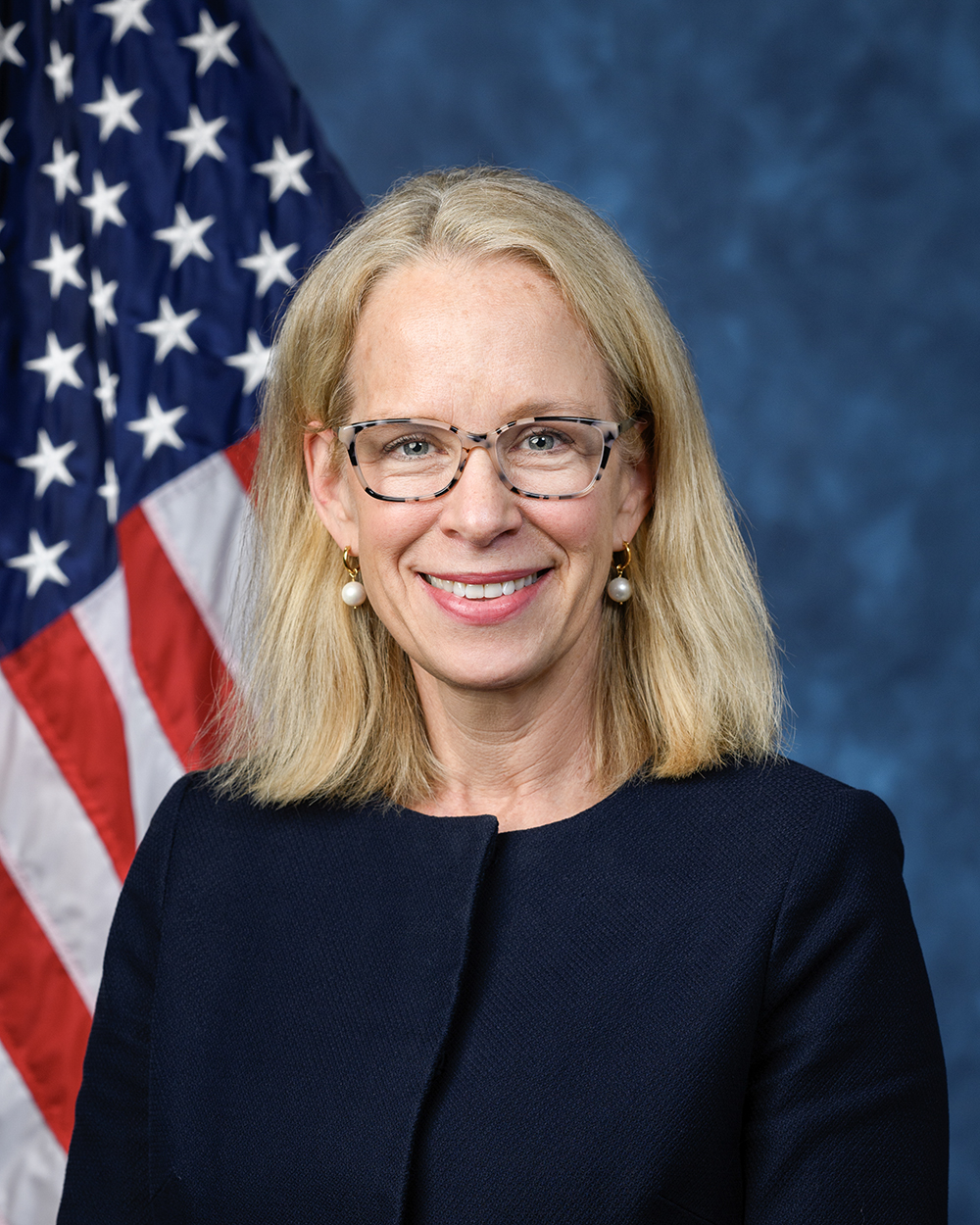
Rep. Kelly Morrison
Sponsored bills
Maddy summaryThis bill adjusts health insurance subsidies by modifying the premium tax credit structure under the Internal Revenue Code. It replaces previous income thresholds with a sliding-scale formula, increasing subsidies for households earning between 150% and 400% of the federal poverty level - reducing their required premium payments as income rises within these tiers. The changes apply to tax years beginning after December 31, 2025, directly affecting middle-income individuals and families purchasing coverage through health insurance marketplaces. It also repeals specific provisions from a prior reconciliation law related to health care.
Maddy summaryHR 4796, the Restoring Essential Healthcare Act, repeals a provision that blocked Medicaid payments to certain healthcare providers during a specific period. It directly affects Medicaid beneficiaries who received care from these providers between the enactment of the prior law (Public Law 119-21) and this bill's enactment. The key provision retroactively restores Medicaid payments for services already provided during that blocked period, treating the payment restriction as if it never existed. This change ensures eligible individuals and providers receive reimbursement for covered care delivered during the prohibited timeframe.
Maddy summaryHR 4628, the AI Impersonation Prevention Act of 2025, prohibits using artificial intelligence to impersonate federal officials (including mimicking their voice or likeness) without a clear disclaimer, if the content is materially false or misleading. It makes knowingly creating such deceptive AI content a crime punishable by up to three years in prison or a fine, while explicitly exempting satire, parody, or protected speech that includes a clear disclosure it is not authentic. The bill directly affects individuals or entities producing AI-generated content falsely posing as federal employees or officials. It defines "artificial intelligence" broadly as systems performing human-like tasks (e.g., generating realistic audio or video) and "impersonates" as falsely representing oneself as another identifiable person.
Maddy summaryThe Healthy H2O Act creates a federal grant program to help rural households and small facilities (like child-care centers) install certified water filtration systems that remove health contaminants such as lead, arsenic, and PFAS. Eligible recipients must live in rural areas, have tested water containing contaminants, and meet income limits (under 150% of their state’s median nonmetropolitan household income). Grants cover the cost of purchasing, installing, maintaining, and testing certified point-of-use or point-of-entry filtration systems. The program requires annual reports to Congress analyzing water quality trends, filter effectiveness, and emerging needs in affected communities. This initiative addresses immediate drinking water safety gaps where long-term infrastructure projects cannot yet provide solutions.
Resident Physician Shortage Reduction Act of 2025 This bill increases the number of residency positions eligible for graduate medical education payments under Medicare for qualifying hospitals, including hospitals in rural areas and health professional shortage areas. The bill provides for an additional increase of 2,000 positions per fiscal year from FY2026-FY2032; during this period, each hospital may receive up to 75 additional positions in total under the bill and current law. Additionally, one-third of the positions that are made available under the bill must be allocated to hospitals that are already operating above applicable resident limits. The bill also requires the Government Accountability Office to report on strategies to increase the diversity of the health professional workforce, including with respect to representation from rural, low-income, and minority communities.
Maddy summaryH.J. Res. 108 proposes a constitutional amendment to remove legal immunity for federal officials, including the President, from criminal prosecution for actions taken while performing official duties. It would prohibit the President from granting pardons to themselves and eliminate the defense that "official authority" excuses violations of federal or state law (with limited exceptions for certain congressional actions). If ratified, this amendment would require Congress to pass implementing laws to enforce these changes. The proposal is currently in the House Judiciary Committee and requires approval by three-fourths of state legislatures to become part of the Constitution.
Maddy summaryHR 4606, the Ally’s Act, requires private health insurance plans (including employer-sponsored plans and individual coverage) to cover hearing implants and related services. It directly affects people with hearing loss who need cochlear implants, bone conduction devices, or external sound processors, as determined by a physician or audiologist. The bill mandates coverage for devices, maintenance, repairs, upgrades every 5 years, hearing assessments, surgery, and rehabilitation - without separate cost-sharing or stricter limits than other medical services. Insurers cannot deny coverage if a provider deems the service medically necessary. The law applies to all applicable health plans and takes effect for plan years beginning January 1, 2026.
Maddy summaryThis bill establishes state-level judicial threat intelligence centers to improve safety for judges and court staff. It defines "eligible organizations" (nonprofits with judicial security expertise) and requires the State Justice Institute to fund these centers to provide security training, threat monitoring, coordinate with law enforcement, and develop standardized reporting systems. The centers will create resources for judicial officer safety, conduct security assessments, and track threats through a national database. State Justice Institute must submit annual reports detailing threat types and severity to congressional committees. The bill directly affects state and local judges, court staff, and the nonprofit organizations operating these centers.
Maddy summaryThis bill establishes two grant programs to support construction and manufacturing apprenticeship colleges. It provides up to $500,000 per college for community outreach (e.g., connecting with high schools, rural businesses, and workforce boards) and student support services (e.g., academic advising, mental health resources, childcare). The grants target increasing enrollment and completion rates for underrepresented groups, including rural students, first-generation college students, and minorities. Funding of $5 million annually (2026-2030) requires colleges to report on program outcomes like retention rates and diversity metrics. The law directly affects apprenticeship colleges offering work-based training in construction and manufacturing fields.