Maddy summaryThis bill is a non-binding resolution that expresses the House of Representatives' sentiment to honor public servants for their dedication to the United States. It specifically acknowledges the work of federal, state, and local government employees, as well as uniformed service members, who deliver essential services and support the economy. The resolution calls on the American public to observe Public Service Recognition Week with ceremonies and activities that recognize these contributions. Because it is a symbolic expression of the House's feelings rather than a law with enforceable rules, it does not create new policies or mandate specific actions.
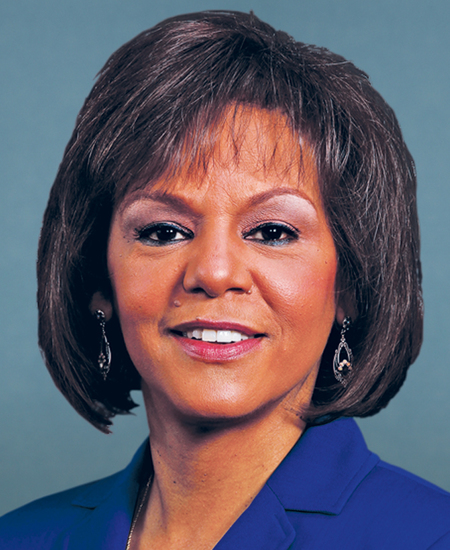
Rep. Robin L. Kelly
Sponsored bills
Maddy summaryThis bill amends the Fair Credit Reporting Act to restrict how background information is shared with landlords when screening potential tenants. It directly affects individuals with criminal records by prohibiting consumer reporting agencies from including specific data in reports used for rental housing decisions. Key provisions ban the inclusion of arrest records, juvenile adjudications, expunged convictions, and cases resolved through diversion programs, while also preventing the reporting of convictions that have been completed or where the individual is currently on probation or parole. Additionally, the legislation requires landlords who deny housing based on these reports to provide applicants with the specific reasons for the denial within three days. Finally, the bill prevents states from setting their own time limits for how long certain types of criminal information can be excluded from these reports.
Maddy summaryThis bill, titled the Protecting Human Rights and Public Health in Foreign Assistance Act, aims to cancel specific regulations issued by the Department of State. It directly affects the federal government by prohibiting any department or agency from enforcing, implementing, or proposing rules related to protecting life, combating discriminatory equity ideology, and combating gender ideology in foreign aid programs. The legislation treats these cancelled rules as if they never existed, effectively nullifying their impact on future foreign assistance policies.
Maddy summaryThis bill creates a new grant program administered by the Federal Communications Commission to help states reach low-income individuals who qualify for the Lifeline broadband subsidy but have not yet signed up. Under the first provision, states can apply for funding to run outreach campaigns that inform these people about their eligibility and guide them through the application process, often by partnering with local community organizations. The second provision provides separate grants to states to connect their existing databases with the National Lifeline Eligibility Verifier, ensuring that benefits from programs like SNAP are automatically recognized when determining who qualifies for free internet services.
Maddy summaryThis bill, the Energy Consumer Protection Act of 2026, strengthens enforcement powers for the Federal Energy Regulatory Commission (FERC) to protect consumers in the electricity and natural gas markets. It allows FERC to ban companies or individuals who violate reporting rules or engage in deceptive practices from buying or selling energy and related services. The legislation also adds specific penalties for knowingly submitting false information about natural gas prices or availability to federal agencies. These changes apply to utilities, energy traders, and other market participants regulated by FERC.
Maddy summaryThe Civics Learning Act of 2026 amends the Elementary and Secondary Education Act to expand federal funding and support for civics education in K-12 schools. The bill directs the Department of Education to distribute $70 million in grants to schools, with at least 60 percent reserved for elementary and middle schools and a preference for programs that include hands-on civic engagement, constitutional history, and civil rights education. It also requires grant recipients to submit annual reports detailing how they meet civics education goals and ensures geographic diversity in funding distribution across urban, suburban, and rural areas.
Maddy summaryThe Momnibus Act is a comprehensive legislative bill designed to improve maternal health outcomes across the United States by addressing social determinants of health, expanding access to care, and reducing disparities among pregnant and postpartum individuals. The bill establishes a federal task force to coordinate efforts between agencies and stakeholders to eliminate preventable maternal mortality and severe morbidity, while providing sustained funding to community-based organizations to address nonclinical factors like housing, nutrition, and transportation. Key provisions include extending WIC eligibility to 24 months postpartum, creating grants to grow and diversify the perinatal workforce, implementing respectful maternity care training for all healthcare employees, and establishing compliance programs to track and address bias in maternity care settings. The legislation also includes specific measures for incarcerated mothers, veterans, and vulnerable populations affected by climate change, alongside funding for maternal mental health services and technology-enabled care models to expand access in underserved areas.
Maddy summaryThis House Resolution supports designating the week of April 11 through April 17, 2026, as "Black Maternal Health Week." The resolution aims to bring national attention to the maternal and reproductive health crisis in the United States, specifically highlighting the importance of reducing maternal mortality and morbidity among Black women and birthing people.
Maddy summaryThis bill seeks to block a specific rule issued by the Department of Education that affects the William D. Ford Federal Direct Loan Program. If passed, it would prevent the rule from taking effect, meaning the proposed changes to federal student loans would not be implemented. The measure uses a legislative process known as a joint resolution of disapproval to override agency regulations. It directly impacts students, families, and institutions that rely on federal student loans by stopping the Department of Education from enforcing the new policy.
Maddy summaryThis bill directs the Secretary of Agriculture to create a pilot grant program that funds Food is Medicine initiatives, which connect community organizations with healthcare providers to help people manage diet-related diseases through nutrition-focused services. The program would provide grants for activities such as medically tailored grocery deliveries, cooking classes, and emergency food operations, with priority given to projects using local foods and involving nutrition professionals. Funding of up to $20 million is authorized for fiscal years 2027 through 2031, and the Secretary must submit reports to Congress on how the program affects participant health outcomes and system costs.