Maddy summaryHR 909, the Crime Victims Fund Stabilization Act of 2025, modifies how funds from the False Claims Act are deposited into the Crime Victims Fund. It specifies that from 2025 through 2029, certain False Claims Act proceeds (specifically those for qui tam plaintiff payments and government damage reimbursements) cannot be deposited into the fund. This change directly affects the composition of the Crime Victims Fund by excluding these specific revenue streams during the specified period. The bill does not create new benefits or alter victim services; it only adjusts fund allocation rules for existing False Claims Act revenues.
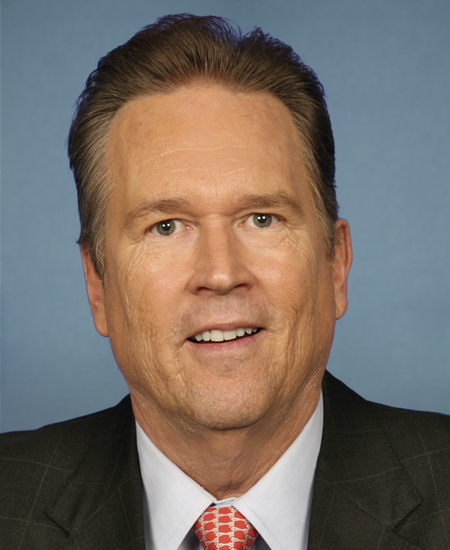
Rep. Vern Buchanan
Sponsored bills
Maddy summaryHR 6887, the Stop Crimes Against Children Act, amends the PROTECT Our Children Act of 2008 to require federal agencies to develop specific plans. These plans must coordinate with nonprofit child advocacy organizations and universities to prevent, identify, and respond to crimes against children (including abuse, trafficking, and exploitation), and provide evidence-based guidance for supporting victims. The bill also mandates federal recommendations for state, local, and tribal law enforcement on best practices for preventing child crimes and supporting victims. It directly affects federal agencies, law enforcement, and organizations working with child victims. The key change is adding these coordination and recommendation requirements to existing federal strategy.
Maddy summaryThis bill eliminates waiting periods for Social Security disability benefits and Medicare coverage for individuals diagnosed with young-onset Alzheimer's disease. It amends the Social Security Act to add "young-onset Alzheimer's" (as defined by the Social Security Commissioner) to the list of conditions qualifying for immediate disability benefits, removing a 5-month waiting period for applications filed after its enactment date. It also waives the standard 24-month waiting period for Medicare coverage when young-onset Alzheimer's is diagnosed, effective for benefits starting after the bill's enactment. These changes directly affect people with young-onset Alzheimer's seeking timely access to critical financial and health coverage.
Maddy summaryHR 6792, the Foreign-Trade Zone Export Enhancement Act of 2025, modifies U.S. tariff rules to make it easier for businesses using foreign-trade zones (FTZs) to export goods to U.S. trade partners under the USMCA (or future agreements). It allows certain merchandise manufactured or altered within FTZs - specifically items classified under HTS 9801.00.95 - to enter the U.S. duty-free when exported directly to Canada or Mexico. This change aims to support U.S. manufacturing competitiveness and job retention by reducing costs for companies processing goods in FTZs for export to USMCA countries. The bill requires U.S. Customs and Border Protection to implement these tariff changes within 90 days of enactment.
Miracle on Ice Congressional Gold Medal Act This act provides for the award of Congressional Gold Medals to the members of the 1980 U.S. Olympic men's ice hockey team in recognition of the team's achievement at the 1980 Winter Olympic Games.
Maddy summaryThis bill establishes the President’s Council on Sports, Fitness, and Nutrition to advise the President on reestablishing the Presidential Fitness Test as the primary assessment tool for a Presidential Fitness Award in U.S. schools. The Council, appointed by the President, would develop school-based fitness programs, promote physical activity through community partnerships, and address childhood obesity as a national security concern. It directs the Secretary of Health and Human Services to fund the Council and its initiatives, with the Council terminating two years after enactment unless extended. The bill specifically aims to impact K-12 schools by integrating the fitness test into physical education programs.
Maddy summaryHR 1676, the "Make SWAPs Efficient Act of 2025," requires the federal government to approve or deny state wildlife conservation plans within 180 days of receiving them. This directly affects states that submit comprehensive wildlife conservation plans under the Pittman-Robertson Wildlife Restoration Act. If the Secretary fails to act within that timeframe, the state's plan is automatically approved as of the 180th day. The bill streamlines the approval process to prevent federal delays from blocking state conservation funding.
Maddy summaryThe Protecting Animals in Military Training Act prohibits the U.S. Department of Defense from using live animals - including dogs, cats, nonhuman primates, and marine mammals - in live fire trauma training exercises. Starting on the law's effective date, the Department must replace live animals with alternatives like advanced simulators, mannequins, cadavers, or actors, as determined by the Secretary of Defense. This law directly affects military training programs that currently rely on live animals for trauma simulations. The bill mandates a shift to non-animal training methods without specifying exact alternatives, focusing solely on eliminating live animal use.
Maddy summaryHR 6540, the "Anti-Communism Week Act," designates an annual observance to commemorate historical impacts of communist regimes. The bill requests the President to annually designate a week as "Anti-Communism Week" and issue a proclamation encouraging public ceremonies. It does not create new policies or affect specific groups; it only adds a procedural requirement to the U.S. Code for an annual presidential designation. The bill focuses on commemoration, not policy change, and references historical findings about communism in its preamble.
Maddy summaryHRES 934 is a symbolic resolution designating November 2025 as "Carbon Monoxide Action and Awareness Month" to promote public safety. It does not create new laws or funding but encourages nationwide education, prevention, and detection efforts to protect families from carbon monoxide poisoning. The resolution urges all U.S. households to install and maintain certified carbon monoxide alarms, test them regularly, and recognize poisoning symptoms. It specifically highlights that 36% of homes lack detectors and emphasizes collaboration between government agencies, health organizations, and communities to reduce risks. This resolution directly affects all U.S. residents, particularly vulnerable groups like children and the elderly, by advancing existing prevention strategies.