Maddy summaryThis bill amends federal water storage grant programs under the Infrastructure Investment and Jobs Act to expand eligibility for projects. It sets specific capacity limits: surface water projects must store 200-30,000 acre-feet, while groundwater projects must average 200-150,000 acre-feet annually. Eligible projects must increase storage, convey water to/from storage, or stabilize groundwater levels. The bill also increases the number of annual grants from 5 to 10 and explicitly states it does not override state water laws, federal water rights, or water rights protections.
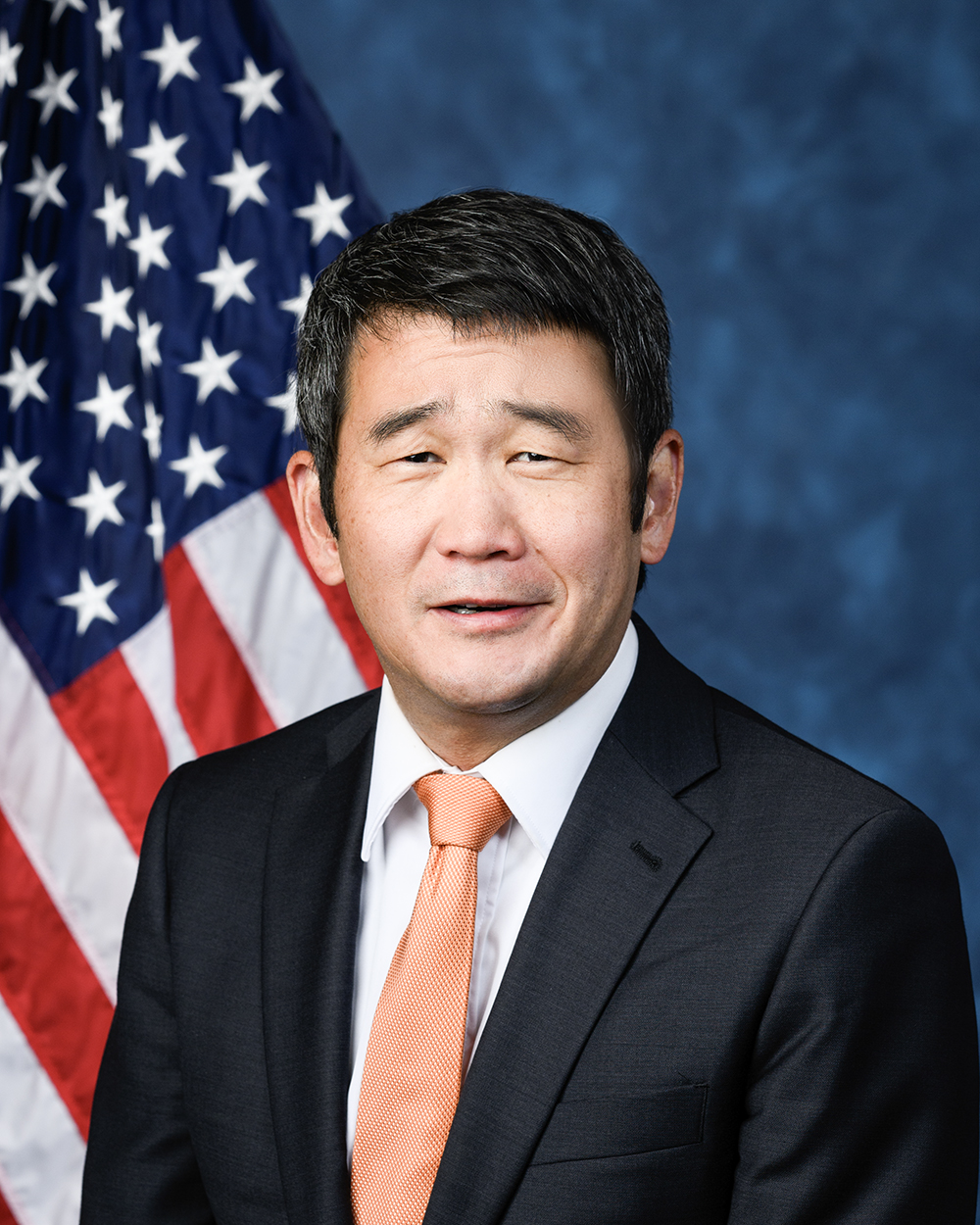
Rep. Dave Min
Sponsored bills
Maddy summaryThis bill amends Section 1983 of federal law (42 U.S.C. 1983) to explicitly allow lawsuits against federal officials who violate constitutional rights while acting under federal authority. It directly affects individuals whose constitutional rights were allegedly infringed by federal employees, such as law enforcement or agency staff. The key provision inserts "of the United States" before "of any State" in the statute, expanding the existing legal remedy for state officials to cover federal officials as well. This creates a clear, standalone legal path for citizens to seek redress for federal constitutional violations without relying on precedent.
Maddy summaryHR 6056, the International Human Rights Defense Act of 2025, establishes a permanent Special Envoy at the State Department to lead U.S. foreign policy efforts addressing discrimination and violence against LGBTQI+ people globally. The bill requires the U.S. government to develop and update a biannual global strategy to prevent criminalization and violence against LGBTQI+ individuals, mandate detailed reporting on such abuses in annual country reports, and ensure all U.S. foreign assistance programs include inclusive nondiscrimination policies. This legislation directly affects U.S. foreign policy implementation, federal agencies receiving funding, and LGBTQI+ communities facing persecution worldwide. The bill aims to coordinate U.S. government efforts across departments and with international partners to advance LGBTQI+ rights globally through concrete policy mechanisms.
Maddy summaryHR 5941, the Restoring Access for Detainees Act, requires U.S. Immigration and Customs Enforcement (ICE) to provide immigration detainees in DHS custody with specific communication access. It mandates 200 free monthly minutes for general outgoing calls, unlimited free minutes for contacting legal counsel, courts, consulates, or oversight offices, and special initial contact provisions during arrival or transfer. Detention facilities must allow uninterrupted legal communication time, cannot restrict minutes for legal calls, and must provide private spaces for confidential legal discussions. The bill also requires facilities to establish clear, publicly available communication policies that comply with these requirements.
Maddy summaryThis bill, HR 5973, requires federal immigration enforcement personnel to follow strict limits on force use, including proportional application, mandatory de-escalation efforts, and prohibitions on equipment like flash bangs or rubber bullets except for specific public safety threats. It mandates body-worn and vehicle cameras for all operations, with footage retained for one year (three years for force incidents or complaints), and grants affected individuals the right to inspect recordings. The law also requires annual training on force policies, First Amendment compliance, and racial bias avoidance, while demanding detailed quarterly reports to Congress on force usage, assaults on agents, and equipment approvals. These provisions directly affect all federal immigration agents conducting enforcement actions, aiming to increase transparency and accountability during operations.
Maddy summaryThis bill requires states to allow eligible voters to register or update their registration at polling places on election day for federal elections, including during early voting periods. It applies to all states except those with existing laws eliminating voter registration requirements for federal elections. The key mechanism mandates that voters can both register and cast their ballot on the same day at designated polling locations. The requirement takes effect for the November 2026 general election and all subsequent federal elections.
Maddy summaryHRES 846 is a symbolic resolution designating October 2025 as National Domestic Violence Awareness Month. It expresses the House's support for raising awareness about domestic violence and its impacts, and calls for continued congressional attention to ending domestic violence through existing programs. The resolution does not create new laws, allocate funding, or directly affect any specific groups - it is purely a statement of support. It references statistics on domestic violence prevalence but focuses on awareness rather than policy changes.
Maddy summaryThis non-binding resolution (HRES 844) expresses the U.S. House of Representatives' support for designating October 2025 as "Crime Prevention Month." It encourages federal agencies to fund evidence-based crime prevention programs - like youth mentorship, mental health services, and neighborhood safety initiatives - and urges state/local governments to adopt strategies such as Crime Prevention Through Environmental Design. The resolution also commends community workers and calls on all citizens to participate in public safety activities during October. It has no legal effect but aims to raise awareness and foster collaboration across communities, government, and private sectors to reduce crime.
Maddy summaryThis bill extends the Digital Coast program through 2030, amending the existing Digital Coast Act. It requires NOAA to make coastal data "fully and freely available" (not just accessible) and explicitly includes underground infrastructure data in the types of information collected. The changes directly affect NOAA, which manages the program, and entities relying on its coastal data for planning and development. The bill focuses on updating program requirements rather than creating new policies.
Maddy summaryThe American Energy Independence and Affordability Act extends multiple clean energy tax credits that were set to expire between 2025 and 2026. It specifically extends residential clean energy credits through 2034, clean electricity investment credits for wind and solar through 2032, and clean vehicle credits for electric vehicles through 2032. The bill also reinstates special rates for sustainable aviation fuel and modifies requirements for energy-efficient home improvements. These provisions directly affect homeowners installing solar panels, businesses investing in clean energy infrastructure, and manufacturers producing clean energy equipment.