Issue · Transportation

Transportation

Every transportation bill, vote, and legislator stance in Utah, automatically classified by Maddy, our AI policy reader.

Total bills
38
2026 General Session
Top supporter
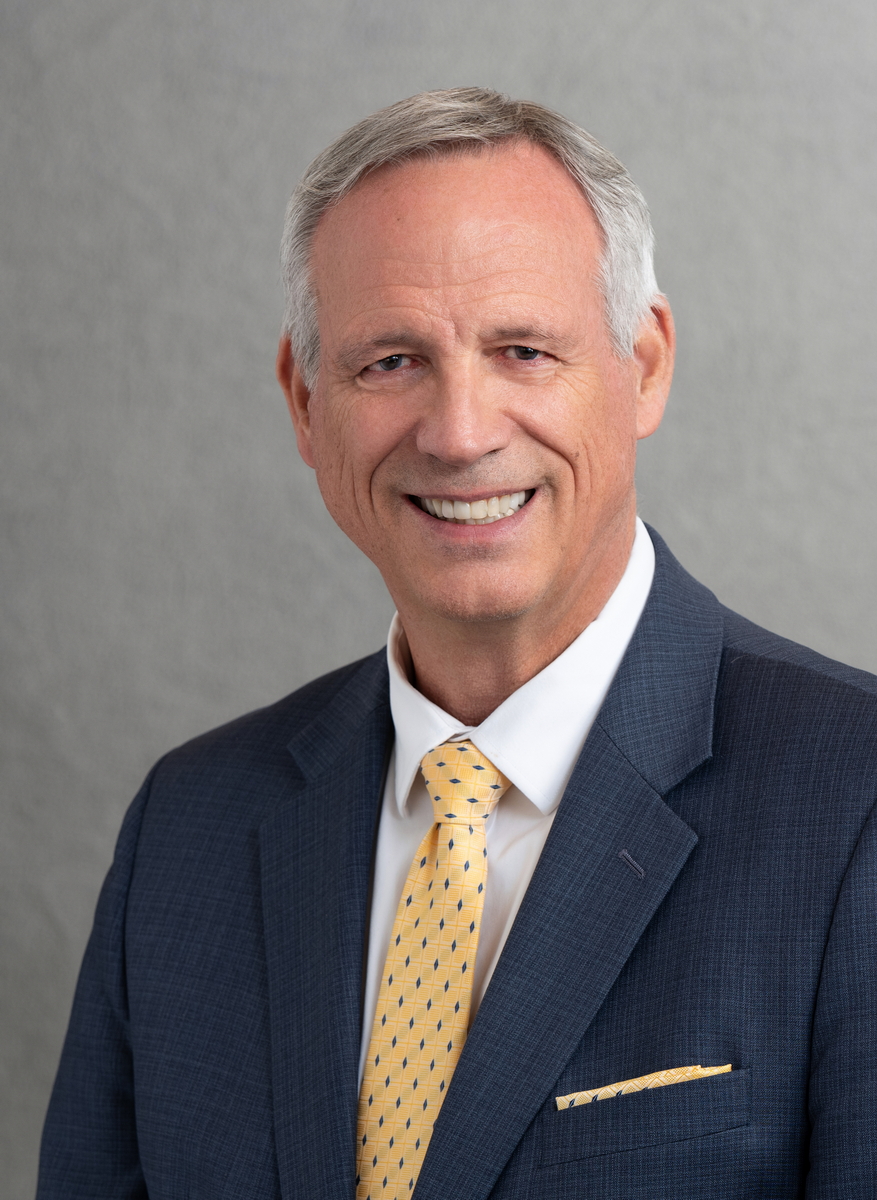
Andrew Stoddard
100% support rate
Top opponent
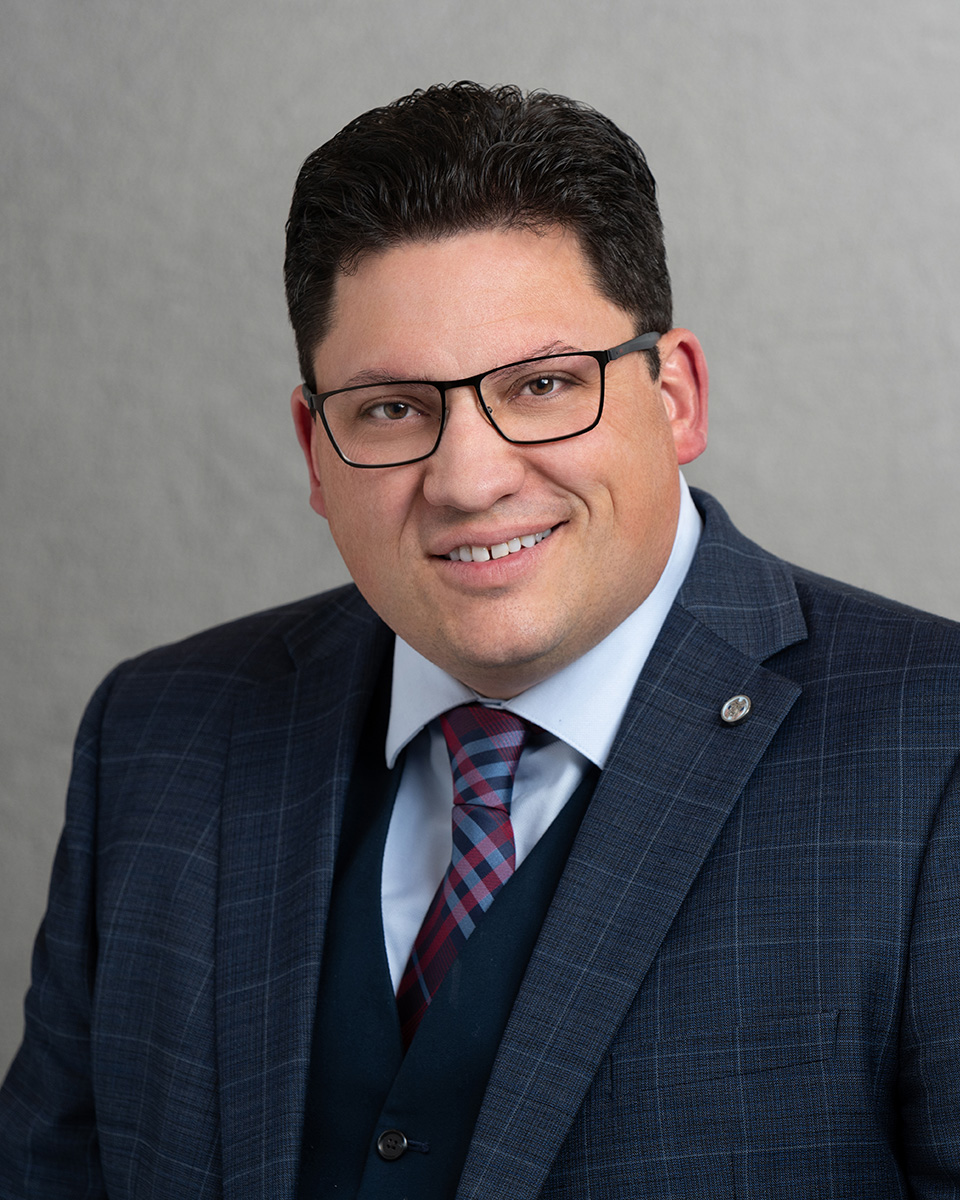
Leah Hansen
12% support rate
Ranked legislators
9
5 support · 4 oppose
Key legislators

Who's moving transportation in Utah

Legislators moving transportation in Utah
Legislator Party Stance Support rate Votes
Andrew Stoddard
Andrew Stoddard House · District 40
D
Strong +
100% 34
Todd Weiler
Todd Weiler Senate · District 8
R
Strong +
100% 44
Kay Christofferson
Kay Christofferson House · District 53
R
Strong +
100% 37
Ariel Defay
Ariel Defay House · District 15
R
Strong +
100% 35
Melissa Ballard
Melissa Ballard House · District 20
R
Strong +
100% 34
Leah Hansen
Leah Hansen House · District 51
R
Strong −
12% 36
Mike Kohler
Mike Kohler House · District 59
R
Oppose
25% 35
Tiara Auxier
Tiara Auxier House · District 4
R
Oppose
25% 35
Ryan Wilcox
Ryan Wilcox House · District 7
R
Oppose
38% 38
Showing 21–30 of 38 bills

All transportation bills

signed · Utah · House Mar 23, 2026

HB 228: Vehicle Sales Amendments

HB 228 amends Utah's vehicle title branding rules to clarify how damaged or salvaged vehicles are labeled. It defines terms like "rebuilt and restored" for salvaged vehicles that have been properly repaired and restored to safety standards. The bill requires Utah's Motor Vehicle Division to check a national database before issuing new titles, helping prevent fraud with vehicles from other states. These changes directly affect vehicle owners, dealers, and the state's title processing system by standardizing branding and improving title verification.
signed · Utah · House Mar 23, 2026

HCR 7: Concurrent Resolution Regarding Scenic Byway Designations

This resolution approves an updated management plan for Utah's existing Zion Scenic Byway, which runs along State Route 9 from Hurricane to Mount Carmel Junction. It directly enables the byway corridor - including Washington and Kane Counties, local municipalities, and the Zion Regional Collaborative - to pursue federal National Scenic Byway designation, as required by Utah law. The plan, developed with local governments and agencies, outlines how the route’s scenic, cultural, and natural resources will be managed. This approval is a procedural step needed before the Utah Department of Transportation can submit the byway for federal recognition.
Sub-Topics Roads & Highways
signed · Utah · Senate Mar 17, 2026

SB 144: Relocation Assistance Amendments

SB 144 increases the maximum direct financial assistance available to displaced farms, nonprofits, and businesses under Utah's Relocation Assistance Act from $50,000 to $75,000. It requires the Utah Department of Transportation to annually adjust this $75,000 cap for inflation starting July 1, 2027, calculating and publishing the updated amount each year. The bill mandates the Department of Transportation to share this inflation-adjusted figure with the Office of the Property Rights Ombudsman. These changes apply to individuals or entities displaced by state agency property acquisitions, ensuring assistance levels keep pace with rising costs.
in committee · Utah · House Mar 7, 2026

HB 282: Transportation Earmark Amendments

HB 282 amends Utah's tax code to redirect sales and use tax revenue previously earmarked for the Transportation Investment Fund of 2005 back into the state's General Fund. The bill changes Section 59-12-103 to ensure that specific tax revenues - originally designated for transportation projects - remain available for general state spending instead. This policy shift affects how the state allocates existing sales tax revenue, without creating new taxes or appropriations. The change applies to the tax base described in the amended statute, moving funds from a dedicated transportation fund to the broader General Fund.
in committee · Utah · Senate Mar 7, 2026

SB 219: Highway Signage Amendments

SB 219 amends Utah's highway signage laws to help businesses relocate or remodel signs when roads are widened or rebuilt. It directly affects sign owners (like advertising companies) who must move signs due to highway projects. Key changes include allowing these relocated signs to exceed standard height limits for visibility and letting owners begin remodeling 30 days after notifying local government - without waiting for approval. The bill modifies existing Utah Code sections (72-7-510 and 72-7-510.5) to streamline this process, with no new funding required. This applies only to signs moved because of highway construction, not to new signs or general signage rules.
Sub-Topics Roads & Highways
introduced · Utah · House Mar 7, 2026

HB 275: Traffic Safety Amendments

HB 275 establishes a two-year red light camera pilot program (2027-2028) at up to 10 high-risk intersections in Utah, designated using crash, traffic, and injury data. The Department of Transportation manages camera installation and data collection, while local law enforcement agencies issue warnings (not fines) to drivers captured violating traffic signals during a public education phase. The program requires clear signage at intersections and prohibits using camera evidence for citations or penalty points on driving records. It mandates annual reports on the program’s implementation and results before its repeal in April 2028.
Sub-Topics Traffic Safety
signed · Utah · Senate Feb 1, 2026

SB 6: Transportation and Infrastructure Base Budget

SB 6 is a state budget bill allocating $333.6 million for Utah's transportation and infrastructure operations in fiscal year 2026, and $3.8 billion for fiscal year 2027. It specifies funding sources including $54 million from the General Fund for 2026 and $165 million from the General Fund for 2027, covering agency operations, capital projects, and infrastructure needs. The bill directs funds to state agencies like the Department of Transportation and specifies allocations for projects such as the Ogden office building and capital improvements, without changing policy or directly affecting citizens.
introduced · Utah · House Mar 7, 2026

HB 421: Hit and Run Amendments

HB 421, the "Hit and Run Amendments," increases penalties for drivers who leave the scene of an accident involving property damage or injury. It specifically targets repeat offenders - those previously convicted of the same hit-and-run offense or driving under the influence (DUI) - by imposing harsher punishments. The bill amends Utah's traffic code (sections 41-6a-401, 41-6a-401.3, and others) to clarify definitions, strengthen penalties, and add a new provision (41-6a-401.8) while repealing outdated language. This directly affects drivers convicted of hit-and-run incidents with prior related offenses, making penalties more severe for those with prior violations. The bill contains no new funding requirements or technical changes beyond the penalty adjustments.
Sub-Topics Traffic Safety
signed · Utah · Senate Mar 26, 2026

SB 151: Public Safety Funding Amendments

SB 151 modifies how Utah allocates insurance premium tax revenue to fund public safety. It directs $5 million in FY 2027 toward firefighter retirement programs and creates a new Motor Vehicle Safety Impact Account to fund hiring new Highway Patrol troopers through annual transfers from insurance tax revenue. The bill clarifies funding priorities for firefighter retirement, requires the state to notify lawmakers if excess revenue is collected, and repeals outdated provisions. These changes directly affect firefighters' retirement benefits and Highway Patrol staffing levels.
Sub-Topics Revenue Roads & Highways Tags Public Safety
signed · Utah · House Mar 19, 2026

HB 336: Recovery Operations Amendments

HB 336 clarifies that "recovery operations" (specialized towing for disabled, overturned, or environmentally hazardous vehicles) are distinct from standard towing. It requires car insurance companies to pay recovery operators directly for services - before paying the vehicle owner - within 30 days of receiving a valid invoice. The bill also mandates insurers to verify that tow truck companies performing recovery operations are qualified and establishes a dispute resolution process through the Motor Carrier Advisory Board. This directly affects insurers, specialized towing services, and vehicle owners involved in complex recovery situations.
Showing 21 to 30 of 38 bills
Previous 1 2 3 4 Next