Issue · Healthcare

Healthcare

Every healthcare bill, vote, and legislator stance in Utah, automatically classified by Maddy, our AI policy reader.

Total bills
115
2026 General Session
Top supporter
Kathleen Riebe
87% support rate
Top opponent
Lincoln Fillmore
10% support rate
Ranked legislators
10
5 support · 5 oppose
Key legislators

Who's moving healthcare in Utah

Legislators moving healthcare in Utah
Legislator Party Stance Support rate Votes
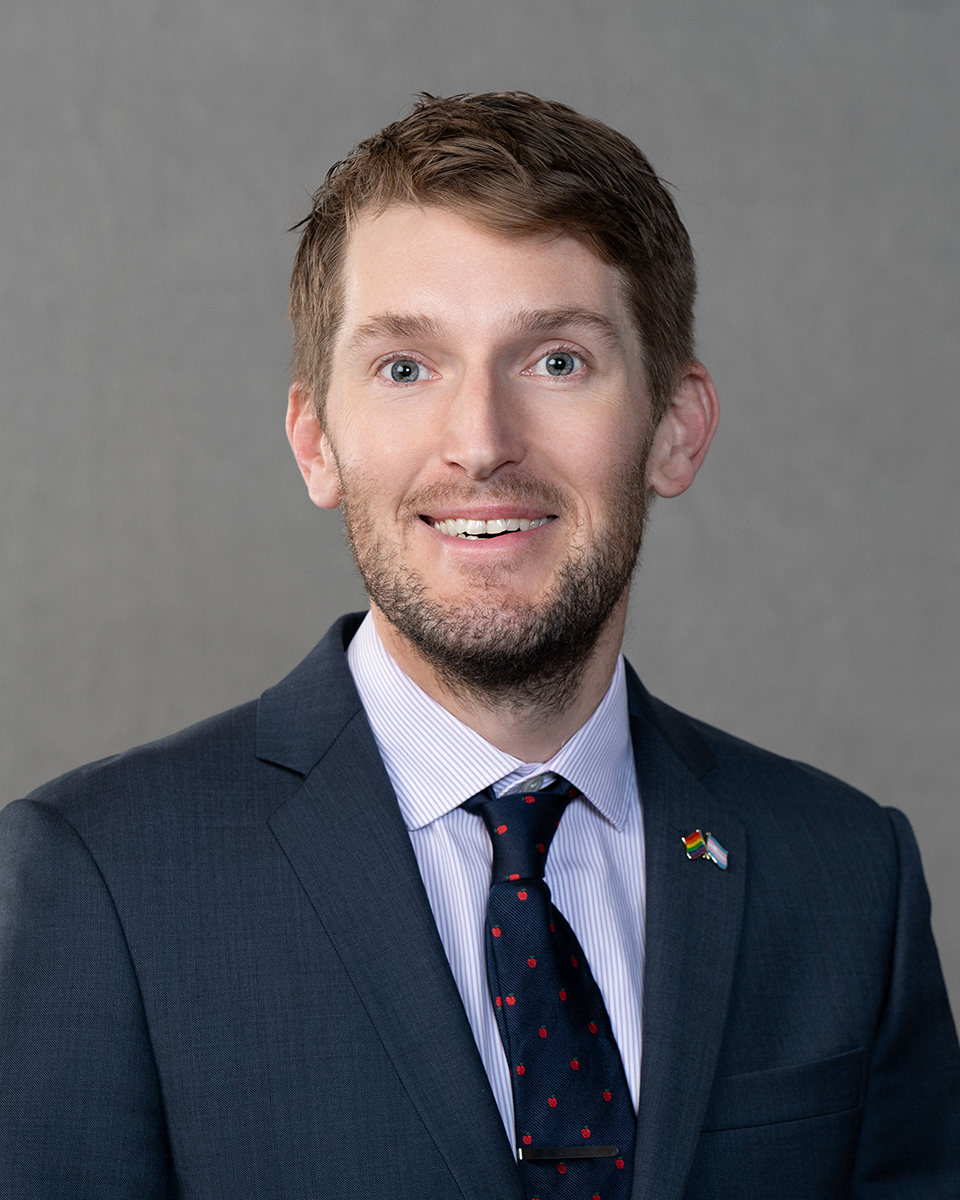
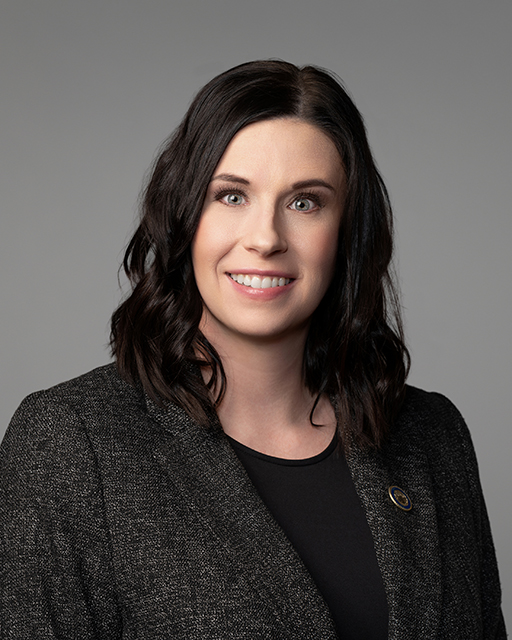
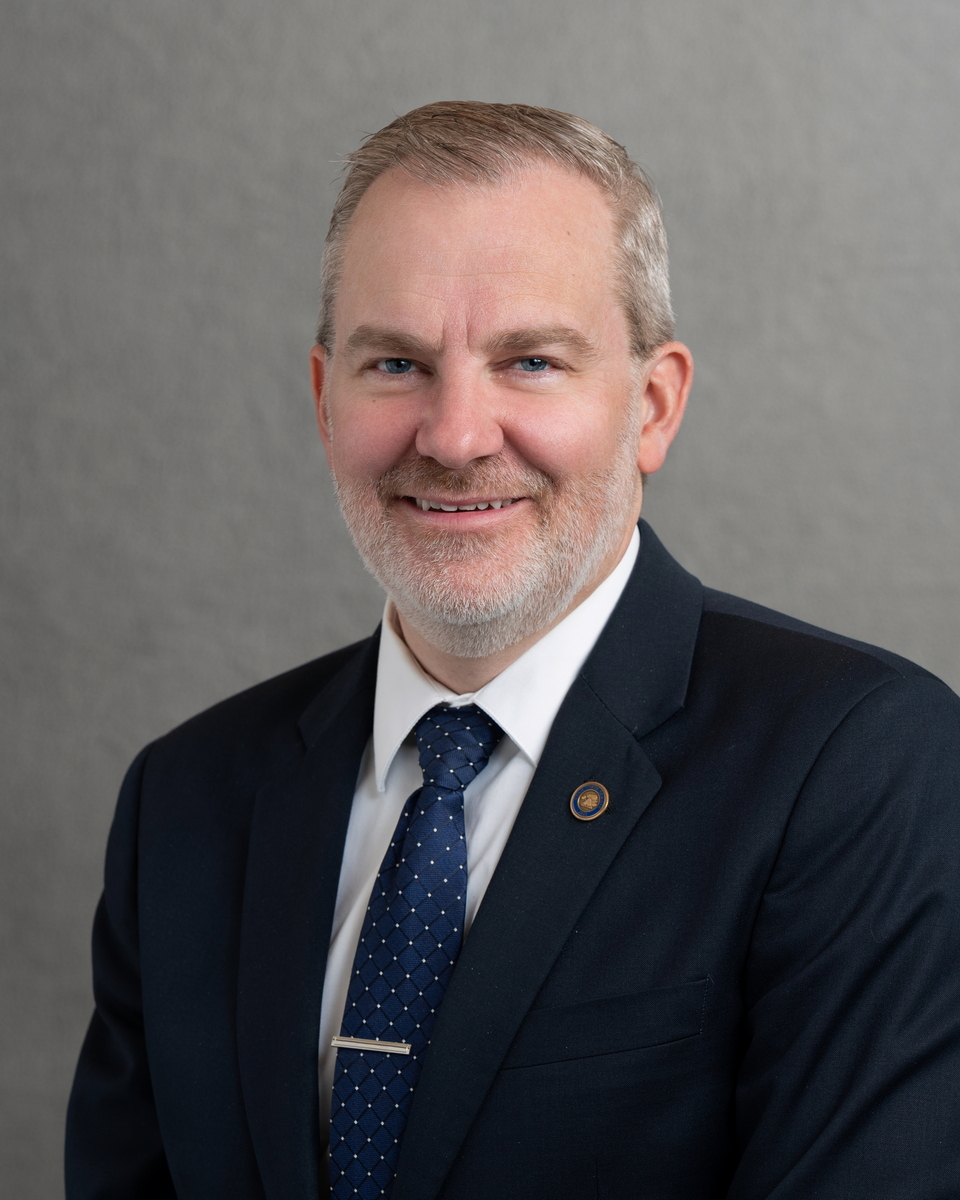
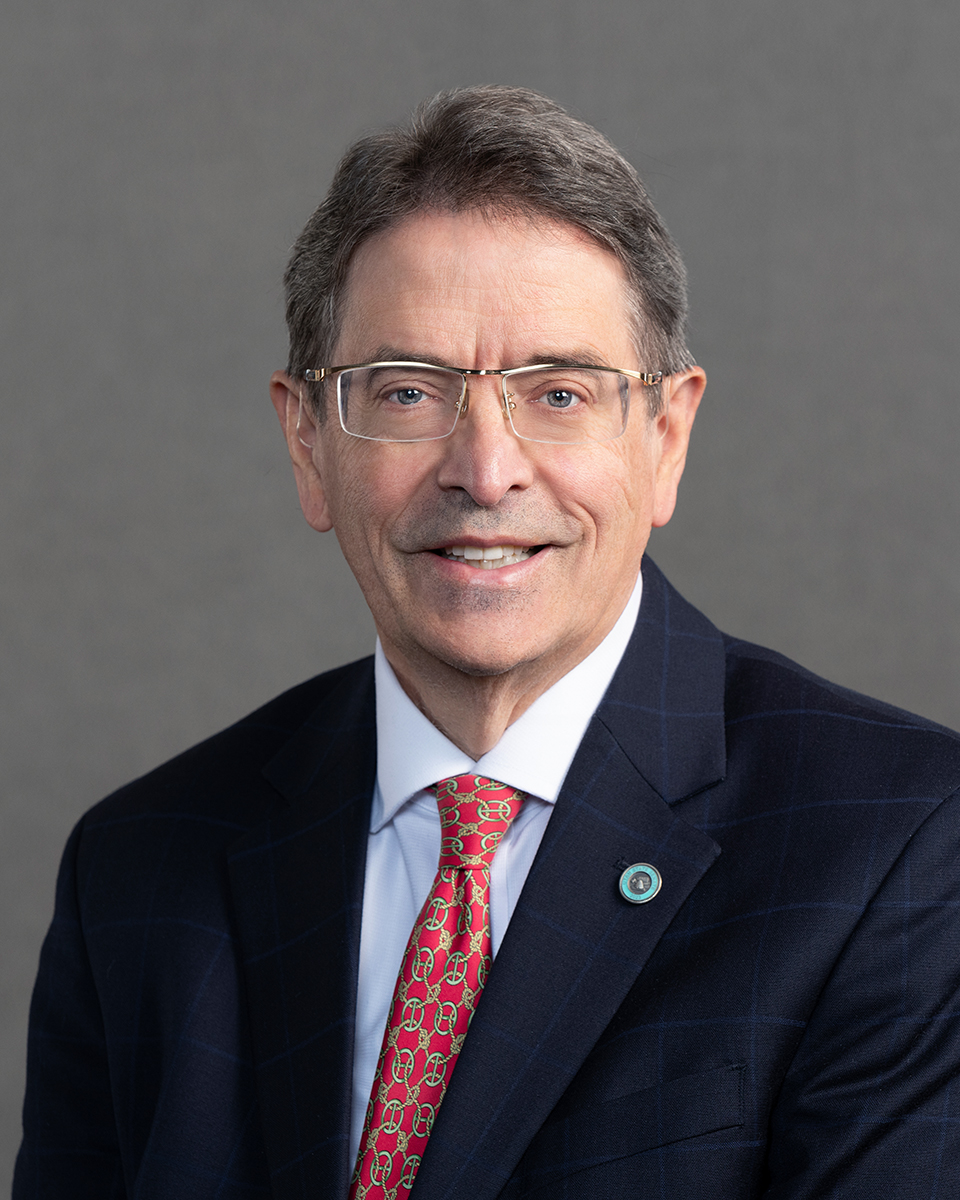
Kathleen Riebe
Kathleen Riebe Senate · District 15
D
Strong +
87% 63
Nate Blouin
Nate Blouin Senate · District 13
D
Strong +
83% 68
Karen Kwan
Karen Kwan Senate · District 12
D
Strong +
83% 68
Emily Buss
Emily Buss Senate · District 11
N
Strong +
82% 63
Norm Thurston
Norm Thurston House · District 62
R
Strong +
80% 45
Lincoln Fillmore
Lincoln Fillmore Senate · District 17
R
Strong −
10% 56
John Johnson
John Johnson Senate · District 3
R
Oppose
30% 65
Dan McCay
Dan McCay Senate · District 18
R
Oppose
38% 55
Cal Musselman
Cal Musselman Senate · District 4
R
Oppose
38% 64
Tiara Auxier
Tiara Auxier House · District 4
R
Oppose
38% 42
Showing 61–70 of 115 bills

All healthcare bills

signed · Utah · Senate Mar 18, 2026

SB 204: Physical Therapy Payment Amendments

SB 204 requires Utah health insurers to apply the same cost-sharing rules (like copays and deductibles) for physical therapy services as they do for primary care visits. This directly affects patients seeking physical therapy and insurers, ensuring they pay no more out-of-pocket for PT than for a primary care visit. The bill amends Utah law to prohibit insurers from charging higher fees or imposing extra costs for physical therapy compared to primary care, while clarifying that physical therapists must still practice within existing scope-of-practice laws. It takes effect January 1, 2027, with no new funding required.
Sub-Topics Primary Care
signed · Utah · House Mar 19, 2026

HB 390: Veterans PTSD Clinical Research Amendments

HB 390 authorizes Utah's Huntsman Mental Health Institute to conduct a clinical study on the safety and feasibility of psychedelic-assisted therapy for veterans with treatment-resistant PTSD (veterans whose PTSD hasn't improved with standard treatments). The bill permits Huntsman to accept donations and grants to fund the study, requiring combined legislative appropriations and donations to reach a sufficient threshold by January 1, 2027, to begin the research. Huntsman must report findings to the Health and Human Services Interim Committee and will return unused donations by July 1, 2032. The study must comply with federal and state regulations, including FDA oversight and safety protocols for administering psychedelic drugs like MDMA or psilocybin in controlled settings. The bill makes no direct funding appropriation and focuses solely on enabling this specific research initiative.
signed · Utah · Senate Mar 24, 2026

SB 150: Healthcare Providers Scope of Practice Amendments

SB 150 creates a formal process for reviewing whether healthcare practitioners (like nurses or therapists) should be allowed to use new technologies in their practice. It requires Utah's Office of Professional Licensure Review to conduct these "scope of practice reviews" when requested by legislators, healthcare employers, or professional groups. The office must convene advisory groups including affected practitioners, assess if the technology improves care access, outcomes, or costs, and then submit a report to the Business and Labor Committee. The bill does not change current practice standards but establishes a structured method for evaluating potential expansions to healthcare occupations' scope.
failed · Utah · Senate Mar 7, 2026

SB 137: Homeless Services Board Amendments

SB 137 amends Utah's Homeless Services Board by requiring two new members with health care expertise: one appointed by University of Utah Health and one by Utah's largest non-profit hospital system with multiple hospitals. This changes the board's composition to ensure direct representation from health care providers specializing in physical or mental health. The bill makes no new services or funding changes - it only adjusts membership requirements. The board's existing structure and responsibilities remain unchanged.
in committee · Utah · Senate Mar 7, 2026

SB 113: Medical Prescription Amendments

SB 113 extends the validity period for prescriptions of Schedule V controlled substances (like certain cough medicines and anti-diarrheal medications) from one year to two years. This change directly affects healthcare providers who write these prescriptions and patients needing ongoing treatment for conditions like chronic pain or allergies. The bill amends Utah Code sections 58-17b-609 and 58-37-6 to allow prescriptions to remain valid for up to two years without requiring renewal, while maintaining existing rules for higher-schedule drugs (Schedules I-IV). The policy change has no associated funding and applies only to low-risk medications under Schedule V.
signed · Utah · House Feb 27, 2026

HB 356: Drug Distribution Amendments

HB 356 clarifies Utah's rules for the federal 340B drug discount program, which provides discounted medications to eligible healthcare organizations. It defines key terms like "340B covered entity" (e.g., hospitals or clinics participating in the federal program) and prohibits drug manufacturers from restricting contracts between pharmacies and these entities or requiring excessive data sharing beyond federal requirements. The bill directly affects 340B-covered entities, pharmacies, and drug manufacturers by ensuring they cannot interfere with program participation or impose unnecessary conditions. It makes technical updates to Utah law without new funding, aligning state rules with federal program standards.
Sub-Topics Prescription Drugs
signed · Utah · Senate Mar 19, 2026

SB 73: Online Age Verification Amendments

SB 73 requires online platforms providing content deemed harmful to minors to implement age verification systems. It imposes an excise tax on these platforms, with revenues funding mental health programs and enforcement through the Division of Consumer Protection. The bill creates two dedicated accounts for these funds and grants the Division authority to investigate violations, impose fines, and establish verification standards. Platforms failing to comply face civil penalties, while approved verification methods receive a safe harbor from liability.
signed · Utah · House Mar 26, 2026

HB 416: First Responder Health Modifications

HB 416 creates the Firefighter Cancer Benefit Trust Fund to provide financial support for firefighters diagnosed with cancer presumed to be work-related. The bill redirects existing revenue from property and life insurance premiums (specifically 50% of the first $4 million from property insurance tax and 10% of the first $1 million from life insurance tax) to fund this trust, replacing prior allocations. The trust fund, administered by an 11-member board (including firefighters, fire chiefs, medical experts, and officials), will cover benefits for affected firefighters and their families, with assets protected from creditor claims. This bill modifies tax distribution rules without new appropriations, directly affecting Utah firefighters with presumptive cancer diagnoses under existing law.
signed · Utah · House Mar 18, 2026

HB 174: Sex Characteristic Change Treatment Amendments

HB 174 prohibits health care providers in Utah from administering cross-sex hormones or puberty blockers to minors after January 28, 2027, unless the minor was diagnosed with gender dysphoria before January 28, 2023. The bill amends Utah Code Section 58-1-603.1 to establish this ban, directly affecting minors seeking these treatments who do not meet the pre-2023 diagnosis requirement. It repeals a prior requirement for medical evidence reviews (Section 26B-1-239) and takes effect on May 6, 2026. The law applies to all minors under Utah's definition, with violations classified as unprofessional conduct for providers.
signed · Utah · House Mar 17, 2026

HB 258: Insurance Coverage Amendments

HB 258 requires health insurance plans in Utah to cover reversal treatments for gender transition if the plan covers transition-related care. Specifically, plans covering hormonal transgender treatments must also cover reversal hormonal treatments, and plans covering surgical sex transition procedures must cover reversal surgeries. This applies to all health benefit plans renewed or entered into on or after January 1, 2027. The bill directly affects insurers and policyholders by mandating this coverage, without appropriating funds or adding new administrative requirements.
Sub-Topics Insurance
Showing 61 to 70 of 115 bills
Previous 1 6 7 8 12 Next