Issue · Education

Education

Every education bill, vote, and legislator stance in Utah, automatically classified by Maddy, our AI policy reader.

Total bills
119
2026 General Session
Top supporter
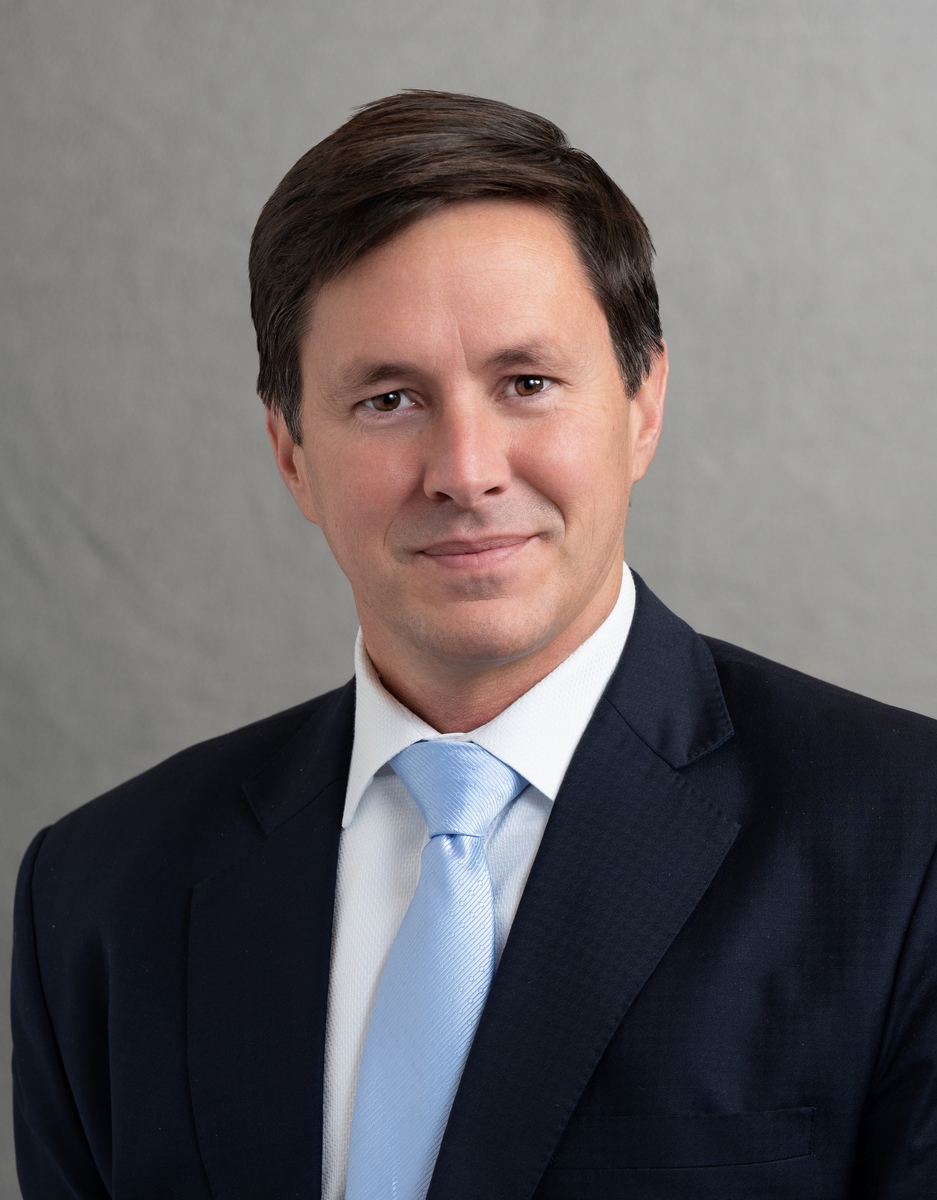
Kirk Cullimore
96% support rate
Top opponent
Nate Blouin
15% support rate
Ranked legislators
10
5 support · 5 oppose
Key legislators

Who's moving education in Utah

Legislators moving education in Utah
Legislator Party Stance Support rate Votes
Kirk Cullimore
Kirk Cullimore Senate · District 19
R
Strong +
96% 52
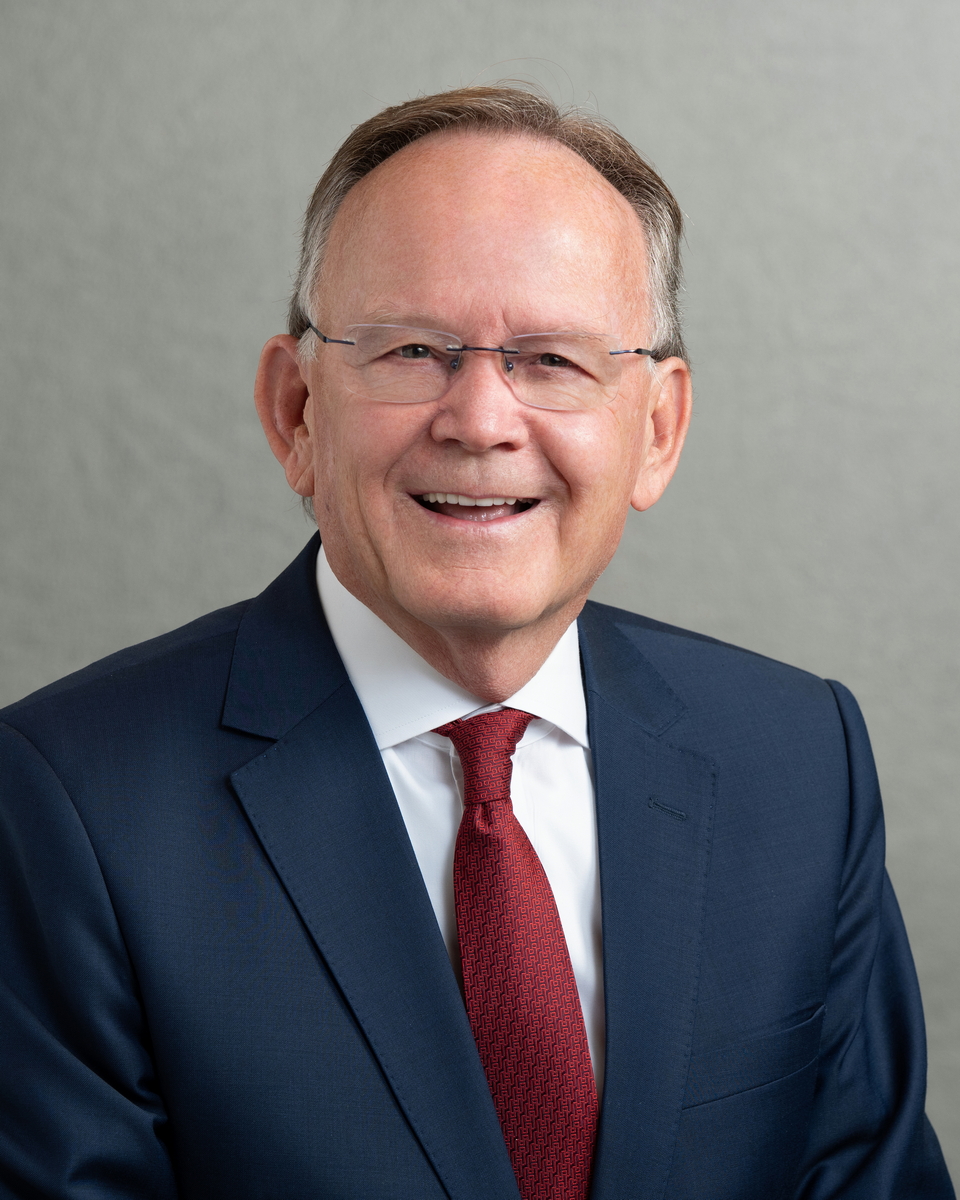
Mike McKell
Mike McKell Senate · District 25
R
Strong +
92% 69
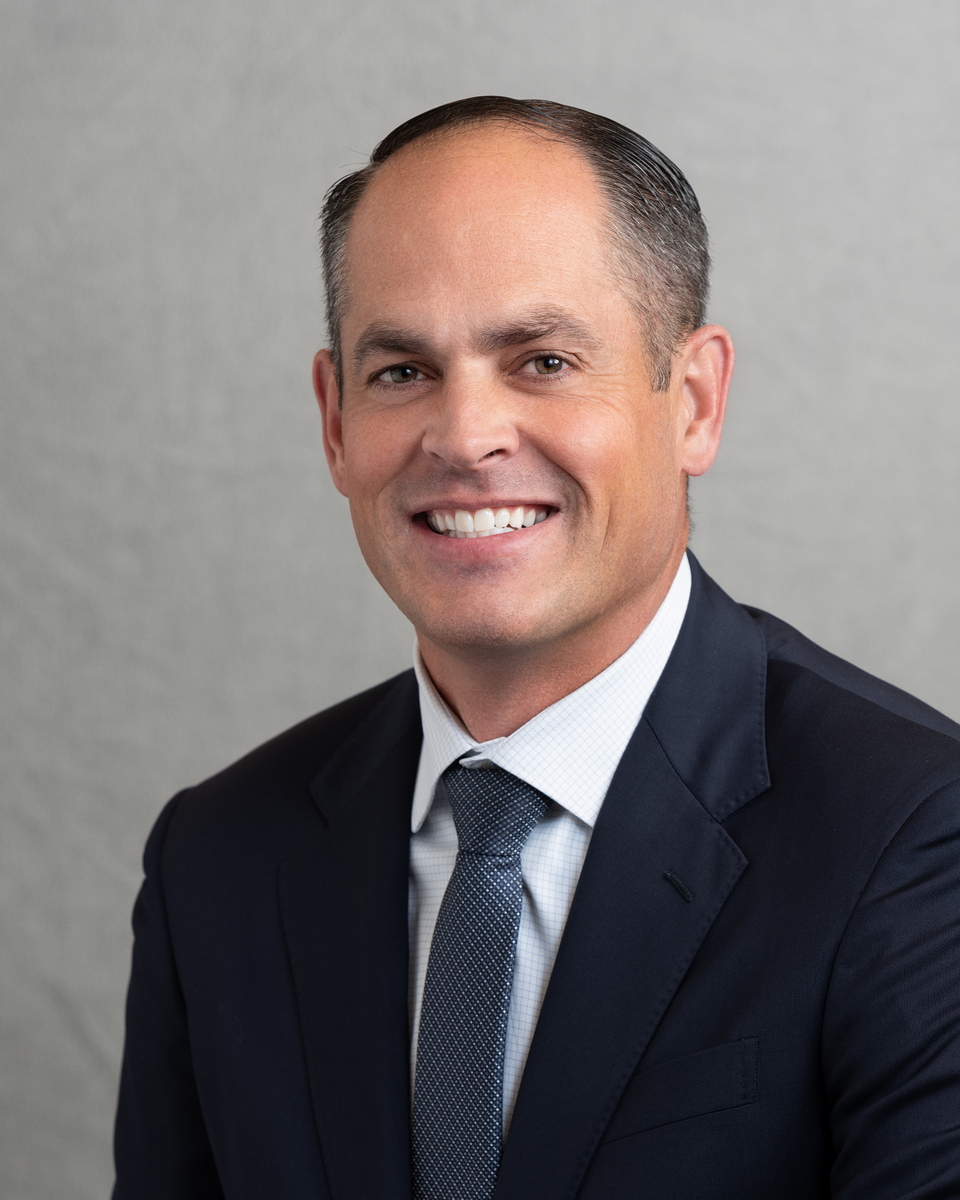
Stuart Adams
Stuart Adams Senate · District 7
R
Strong +
91% 62
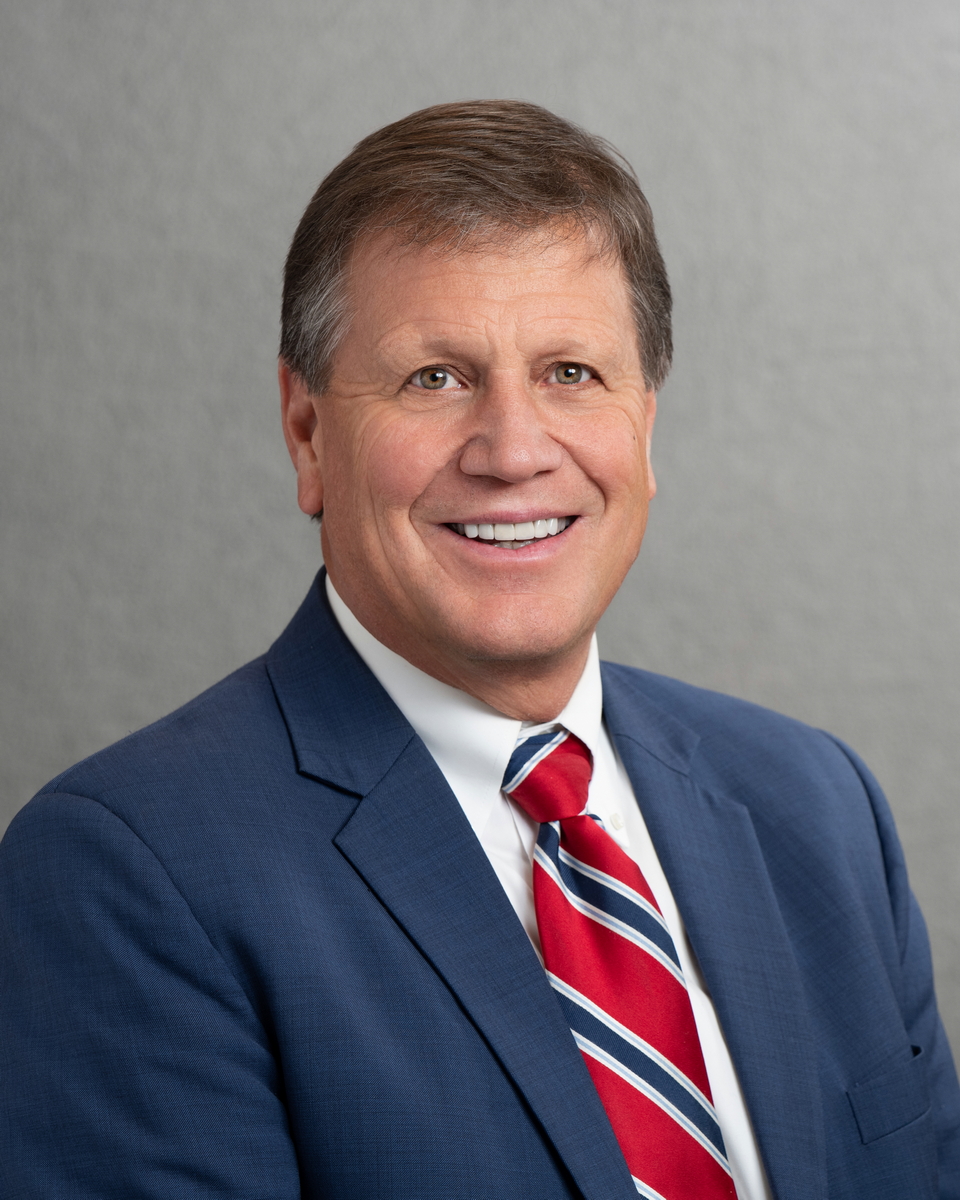
Keven Stratton
Keven Stratton Senate · District 24
R
Strong +
89% 72
Cal Musselman
Cal Musselman Senate · District 4
R
Strong +
89% 72
Nate Blouin
Nate Blouin Senate · District 13
D
Strong −
15% 78
Kathleen Riebe
Kathleen Riebe Senate · District 15
D
Oppose
21% 76
Leah Hansen
Leah Hansen House · District 51
R
Oppose
30% 51
Karen Kwan
Karen Kwan Senate · District 12
D
Oppose
32% 79
Stephanie Pitcher
Stephanie Pitcher Senate · District 14
D
Oppose
32% 76
Showing 71–80 of 119 bills

All education bills

signed · Utah · House Mar 18, 2026

HB 373: Higher Education Innovation

HB 373 creates a pilot grant program to fund higher education research at Utah public universities, administered by the Utah Board of Higher Education through the Nucleus Institute or other designated bodies. The bill allows the commissioner of higher education to take over certain duties previously handled by the board and requires annual reporting on the program's implementation. It does not appropriate new state funds, and the program would operate under existing funding mechanisms. The bill directly affects Utah public universities, research institutions, and faculty seeking competitive funding for innovative academic projects.
Sub-Topics Higher Education
signed · Utah · House Mar 18, 2026

HB 273: Classroom Technology Amendments

HB 273 requires Utah's State Board of Education to develop model policies for technology and artificial intelligence use in public schools, directly affecting all Utah public schools, teachers, and students. Key provisions include adding artificial intelligence standards to core computer science curriculum, establishing grade-level technology use requirements, creating a model for balanced technology integration, and allowing high schools to offer AI-focused "sandbox" courses. The bill also mandates reporting on implementation and exempts certain student groups from grade-level tech requirements, with no new state funding allocated.
in committee · Utah · House Mar 7, 2026

HB 227: Student Journalist Amendments

HB 227, the Student Journalist Amendments, protects student journalists' free speech rights in school-sponsored media while setting clear boundaries. It requires school boards to adopt policies ensuring students can produce content without censorship unless it violates specific limits (like obscenity, threats, or disruption), and prohibits schools from punishing advisers for supporting these rights. The bill also shields schools from legal liability for student content unless the school itself alters the material. This directly affects students creating school publications, their advisers, and school administrators who must implement these new policies by May 2026.
signed · Utah · House Mar 19, 2026

HB 143: Special Education Amendments

HB 143 requires Utah school districts to provide parents of students in special education with written notice at least 30 days before changing a student’s special education placement due to a boundary change (like moving to a new school). The notice must include details about the change’s reason, new location, timeline, contact information, and options for discussing it or scheduling an IEP meeting. It directly affects parents of students in special education programs whose school assignments are altered. The bill creates a clear process for districts to communicate these changes while giving parents time to provide input before decisions are finalized.
Sub-Topics Special Education
signed · Utah · Senate Mar 18, 2026

SB 165: Economic Mobility Initiative

SB 165 establishes Utah's "Raising Expectations through Accountability, Community, and Hope" initiative to support community coalitions working on education and economic outcomes. It creates two grant tracks: "partnership development" grants for communities to build plans (requiring criteria like rural location, low school graduation rates, or significant community disparities), and "implementation" grants for executing approved plans. The program requires coalitions - comprising nonprofits, local governments, schools, and community members - to develop detailed "mobility action plans" focused on measurable goals like improving graduation rates, postsecondary completion, or family income levels. Communities must track progress using defined "community indicators" (e.g., kindergarten readiness, high school graduation, housing stability, and self-sufficiency income rates). The bill sets up the program framework but does not appropriate funds for implementation.
passed · Utah · Senate Mar 7, 2026

SB 75: Educator Salary Adjustment Eligibility

SB 75 defines eligibility for annual educator salary adjustments by requiring a license from the Division of Professional Licensing and a position as a social worker or registered nurse in an educational setting. The bill mandates that the Legislature annually appropriate funds for these adjustments, though actual funding remains subject to budget constraints. It directly affects licensed social workers and registered nurses employed in educational roles by establishing their eligibility for potential salary increases. The bill does not guarantee specific raises but creates a framework for future budget allocations to address retention and recruitment. (Note: This bill is procedural in nature, defining eligibility criteria rather than implementing new policy.)
signed · Utah · House Mar 19, 2026

HB 279: Higher Education Code Amendments

HB 279 amends Utah's Higher Education Code to include private postsecondary educational institutions under certain sections that previously applied only to public institutions. The bill updates definitions and provisions to ensure private colleges and universities are covered by existing higher education regulations, such as those governing the STEM Action Center Board. Key changes involve modifying code sections (including 9-22-102, 9-22-104, and 53H-11-306) to explicitly reference "private postsecondary educational institutions" in relevant contexts. This technical adjustment ensures private institutions are subject to the same statutory frameworks as public higher education entities, without creating new programs or appropriating funds.
Sub-Topics Higher Education
introduced · Utah · House Mar 7, 2026

HB 189: Technical Colleges Funding Amendments

HB 189 requires Utah's Higher Education Appropriations Subcommittee to adjust funding formulas for technical colleges to ensure they provide equal funding value for secondary and adult students and fully account for the colleges' statutorily required services. This change, effective May 6, 2026, directly affects how state funds are distributed to Utah's technical colleges. The bill does not appropriate new money but mandates specific adjustments to existing funding mechanisms to better align with institutional responsibilities and workforce needs. It amends Section 53H-1-402 of Utah Code to formalize these requirements in funding calculations.
signed · Utah · Senate Mar 19, 2026

SB 152: Public and Higher Education Collaboration

SB 152 clarifies how public school districts and higher education institutions handle student data by requiring clear explanations about what data is collected, how it will be used, and the right for families to opt out of data sharing. The bill specifically addresses transparency around data practices under existing law (Section 53E-9-402(1)), mandating that schools disclose collection methods, usage purposes, and opt-out options to parents or guardians. It directly affects school districts, colleges, and families by standardizing data privacy communication. The bill focuses on concrete policy changes to improve transparency, not on new funding or program creation. (3 sentences)
Sub-Topics Data Privacy
failed · Utah · House Mar 7, 2026

HB 298: School Design Amendments

HB 298 requires Utah's State Board of Education to create and maintain a public library of standardized school building designs for elementary, middle, high, and multi-level schools. School districts and charter schools must own and submit publicly funded designs to this library, while also using the library for new construction projects. The bill mandates life-cycle cost analysis, safety compliance, cost transparency, and competitive bidding for design fees, with designs required to meet accessibility standards and adapt to local needs. This directly affects all Utah public school districts, charter schools, and architects/engineering firms working on school construction projects.
Sub-Topics Procurement Libraries
Showing 71 to 80 of 119 bills
Previous 1 7 8 9 12 Next