

Maddy summaryThe Medicaid Dental Benefit Act of 2026 mandates that Medicaid programs cover a range of dental and oral health services for adults starting in 2027, including dentures, implants, and treatments for pain and emergencies. To help states afford this expansion, the bill provides 100 percent federal funding for these specific services for a 12-quarter period beginning in 2027, while allowing states the option to add extra dental benefits if they choose. In addition to expanding coverage, the legislation requires the federal government to develop standardized quality measures to track adult oral health outcomes and report on disparities based on race, ethnicity, and other demographics. The bill also directs the creation of an outreach program to help eligible adults find care and establishes a timeline for a comprehensive report on access barriers and reimbursement issues.
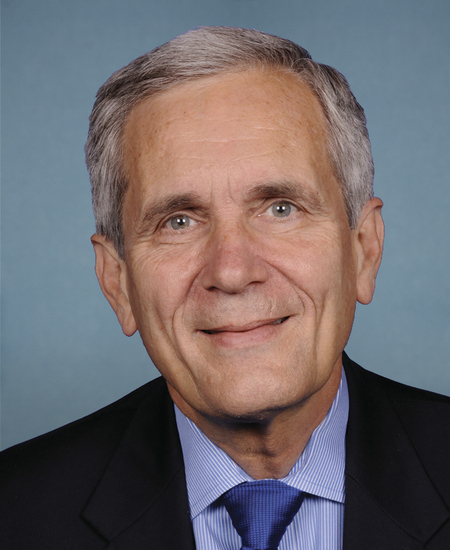
Rep. Lloyd Doggett
Sponsored bills
Maddy summaryThis bill reauthorizes federal programs focused on preventing and responding to tick-borne diseases through 2026-2030, extending existing efforts beyond their previous expiration. It updates the National Strategy for Vector-Borne Diseases to emphasize identifying, reporting, preventing, and responding to these illnesses. The bill modifies two sections of the Public Health Service Act to continue funding for health departments working on vector-borne disease control. It directly affects public health programs and state/local health departments managing tick-borne disease prevention and response.
Maddy summaryThe AADAPT Act reauthorizes and expands Project ECHO grants to improve Alzheimer’s and dementia care through technology-enabled training. It specifically funds grants for healthcare providers in rural, frontier, or medically underserved areas to enhance early diagnosis, quality care, and provider retention for dementia patients. The bill authorizes $1 million annually (2027-2032) for these dementia-focused training programs, requiring funds to supplement - not replace - existing resources. This directly supports primary care providers licensed to serve underserved communities, using collaborative online learning to address care gaps.
Maddy summaryHR 2821, the FDA Modernization Act 3.0, requires the FDA to update regulatory language within one year of enactment. It directs the agency to replace all references to "animal tests" with "nonclinical tests" in 22 specific sections of the Code of Federal Regulations related to drug development and approval processes. The bill also adds a definition for "nonclinical test" into relevant FDA regulations to align with prior legislative changes. This update applies directly to pharmaceutical manufacturers and FDA reviewers who follow these regulatory guidelines during drug development. The changes aim to modernize terminology without altering current testing requirements.
Maddy summaryHR 2001 increases annual funding for a grant program supporting dental workforce development from $13.9 million to $15 million, extending the program through fiscal years 2026-2030 (previously 2019-2023) under the Public Health Service Act. The bill modifies existing funding levels to maintain support for addressing dental workforce shortages, with funds remaining available until expended. This change directly affects the operation of the grant program and its ability to fund dental workforce initiatives.
Maddy summaryHR 2913, the Ukraine Support Act, provides comprehensive U.S. support for Ukraine in response to Russia's invasion. The bill authorizes security assistance including lend-lease authority for military equipment, establishes a Ukraine Reconstruction Trust Fund for economic recovery, and imposes new sanctions targeting Russian financial institutions, oil companies, and government officials. It also includes provisions to counter Russian disinformation, support Radio Free Europe, and address the kidnapping of Ukrainian children. The legislation directly affects U.S. foreign policy, Ukraine's defense capabilities, and Russia's access to international financial systems. The act aims to strengthen Ukraine's sovereignty while holding Russia accountable for its actions.
Maddy summaryThe Save MEDICARE Act of 2026 aims to improve the Medicare Advantage program by starting in 2028 with several changes to how health plans are paid and monitored. It requires the government to exclude diagnoses from chart reviews when calculating payments to prevent plans from inflating costs based on questionable data. The bill also speeds up audits and appeals to ensure faster resolution of coding disputes and introduces a new penalty system to recover overpayments from plans. Additionally, the law allows states to enforce Medicare rules within their borders and bans financial incentives for doctors based on how they code patient records. Finally, it establishes a mechanism for the Department of Veterans Affairs to recover costs when Medicare Advantage plans cover care that should have been paid for by the VA.
Maddy summaryThe Drug Deal Disclosure Act requires the Department of Health and Human Services to publicly release records of specific agreements between the federal government and major drug manufacturers starting in 2025. These agreements must include provisions such as offering lower drug prices based on international rates, providing discounts through government platforms like TrumpRx, or receiving special exemptions from import duties and regulatory reviews. While the bill mandates that most documents be made available in a searchable format, it allows the government to withhold only specific confidential pricing details if legally required by foreign laws or court orders, provided a justification is published. Additionally, the law directs the Congressional Budget Office and the Government Accountability Office to analyze the economic and budgetary impacts of these deals, including effects on Medicare, Medicaid, and drug competition.
Maddy summaryThe PRESERVE Act requires the General Services Administration to create a special committee before selling or demolishing federal buildings that contain publicly commissioned artwork. This committee must include experts in art history and conservation, along with GSA staff, to develop a plan ensuring the art remains accessible to the public or is transferred to a museum. The agency cannot dispose of such properties until this preservation plan is finalized and approved, and the plan must be made available on the GSA website for public review. The law specifically targets art owned by the government that was managed by the GSA Fine Arts Program within the last five years.
Maddy summaryThe Vaccine Injury Compensation Modernization Act of 2026 expands the National Vaccine Injury Compensation Program by increasing the number of special masters to at least 10, extending their terms, and raising maximum compensation awards to $600,000 for both vaccine-related deaths and pain and suffering. The bill also extends the time limit for filing injury claims from 36 months to 5 years and requires the Centers for Disease Control and Prevention to include adults and pregnant women in its annual reports. Additionally, the legislation adds COVID-19 vaccines to the official list of covered vaccines, clarifies rules regarding civil lawsuits for vaccine injuries, and mandates the inclusion of specific vaccines like shingles and RSV in the federal excise tax. To fund these changes, the act raises the vaccine excise tax from 75 cents to $2.20 per dose and requires the Department of Health and Human Services to submit detailed budgets for the compensation programs.