Maddy summaryThis concurrent resolution formally recognizes the persistent wage gap between Black women and white, non-Hispanic men in the United States. It highlights data showing that Black women earn significantly less than their male counterparts and reaffirms Congress's support for existing laws that prohibit pay discrimination based on sex or race. The document does not create new laws or change policy but serves as a symbolic statement to raise awareness about the economic disparities faced by Black women.
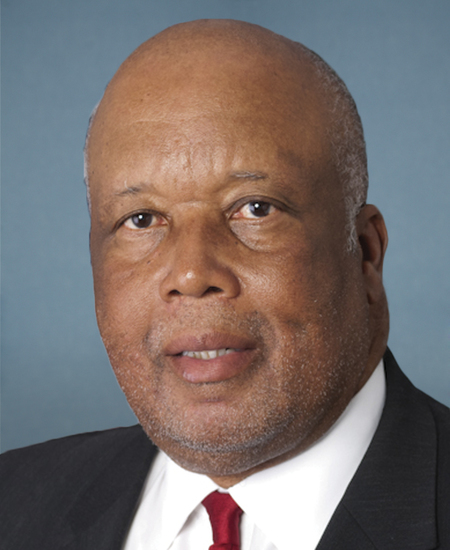
Rep. Bennie G. Thompson
Sponsored bills
Maddy summaryThe Save MEDICARE Act of 2026 aims to improve the Medicare Advantage program by starting in 2028 with several changes to how health plans are paid and monitored. It requires the government to exclude diagnoses from chart reviews when calculating payments to prevent plans from inflating costs based on questionable data. The bill also speeds up audits and appeals to ensure faster resolution of coding disputes and introduces a new penalty system to recover overpayments from plans. Additionally, the law allows states to enforce Medicare rules within their borders and bans financial incentives for doctors based on how they code patient records. Finally, it establishes a mechanism for the Department of Veterans Affairs to recover costs when Medicare Advantage plans cover care that should have been paid for by the VA.
Maddy summaryThe Tariff Impacted Farmer Support Act of 2026 directs the Secretary of Agriculture to provide financial assistance to farmers who lost revenue on specific crops due to tariffs during the 2025 and 2026 crop years. Eligible producers must grow corn, cotton, peanuts, poultry, or soybeans and have an average adjusted gross income of $500,000 or less. Payments are calculated based on the difference between a farmer's revenue in the previous year and their current year's revenue, with a total funding cap of $15 billion split equally between the two years. A key provision prevents any single farmer from receiving payments for both 2025 and 2026 losses, and the funds must be distributed by November 1 of the following year.
Maddy summaryThe Patients First Act of 2026 modifies how Medicare reimburses physicians and primary care providers to improve access and stabilize payments. It establishes a new hybrid payment model for primary care services from 2027 to 2031, which pays a monthly fee per patient to eligible independent practices while covering specific services like care management and telehealth without cost-sharing for patients. The bill also updates the formula for calculating reimbursement rates to account for high inflation years and requires more frequent updates to the costs used in calculating payments. Additionally, the legislation reforms the performance-based payment system by adding care efficiency measures, creating a task force to recommend new quality metrics, and adjusting penalties for providers who fail to report on certain data.
Maddy summaryThis bill requires Medicare Advantage plans to implement electronic pre-approval systems for medical services by 2028 and meet transparency reporting standards starting in 2027. Plans must publicly report data on approval/denial rates, appeal outcomes, response times, and technology use for pre-approval requests, including details on how denials relate to clinical criteria. It establishes a 24-hour response timeframe for certain requests and mandates annual reviews of pre-approval requirements based on data and input from seniors and providers. The law directly affects Medicare Advantage plans, seniors enrolled in these plans, and healthcare providers who submit pre-approval requests. These changes aim to make the pre-approval process faster, more transparent, and more accountable for seniors seeking covered medical services.
Maddy summaryThe Homeland Security Capabilities Preservation Reporting Act of 2026 requires the Department of Homeland Security to submit a report every three years. This report will detail how the Urban Area Security Initiative has transitioned to jurisdictions that are no longer eligible for its funding. The law mandates that the first report be provided within 18 months of the act's enactment.
Maddy summaryThis bill requires the Department of Homeland Security (DHS) to conduct a terrorism preparedness exercise specifically during extreme cold weather events (like polar vortexes). The exercise must test how critical infrastructure failures from such weather could cascade during a terrorist attack, including coordination between federal, state, local, tribal, territorial agencies, and private sector partners. DHS must then submit a report on the exercise findings and lessons learned to relevant congressional committees within 60 days. The bill does not create new programs or funding but mandates this specific readiness drill to improve response planning. (Procedural bill; summary limited to 1-2 sentences as required.)
Maddy summaryThis resolution expresses support for designating July 10th as Journeyman Lineworkers Recognition Day to honor the workers who maintain the nation's electrical grid. The bill specifically recognizes the dangerous conditions these employees face, such as working at heights near live power lines and responding to disasters like hurricanes and wildfires. It also commemorates Henry Miller, the first president of the International Brotherhood of Electrical Workers, who died on July 10, 1896, while performing his duties. Ultimately, the measure encourages the public to observe this day with reflection on the contributions of lineworkers.
Maddy summaryThe DHS CANDOR Act establishes a new public communications policy for the Department of Homeland Security to ensure all official information is accurate, objective, and reliable. It requires the department to create standards that prevent misleading or partisan statements and mandates rapid correction of any errors. The legislation also sets specific rules for using personal social media accounts, requiring employees to avoid representing personal views as official positions and prohibiting the sharing of non-public information. Additionally, the bill mandates annual training for all personnel on public communications ethics and requires the Inspector General to audit compliance with these new guidelines.
Maddy summaryThe Department of Homeland Security Accountability Act of 2026 requires the Secretary of Homeland Security to report any serious injury or death occurring in DHS custody or resulting from DHS actions within 72 hours to Congress and local representatives. These notifications must include detailed information such as the date and location of the incident, the nationality of the individual involved, specific use of force tactics, and whether medical assistance was provided. The bill also mandates that the Department conduct independent investigations for these incidents, which must include reviewing video footage, placing involved employees on administrative leave, and ensuring autopsies and medical reviews are performed. All investigation reports must be submitted to Congress within seven days of completion, and video recordings of the individuals involved must be preserved for at least five years.