

Maddy summaryThis House resolution acknowledges the progress made by the Americans with Disabilities Act of 1990 in promoting independent living and economic self-sufficiency for people with disabilities. It highlights ongoing challenges such as high unemployment rates, systemic barriers in workplaces, and unequal access to healthcare and technology. The bill calls on various federal agencies, including the Department of Labor and the Department of Transportation, to work together to remove these obstacles and expand opportunities for full community participation. By urging bipartisan cooperation, the resolution aims to strengthen support systems and ensure that individuals with disabilities can thrive in their homes, workplaces, and society at large.
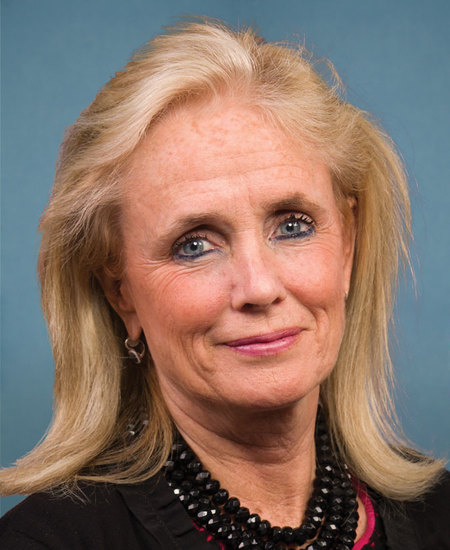
Rep. Debbie Dingell
Sponsored bills
Maddy summaryThis bill establishes federal protections and funding to expand access to in vitro fertilization and intrauterine insemination for individuals, military service members, and veterans. It requires most private health plans, Medicaid programs, and Medicare to cover these fertility treatments without imposing higher cost-sharing than other medical services. Additionally, the legislation mandates that the Department of Defense and the Department of Veterans Affairs provide specific fertility preservation and treatment benefits to uniformed service members and eligible veterans. The bill also includes preemption clauses that override state laws restricting these procedures and prohibits discrimination based on marital status, sex, or sexual orientation in the provision of care.
Maddy summaryThis bill establishes the Industrial Bank for American Manufacturing, a Treasury fund that can receive up to $15 billion annually from tariffs on goods from China and future congressional appropriations. The Secretary of Commerce is authorized to use these funds to provide loans, equity investments, or grants to U.S.-based manufacturers working in industries deemed critical for national security or supply chain resilience. To qualify, manufacturers must certify they have no tax liabilities or ties to prohibited foreign entities and agree to specific conditions, such as paying prevailing wages, hiring apprentices, and using funds only for domestic operations. The legislation also sets a $500 million cap on individual awards, requires public reporting on all grants, and limits the program's authority to ten years.
Maddy summaryThis bill reauthorizes and expands the Accelerating Access to Critical Therapies for ALS Act through 2031, extending funding for research into treatments for amyotrophic lateral sclerosis. It requires drug manufacturers to share interim clinical trial data with the FDA to better assess the progress of investigational drugs and clarifies that phase 3 clinical trial definitions include combined phase 2/3 trials and planned trials not yet enrolling participants. The legislation also mandates the FDA to publish an updated five-year action plan for ALS and other rare neurodegenerative diseases, including resource needs and coordination strategies with broader disease communities. Additionally, the bill requires the Government Accountability Office to submit a report on the program's implementation four years after enactment.
Maddy summaryThis bill expands federal election laws to prevent foreign nationals from influencing U.S. elections by tightening restrictions on domestic companies with significant foreign ownership or control. It requires businesses that are at least 50% owned by foreign individuals, or those with specific foreign influence, to file a sworn certification proving they are not foreign-controlled before making any political donations or spending money on election activities. Additionally, the law clarifies that these rules apply to state and local ballot initiatives and mandates that corporate political action funds certify their managers and board members are U.S. citizens or permanent residents. The legislation also prohibits recipients of funds from these businesses from using the money for further political contributions unless they receive and verify the required compliance certification.
Maddy summaryThis bill requires the Secretary of Defense to report on how quickly military members receive their electronic health records when leaving active duty. The report must cover a one-year period and include data on average wait times, the longest delays experienced, and reasons for any hold-ups. Following this report, the Defense Secretary must create new standards to ensure these records are delivered within a reasonable timeframe, a period to be determined based on the findings and feedback from service members and veterans. The legislation directly affects transitioning servicemembers by aiming to improve the timeliness of their medical record transfers.
Maddy summaryThe Childhood Disability Benefits Fairness Act changes how Medicaid eligibility is determined for children who receive Social Security child's insurance benefits. Under current rules, these children might be denied Medicaid because their Social Security payments count as income, even though the payments are meant to replace lost wages due to a parent's disability. This bill ensures that children in this situation are treated as if they are receiving Supplemental Security Income benefits instead, which allows them to qualify for Medicaid regardless of their Social Security income. The change applies to all new eligibility decisions made after the law is passed, aiming to provide consistent access to healthcare coverage for disabled children with low family incomes.
Maddy summaryThis bill designates the United States Postal Service facility at 117 West Lovett Street in Charlotte, Michigan, as the "Francis C. Flaherty Post Office Building." It directly affects the specific postal location by officially changing its name in federal records and documents. The key provision ensures that all future legal and official references to this building will use the new name. This is a commemorative measure that honors an individual without altering operational policies or funding.
This bill designates the facility of the United States Postal Service located at 324 Washington Avenue, Suite 1 in Grand Haven, Michigan, as the "Ell Thomas Simantz Post Office Building".
Maddy summaryThe Justice for Incarcerated Moms Act aims to improve maternal health outcomes for pregnant and postpartum individuals in the criminal justice system by restricting financial incentives for states that use restraints on pregnant inmates. Under the bill, states receiving federal justice grants would face a 25 percent funding penalty if they fail to implement laws limiting the use of shackles on pregnant individuals, with those withheld funds redirected to compliant states. The legislation also directs the Bureau of Prisons and the Department of Justice to create and fund programs in at least six federal facilities and across various state and local prisons that provide specialized prenatal care, mental health support, and reentry assistance. These programs are designed to address specific health disparities, particularly for racial and ethnic minority groups, by offering culturally competent care, nutrition counseling, and opportunities to maintain contact with newborn children. Additionally, the act requires an independent oversight organization to monitor program implementation and mandates a Government Accountability Office report to analyze maternal and infant health data within the correctional system.