

Maddy summaryThe Critical Mineral and Extraction Tax Parity Act expands a federal tax credit for advanced manufacturing to include eleven new critical minerals, such as boron, copper, and uranium, while also adding specific rules for phosphate. It allows companies that extract ore in the United States to claim these credits for the extraction costs themselves, provided they certify that the ore is refined into a qualifying mineral and sold to an unrelated buyer. Additionally, the bill removes a previous penalty that reduced tax credit amounts for metallurgical coal, ensuring these materials receive the same financial support as other critical minerals. These changes are designed to encourage domestic production and processing of essential raw materials and will take effect for minerals produced and sold after December 31, 2025.
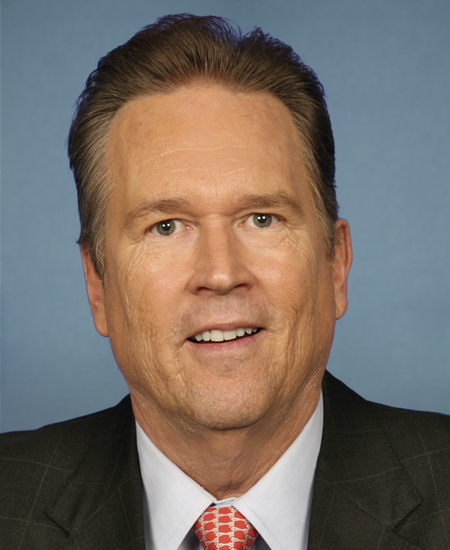
Rep. Vern Buchanan
Sponsored bills
This resolution expresses support for police officers and other law enforcement personnel. The resolution further recognizes law enforcement officers across the United States in the pursuit of preserving safe and secure communities; the need to ensure that such officers have the equipment, training, and resources necessary to protect their health and safety while they are protecting the public; and the law enforcement community for acts of sacrifice and heroism. The resolution expresses condolences and appreciation to the loved ones of each law enforcement officer who has made the ultimate sacrifice in the line of duty.
Maddy summaryThis bill would amend federal law to strengthen penalties for organized retail crime by expanding definitions of theft to include digital goods, gift cards, and setting a $5,000 aggregate value threshold for charges over a 12-month period. It would establish a new "Organized Retail and Supply Chain Crime Coordination Center" under Homeland Security to coordinate Federal, State, local, and Tribal law enforcement efforts against cross-jurisdictional theft groups. The Center would share information with retailers, transportation companies, and law enforcement agencies, track crime trends, and produce annual reports on organized retail crime. This legislation directly affects retailers, supply chain businesses, and law enforcement agencies, while targeting organized crime groups responsible for a 93% increase in larceny incidents and rising safety concerns for retail employees. The bill aims to address significant financial losses and supply chain disruptions noted in the National Retail Federation's 2023 data.
Maddy summaryThis bill requires states to connect foster youth aged 18-21 who are pregnant or parenting with home visiting programs and support services under existing federal law. It mandates that states certify they have systems to inform these youth about evidence-based home visiting services and provide tailored case management to help them access resources. The law directly affects expectant and parenting foster youth in care by expanding access to health, parenting, and stability services. Key provisions amend federal law to ensure these youth receive coordinated support through state child welfare systems. The changes take effect one year after enactment for new service plans.
Maddy summaryThe Petfax Act of 2026 requires sellers of dogs and cats to provide buyers with specific information about the animal's source, health history, and any past violations of animal welfare laws. This disclosure rule applies to licensed dealers, retail pet stores, and other commercial sellers but excludes public shelters and bona fide rescue organizations. Additionally, the bill makes it illegal for sellers to misrepresent whether a pet came from a high-volume breeder and gives the Federal Trade Commission authority to enforce these consumer protection standards. The legislation also tightens licensing rules by prohibiting the issuance of new licenses to immediate family members or related entities if a previous license at the same location was suspended or revoked in the last decade. Finally, the act allows the Secretary of Agriculture to revoke any licenses that were improperly granted after the law's enactment.
Maddy summaryThis bill, the IRS Whistleblower Program Improvement Act, aims to strengthen protections and incentives for individuals who report tax violations to the Internal Revenue Service. It directly affects whistleblowers who submit information about tax evasion or avoidance schemes and the IRS officials who evaluate those reports. Key changes include requiring Tax Court reviews of whistleblower awards to be conducted de novo based on the original administrative record, granting whistleblowers anonymity before the Tax Court unless a societal interest outweighs potential harm, and adding interest to award amounts if the IRS delays providing preliminary recommendations. The legislation also modifies IRS annual reports to include descriptions of top tax avoidance schemes disclosed by whistleblowers and corrects a provision regarding attorney fee deductions for whistleblowers.
Maddy summaryThis bill establishes a federal system to protect and restore wildlife corridors on public lands, aiming to help native species move safely across fragmented habitats affected by development and climate change. It creates a new mapping and science program to identify critical wildlife pathways, designates specific federal lands as National Wildlife Corridors, and sets up a coordinating committee of federal agencies and stakeholders to manage these areas. The legislation also authorizes grants for private landowners, states, tribes, and local governments to implement conservation projects that improve habitat connectivity on non-federal lands.
Maddy summaryHRES 1196 is a House Resolution that formally designates April as "Cancer Prevention and Early Detection Month." The resolution expresses the House of Representatives' support for the goals and ideals of this month, affirming a national commitment to educating the public on disease prevention and commending advancements in multi-cancer early detection efforts.
Maddy summaryThis resolution expresses the House of Representatives' strong support for designating April 19 through April 25, 2026, as "National Crime Victims' Rights Week." It recognizes the impact of crime on victims and survivors, appreciates organizations that assist them, and encourages continued efforts to support victims' rights and services.
Maddy summaryThis resolution expresses support for the Working Families Tax Cuts, a law already enacted in July 2025 that provides various tax benefits to American taxpayers. The bill directly affects individuals and families by recognizing specific provisions that reduce tax liability, including expanded child tax credits, increased standard deductions, and tax relief for tipped workers and overtime pay. Key provisions include making a four-person household earning under $73,000 generally face zero federal income tax, increasing the child tax credit to $2,200 per child, and allowing 529 accounts to cover K-12 and trade school expenses. The resolution also acknowledges tax relief for seniors, auto loan interest deductions for American-made vehicles, and expanded health savings account access. This is a procedural measure that formally acknowledges existing tax policies rather than creating new legislation.