Maddy summaryThis bill, titled the Dignity and Due Process for Children Act of 2026, restricts how unaccompanied children under 18 are handled by immigration authorities in the United States. It requires immigration judges to issue an arrest warrant before detaining these children pending removal decisions and prohibits the use of military personnel or Department of Defense vehicles to transport them for deportation, except during declared natural disasters. Additionally, the law forbids government agencies from pressuring children to sign legal documents that affect their status without first ensuring they have confidential access to a lawyer, mandating legal referrals within five business days if a child does not already have one.
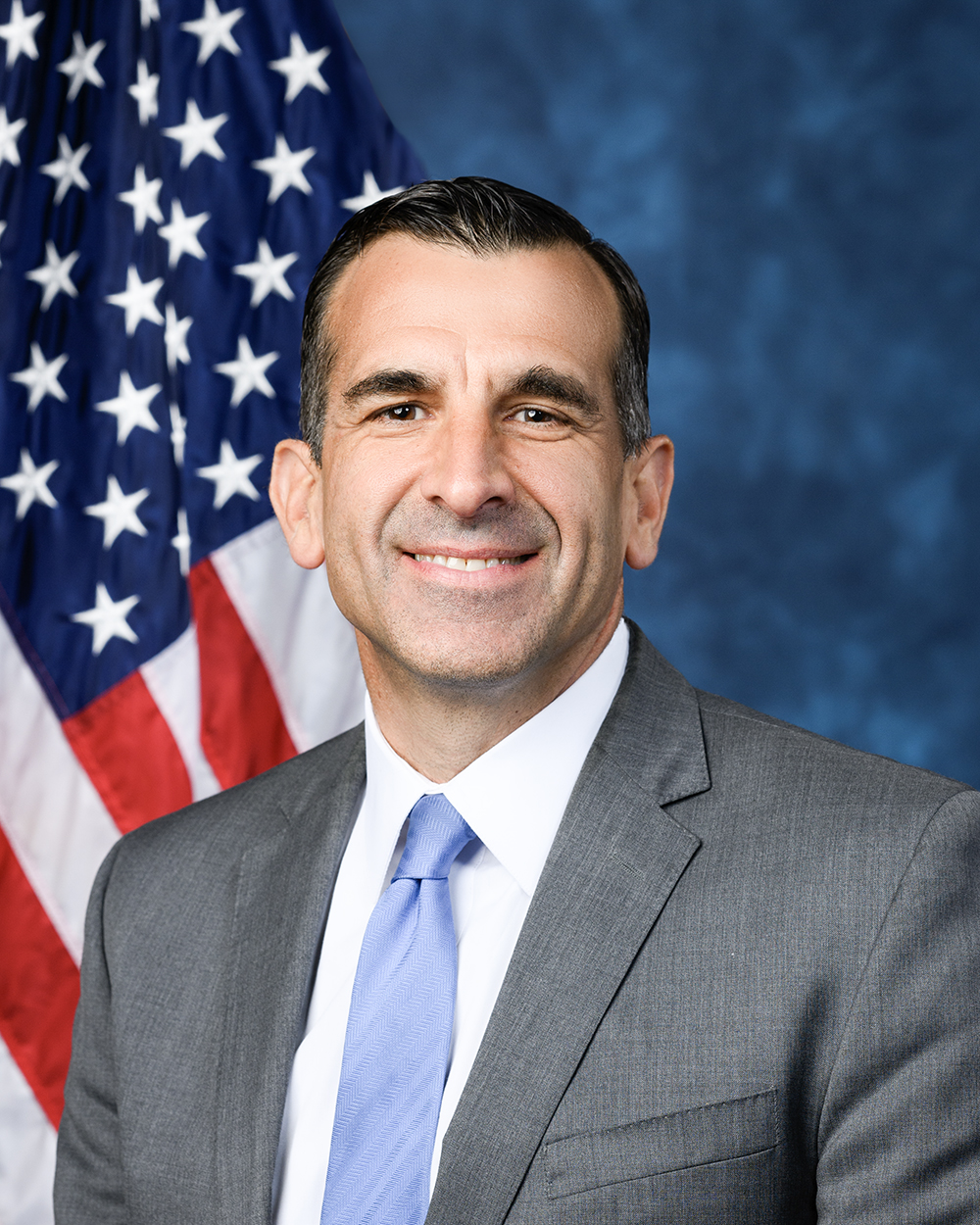
Rep. Sam T. Liccardo
Sponsored bills
Maddy summaryThis resolution formally congratulates the James Lick Observatory on its 150th anniversary and recognizes its historical contributions to astronomy and science. It highlights the observatory's legacy, including its role in major scientific discoveries and its partnership with the University of California to train scientists and engage the public. The House of Representatives commends the University of California for managing the facility and encourages continued support from federal, state, and private sources. This non-binding measure serves as a symbolic acknowledgment of the observatory's achievements rather than establishing new laws or funding.
Maddy summaryThe Protecting Student Privacy Act prevents federal student aid data from being shared with immigration enforcement agencies for the purpose of enforcing immigration laws. This rule applies to information held by the Department of Education regarding students and their financial contributors, such as parents or spouses, and blocks its use for arrests, interviews, or surveillance by the Department of Homeland Security and other authorized entities. The law includes specific exceptions for court orders related to criminal offenses and for cases where a student or contributor voluntarily and without pressure consents to sharing their information. Additionally, the bill requires the Secretary of Education to report any unauthorized disclosures to Congress and states that this new rule overrides any conflicting state or local laws.
Maddy summaryThis bill, titled the No Presidential Self-Serving Lawsuits Act of 2026, prevents the current or former President of the United States from filing civil lawsuits against the federal government. It specifically invalidates an existing settlement agreement between a former President and the Internal Revenue Service and bars the use of federal funds to create compensation for such lawsuits. Additionally, the legislation authorizes the Treasury Secretary to recover any money already spent in violation of these new restrictions. The primary goal is to stop a President from using taxpayer money to settle legal disputes with the government they lead.
Maddy summaryThe No Taxpayer-Funded Settlement Slush Funds Act of 2026 prohibits the use of federal money to pay specific settlements involving high-ranking government officials and their close associates. It bars payments to the President, Vice President, their immediate families, cabinet members, senior executive staff, political appointees, and individuals connected to these roles, as well as any entity owned by the President or Vice President. Additionally, the bill restricts settlements related to claims about the January 6 Capitol attack, foreign election interference, or previously dismissed lawsuits, while requiring Treasury reports for large settlements and allowing the government to seek repayment if rules are broken.
Maddy summaryThe Kimberly Vaughan Firearm Safe Storage Act directs the Attorney General to develop and publish voluntary guidelines for securely storing firearms in homes, vehicles, businesses, and other locations. To encourage compliance, the bill requires manufacturers and importers to include a "SAFE STORAGE SAVES LIVES" notice on every handgun, rifle, or shotgun starting in 2029. Additionally, the legislation creates a federal grant program to help states and tribes distribute locking devices that prevent unauthorized access to guns and ammunition. The act also introduces a tax credit of up to $400 for consumers who purchase these specific safe storage devices.
Maddy summaryThis bill proposes a constitutional amendment to limit the tenure of Supreme Court justices to a maximum of 18 years. It would apply to all current justices, terminating their terms if they have already served 18 years or more, and would require the Chief Justice to be replaced according to existing laws if their term ends. The amendment aims to address concerns about judicial longevity by establishing a fixed term for all justices on the nation's highest court.
Maddy summaryThis resolution commemorates the 51st anniversary of the Fall of Saigon on April 30, 1975, and the subsequent day known as Black April. It formally acknowledges the historical events of that date, including the displacement of millions of Vietnamese people and the U.S. military's evacuation efforts. The document honors the contributions of Vietnamese Americans to the United States and reaffirms support for democracy and human rights in Vietnam. Additionally, it pays tribute to the service and sacrifice of U.S. and South Vietnamese military personnel who fought during the Vietnam War.
Maddy summaryHR 2488 designates the U.S. Postal Service facility at 3817 Marysville Boulevard in Sacramento, California, as the "Grantland Johnson Post Office." This bill updates all federal references in laws, maps, and documents to use the new name for that specific location. It directly affects the postal service facility and any federal records mentioning it. The bill is purely procedural, with no policy changes or financial impacts beyond the name designation.
Maddy summaryThis bill modernizes housing assistance programs for Native American tribes and Native Hawaiians by streamlining environmental reviews, extending funding authorization through 2032, and expanding loan guarantee options. Key provisions include consolidating environmental review requirements to reduce paperwork for tribes, allowing 99-year leasehold interests on trust lands for housing, and creating new rental assistance specifically for homeless or at-risk Native American veterans. The legislation also clarifies rent rules, waives certain housing counseling certifications for tribal entities, exempts tribal housing projects from some federal civil rights and Buy America requirements, and establishes a direct loan guarantee process for tribal housing projects.