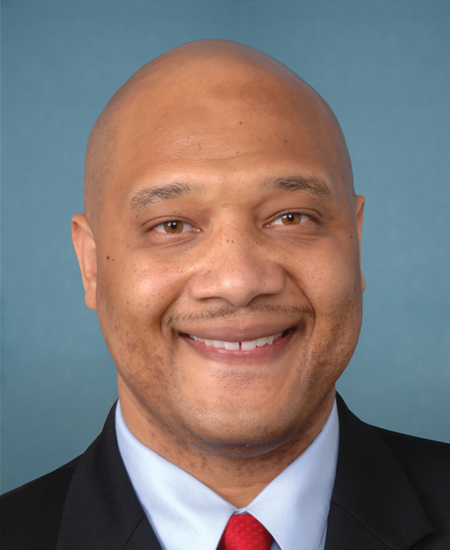
Dental Care for Veterans Act This bill expands eligibility for veterans for dental care provided by the Department of Veterans Affairs (VA). Specifically, the bill makes all veterans who are enrolled in the VA health care system eligible for VA-provided dental services. Currently, only veterans who have a service-connected dental issue or meet other narrow criteria are eligible for certain dental services. The bill phases in eligibility over four years based upon existing eligibility, degree of service-connected disability or other disability, prisoner of war status, award of a Purple Heart, financial need, or VA health care eligibility.
This bill provides mortgage forbearance for homeowners and multifamily property owners with federally backed loans (such as FHA, VA, USDA, or federally securitized mortgages) in areas affected by federally declared disasters. Borrowers can request a 180-day payment pause during the disaster period, extendable by up to 180 more days, with no additional fees, penalties, or interest accruing beyond scheduled amounts. Servicers must grant this forbearance promptly upon request, regardless of the borrower's loan delinquency status. The policy applies to disasters declared on or after January 1, 2025.
This bill removes pay caps for therapeutic and diagnostic medical physicists employed by the Department of Veterans Affairs (VA). It directly affects VA-employed medical physicists who specialize in radiation treatment planning (therapeutic) and imaging diagnostics (diagnostic), who previously faced lower pay rates than other VA healthcare professionals. The key mechanism amends Title 38 of the U.S. Code to insert these roles into pay classifications, qualifications, and grade structures alongside physicians, podiatrists, and dentists. The bill also requires the VA Secretary to submit a report within one year assessing the impact of these pay changes on staffing, costs, and care provided under VA agreements.
The Love Lives On Act of 2025 modifies veterans' and military survivors' benefit rules to prevent remarriage from automatically ending eligibility. It directly affects surviving spouses of veterans or military members who remarried, ensuring they retain access to key benefits. Key provisions include: (1) preventing termination of veterans' dependency compensation (under 38 U.S.C. §1311/1562) due to remarriage; (2) stopping termination of military Survivor Benefit Plan annuities solely for remarriage, with specific rules for those who remarried before age 55; and (3) expanding TRICARE coverage to include remarried widows/widowers whose subsequent marriage ended (via death, divorce, or annulment). These changes restore or maintain benefits that were previously lost upon remarriage.
HR 5995, the "Have You Served Act," provides grants to states and tribes with veteran suicide prevention plans to fund "Ask the Question Campaigns." These campaigns train human services professionals, local governments, and community providers to respectfully ask clients if they or a loved one served in the military, then connect them to VA resources. The bill authorizes $6 million annually (2026-2030) for up to 25 grants of $200,000 each to support this training and outreach. It directly affects veterans and their families by improving access to VA services through community-based referrals, without changing eligibility for benefits.
HR 5915, the K2 Veterans Total Coverage Act of 2025, creates a presumption of service connection for specific health conditions in veterans who served at Karshi Khanabad Air Base (K2) in Uzbekistan. It amends U.S. Code to automatically link 15 categories of diseases - such as all cancers, thyroid disorders, bone diseases, cardiovascular issues, neurological conditions, and respiratory illnesses - to military service at that location. This means veterans diagnosed with any of these conditions no longer need to prove a direct connection between their illness and their K2 service to qualify for VA benefits. The bill directly affects veterans who were stationed at Karshi Khanabad Air Base, streamlining their access to healthcare and compensation.
HR 4509, the NOPAIN for Veterans Act, requires the Department of Veterans Affairs (VA) to add FDA-approved non-opioid pain medications to its national formulary within one year of their approval for pain management. These medications must reduce pain without acting on opioid receptors, directly affecting veterans receiving VA care who need pain treatment. The bill mandates the VA include such drugs in its formulary and drug standardization list, expanding access to non-opioid options. It also prohibits using funds from the Cost of War Toxic Exposures Fund to implement these changes, with implementation required within 90 days of the bill's enactment.
S 3898, the Gerald’s Law Reauthorization Act of 2026, extends the expiration date of burial benefits for certain veterans. It directly affects veterans who die at home while receiving hospice care through the Department of Veterans Affairs (VA), ensuring they remain eligible for burial benefits. The bill amends existing law by changing the program’s sunset date from 2026 to 2030. This is a straightforward extension of an existing benefit, not a new policy change. The key provision simply delays the program’s expiration without altering eligibility or benefit amounts.
The Honor Our Promise to Veterans Act of 2025 improves veterans' access to care by requiring the Department of Veterans Affairs to schedule non-urgent appointments within seven days and urgent appointments within 48 hours of a veteran's request. The bill establishes an MST Aware rating program for community care providers who complete specific training on military sexual trauma and women veterans' care, and mandates regular reporting on appointment wait times and provider quality. It also creates new educational programs like "Start and Stay at VA" to recruit and retain healthcare staff, along with requirements for transparent staffing data and improved capital asset management for VA facilities. The legislation includes detailed reporting requirements for VA infrastructure projects and aims to enhance the overall quality and efficiency of veterans' healthcare services.
HR 4488, the Veterans Health Care Stamp Act, creates a special postage stamp sold by the U.S. Postal Service to allow the public to donate directly to veterans' medical care. The stamp must be issued annually by Veterans Day, with all sales revenue transferred to the Department of Veterans Affairs for medical services. The bill specifies that the stamp design is determined by the Postal Service and that there is no limit on how many can be sold, ensuring broad public participation in funding veterans' health care.