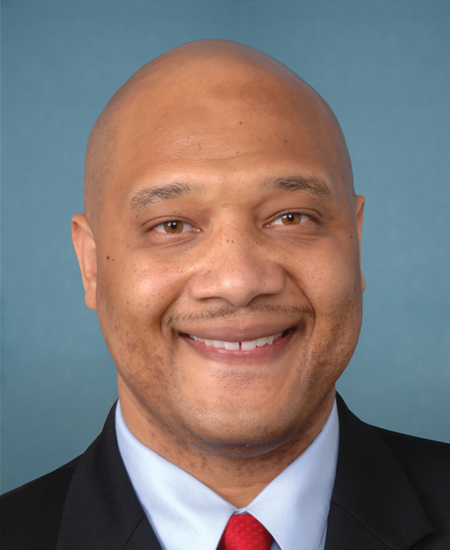
Key legislators
Who's moving veterans in United States
Showing 1,191–1,195 of 1,195
bills
All veterans bills
The Critical Access for Veterans Care Act expands veterans' access to critical access hospitals and affiliated rural health clinics by allowing care for veterans living within 35 miles of these facilities without requiring prior authorization or referrals. It establishes that these facilities will be paid at Medicare rates (instead of standard service-based rates) for veteran care, and mandates that claims be processed and paid within 60 days. The bill also requires the Department of Veterans Affairs to submit a report to Congress within one year detailing implementation, claim processing times, and user experience related to this expanded access. This directly affects veterans in rural areas seeking timely healthcare near their homes.
This bill amends veterans' benefits to provide a $525 plot allowance (adjusted for inflation) to state or local governments operating cemeteries when a veteran's spouse, surviving spouse (including those who remarried), minor child, or unmarried adult child (under 23 in school) is buried there. It directly affects state and local cemetery operators by creating a new payment mechanism for eligible burials. The key provision requires the VA to pay this allowance to the cemetery owner, not the family, and applies to deaths occurring after the bill's enactment date. The amount is indexed for inflation but does not change existing burial benefits for veterans buried in national cemeteries.
This bill requires the Department of Veterans Affairs (VA) to annually report detailed data on veteran deaths to Congress. The report must include, for each veteran who died, whether they had a total service-connected disability, their primary and secondary causes of death, and whether suicide was linked to a total service-connected disability. It aims to provide a clear breakdown of mortality patterns among veterans, particularly focusing on deaths connected to service-related disabilities. This data collection is intended to inform future policy decisions without altering current benefits or services. The bill directly affects the VA's reporting obligations and Congress's access to specific veteran mortality data.
SRES 392 is a Senate resolution designating November 16, 2025, as "National Warrior Call Day." It encourages all U.S. citizens to reach out to active-duty service members and veterans through phone calls or conversations to reduce isolation and connect them with support resources. The resolution specifically highlights the importance of peer-to-peer connections in addressing mental health challenges, citing veteran suicide statistics as context. As a symbolic measure (not a law), it does not create new programs but urges public engagement to support military personnel transitioning from service.
HR 217, the CHIP IN for Veterans Act of 2025, makes permanent a program allowing the Department of Veterans Affairs (VA) to accept donated properties and facility improvements from communities. This directly affects veterans by expanding potential access to VA services through locally donated facilities, such as buildings or renovations. The key provision removes the temporary expiration date from a 2016 pilot program, ensuring the VA can permanently accept these donations without needing periodic reauthorization. The bill updates related sections of the U.S. Code to reflect this permanent change, effective December 16, 2026. It does not alter eligibility for veterans or VA benefits but changes how facilities may be sourced.