

Issue · Veterans
Veterans
Every veterans bill, vote, and legislator stance in United States, automatically classified by Maddy, our AI policy reader.
Total bills
1,164
119th Congress
Top supporter
John Fetterman
88% support rate
Top opponent
Rand Paul
12% support rate
Ranked legislators
10
5 support · 5 oppose
Key legislators
Who's moving veterans in United States
| Legislator | Party | Stance | Support rate | Decisive votes |
|---|---|---|---|---|
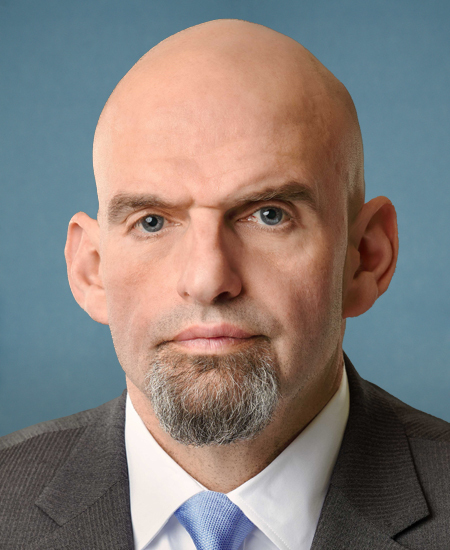
John Fetterman
Senate
|
D |
Strong +
|
88% | 40 |

Angus S. King, Jr.
Senate
|
I |
Strong +
|
83% | 42 |

Catherine Cortez Masto
Senate
|
D |
Strong +
|
83% | 42 |
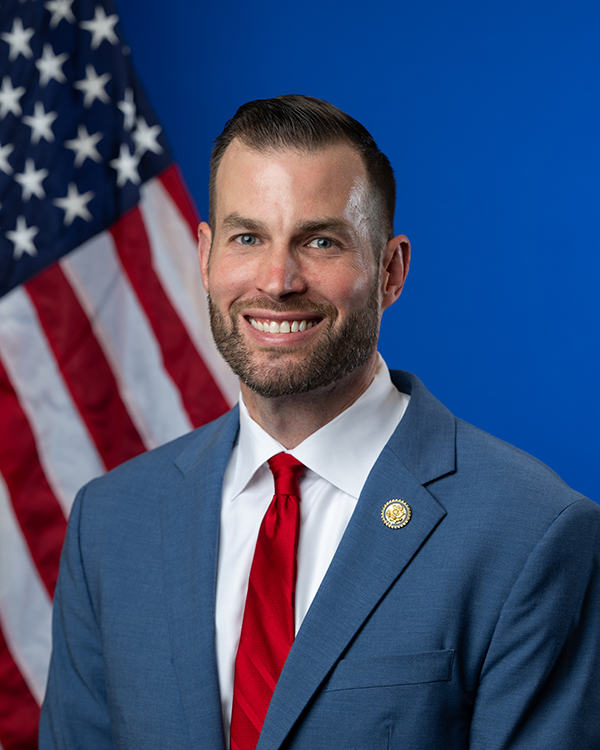
Clay Fuller
House · District 14
|
R |
Strong +
|
80% | 10 |
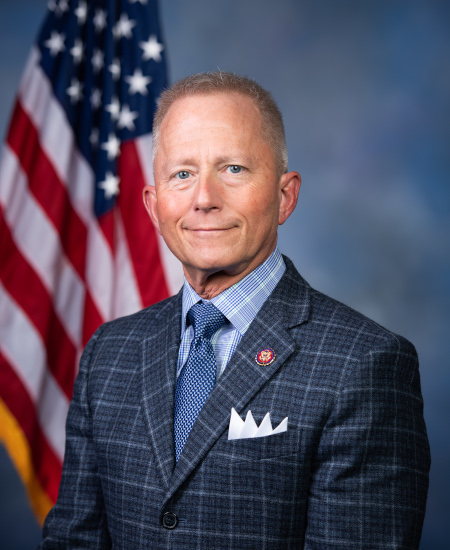
Jefferson Van Drew
House · District 2
|
R |
Support
|
76% | 17 |

Rand Paul
Senate
|
R |
Strong −
|
12% | 42 |

Adelita S. Grijalva
House · District 7
|
D |
Strong −
|
18% | 11 |
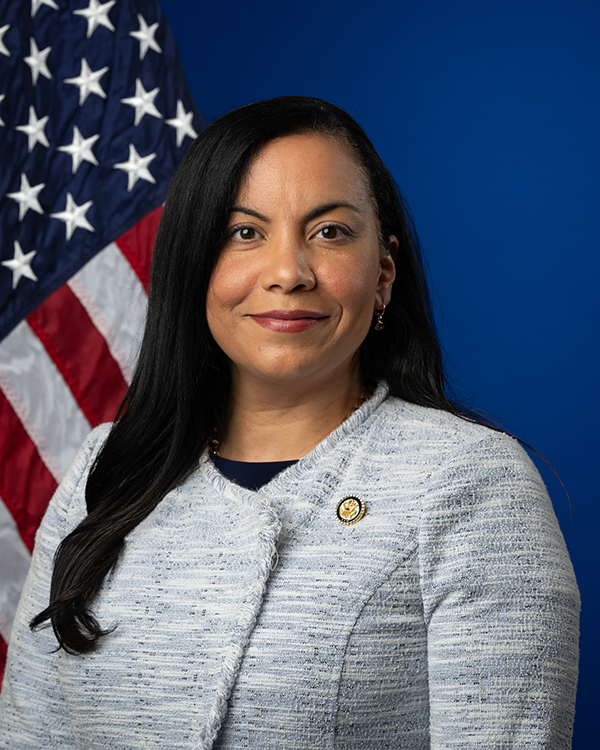
Analilia Mejia
House · District 11
|
D |
Strong −
|
20% | 10 |
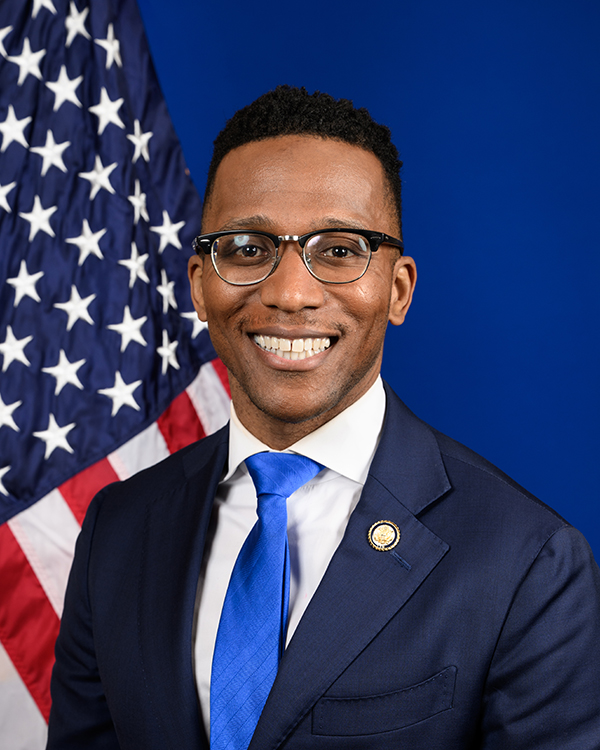
Christian D. Menefee
House · District 18
|
D |
Strong −
|
20% | 10 |
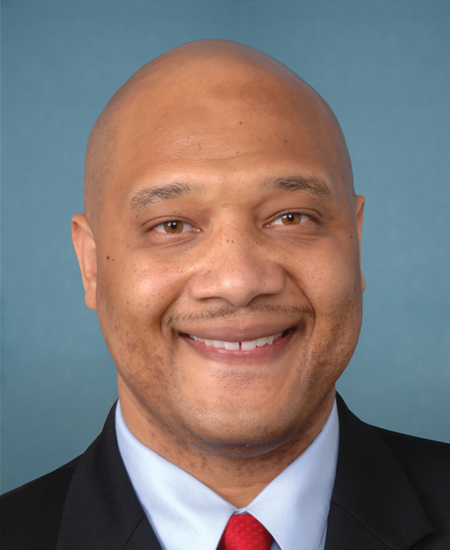
André Carson
House · District 7
|
D |
Oppose
|
25% | 16 |
Showing 1,031–1,040 of 1,164
bills
All veterans bills
HR 109: TEAM Veteran Caregivers Act
Topics
✓ HealthcareSupports HealthcarePrevents abrupt loss of caregiver benefits, ensures continuity of VA healthcare support for veterans and families, aligning with protecting patient access and rights in healthcare.
✓ VeteransSupports VeteransBill mandates VA to identify caregivers, send eligibility notifications, and provide 90-day benefit extensions during reviews - directly strengthening caregiver support and preventing abrupt benefit loss for veterans.
HR 1644: Copay Fairness for Veterans Act
Topics
✓ HealthcareSupports HealthcareEliminates VA copays for preventive care, improving access to screenings, immunizations, and women's health services per USPSTF/CDC guidelines.
✓ VeteransSupports VeteransEliminates copays for VA preventive care, directly improving veterans' healthcare access and reducing financial barriers to essential services.
HR 6034: VET Extension Act of 2025
Topics
✓ EducationSupports EducationExtends GI Bill benefits for veterans' higher education, enhancing access to postsecondary education through additional entitlements and transfer rights.
✓ VeteransSupports VeteransExtends GI Bill benefits for remedial courses and enables future dependent transfer rights, directly expanding veteran educational benefits.
HR 5539: POW Priority Care Act of 2025
Topics
✓ HealthcareSupports HealthcareBill expands VA healthcare access by prioritizing former POWs and adding them to extended care eligibility, directly strengthening coverage for a specific veteran group.
✓ VeteransSupports VeteransGives former POWs priority VA healthcare enrollment and extends eligibility for extended care services, directly expanding veteran healthcare access.
S 1644: Autonomy for Disabled Veterans Act
Topics
✓ HealthcareSupports HealthcareBill increases VA funding for home modifications for disabled veterans, improving accessibility and healthcare support for veterans with service-connected disabilities.
✓ HousingSupports HousingBill explicitly increases VA funding for home modifications (from $6,800 to $10,000) to improve housing accessibility for disabled veterans, directly funding a housing program.
✓ VeteransSupports VeteransIncreases VA home modification funding from $6,800 to $10,000 per modification with annual cost adjustments, directly expanding benefits for disabled veterans.
S 1415: Housing Unhoused Disabled Veterans Act
Topics
✓ HousingSupports HousingExcludes veterans' disability benefits from income calculations, increasing eligibility for Section 8 housing assistance and directly advancing affordable housing access for disabled veterans.
✓ VeteransSupports VeteransExcludes veterans' disability benefits from income calculations, directly increasing housing eligibility for disabled veterans under Section 8 programs.
HR 1656: PLUS for Veterans Act of 2025
S 1614: AVIATE Act of 2025
Topics
✓ Labor & EmploymentSupports Labor & EmploymentExpands VA vocational rehab to include non-degree flight training, supporting veterans' employment opportunities in aviation careers (a form of worker benefit expansion).
✓ VeteransSupports VeteransExpands VA vocational rehab to include non-degree flight training for veterans with disabilities, overriding prior restrictions.
Sub-Topics
Professional Licensing
Workforce Development
Veteran Education
Veteran Employment
Veteran Healthcare
HR 1423: Guard and Reserve GI Bill Parity Act of 2025
Topics
✓ EducationSupports EducationBill expands educational benefits for National Guard members, increasing access to higher education and strengthening educational support for veterans.
✓ Labor & EmploymentSupports Labor & EmploymentExpands educational benefits for National Guard members (a worker group) by making them eligible for Post-9/11 GI Bill like active-duty, strengthening worker benefits access.
✓ VeteransSupports VeteransExpands GI Bill benefits to National Guard members by removing exclusions for full-time duty, retroactively granting denied educational benefits since 9/11.