Issue · Transportation

Transportation

Every transportation bill, vote, and legislator stance in United States, automatically classified by Maddy, our AI policy reader.

Total bills
847
119th Congress
Top supporter
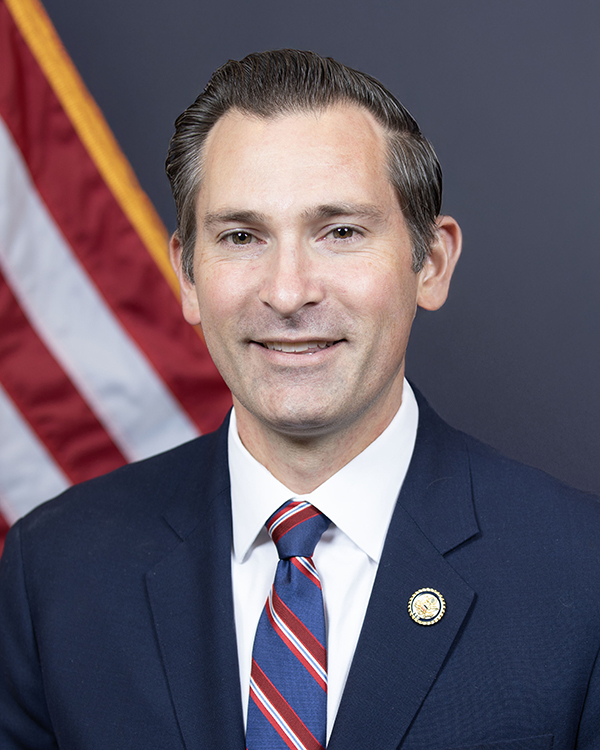
Matt Van Epps
86% support rate
Top opponent
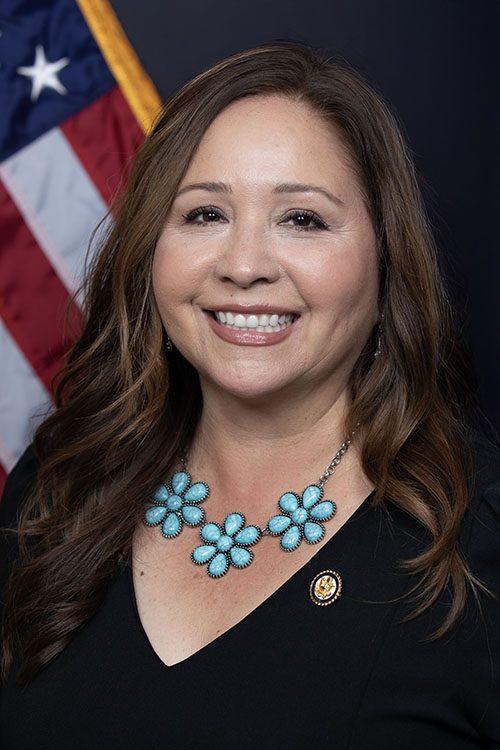
Adelita S. Grijalva
14% support rate
Ranked legislators
10
5 support · 5 oppose
Key legislators

Who's moving transportation in United States

Legislators moving transportation in United States
Legislator Party Stance Support rate Votes
Matt Van Epps
Matt Van Epps House · District 7
R
Strong +
86% 67
Martin Heinrich
Martin Heinrich Senate
D
Support
78% 133
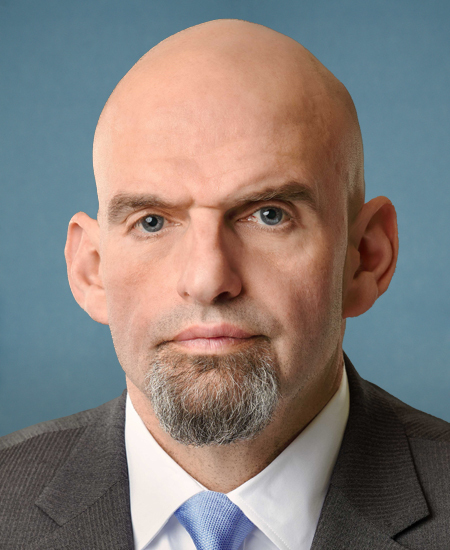
John Fetterman
John Fetterman Senate
D
Support
70% 150
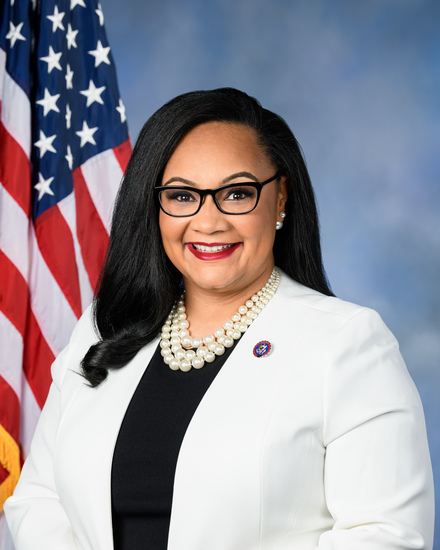
Nikema Williams
Nikema Williams House · District 5
D
Support
70% 113
Greg Casar
Greg Casar House · District 35
D
Support
70% 105
Adelita S. Grijalva
Adelita S. Grijalva House · District 7
D
Strong −
14% 72
James R. Walkinshaw
James R. Walkinshaw House · District 11
D
Strong −
14% 80
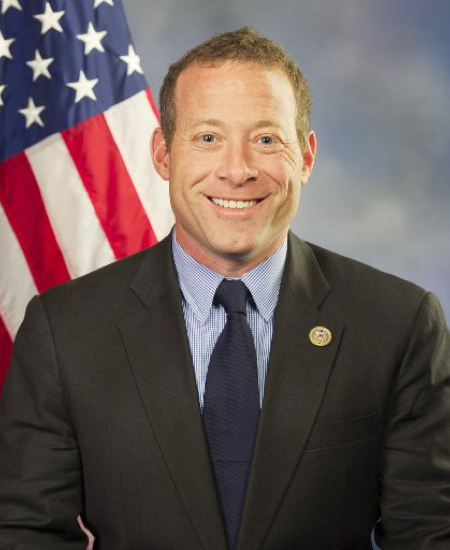
Josh Gottheimer
Josh Gottheimer House · District 5
D
Strong −
14% 109
Marsha Blackburn
Marsha Blackburn Senate
R
Oppose
22% 128
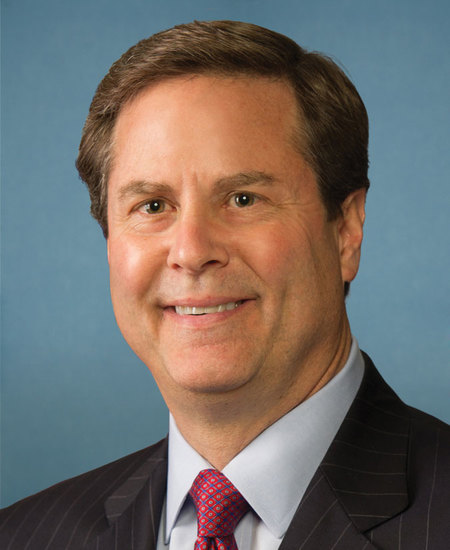
Donald Norcross
Donald Norcross House · District 1
D
Oppose
25% 107
Showing 591–600 of 847 bills

All transportation bills

in committee · United States · Senate Jun 18, 2025

S 2105: Dyess Air Base Access Infrastructure Design Act

This bill authorizes the Air Force to plan and design infrastructure improvements for two gates at Dyess Air Force Base in Texas: the Tye Gate (up to $17 million total, with design costs capped at 7%) and the Arnold Gate (up to $12.065 million total, with design costs capped at 8%). The design requirements for each gate address specific site conditions, such as minimal utility crossings for Tye Gate and site congestion for Arnold Gate. The project will use existing military construction funds without requiring new appropriations. The bill directly affects Dyess Air Force Base operations and access infrastructure planning.
in committee · United States · Senate Jul 29, 2025

S 2520: All Aboard Act of 2025

The All Aboard Act of 2025 provides $83.5 billion over five years to accelerate rail electrification and transition to zero-emission rail systems. It establishes new funding programs for states, Amtrak, and rail carriers to electrify rail corridors, improve rail infrastructure, and support workforce transition plans. The bill sets specific targets including achieving zero emissions for 50% of trains by 2030 and all locomotives by 2047, with priority for projects in environmental justice communities. It requires applicants for rail electrification funding to include community engagement plans, environmental protection measures, and detailed workforce transition plans. The legislation aims to modernize rail infrastructure while addressing environmental justice concerns and supporting rail workers through training and job transition programs.
in committee · United States · Senate Apr 10, 2025

S 1430: Interactive Federal Review Act

S 1430, the Interactive Federal Review Act, requires the Transportation Secretary to encourage highway projects receiving specific federal grants (like INFRA, RAISE, or Mega grants) to use digital platforms and 3D "digital twin" models during environmental reviews under the National Environmental Policy Act (NEPA). It mandates the Secretary to publish guidance within 90 days, select at least 10 projects to demonstrate these tools, and prioritize grant applications that plan to use them. The bill also requires a report on the efficiency and community engagement benefits within 180 days, plus 5 published examples of digital workflows by the Department of Transportation. This directly affects highway project sponsors seeking federal funding under the specified grant programs.
Sub-Topics Roads & Highways
in committee · United States · House Nov 21, 2025

HR 6233: Commercial Motor Vehicle English Proficiency Act

This bill requires commercial motor vehicle drivers to demonstrate English proficiency to pass knowledge tests or receive certification. Starting two years after enactment, drivers must understand English traffic signs, communicate with safety officers (like border patrol), and exchange directions in English while operating vehicles. It bans administering these tests in any language other than English and mandates the Transportation Secretary to update related regulations within two years. The law directly affects commercial drivers seeking certification or renewing licenses under federal rules.
in committee · United States · House Sep 19, 2025

HR 5479: MAP Roads Act

The MAP Roads Act establishes a federal pilot program to fund states in digitizing county road records and creating publicly accessible digital maps. It directly affects rural counties and state transportation departments by providing grants to convert paper maps into standardized digital formats, ensuring datasets distinguish public vs. private roads and work with mapping platforms. States must use funds for digitization, training, and building centralized repositories updated annually, with $20 million authorized yearly from 2026-2031. The program aims to improve rural commerce, safety, and navigation without altering road jurisdiction or ownership under existing law.
Sub-Topics Roads & Highways Tags Rural Communities
in committee · United States · House Jul 22, 2025

HR 4589: Port Crane Tax Credit Act of 2025

This bill creates two new federal tax credits to support U.S. port crane manufacturing. It offers a 25% tax credit for businesses investing in new port crane manufacturing facilities (e.g., buildings, equipment) and a production credit of 40% or 60% of the sale price for port cranes sold domestically, with the higher rate requiring 90% U.S.-made component materials. The credits apply to facilities and production through 2035, directly affecting manufacturers of port cranes, their components, or related equipment located in the U.S. The legislation specifies exact definitions for "port crane" (e.g., gantry cranes at ports) and "component materials" to determine eligibility.
in committee · United States · House Jan 7, 2025

HR 213: To prohibit the use of Federal financial assistance for a certain high-speed rail development project in the State of California, and for other purposes.

This bill prohibits the use of federal funds for California's high-speed rail project specifically identified in Cooperative Agreement No. FR-HSR-0118-12-01-01 between the California High-Speed Rail Authority and the Federal Railroad Administration. It directly affects California's high-speed rail development by blocking all federal financial assistance for this exact project. The key provision is a clear ban on federal funding for any project matching the scope of the referenced agreement. This is a concrete policy change that prevents federal money from supporting this specific rail corridor development.
Sub-Topics Rail
in committee · United States · House May 21, 2025

HR 3548: Infrastructure Expansion Act of 2025

HR 3548, the Infrastructure Expansion Act of 2025, changes liability rules for injuries on federally funded infrastructure projects. It prohibits "absolute liability" (where a party is automatically responsible regardless of fault) for elevation or gravity-related risks, requiring states to use "comparative negligence" instead (where fault is shared based on circumstances). This applies to projects receiving federal funding like construction, bridges, or transit systems, directly affecting contractors, property owners, and workers filing injury claims. The bill preempts state laws imposing absolute liability and directs federal courts to handle related cases, while leaving workers’ compensation laws unchanged. It takes effect for projects accepting federal funds on or after January 1, 2026.
Sub-Topics Workplace Safety
in committee · United States · Senate Nov 6, 2025

S 3121: UBER Act

This bill requires drivers working for ride-share companies under federal contracts in the U.S. or Hawaii to meet specific standards: be at least 21 years old, read and speak English well enough to interact with the public and officials, safely operate vehicles, hold a valid state license, and pass a road test. It includes an exception for deaf or hearing-impaired drivers using American Sign Language. Companies must certify all drivers meet these requirements, and non-compliance results in a 5-year ban from federal contracts. The law applies to transportation network companies (like Uber or Lyft) and shared-use mobility providers seeking federal contracts.
in committee · United States · House Feb 5, 2026

HR 7354: Stop Underrides Act 2.0

This bill requires the National Highway Traffic Safety Administration to establish new safety standards for side underride guards on trucks and trailers within 18 months, with full compliance required within two years. The standards mandate that these guards prevent passenger vehicles from sliding under trucks during collisions, improve safety for vulnerable road users like motorcyclists, and include aerodynamic features to aid fuel efficiency. The bill also creates an advisory committee to monitor underride safety and mandates studies to better understand and prevent these crashes. It aims to reduce the thousands of deaths and injuries from underride crashes that have occurred over the past 50 years, as documented by the National Transportation Safety Board.
Showing 591 to 600 of 847 bills
Previous 1 59 60 61 85 Next