Issue · Transportation

Transportation

Every transportation bill, vote, and legislator stance in United States, automatically classified by Maddy, our AI policy reader.

Total bills
847
119th Congress
Top supporter
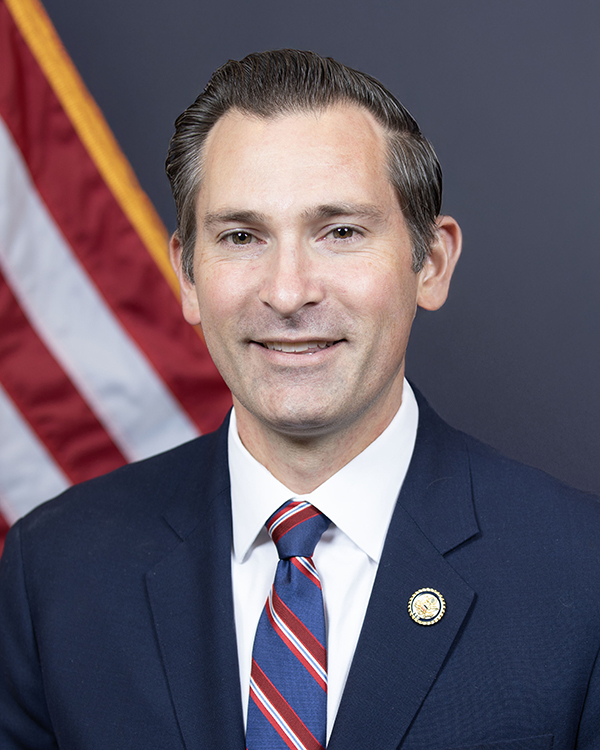
Matt Van Epps
86% support rate
Top opponent
Adelita S. Grijalva
14% support rate
Ranked legislators
10
5 support · 5 oppose
Key legislators

Who's moving transportation in United States

Legislators moving transportation in United States
Legislator Party Stance Support rate Votes
Matt Van Epps
Matt Van Epps House · District 7
R
Strong +
86% 67
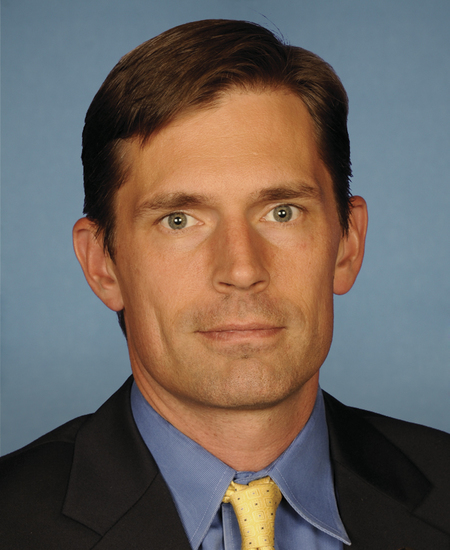
Martin Heinrich
Martin Heinrich Senate
D
Support
78% 133
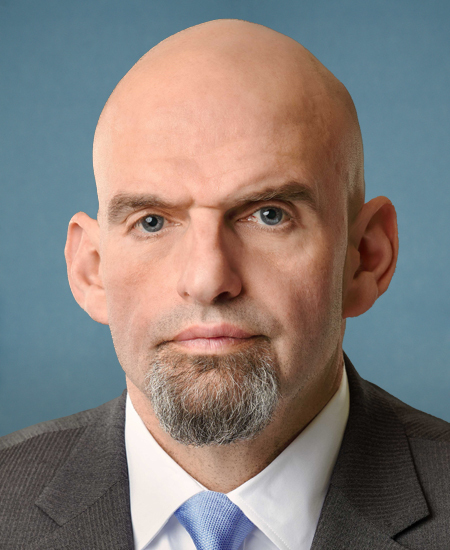
John Fetterman
John Fetterman Senate
D
Support
70% 150
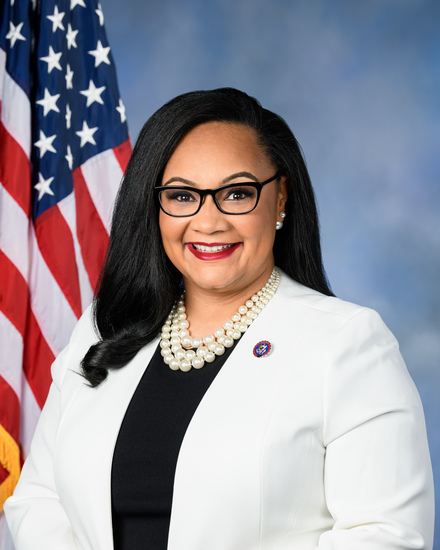
Nikema Williams
Nikema Williams House · District 5
D
Support
70% 113
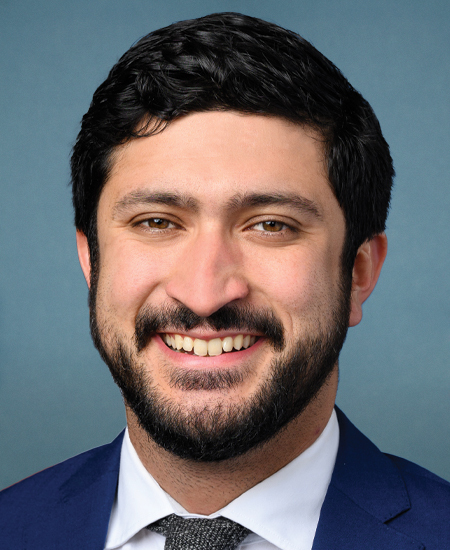
Greg Casar
Greg Casar House · District 35
D
Support
70% 105
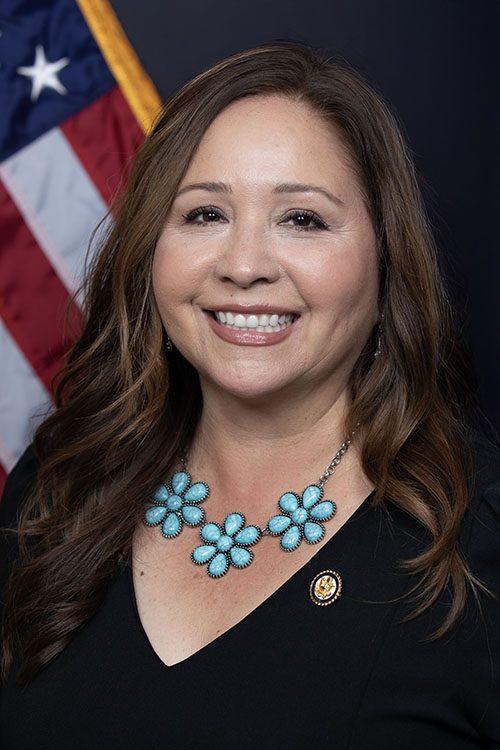
Adelita S. Grijalva
Adelita S. Grijalva House · District 7
D
Strong −
14% 72
James R. Walkinshaw
James R. Walkinshaw House · District 11
D
Strong −
14% 80
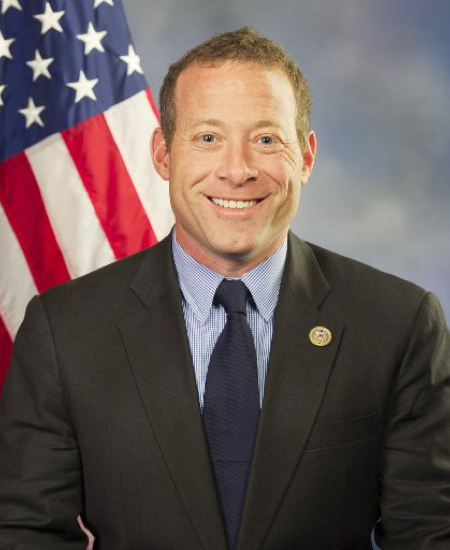
Josh Gottheimer
Josh Gottheimer House · District 5
D
Strong −
14% 109
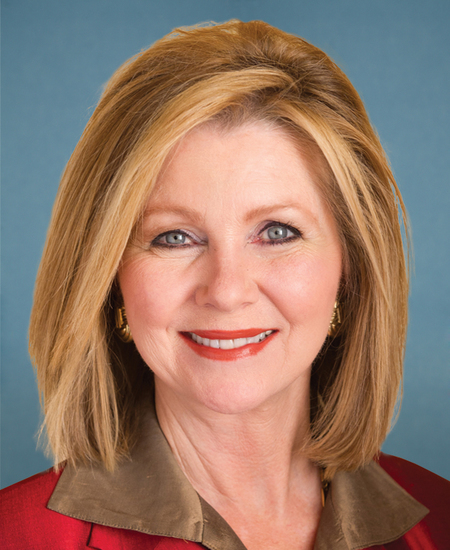
Marsha Blackburn
Marsha Blackburn Senate
R
Oppose
22% 128
Donald Norcross
Donald Norcross House · District 1
D
Oppose
25% 107
Showing 51–60 of 847 bills

All transportation bills

in committee · United States · House Jul 27, 2026

HRES 1464: Celebrating the opening of the Gordie Howe International Bridge and the friendship between the United States and Canada.

This resolution formally celebrates the opening of the Gordie Howe International Bridge and honors the partnership between the United States and Canada. It recognizes the economic benefits expected for the Detroit metropolitan area, including improved freight efficiency and job growth, while acknowledging the bridge's role as a symbol of cooperation. The document does not enact new laws or funding but serves as a ceremonial statement to acknowledge the project's completion and its positive impact on trade and community development.
Sub-Topics Bridges Freight
in committee · United States · Senate Jul 23, 2026

S 5095: Tire Safety Modernization Act of 2026

The Tire Safety Modernization Act of 2026 directs the Department of Transportation to update federal regulations governing passenger car and light truck tires. The bill requires the removal of outdated testing requirements for tire strength and the revision of definitions regarding "chunking" to better reflect modern tire technology. Additionally, it mandates the creation of new high-speed performance testing protocols aligned with international standards and establishes a future review to assess the impact of these changes on tire safety and market availability.
in committee · United States · Senate Jul 22, 2026

S 5092: RAAM Act

The RAAM Act repeals federal fuel economy standards for cars and light trucks starting with the 2029 model year, removing the requirement for manufacturers to meet specific mileage targets. It also prevents states from creating their own fuel economy rules, reserving this authority exclusively to the federal government. Additionally, the bill updates legal definitions to clarify how vehicles are classified and modifies the process for challenging federal regulations in court. These changes directly affect automobile manufacturers, state governments, and consumers by eliminating federal mileage mandates and blocking state-level fuel economy laws.
Sub-Topics Electric Vehicles
in committee · United States · Senate Jul 15, 2026

S 4990: McCarty and Heideman Air Safety Enhancement Act

The McCarty and Heideman Air Safety Enhancement Act directs the Federal Aviation Administration to review its policies on low-altitude airspace safety, specifically focusing on hazards created by temporary structures like slacklines and highlines. This review will involve consulting with various aviation stakeholders, including pilots, drone operators, and land management agencies, to assess current marking requirements and data accuracy. If the FAA finds that existing rules are insufficient, it must update regulations within a year to better identify these obstructions in flight planning tools and improve coordination with local authorities. Additionally, the agency is required to report its findings and any recommended policy changes to Congress within nine months of completing the review.
Sub-Topics Airports
in committee · United States · House Jul 16, 2026

HR 9739: Mount Cristo Rey Protection Act

The Mount Cristo Rey Protection Act prohibits the use of federal funds to seize land around Mount Cristo Rey in Sunland Park, New Mexico, for border wall construction. This legislation specifically blocks funding for legal actions related to eminent domain and bans the installation of security measures such as roads, fencing, and surveillance equipment near the site. The bill aims to protect the mountain, which holds deep religious significance for over 40,000 annual pilgrims, from federal government interference. By restricting financial resources for these specific projects, the act ensures that the holy site remains free from the proposed border wall and associated security infrastructure.
Sub-Topics Border Security
in committee · United States · House Jul 15, 2026

HR 9711: Autocycle Safety Act

The Autocycle Safety Act establishes a new legal definition for autocycles as three-wheeled motorcycles with front-wheel drive, a fully enclosed cabin, and a steering wheel. It requires manufacturers to build these vehicles to specific safety standards, mandating features like airbags, anti-lock brakes, and electronic stability control while allowing a mix of passenger car and motorcycle safety rules for other components. The Department of Transportation has three years to finalize detailed regulations that determine exactly which safety standards apply to different parts of these vehicles. This legislation directly affects vehicle manufacturers and regulators by creating a federal framework for producing and certifying three-wheeled enclosed motorcycles.
in committee · United States · House Jul 18, 2026

HJRES 202: Providing congressional disapproval under chapter 8 of title 5, United States Code, of the rule submitted by the Environmental Protection Agency relating to "California State Motor Vehicle Pollution Control Standards; Notice of Decision Granting a Waiver of Clean Air Act Preemption for California's 2009 and Subsequent Model Year Greenhouse Gas Emission Standards for New Motor Vehicles".

This joint resolution seeks to overturn a specific rule issued by the Environmental Protection Agency that allowed California to set its own stricter greenhouse gas emission standards for new motor vehicles. If passed, the measure would cancel the EPA's waiver of federal preemption, requiring California and other states to follow uniform national vehicle emission rules instead of maintaining unique state-level standards. The bill directly affects the EPA, California's regulatory authority, and the automotive industry by eliminating the legal basis for California's independent pollution control policies. It is a procedural action that would render the contested rule ineffective without force or effect.
in committee · United States · House Jul 15, 2026

HR 9695: McCarty and Heideman Air Safety Enhancement Act

The McCarty and Heideman Air Safety Enhancement Act directs the Federal Aviation Administration to review its policies on low-altitude airspace safety, specifically focusing on hazards created by temporary obstructions like slacklines and highlines. This review must involve various aviation stakeholders and examine whether current rules for marking, lighting, and reporting these obstacles are effective in preventing aircraft strikes. If the FAA finds existing guidelines insufficient, it is required to update regulations within a year to improve how these hazards are depicted in flight planning tools and communicated to pilots. Additionally, the agency must report its findings and any proposed rule changes to Congress within 90 days of completing the review.
Sub-Topics Airports
in committee · United States · House Jul 14, 2026

HR 9678: Good Jobs for Good Airports Act

The Good Jobs for Good Airports Act establishes federal minimum wage and fringe benefit standards for workers at small, medium, and large hub airports, including those employed by private contractors. It defines covered service workers as individuals performing tasks such as passenger assistance, security, ground handling, and concessions, ensuring they receive pay and benefits at least equal to the higher of the federal Service Contract Act rates or applicable state and local laws. Employers must submit monthly certifications confirming compliance with these standards, while the Department of Labor and Department of Transportation are granted enforcement powers to investigate violations and impose penalties. The legislation also requires the Secretary of Transportation to publish complaint data and submit annual reports to Congress regarding implementation efforts.
Sub-Topics Minimum Wage
in committee · United States · House Jul 13, 2026

HR 9651: Space Ready 2.0 Act

The Space Ready 2.0 Act establishes a pilot program allowing NASA to partner with private and public entities on infrastructure projects at its centers, such as roadways and pipelines. Under this program, NASA can enter into voluntary agreements to collect contributions for capital repairs, maintenance, and improvements, provided these funds are authorized by Congress in advance. The bill requires NASA to maintain transparency by sharing cost estimates and final financial breakdowns with contributing partners, while also ensuring that unspent funds are refunded or redesignated if a project is not completed within 90 days of becoming operational. Additionally, the legislation mandates annual reports to Congress detailing expenditures and future plans, and it limits the authority to collect these voluntary contributions until December 31, 2031.
Showing 51 to 60 of 847 bills
Previous 1 5 6 7 85 Next