Issue · Transportation

Transportation

Every transportation bill, vote, and legislator stance in United States, automatically classified by Maddy, our AI policy reader.

Total bills
850
119th Congress
Top supporter
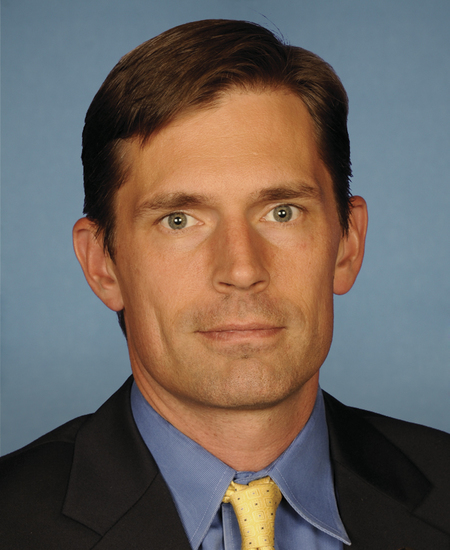
Martin Heinrich
78% support rate
Top opponent
Marsha Blackburn
22% support rate
Ranked legislators
10
5 support · 5 oppose
Key legislators

Who's moving transportation in United States

Legislators moving transportation in United States
Legislator Party Stance Support rate Decisive votes
Martin Heinrich
Martin Heinrich Senate
D
Support
78% 9
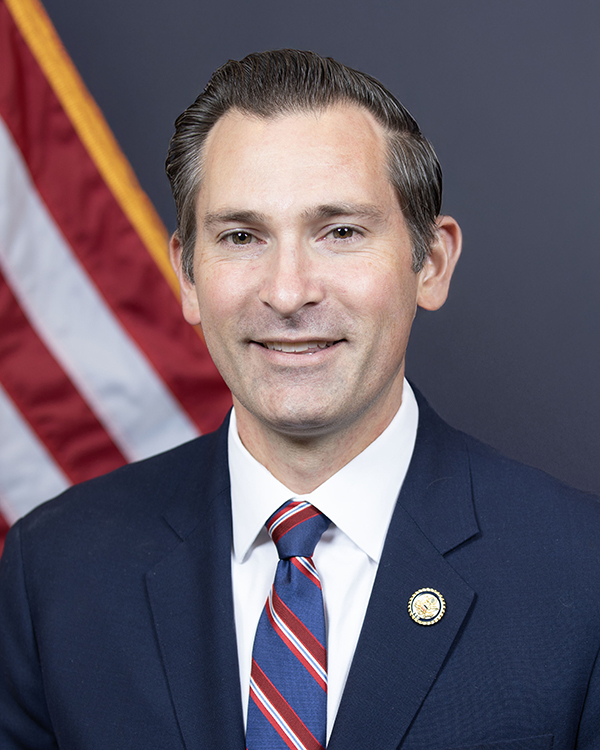
Matt Van Epps
Matt Van Epps House · District 7
R
Support
78% 9
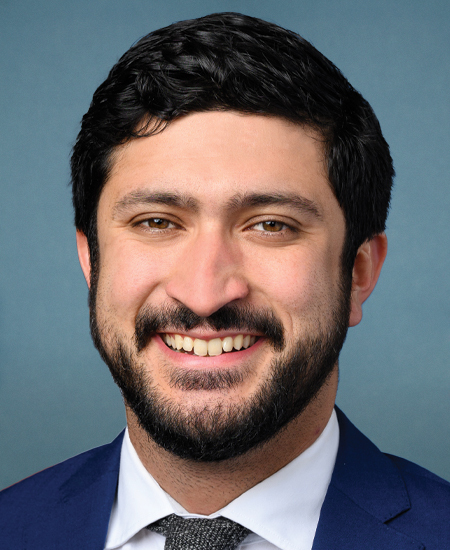
Greg Casar
Greg Casar House · District 35
D
Support
75% 12
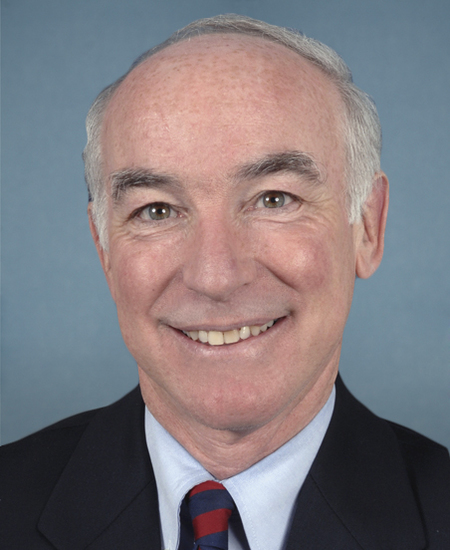
Joe Courtney
Joe Courtney House · District 2
D
Support
75% 12
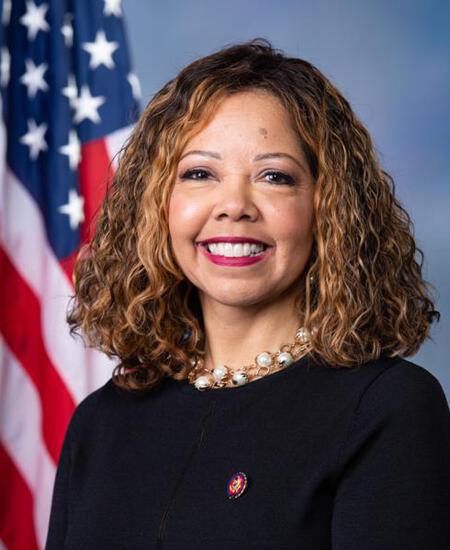
Lucy McBath
Lucy McBath House · District 6
D
Support
75% 12
Marsha Blackburn
Marsha Blackburn Senate
R
Oppose
22% 9
Ted Budd
Ted Budd Senate
R
Oppose
25% 12
Mary E. Miller
Mary E. Miller House · District 15
R
Oppose
29% 14
Wesley Hunt
Wesley Hunt House · District 38
R
Oppose
30% 10
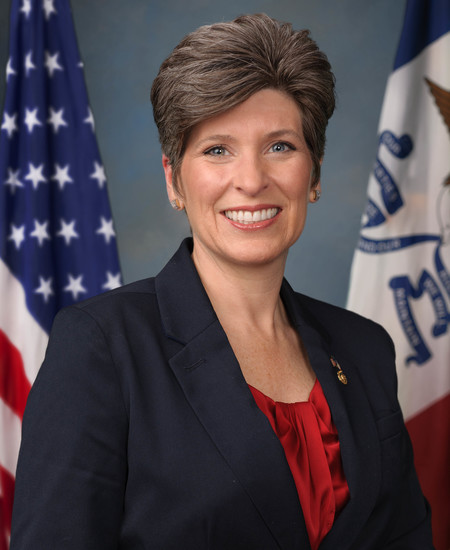
Joni Ernst
Joni Ernst Senate
R
Oppose
31% 26
Showing 561–570 of 850 bills

All transportation bills

in committee · United States · Senate May 8, 2025

S 1706: A bill to require aircraft operating in Class B airspace in the national airspace system to install and operate ADS-B In and ADS-B Out equipment, and for other purposes.

This bill requires all aircraft (including military aircraft) operating in Class B airspace - typically around major airports - to install and activate ADS-B In and ADS-B Out equipment starting upon the bill's enactment. ADS-B Out broadcasts an aircraft's position and speed data to ground systems and other aircraft, while ADS-B In receives similar data for pilots. The bill repeals a prior exemption that allowed military aircraft to skip this requirement under the 2019 Defense Act. It directly affects pilots, airlines, and military operators flying in high-traffic airspace by mandating this technology for improved air traffic surveillance and safety.
in committee · United States · House Dec 11, 2025

HR 6632: El Paso Air Traffic Control Tower Modernization Act

The El Paso Air Traffic Control Tower Modernization Act (HR 6632) authorizes federal funding to replace the aging air traffic control tower at El Paso International Airport in Texas. This bill directly affects the airport's operations by providing necessary funds for infrastructure modernization, ensuring continued safe air traffic management. The key provision is a specific appropriation from Treasury funds to cover the tower replacement costs, with no new regulations or broader policy changes. The legislation focuses solely on this single airport project without altering national aviation standards.
Sub-Topics Airports
in committee · United States · House Sep 15, 2025

HR 5356: National Infrastructure Bank Act of 2025

The National Infrastructure Bank Act of 2025 would establish a government-owned bank to finance infrastructure projects across the United States, aiming to address a $3.69 trillion financing gap identified by the American Society of Civil Engineers. The bank would provide loans up to $5 trillion for transportation, energy, environmental, and community development projects, with specific criteria focused on economic growth, environmental benefits, and serving disadvantaged communities. It would be governed by a 25-member Board of Directors with diverse regional and expertise qualifications, and would operate with tax exemptions and capital requirements to ensure financial stability. The bill also establishes regional economic accelerator planning groups to coordinate infrastructure development and create a pipeline of projects for the bank to finance.
in committee · United States · House May 7, 2025

HR 3253: Agricultural Biorefinery Innovation and Opportunity Act of 2025

The Agricultural Biorefinery Innovation and Opportunity Act of 2025 expands federal support for developing advanced biofuels (including ultra-low-carbon and zero-carbon bioethanol), renewable chemicals, and biobased products. It creates a new grant program for pilot and demonstration-scale biorefineries, requiring projects to meet specific criteria like environmental benefits, rural economic development, innovation, and market potential. Grants cover up to 60% of project costs, with the remaining 40% coming from non-federal sources, and will receive $100 million annually from 2026 through 2030. This program directly supports eligible entities such as companies, cooperatives, and associations working to commercialize sustainable biorefinery technologies.
Tags Rural Communities
in committee · United States · House Feb 12, 2026

HR 7501: Safe Flights for Passengers and Flight Crews Act

HR 7501, the "Safe Flights for Passengers and Flight Crews Act," requires commercial operators running passenger-carrying scheduled charter flights with more than 9 passenger seats (excluding crew seats) to be regulated as domestic or flag operations under existing FAA Part 121 rules. This directly affects public charter airlines that offer fixed departure locations, times, and arrival points in advance. The bill mandates this regulatory change 90 days after enactment, regardless of whether the FAA issues implementing rules. It shifts oversight for these specific charter operations from potentially less stringent rules to the standard Part 121 safety and operational requirements.
Sub-Topics Airports
in committee · United States · House Oct 28, 2025

HR 5851: Keep America Flying Act of 2026

This bill provides temporary funding to maintain pay and benefits for essential aviation staff during the 2026 budget process. It ensures continued standard pay, allowances, and contractor support for Federal Aviation Administration (FAA) air traffic controllers, Transportation Security Administration (TSA) screeners, and their contractors until a permanent budget is enacted. The funding is retroactive to September 30, 2025, and expires on September 30, 2026, or when the next regular budget is passed. It directly affects FAA and TSA operational personnel and their contractors, preventing disruptions to air traffic safety and security screening.
in committee · United States · Senate Apr 10, 2025

S 1474: Vehicle Safety Research Act of 2025

The Vehicle Safety Research Act of 2025 establishes the PARTS program within the Department of Transportation to advance traffic safety research. It allows automakers and technology companies to voluntarily share safety data with the government through a partnership with nonprofit research organizations, while keeping their data under their own control. Strict rules prevent data sharing between participants without permission and limit data use solely to developing safety technologies and countermeasures. The program does not create new regulations or reporting requirements for participants, and the government will fund it with $4-9 million annually through 2030.
in committee · United States · House Feb 10, 2026

HR 7442: National Bridge Funding Reform Act

HR 7442 establishes a new National Bridge Program under federal highway law to allocate funding for bridge replacement, rehabilitation, and construction. It changes how funds are distributed: 75% based on the total deck area of bridges on federal-aid highways in each state, and 25% based on the deck area of bridges in poor condition. This directly affects state transportation departments managing federal-aid highway bridges, requiring them to prioritize projects using this updated formula starting after December 31, 2024. The bill eliminates prior programs (Carbon Reduction and PROTECT) and revises related funding mechanisms.
in committee · United States · Senate Apr 30, 2025

S 1541: SHIPS for America Act of 2025

# Summary of the SHIPS for America Act of 2025 This comprehensive maritime legislation establishes a wide-ranging framework to strengthen the U.S. maritime industry, workforce, and infrastructure. Key components include: ## Shipbuilding and Maritime Infrastructure - Establishes a **Shipbuilding Financial Incentives Program** (Section 501) to support commercial vessel construction - Creates a **National Shipbuilding Research Program** (Section 522) to advance shipbuilding technology - Mandates an **Anticipated Commercial Vessel Construction Survey** (Section 506) to inform industry planning - Establishes a **United States Center for Maritime Innovation** (Section 521) to accelerate technology adoption - Requires a **Maritime Infrastructure Readiness Assessment** (Section 523) ## Workforce Development - Creates a **Merchant Marine Career Retention Program** (Section 606) with an 8-3-1 schedule to maintain mariner qualifications - Provides **Public Service Loan Forgiveness** for Merchant Marines (Section 601) - Establishes **Eligibility for Educational Assistance** (Section 602) for Merchant Mariners - Creates **Reimbursement for Spouse Relicensing Costs** (Section 604) - Implements **Noncompetitive Federal Employment** for Merchant Mariners (Section 605) ## Education and Training - Establishes **Centers of Excellence for Domestic Maritime Workforce Training** (Section 612) - Creates a **Maritime Career and Technical Education Advisory Committee** (Section 613) - Develops a **Military to Maritime Transition Program** (Section 616) - Establishes **International Exchange Programs** for mariners and naval architects (Section 618) - Mandates **Maritime Worker Data Collection** (Section 615) to track industry needs ## Additional Provisions - Requires **Reports on National Defense Reserve Fleet** (Section 509) - Mandates an **Assessment of Commercial Best Practices for Navy Shipbuilding** (Section 511) - Establishes **Military Sealift Command** improvements (Section 513) - Creates a **Maritime Workforce Data Collection System** (Section 615) The legislation is funded through the **Maritime Security Trust Fund** (established under Section 50301(b)) and represents a comprehensive strategy to strengthen U.S. maritime capabilities for national security, economic competitiveness, and workforce development.
Sub-Topics Ports
in committee · United States · House Aug 23, 2025

HR 5024: Transit Funding Flexibility Act

HR 5024, the Transit Funding Flexibility Act, removes a population restriction that previously limited certain federal transit grants to urban areas with fewer than 200,000 residents. It requires transit agencies receiving these grants to annually certify they maintain local funding for operating costs covered by federal money. If an agency fails to maintain this local funding, the bill mandates a 1/3 reduction in their next year's federal grant amount. This bill directly affects public transit agencies in smaller urban areas that now gain access to operating cost funding, while requiring them to sustain local financial commitments.
Showing 561 to 570 of 850 bills
Previous 1 56 57 58 85 Next