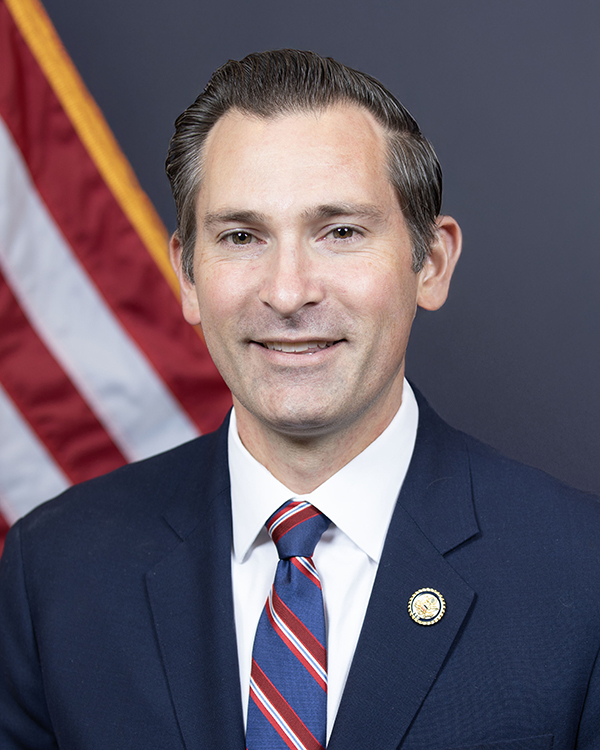
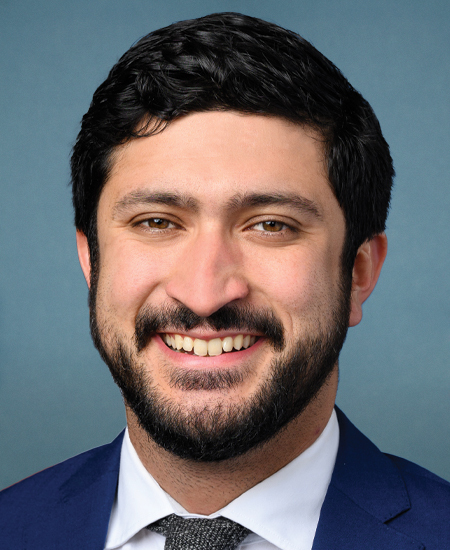
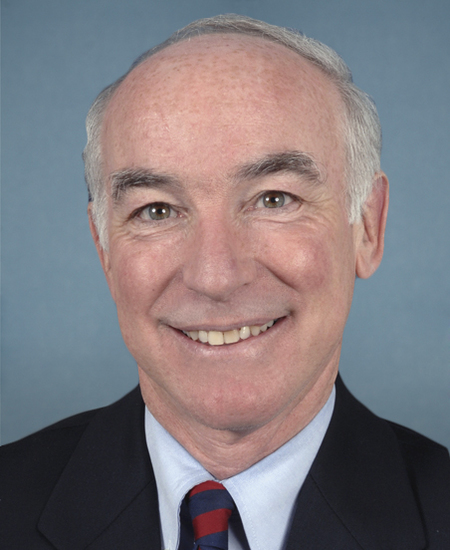
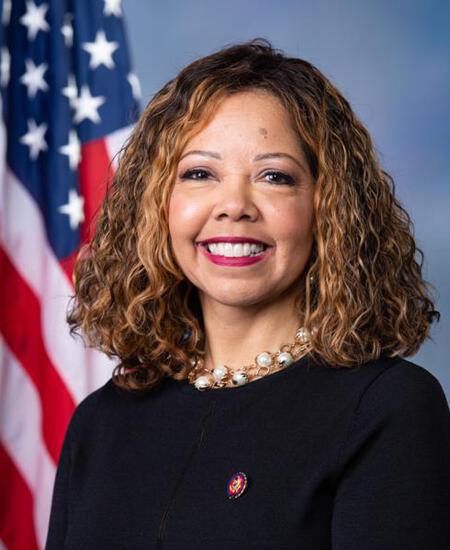
HR 4994, the Safe Air on Airplanes Act, requires the Federal Aviation Administration to update regulations to phase out bleed air systems in aircraft. It prohibits new aircraft designs from using these systems, mandates filters to remove oil fumes in new aircraft by 2031 (7 years after enactment), and sets a 30-year phase-out schedule for existing aircraft designs (25% without bleed air by 2031, 50% by 2041, 100% by 2051). The bill directly affects aircraft manufacturers and airlines, as it changes requirements for cabin air systems that pull engine air for ventilation. These changes focus on modifying manufacturing standards and air quality systems in turbine and turbo-prop aircraft.
This bill, the RAIL Act, establishes new safety requirements for rail carriers transporting hazardous materials. It requires rail carriers to provide advance notification and safety planning to emergency responders, implement stricter inspection protocols for railcars and locomotives, and increase civil penalties for safety violations. The bill also sets a 2030 deadline for phasing out older DOT-111 tank cars and mandates minimum 2-person crews for most freight trains. These provisions directly affect rail carriers operating trains with hazardous materials, particularly Class I railroads. The legislation aims to enhance rail safety through comprehensive regulatory updates and enforcement mechanisms.
This bill modifies Clean Air Act regulations to expand vehicle fuel options. It allows aftermarket conversions of older vehicles to run on alternative fuels (like natural gas or biodiesel) without being classified as "tampering," provided they meet engineering standards and include required labels. It also creates a new "fuel choice enabling manufacturer" category for companies with 50%+ of their fleet as vehicles designed for non-petroleum fuels (e.g., plug-in electric, flexible fuel, or hydrogen), granting them an 8 MPG bonus in fuel economy calculations. Additionally, the bill prohibits EPA from regulating biomass fuels under the Clean Air Act and adjusts ethanol blending requirements. These changes apply to vehicles manufactured for model year 2026 and later.
S 549, the Maritime Fuel Tax Parity Act, expands a federal tax exemption for alternative motorboat fuels to cover vessels operating exclusively between Atlantic or Pacific U.S. ports (including territories). It amends the tax code to include these specific vessels under the existing exemption for fuel used by vessels described in section 4042(c)(1). The change applies to fuel sold for use after December 31, 2025, directly affecting commercial vessels limited to coast-to-coast U.S. trade. This policy modifies tax treatment without altering broader fuel regulations or creating new requirements.
The Apprenticeship Infrastructure Tax Credit Act of 2025 creates a tax credit for employers hiring apprentices in infrastructure-related occupations, offering $3,000 per apprentice annually (or $6,000 for veterans, National Guard/reserve members, or military spouses). The credit applies for two consecutive tax years for apprentices enrolled in registered programs meeting federal standards, with a total cap of $5 billion. It specifies infrastructure occupations including construction, installation/maintenance, production, and IT roles, requiring employers to verify apprentices are new hires reported via W-2, not 1099 contractors. The Department of Labor will issue eligibility certificates to employers based on program data, and credits will be tracked and reported annually to ensure the $5 billion cap is not exceeded.
The Quiet Communities Act of 2025 reestablishes the Environmental Protection Agency’s Office of Noise Abatement and Control, which was defunded in 1982. This office will provide grants to states for local noise control programs, conduct national research on noise health impacts, develop public education materials, and create regional technical assistance centers. The bill authorizes $25 million annually (2026-2030) to fund these activities, directly supporting communities affected by noise pollution - particularly the estimated 28 million U.S. residents with hearing impairments linked to noise exposure. It emphasizes state/local solutions, market incentives, and coordination with other agencies to address noise from aircraft, traffic, and other sources.
This bill repeals federal waivers that allow California to set its own vehicle and engine emission standards under the Clean Air Act. It directly affects California's Air Resources Board (CARB), prohibiting the state from adopting or enforcing standards for nonroad engines (like construction equipment, farm vehicles, and locomotives) or new motor vehicles. Key provisions include removing federal authorization for California's vehicle standards (Section 177) and invalidating all existing waivers for state emission rules. The bill would eliminate California's ability to enforce its own emission requirements for these categories, shifting authority entirely to federal standards.
HR 2867, the "Farmer First Fuel Incentives Act," modifies tax credits for clean fuel production under the Internal Revenue Code. It requires that feedstocks used for qualifying fuel must be produced or grown in the U.S. (effective 2025), excludes indirect land use change emissions from lifecycle calculations (effective 2026), and extends the clean fuel production credit deadline from 2027 to 2034. These changes directly affect renewable fuel producers seeking tax credits under Section 45Z by altering eligibility rules, emissions calculations, and the program's timeline. The bill aims to prioritize domestic feedstocks and adjust emissions accounting for clean fuel tax incentives.
HR 4308 reauthorizes the Energy Efficiency and Conservation Block Grant Program through 2030, providing $3.5 billion annually for state and local governments to fund energy efficiency projects. The bill expands eligible uses to include infrastructure for alternative fuels and energy distribution technologies like district heating systems and distributed energy resources. It directs grants toward diversifying energy supplies and increasing efficiency, with administrative costs capped at 1% of annual funding. This program directly supports communities implementing clean energy initiatives under the 2007 Energy Independence Act.
S 2320, the Compressed Gas Cylinder Safety and Oversight Improvements Act of 2025, requires foreign manufacturers of gas cylinders used in US hazardous material transport to obtain annual approval from the Transportation Secretary, with potential 5-year approvals under strict conditions. It mandates new application questions about past penalties, delinquencies, and sanctions, and requires public notice and 30 days of comment before approving foreign manufacturers. The bill also creates a process for reevaluating approvals based on new evidence, requires annual publication of approved manufacturers' lists, and authorizes foreign inspections with cost recovery. This directly affects foreign companies manufacturing cylinders for US transportation, strengthening oversight of their compliance history and safety practices.