Issue · Transportation

Transportation

Every transportation bill, vote, and legislator stance in United States, automatically classified by Maddy, our AI policy reader.

Total bills
850
119th Congress
Top supporter
Martin Heinrich
78% support rate
Top opponent
Marsha Blackburn
22% support rate
Ranked legislators
10
5 support · 5 oppose
Key legislators

Who's moving transportation in United States

Legislators moving transportation in United States
Legislator Party Stance Support rate Decisive votes
Martin Heinrich
Martin Heinrich Senate
D
Support
78% 9
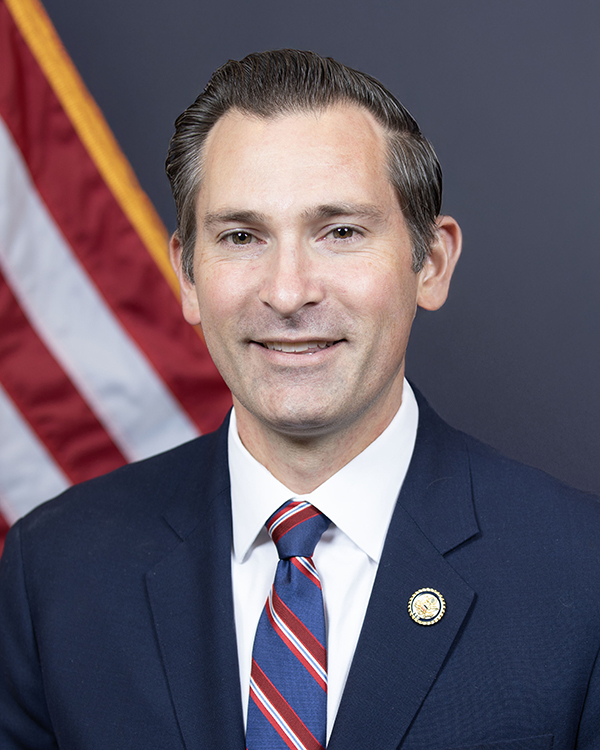
Matt Van Epps
Matt Van Epps House · District 7
R
Support
78% 9
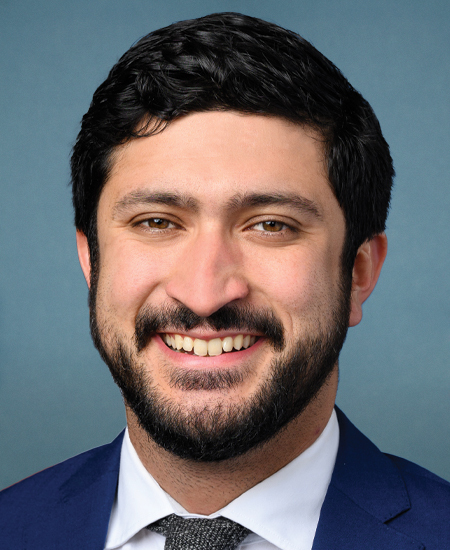
Greg Casar
Greg Casar House · District 35
D
Support
75% 12
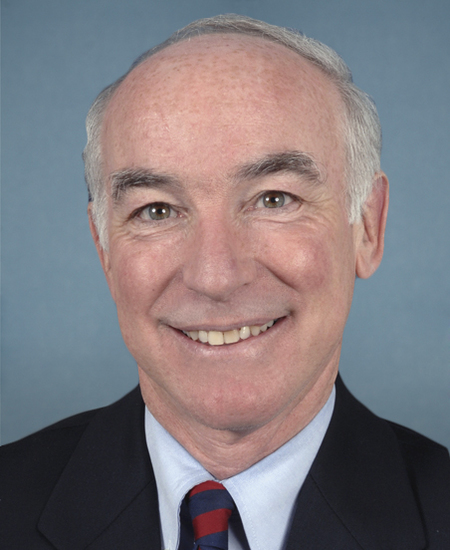
Joe Courtney
Joe Courtney House · District 2
D
Support
75% 12
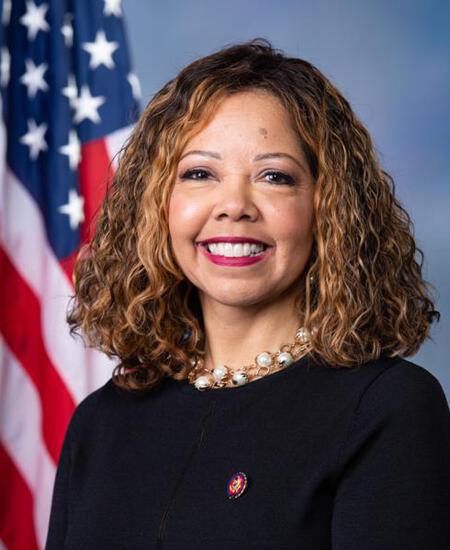
Lucy McBath
Lucy McBath House · District 6
D
Support
75% 12
Marsha Blackburn
Marsha Blackburn Senate
R
Oppose
22% 9
Ted Budd
Ted Budd Senate
R
Oppose
25% 12
Mary E. Miller
Mary E. Miller House · District 15
R
Oppose
29% 14
Wesley Hunt
Wesley Hunt House · District 38
R
Oppose
30% 10
Joni Ernst
Joni Ernst Senate
R
Oppose
31% 26
Showing 341–350 of 850 bills

All transportation bills

in committee · United States · House May 5, 2025

HR 3196: Improving Helicopter Safety Act of 2025

HR 3196, the Improving Helicopter Safety Act of 2025, prohibits civil helicopter flights within a 20-mile radius of the Statue of Liberty National Monument, effective 60 days after enactment. This directly affects helicopter tour operators and commercial flight services near the monument, with exceptions for emergency response (law enforcement, medical services), infrastructure maintenance, and certain news/media flights. The bill requires the FAA to issue implementing regulations within 90 days to enforce the no-fly zone. The law aims to enhance safety and reduce disruptions in this high-traffic tourist area while allowing essential operations.
Sub-Topics Airports
in committee · United States · House Apr 17, 2025

HR 2946: Clean Energy Victory Bond Act of 2025

HR 2946, the Clean Energy Victory Bond Act of 2025, authorizes the U.S. Treasury to issue voluntary savings bonds (starting at $25) with interest tied to energy savings from funded projects. Proceeds from up to $50 billion in annual bond sales would fund a new Clean Energy Victory Bonds Trust Fund, supporting clean energy projects like solar/wind installations, energy-efficient buildings, grid upgrades, and zero-emission vehicle infrastructure. The bill mandates that at least 40% of annual funding must target disadvantaged and vulnerable communities, defined as those facing disproportionate health/environmental burdens or high low-income populations. It directly affects all Americans who purchase bonds and federal/state/local entities implementing eligible clean energy projects.
Sub-Topics Renewable Energy Solar
in committee · United States · House Feb 4, 2026

HR 7358: Safer Rail Crossing Act of 2026

This bill requires the Transportation Secretary to issue guidance within one year about how states can use specific federal highway funds to reduce rail trespassing fatalities. It directs the Federal Highway Administration to clarify which types of safety projects qualify for funding set aside under existing law (Title 23 U.S. Code, Section 130(e)(1)(A)). The guidance will help states administer these funds for projects directly aimed at preventing fatalities at rail crossings, affecting state transportation agencies managing federal highway funds. The bill does not create new funding or alter existing safety requirements, only specifying administrative guidance for current programs.
in committee · United States · House Sep 30, 2025

HR 5667: To provide for continued operation of the Federal Aviation Administration in the event of a lapse in appropriations.

HR 5667 provides temporary funding to maintain Federal Aviation Administration (FAA) operations during a government funding lapse. It appropriates necessary funds for up to 30 days or until the funding gap ends, whichever occurs first. This ensures uninterrupted air traffic control, safety inspections, and airport operations during budget shortfalls.
Sub-Topics Airports
in committee · United States · Senate Jul 30, 2025

S 2537: Open America's Ports Act

This bill repeals the Passenger Vessel Services Act of 1886 (PVSA) and adjusts the Jones Act requirements for passenger vessels. It specifically exempts vessels transporting passengers between U.S. ports (including routes via foreign ports) from domestic vessel ownership, crew citizenship, and Navy Reserve requirements under the Jones Act. The key provision removes barriers for foreign-flagged vessels operating on these passenger routes, while maintaining compliance with all other U.S. laws. This directly affects passenger vessel operators seeking to serve U.S. coastal routes using foreign ports as transit points.
Sub-Topics Ports
passed · United States · Senate May 12, 2026

S 71: Baby Changing on Board Act

Baby Changing on Board Act This bill requires Amtrak passenger rail trains to have a baby changing table in at least one restroom in each car, including in an Americans with Disabilities Act of 1990-compliant restroom. The bill applies to passenger rail trains that are (1) owned and operated by Amtrak, and (2) solicited for purchase after the bill's enactment for use by Amtrak.
Sub-Topics Rail
in committee · United States · House Aug 8, 2025

HR 4924: Rails to Trails Landowner Rights Act

HR 4924, the Rails to Trails Landowner Rights Act, requires states and trail groups to notify landowners and local governments before converting abandoned railroad corridors into trails. It mandates that trail sponsors obtain written landowner approval, pay fair market value compensation for property impacts (including lost development and infrastructure costs), and maintain the right-of-way in perpetuity. The bill also requires a 90-day public comment period, a cost-benefit analysis of safety, economic, and environmental impacts, and creates an online portal for transparency. These changes directly affect landowners adjacent to former rail corridors and trail sponsors seeking interim trail use.
Sub-Topics Rail
in committee · United States · House Feb 13, 2025

HR 1293: Vehicle Energy Performance Act of 2025

This bill creates a tax credit for new vehicles with better fuel economy than the median for their model year, with a maximum credit of $5,000. It also imposes a fee on manufacturers of vehicles with fuel economy below the median for their model year. The credit amount is calculated based on how much a vehicle's fuel economy exceeds the median for its model year, using combined fuel-economy ratings expressed in miles per gallon of gasoline equivalent. Vehicle manufacturers must report fuel economy data annually, and the credit can be transferred to dealers who disclose the amount to customers. The bill applies to new passenger cars and light trucks starting with model year 2027.
in committee · United States · House Jan 10, 2025

HR 265: Train FOOD Act

This bill requires Amtrak to establish an advisory committee within one year to oversee improvements to onboard dining services. The committee, including Amtrak staff, food service unions, passenger groups, and states funding routes, will review Amtrak’s progress on implementing food service recommendations. Amtrak must then submit annual reports to Congress detailing which recommendations are completed, which are deemed impractical (with cost estimates if funding is insufficient), and changes to dining services. A separate Government Accountability Office report will also assess Amtrak’s progress after two years. The bill directly affects Amtrak’s food service operations and involves multiple stakeholders in the oversight process.
Sub-Topics Rail
in committee · United States · House Mar 5, 2025

HR 1861: Checkpoint Modernization Act

The Checkpoint Modernization Act requires U.S. Customs and Border Protection (CBP) to prioritize renovating border checkpoints along the southern U.S. border to improve agent safety, enhance detection of smuggling and contraband, and reduce traffic congestion. It authorizes $150 million annually from 2025-2028 for these projects and mandates annual reports to Congress on costs and progress. The bill also rescinds unobligated funds from the EPA’s climate justice grants program to cover these border renovations. This directly affects Border Patrol agents, travelers at southern border checkpoints, and federal budget allocations for border security. The focus is on physical infrastructure upgrades and operational efficiency, not policy changes to border enforcement.
Sub-Topics Border Security
Showing 341 to 350 of 850 bills
Previous 1 34 35 36 85 Next