

Issue · Transportation
Transportation (Roads & Highways)
Every transportation bill, vote, and legislator stance in United States, automatically classified by Maddy, our AI policy reader.
Total bills
234
119th Congress
Top supporter
Rand Paul
69% support rate
Top opponent
Mark R. Warner
31% support rate
Ranked legislators
10
5 support · 5 oppose
Key legislators
Who's moving roads & highways in United States
| Legislator | Party | Stance | Support rate | Votes |
|---|---|---|---|---|

Rand Paul
Senate
|
R |
Support
|
69% | 13 |

Marsha Blackburn
Senate
|
R |
Support
|
67% | 3 |

Ashley Moody
Senate
|
R |
Support
|
64% | 14 |
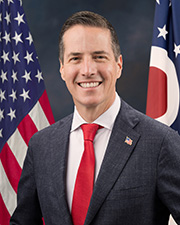
Bernie Moreno
Senate
|
R |
Support
|
64% | 14 |

Bill Cassidy
Senate
|
R |
Support
|
64% | 14 |
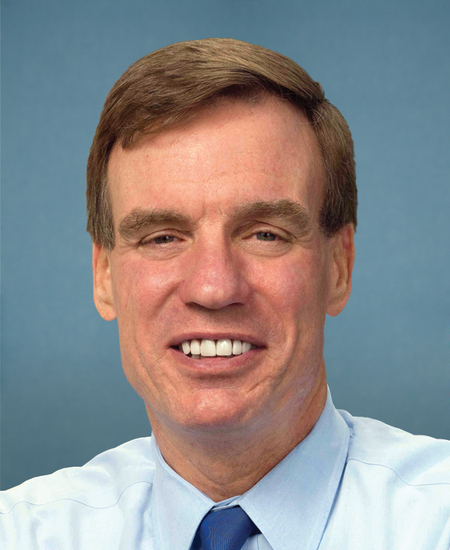
Mark R. Warner
Senate
|
D |
Oppose
|
31% | 13 |
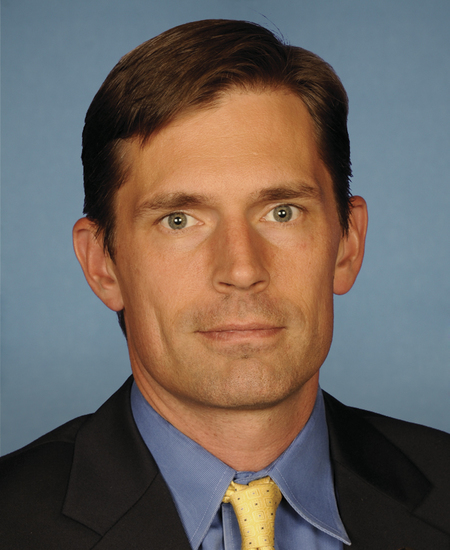
Martin Heinrich
Senate
|
D |
Oppose
|
33% | 3 |
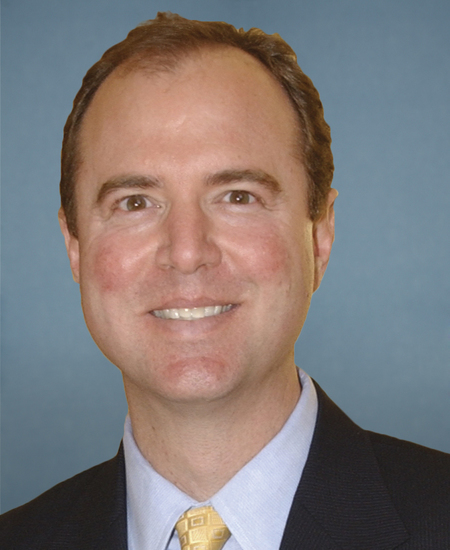
Adam B. Schiff
Senate
|
D |
Oppose
|
36% | 14 |
Alex Padilla
Senate
|
D |
Oppose
|
36% | 14 |

Amy Klobuchar
Senate
|
D |
Oppose
|
36% | 14 |
Showing 191–200 of 234
bills
All transportation bills
HR 3931: Kids on the Go Act of 2025
Topics
✓ Budget & TaxesSupports Budget & TaxesIncreases federal funding share for safe routes to school projects from lower percentage to 95%, advancing government spending on essential transportation program
✓ EducationSupports EducationIncreases federal funding (95% coverage) for safe routes to school transportation projects, directly enhancing K-12 student access and school infrastructure.
✓ EnvironmentSupports EnvironmentPromotes walking/biking to school routes, reducing vehicle emissions and pollution, aligning with environmental protection goals.
✓ TransportationSupports TransportationBill increases federal funding (to 95%) for safe routes to school transportation projects, directly advancing infrastructure funding under transportation programs.
Sub-Topics
School Safety
School Transportation
Bicycle Infrastructure
Pedestrian Safety
Roads & Highways
HR 3663: Bridge Protection Act
HRES 468: Expressing support for the designation of the week of June 1 through June 7, 2025, as "National Trailer Safety Week" in the United States, and supporting the goals and ideals of National Trailer Safety Week to educate American motorists about the importance of proper towing techniques and maintenance.
Sub-Topics
Roads & Highways
S 2901: Safer Emergency and Evacuation Routes Response Act of 2025
Topics
✓ EnvironmentSupports EnvironmentBill improves wildfire response and evacuation safety, indirectly supporting environmental protection by reducing disaster impacts and enabling better natural resource management during emergencies.
✓ TransportationSupports TransportationEnhances transportation safety by integrating wildfire alerts with traffic systems for real-time evacuation route updates, using existing infrastructure without new funding.
HR 6531: Bridges not Bumpers Act of 2025
HR 7204: School Bus Stop-Arm Safety Camera Act
Topics
✓ EducationSupports EducationBill authorizes federal grants for school bus safety cameras, enhancing student transportation safety and infrastructure, directly supporting K-12 educational access and safety measures.
✓ TechnologySupports TechnologyFunds camera technology adoption and mandates data privacy studies, supporting tech implementation with safeguards per bill's grant program and privacy requirements.
✓ TransportationSupports TransportationPromotes school bus safety technology via grants and study, enhancing transportation safety standards for vehicle operations.
Sub-Topics
School Safety
School Transportation
Data Privacy
Public Transit
Roads & Highways
Traffic Safety
S 711: Transportation Freedom Act
Topics
✓ Budget & TaxesSupports Budget & TaxesCreates 200% tax deduction for auto manufacturing wages, providing tax relief for eligible workers and employers.
✗ EnergyOpposes EnergyRepeals emissions standards and CAFE, weakening clean energy regulations and fuel efficiency requirements
✗ EnvironmentOpposes EnvironmentRepeals current emissions standards and CAFE regulations, weakening environmental protections by removing existing vehicle emissions requirements.
✓ HealthcareSupports HealthcareRequires health care coverage as a condition for tax deduction eligibility, promoting employer-provided health benefits for manufacturing workers.
✓ Labor & EmploymentSupports Labor & EmploymentCreates 200% tax deduction for wages requiring health care/pension benefits, directly expanding worker benefits per Labor & Employment indicators.
✗ TransportationOpposes TransportationRepeals current emissions standards and CAFE fuel economy requirements, weakening vehicle regulation standards in transportation policy.
Sub-Topics
Pensions
Air Quality
Climate Change
Roads & Highways
Traffic Safety
Transportation Funding
S 1894: SPEED Act
Topics
✗ EnvironmentOpposes EnvironmentDoubles thresholds for categorical exclusion, allowing projects to bypass environmental reviews, weakening regulatory oversight.
✓ TransportationSupports TransportationIncreases funding thresholds for transportation projects, enabling more to bypass environmental reviews and accelerate infrastructure development.
S 1798: Autonomous Vehicle Acceleration Act of 2025
Topics
✓ TechnologySupports TechnologyRemoves regulatory barriers for autonomous vehicles (Level 4/5), enabling faster deployment per Volpe 2016 Report, directly advancing technology adoption.
✓ TransportationSupports TransportationUpdates federal safety standards to enable autonomous vehicles (Level 4/5), removing human driver requirements and addressing Volpe 2016 barriers, advancing transportation innovation.