Issue · Technology

Technology

Every technology bill, vote, and legislator stance in United States, automatically classified by Maddy, our AI policy reader.

Total bills
1,461
119th Congress
Top supporter
Ami Bera
86% support rate
Top opponent
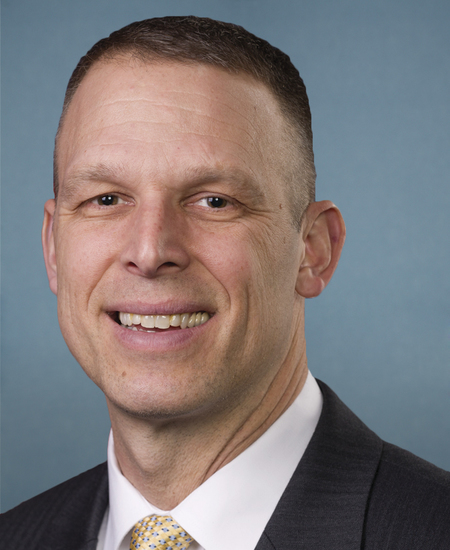
Scott Perry
14% support rate
Ranked legislators
10
5 support · 5 oppose
Key legislators

Who's moving technology in United States

Legislators moving technology in United States
Legislator Party Stance Support rate Decisive votes
Ami Bera
Ami Bera House · District 6
D
Strong +
86% 22
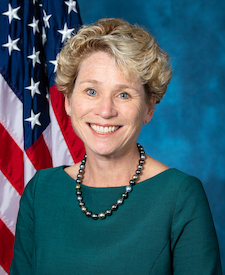
Chrissy Houlahan
Chrissy Houlahan House · District 6
D
Strong +
86% 22
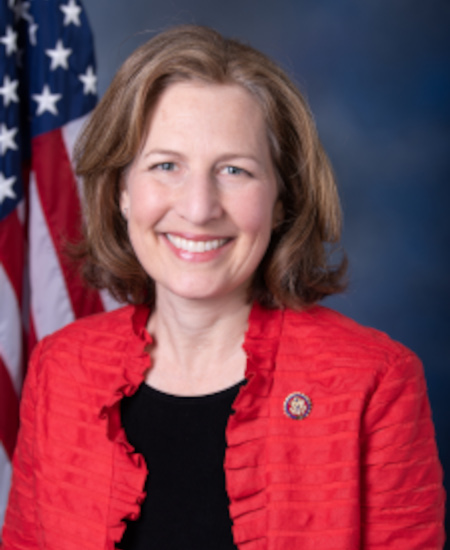
Kim Schrier
Kim Schrier House · District 8
D
Strong +
86% 22
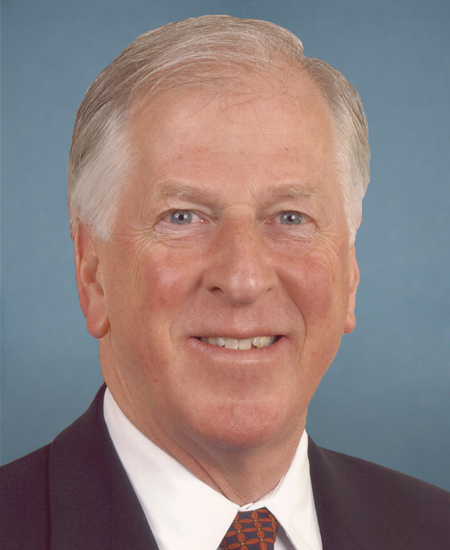
Mike Thompson
Mike Thompson House · District 4
D
Strong +
86% 22
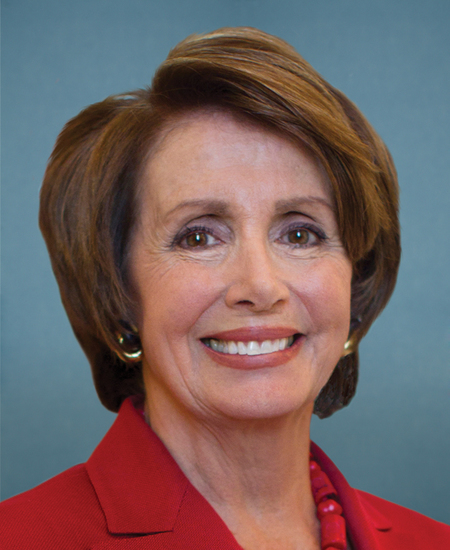
Nancy Pelosi
Nancy Pelosi House · District 11
D
Strong +
86% 22
Scott Perry
Scott Perry House · District 10
R
Strong −
14% 21
AA
Alan Armstrong Senate
R
Strong −
17% 29
Rand Paul
Rand Paul Senate
R
Strong −
17% 46
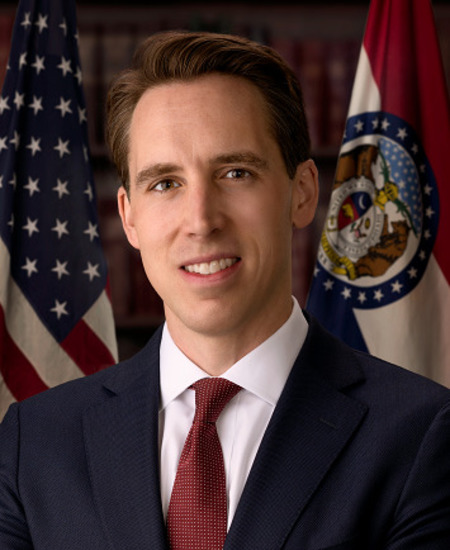
Josh Hawley
Josh Hawley Senate
R
Strong −
18% 45
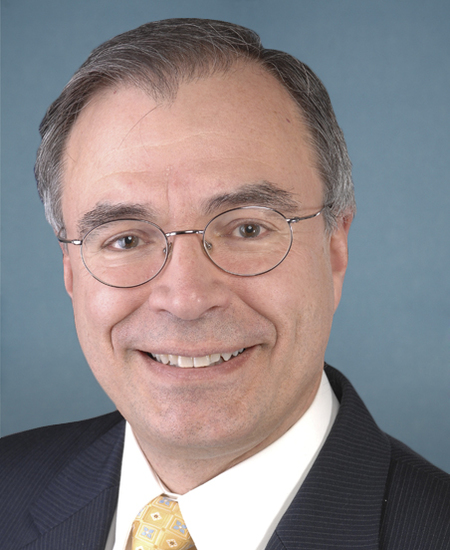
Andy Harris
Andy Harris House · District 1
R
Strong −
18% 22
Showing 821–830 of 1,461 bills

All technology bills

in committee · United States · Senate Jan 13, 2026

S 3619: Department of Defense Comprehensive Cyber Workforce Strategy Act of 2026

S 3619 requires the Department of Defense (DoD) to develop a new comprehensive cyber workforce strategy by January 31, 2027, and submit a detailed report to congressional committees. The report must assess progress on the previous 2023-2027 strategy, analyze the existing Defense Cyber Workforce Framework (including roles, staffing gaps, and performance metrics), and identify challenges in implementation. It also mandates evaluating opportunities to improve recruitment through industry alignment, leveraging commercial tools, university partnerships, and alternative personnel models like cyber reserves. The bill directly affects DoD’s cyber workforce management, aiming to strengthen talent acquisition, development, and retention through structured planning and accountability.
in committee · United States · Senate Oct 21, 2025

S 1378: TAME Extreme Weather and Wildfires Act

S 1378, the TAME Extreme Weather and Wildfires Act, directs the National Oceanic and Atmospheric Administration (NOAA) to develop and use artificial intelligence (AI) weather models to improve forecasting accuracy for extreme weather, wildfires, and related hazards. The bill requires NOAA to create public datasets for AI training, test AI-based global and regional weather models, and share operational AI models and associated data with the public at no cost (subject to security safeguards). It mandates continued support for traditional weather observation systems and numerical models while exploring AI applications for wildfire risk mitigation, emergency preparedness, and data assimilation. The legislation authorizes $311 million for fiscal year 2026 and $76 million annually through 2030 for these initiatives, with reports to Congress on implementation progress and security risks.
in committee · United States · House May 1, 2025

HR 3152: Patent Eligibility Restoration Act of 2025

HR 3152, the Patent Eligibility Restoration Act of 2025, clarifies which inventions can receive patent protection under U.S. law. It eliminates judicial exceptions that previously made many inventions ineligible, stating that any useful process, machine, manufacture, or composition of matter is eligible unless it falls into specific excluded categories. These exclusions include mathematical formulas not tied to an invention, mental processes, unmodified human genes (whether in the body or isolated), unmodified natural materials, and purely economic or business methods (though methods requiring a machine, like a computer, remain eligible). The bill directly affects inventors, patent attorneys, and companies seeking patents, particularly in biotechnology, software, and business-related fields. It aims to reduce legal confusion by making patent eligibility rules more consistent and predictable.
passed · United States · House Jul 13, 2026

HR 7258: Energy Emergency Leadership Act

The Energy Emergency Leadership Act (HR 7258) assigns new responsibilities to Assistant Secretaries at the Department of Energy (DOE) for managing energy infrastructure security, emergency response, and resilience. It requires them to handle cybersecurity, supply chain issues, and coordinated planning for energy security threats, risks, and incidents. The bill mandates that the DOE provide technical assistance to states, local governments, tribes, or energy companies upon their request, while working with other federal agencies. This change directly affects the DOE’s internal operations and the entities that can seek federal support during energy emergencies.
Sub-Topics Electric Grid Energy Resilience Cybersecurity Tags Emergency Management
in committee · United States · House Apr 22, 2026

HR 7003: BIS STRENGTH Act

The BIS STRENGTH Act allows the Bureau of Industry and Security (BIS) to hire up to 25 outside experts in critical technology and security fields without following standard civil service hiring rules. These experts can be appointed to positions with pay up to the maximum for senior government roles (capped at Vice President-level compensation) for up to 5 years, extendable by 1 year for national security needs. The bill requires annual reports to Congress detailing hiring gaps, appointments, and impacts on BIS's mission. It includes strict limits on the total number of such hires and mandates continued employment for existing appointees if the program ends.
in committee · United States · House Jan 22, 2026

HR 7217: SBIR Administrative Funding Act

This bill modifies funding rules for the Small Business Innovation Research (SBIR) and Small Business Technology Transfer (STTR) programs. It extends the deadline for administrative funding from 2025 to 2030, increases the required funding percentage from 3% to 3.3%, and mandates that federal agencies (like DoD, DOE, HHS, NASA, and NSF) transfer at least 10% of certain program funds to the SBIR administrator within two months of annual appropriations. It also requires agencies to use funds for outreach to states with historically low SBIR awards to boost participation from underserved communities. These changes directly affect small businesses applying for SBIR/STTR grants and the federal agencies managing these programs.
Tags Small Business
in committee · United States · House Dec 17, 2025

HR 6795: School MEALS Act of 2025

The School MEALS Act of 2025 aims to improve automatic enrollment in free school meals for low-income students by expanding "direct certification" - a process where schools enroll eligible children without requiring separate applications. It provides $28 million in grants to states and tribal organizations to upgrade technology, train staff, and coordinate with other benefit programs (like SNAP), with priority for areas with low current enrollment rates. The bill also raises the target direct certification rate from 10% to 20% for some schools and extends data collection deadlines for community eligibility programs. These changes directly affect students from low-income households, schools, and state/local education agencies managing meal programs.
in committee · United States · House Dec 17, 2025

HR 6796: Military CARE Act

This bill establishes a digital system for TRICARE members to electronically file and track complaints about access to care at military medical facilities. It requires the Defense Department to create a system where beneficiaries can submit complaints online, view their status in real time, and have complaints automatically aggregated quarterly for review. The system mandates annual reports to Congress comparing complaint types (e.g., specialty vs. primary care, pediatric vs. non-pediatric, administrative hurdles) and detailing facility-level actions taken to address issues. The goal is to improve transparency and accountability in military healthcare access.
in committee · United States · House Mar 18, 2026

HR 7813: NOAA Weather Radio Modernization Act

This bill modernizes the NOAA Weather Radio network to improve emergency weather warnings across the country. It requires the network to broadcast 24/7 with enhanced reliability, especially in areas without reliable internet or cellular service. The bill mandates expanding coverage to high-risk weather areas, adding satellite capabilities, and upgrading to internet-based communication systems. It authorizes $20 million annually for operations and $100 million for modernization efforts. The goal is to ensure all communities, particularly those with limited connectivity, receive timely weather warnings during emergencies.
in committee · United States · House Feb 24, 2026

HR 7049: Improving Mental Health Care and Coordination for Homeless Veterans Act

This bill requires the Department of Veterans Affairs (VA) to conduct a comprehensive assessment within 72 hours for veterans identified as needing homeless program services who have mental health needs. The assessment must cover physical/mental health needs, create a care plan addressing immediate and long-term support, and identify suitable housing. VA staff must integrate this information into veterans' electronic health records while following privacy laws. The VA Homeless Program Office must also monitor whether these care plans effectively address veterans' needs. This directly affects homeless veterans with mental health challenges who access VA homeless services.
Showing 821 to 830 of 1,461 bills
Previous 1 … 82 83 84 … 147 Next