Issue · Technology

Technology

Every technology bill, vote, and legislator stance in United States, automatically classified by Maddy, our AI policy reader.

Total bills
1,678
119th Congress
Top supporter
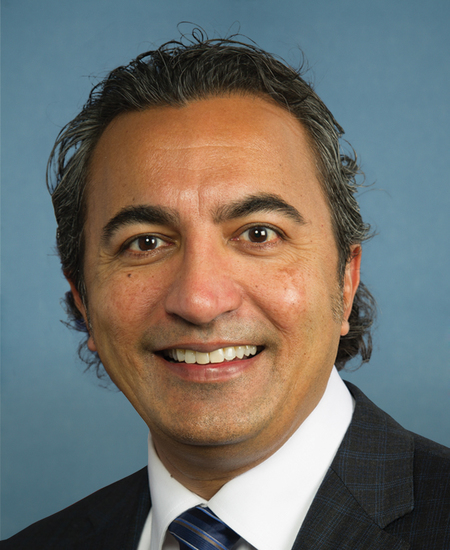
Ami Bera
86% support rate
Top opponent
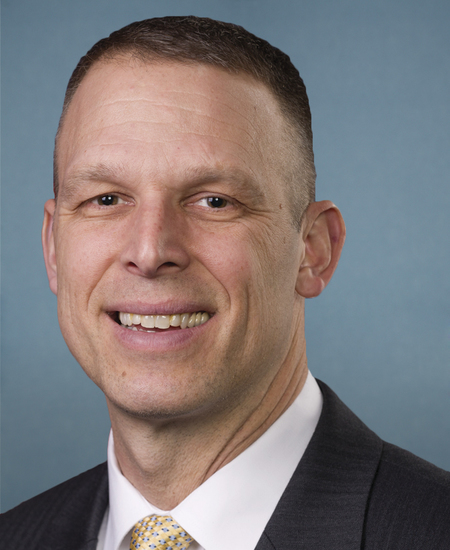
Scott Perry
14% support rate
Ranked legislators
10
5 support · 5 oppose
Key legislators

Who's moving technology in United States

Legislators moving technology in United States
Legislator Party Stance Support rate Decisive votes
Ami Bera
Ami Bera House · District 6
D
Strong +
86% 22
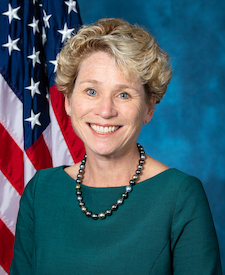
Chrissy Houlahan
Chrissy Houlahan House · District 6
D
Strong +
86% 22
Kim Schrier
Kim Schrier House · District 8
D
Strong +
86% 22
Mike Thompson
Mike Thompson House · District 4
D
Strong +
86% 22
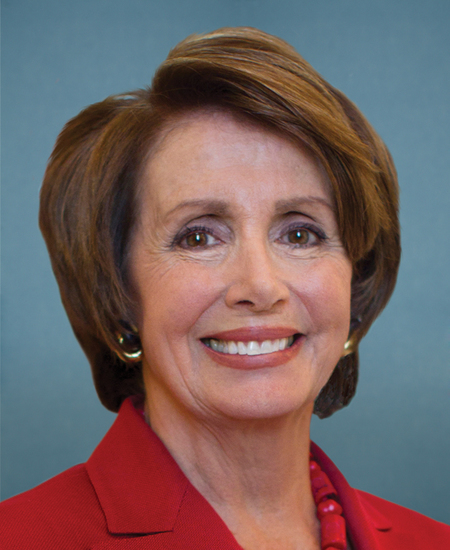
Nancy Pelosi
Nancy Pelosi House · District 11
D
Strong +
86% 22
Scott Perry
Scott Perry House · District 10
R
Strong −
14% 21
AA
Alan Armstrong Senate
R
Strong −
17% 29
Rand Paul
Rand Paul Senate
R
Strong −
17% 46
Josh Hawley
Josh Hawley Senate
R
Strong −
18% 45
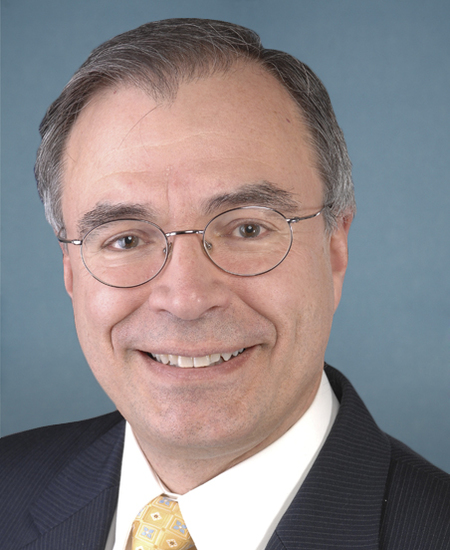
Andy Harris
Andy Harris House · District 1
R
Strong −
18% 22
Showing 711–720 of 1,678 bills

All technology bills

in committee · United States · Senate Dec 10, 2025

S 3415: Small Business Innovation Voucher Act of 2025

This bill creates the Innovation Voucher Grant Program to provide small businesses with grants covering up to 75% of costs (up to $75,000 total) for purchasing technical assistance and services from eligible research institutions like universities or nonprofit labs. Small businesses (as defined by the Small Business Act) directly benefit by accessing advanced research capabilities, expertise, and infrastructure to develop new products or services. The program requires competitive applications, mandates post-project reporting on innovation outcomes, and authorizes $10 million annually from 2026-2030 to fund grants, with no more than 5% of funds used for administrative costs.
Tags Small Business
in committee · United States · Senate Jan 24, 2025

S 248: Sustainable Cardiopulmonary Rehabilitation Services in the Home Act

This bill makes permanent Medicare coverage for telehealth-based cardiopulmonary rehabilitation services (including cardiac, intensive cardiac, and pulmonary rehab) provided in patients' homes. It removes geographic restrictions for these services after January 1, 2026, allowing Medicare to cover home-based telehealth visits for eligible patients. The law requires the Health Secretary to establish standards for home-based rehab programs by 2026. It directly affects Medicare beneficiaries needing ongoing heart or lung rehabilitation, ensuring they can access these services remotely without location-based limitations. The bill codifies pandemic-era flexibilities into permanent policy for these specific healthcare programs.
Sub-Topics Medicare Telehealth
in committee · United States · Senate Oct 29, 2025

S 3069: Protecting Americans from Harmful CCP Products Act

This bill amends the Consumer Product Safety Act to empower the Consumer Product Safety Commission to mandate recalls of consumer products made in China (including Hong Kong/Macao) without manufacturer consent if the product poses a substantial hazard. It directly affects Chinese manufacturers, retailers, and Chinese-owned e-commerce platforms (like Alibaba or JD.com) selling products to U.S. consumers. Key provisions require the Commission to issue recalls when: the product is from China, sold directly to U.S. consumers, the manufacturer failed to respond to safety requests, and a hazard is determined - creating a rebuttable presumption of hazard. The Commission must publish recall notices 30 days in advance on its website and notify distributors/platforms.
in committee · United States · House Aug 19, 2025

HR 4999: Fusion Workforce Act

The Fusion Workforce Act (HR 4999) creates dedicated funding streams - $20 million annually for the National Science Foundation and $10 million annually for the Department of Energy - to support workforce development in fusion-related fields. It directly affects institutions of higher education (including community colleges, minority-serving institutions, and Tribal Colleges), National Laboratories, and industry partners by requiring grants for developing fusion-focused curricula, teacher training, hands-on learning experiences, and industry partnerships. Key mechanisms include establishing a national Fusion Education and Workforce Coordination Hub to share resources and address workforce gaps, supporting industry professional instructors in classrooms, and prioritizing outreach to underrepresented groups and rural communities. The bill mandates concrete activities like creating stackable credentials, modernizing lab facilities, and connecting students to internships, all aligned with fusion industry needs.
introduced · United States · Senate Oct 22, 2025

S 3032: Counter-UAS Authority Extension Act

This bill extends the existing authority of the Department of Homeland Security (DHS) and the Department of Justice (DOJ) to use counter-unmanned aircraft systems (counter-UAS) for security purposes. It amends the Homeland Security Act of 2002 by changing the expiration date of these authorities from September 30, 2025, to September 30, 2028. The extension directly affects DHS and DOJ operations involving drone detection, monitoring, and mitigation capabilities. No new policies or funding are created - only the timeline for current authorities is extended.
Sub-Topics Emerging Technology
in committee · United States · House Jul 22, 2025

HR 4600: RESPECT Act

The RESPECT Act (HR 4600) increases criminal penalties for intentionally disclosing nonconsensual intimate images or videos. It directly affects individuals who share such private content without consent, raising maximum prison sentences for these offenses. Key provisions amend the Communications Act to increase maximum terms: from 2 to 5 years for certain violations, 3 to 10 years for others, and lesser offenses from 18 months to 3 years and 30 months to 5 years. The bill focuses solely on strengthening existing criminal penalties for this specific type of exploitation.
in committee · United States · Senate Feb 24, 2025

S 697: Air Traffic Control Workforce Development Act of 2025

S 697 establishes the Air Traffic Control Workforce Development Act of 2025 to strengthen training and retention for air traffic controllers. It creates a $20 million annual grant program (2026-2031) for colleges to develop enhanced curriculum, faculty support, and equipment for the Collegiate Training Initiative (CTI), directly benefiting institutions and future controllers. The bill also mandates a committee to modernize CTI curricula and the Air Traffic Skills Assessment exam, while adding retention bonuses for certified controllers. Additionally, it requires new mental health training for controllers and aviation medical examiners, and a report on airport radar systems. These changes aim to improve workforce pipeline efficiency and controller well-being.
in committee · United States · Senate Feb 11, 2026

S 3834: Expanded Telehealth Access Act

This bill expands Medicare coverage for telehealth services by adding new healthcare professionals to the list of providers eligible for payment. It directly affects Medicare beneficiaries who use remote care and allows qualified audiologists, occupational therapists (including assistants), physical therapists (including assistants), and speech-language pathologists to bill Medicare for telehealth services. Key changes update Medicare rules to include these professionals under the definition of "practitioner" and specify that facilities can also provide telehealth services under Medicare. This policy change removes previous restrictions, making it easier for patients in rural or underserved areas to access these specialized telehealth services.
in committee · United States · Senate Mar 18, 2026

S 3138: Veterans SPORT Act

This bill amends VA medical coverage to explicitly include adaptive prostheses and terminal devices designed for sports and recreational activities alongside standard artificial limbs. It directly affects eligible veterans using prosthetic devices who wish to participate in sports or recreational therapy. The key provision expands existing VA coverage under 38 U.S.C. §1701 to cover these specific adaptive devices without requiring separate authorization. This change ensures veterans can access equipment for recreational purposes through the VA's standard medical services. The bill does not create new benefits but clarifies and broadens existing coverage for a defined category of prosthetic devices.
in committee · United States · Senate Feb 10, 2026

S 3825: Workforce Development Modernization Act

This bill amends the Workforce Innovation and Opportunity Act to modernize "one-stop centers," which provide job training and employment services. It allows states to use virtual centers (like terminals providing service access) or shared centers across adjacent areas, instead of requiring one physical center per local area. It also mandates that states with physical centers must colocate employment service offices within those centers. These changes directly affect workforce development centers and job seekers accessing services through them.
Showing 711 to 720 of 1,678 bills
Previous 1 … 71 72 73 … 168 Next