Issue · Technology

Technology

Every technology bill, vote, and legislator stance in United States, automatically classified by Maddy, our AI policy reader.

Total bills
210
119th Congress
Top supporter
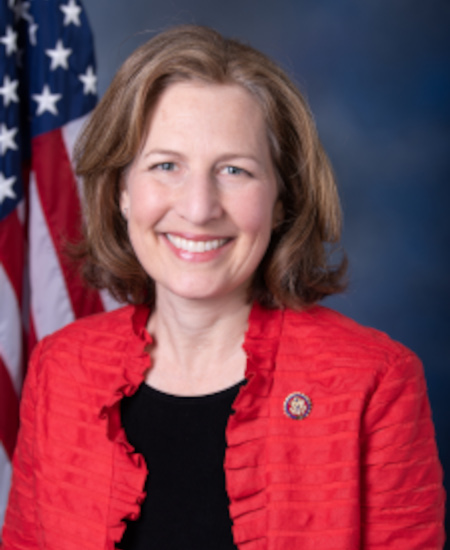
Suzan K. DelBene
86% support rate
Top opponent
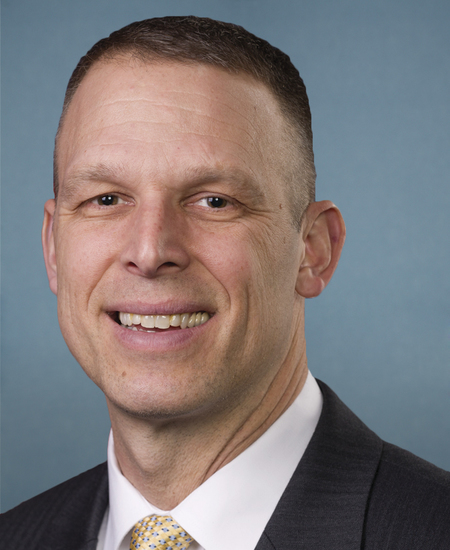
Scott Perry
14% support rate
Ranked legislators
10
5 support · 5 oppose
Key legislators

Who's moving technology in United States

Legislators moving technology in United States
Legislator Party Stance Support rate Votes
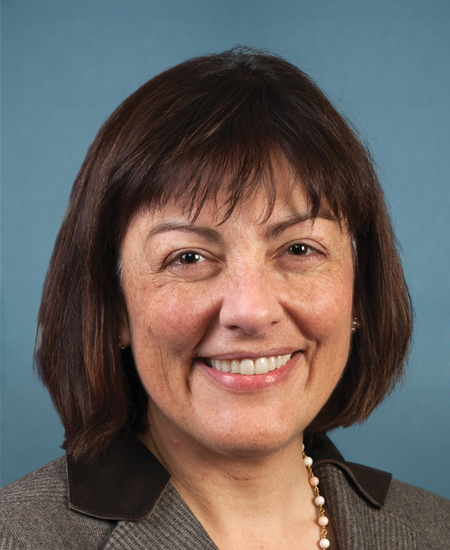
Suzan K. DelBene
Suzan K. DelBene House · District 1
D
Strong +
86% 259
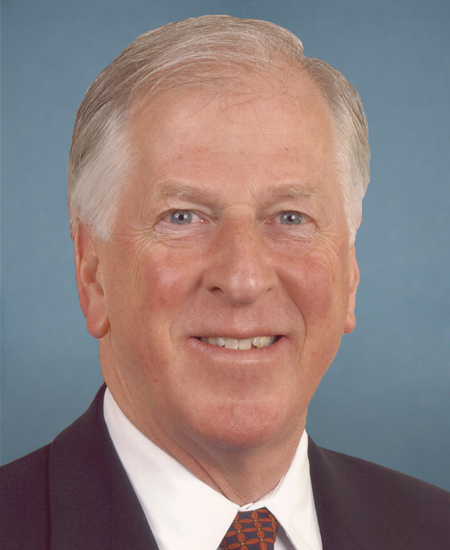
Mike Thompson
Mike Thompson House · District 4
D
Strong +
86% 261
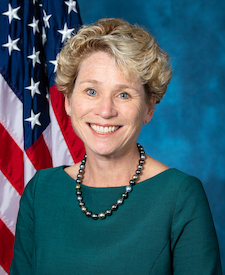
Chrissy Houlahan
Chrissy Houlahan House · District 6
D
Strong +
86% 259
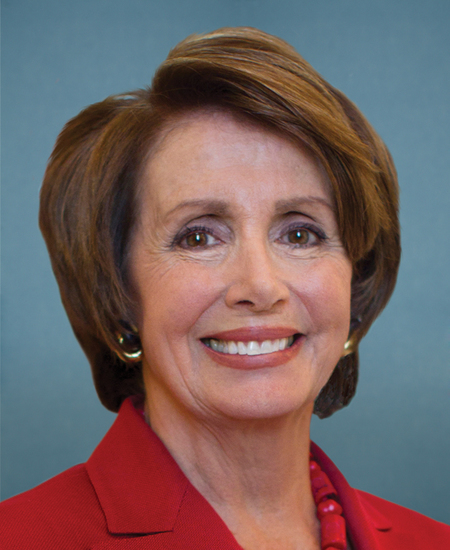
Nancy Pelosi
Nancy Pelosi House · District 11
D
Strong +
86% 246
Kim Schrier
Kim Schrier House · District 8
D
Strong +
86% 261
Scott Perry
Scott Perry House · District 10
R
Strong −
14% 252
AA
Alan Armstrong Senate
R
Strong −
14% 46
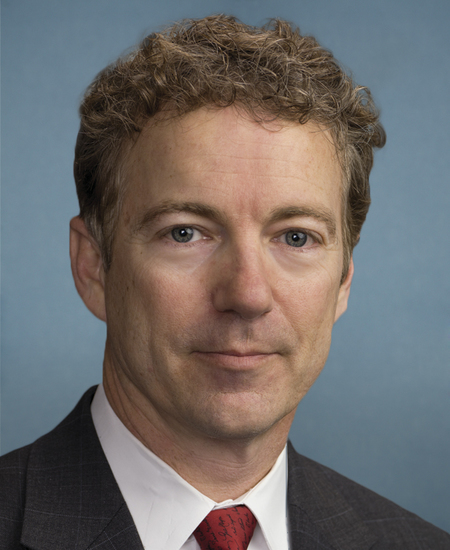
Rand Paul
Rand Paul Senate
R
Strong −
16% 223
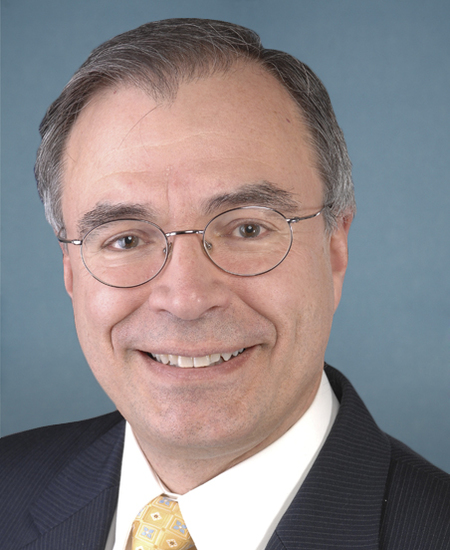
Andy Harris
Andy Harris House · District 1
R
Strong −
18% 257
Russ Fulcher
Russ Fulcher House · District 1
R
Strong −
18% 262
Showing 51–60 of 210 bills

All technology bills

in committee · United States · House May 12, 2026

HR 8743: SMART Kids Act

The SMART Kids Act directs the Surgeon General to create evidence-based guidelines on daily screen time limits for children across six specific age groups. To ensure objectivity, the Surgeon General must work with an independent expert panel that has no financial conflicts of interest before finalizing these recommendations. Once completed, the guidelines will be published online and submitted to Congress within one year of the law's enactment. This legislation does not impose new legal restrictions on families but instead establishes a federal process for generating health advice on device usage.
in committee · United States · Senate Apr 28, 2026

S 4424: A bill to amend the National Defense Authorization Act for Fiscal Year 2021 to prohibit certain institutions of higher education from receiving research and development awards, and for other purposes.

This bill prohibits U.S. universities from receiving federal research and development funding for five years if they previously accepted money from specific foreign governments for projects involving artificial intelligence, biotechnology, or quantum information science. The law targets institutions of higher education and restricts them from getting awards related to national security or military applications if they took funds from countries like China, Russia, Iran, or others listed in the text. It defines a "foreign source" broadly to include not only the listed governments but also their subsidiaries, agents, and entities with significant ownership ties to those governments. By banning these specific types of funding, the legislation aims to prevent potential security risks associated with foreign involvement in sensitive technological research.
in committee · United States · House May 22, 2026

HR 9016: Email Privacy Act

This bill, known as the Email Privacy Act, amends existing federal laws to clarify how information about stored emails can be shared and how government agencies can access email content. It requires internet service providers to use the term "disclose" rather than "divulge" when sharing subscriber data and expands the definition of who can receive this information to include agents of the customer. The legislation also changes rules for government warrants by allowing providers to notify customers about the receipt of a warrant unless the government requests otherwise, while maintaining exceptions for communications made public by the sender. Additionally, the bill removes a specific time limit that previously required a warrant for emails stored for less than 180 days, ensuring consistent warrant requirements for all stored communications.
in committee · United States · House Jul 13, 2026

HR 8720: Campaign Finance Transparency Act

This bill, known as the Campaign Finance Transparency Act, requires political committees in federal elections to collect specific personal information from donors using online credit or debit cards, including card verification codes and billing ZIP codes. It also mandates that the name on the payment card must match the donor's name and bans the acceptance of contributions made with gift cards. Additionally, the legislation lowers the reporting threshold for campaign contributions from $200 to any amount and prohibits individuals from helping others make donations in someone else's name. These rules aim to increase donor transparency by making it harder to conceal the identity of contributors while establishing clear duties for committees to refund non-compliant payments.
Sub-Topics Data Privacy Tags Government Transparency
in committee · United States · Senate May 18, 2026

S 4559: Energy Cost Fairness and Reliability Act of 2026

The Energy Cost Fairness and Reliability Act of 2026 establishes new federal rules to manage the connection of large energy users, specifically data centers and other facilities with peak demand exceeding 50 megawatts, to the national power grid. Under this bill, these large load customers must pay the full cost for any grid upgrades required to accommodate their connection and must demonstrate the ability to reduce or shift their electricity usage when the grid is stressed. The legislation also creates a formal queue system for interconnection requests, prioritizes facilities that use battery backup or hire apprentices, and requires owners to provide proof of financial commitment before proceeding. Additionally, the Department of Energy is tasked with collecting data on data center energy use to track trends and establish a research testbed for developing more efficient artificial intelligence technologies.
in committee · United States · House May 11, 2026

HR 8730: Connected Vehicle Security Act of 2026

The Connected Vehicle Security Act of 2026 restricts the importation, sale, and manufacture of vehicles and related technology from specific countries, including China, Russia, Iran, and North Korea, to address national security concerns. The law defines prohibited items as connected vehicles, their software, and hardware components and sets different effective dates, with vehicle bans starting in 2027 and hardware restrictions beginning in 2030. A government official can grant exceptions for specific items after reviewing security risks and notifying Congress, while the agency must publish annual reports on enforcement actions and compliance.
in committee · United States · House Feb 9, 2026

HR 7433: Kids Off Social Media Act

The Kids Off Social Media Act prohibits social media platforms from allowing children under 13 to create accounts and requires them to delete the personal data of any existing accounts belonging to children. It also bans platforms from using personalized recommendation systems to show content to children and teens, except when the system relies only on basic information like device type, language, and location. The Eyes on the Board Act of 2026 requires schools that receive discounted internet subsidies to certify that they block students from accessing social media platforms and monitor their online activities. Together, these measures aim to limit children's access to social media and restrict how platforms use data from young users.
in committee · United States · House May 12, 2026

HR 8768: CHARGE Act

The CHARGE Act prohibits the sale, import, or distribution of electric vehicles and related equipment manufactured by foreign entities of concern, specifically targeting Chinese companies. To enforce this, the bill adds new definitions to U.S. law that classify vehicles using specific Chinese-made power control components as noncompliant. The legislation aims to protect the national electrical grid from potential disruptions caused by unregulated remote software updates and coordinated attacks from adversarial manufacturers. By restricting these imports, the bill seeks to prevent vulnerabilities that could lead to power outages or damage to connected devices.
in committee · United States · Senate May 14, 2026

S 4525: Securing Innovation and Research from Adversaries Act

The Securing Innovation and Research from Adversaries Act prohibits federally funded researchers and institutions from collaborating with entities on specific government restricted lists, such as those maintained by the Department of Commerce and the Treasury. This ban covers various activities including joint projects, co-authoring publications, sharing data, and exchanging research materials with individuals or organizations linked to these restricted parties. While the law generally forbids such partnerships, it allows federal agency heads to grant case-by-case waivers if the collaboration is deemed essential for national security or critical scientific purposes. Agencies must report any approved waivers to Congress within 30 days, detailing the recipient, justification, and any protective measures taken.
in committee · United States · House Apr 16, 2026

HR 8354: Securing Local Communities Input in Broadband Development Act

The Securing Local Communities Input in Broadband Development Act aims to nullify two specific actions taken by the Federal Communications Commission (FCC) regarding broadband infrastructure deployment. The bill declares that the FCC's 2018 ruling titled "Accelerating Wireless and Wireline Broadband Deployment by Removing Barriers to Infrastructure Investment" and its related "Third Report and Order and Declaratory Ruling" will no longer have legal force. This change directly affects the FCC's ability to streamline broadband development by limiting local regulatory authority, effectively restoring or preserving the regulatory rights of state and local governments over broadband infrastructure projects.
Sub-Topics Broadband Access Telecommunications Tags Rural Communities
Showing 51 to 60 of 210 bills
Previous 1 5 6 7 21 Next