Issue · Technology

Technology

Every technology bill, vote, and legislator stance in United States, automatically classified by Maddy, our AI policy reader.

Total bills
1,641
119th Congress
Top supporter
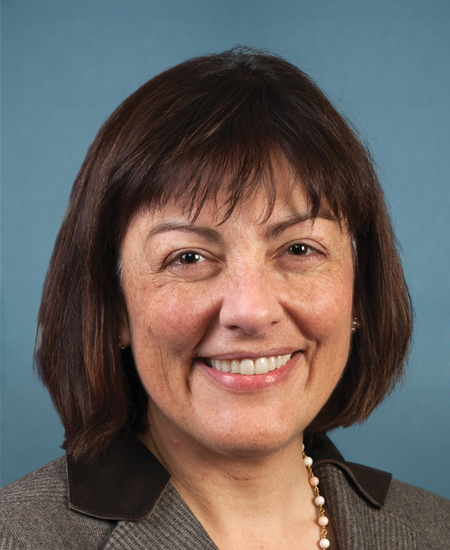
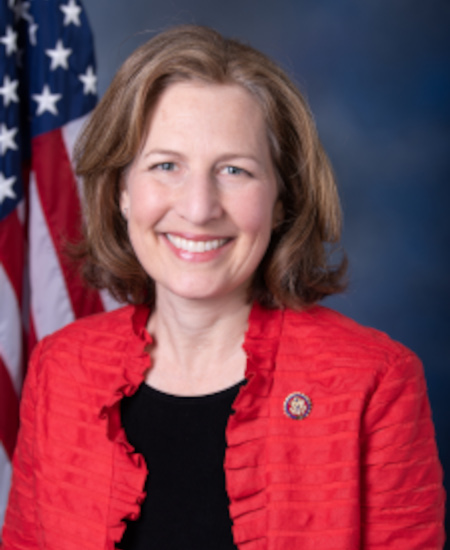
Suzan K. DelBene
86% support rate
Top opponent
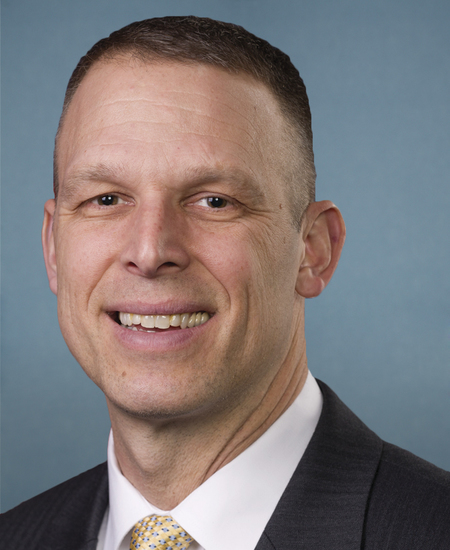
Scott Perry
14% support rate
Ranked legislators
10
5 support · 5 oppose
Key legislators

Who's moving technology in United States

Legislators moving technology in United States
Legislator Party Stance Support rate Votes
Suzan K. DelBene
Suzan K. DelBene House · District 1
D
Strong +
86% 259
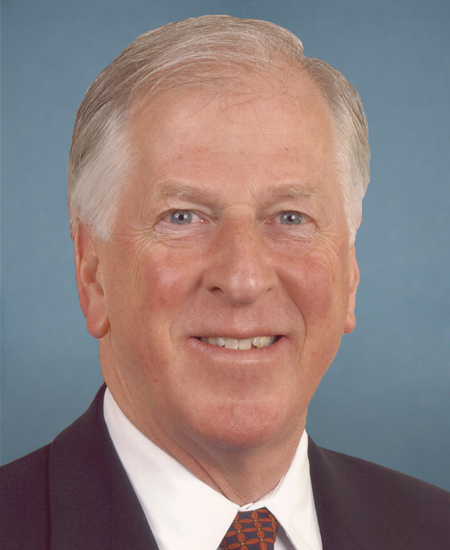
Mike Thompson
Mike Thompson House · District 4
D
Strong +
86% 261
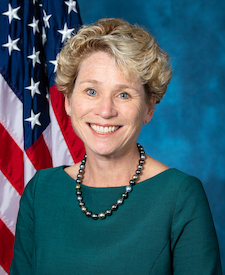
Chrissy Houlahan
Chrissy Houlahan House · District 6
D
Strong +
86% 259
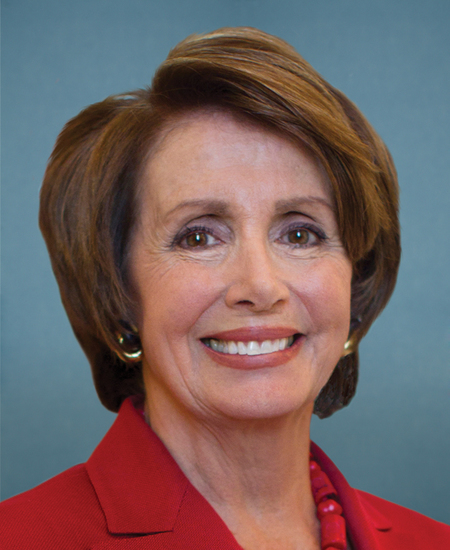
Nancy Pelosi
Nancy Pelosi House · District 11
D
Strong +
86% 246
Kim Schrier
Kim Schrier House · District 8
D
Strong +
86% 261
Scott Perry
Scott Perry House · District 10
R
Strong −
14% 252
AA
Alan Armstrong Senate
R
Strong −
14% 46
Rand Paul
Rand Paul Senate
R
Strong −
16% 223
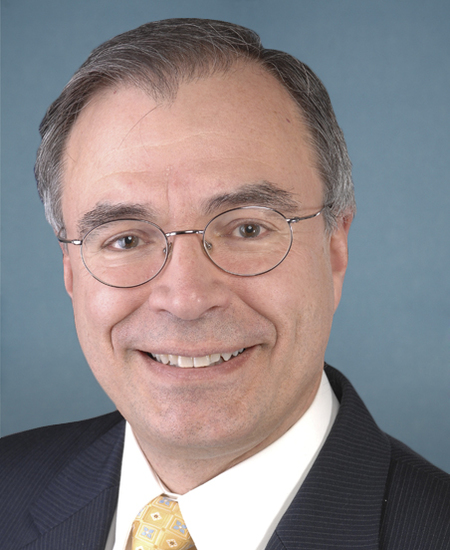
Andy Harris
Andy Harris House · District 1
R
Strong −
18% 257
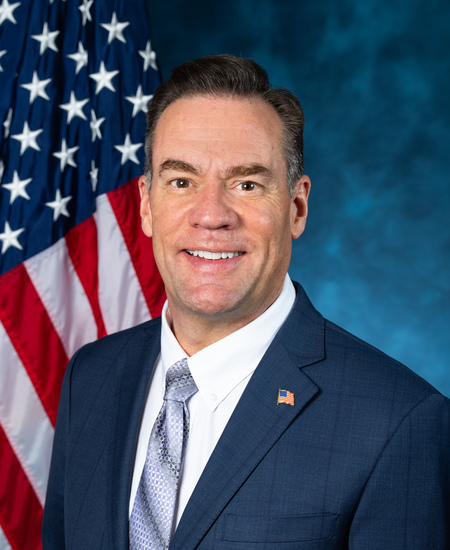
Russ Fulcher
Russ Fulcher House · District 1
R
Strong −
18% 262
Showing 31–40 of 1,641 bills

All technology bills

in committee · United States · House Sep 1, 2026

HR 10170: Memory Chip Competitiveness Assessment Act of 2026

The Memory Chip Competitiveness Assessment Act of 2026 directs the Secretary of Commerce to conduct a comprehensive study on the market for advanced memory technology, including demand, supply constraints, and impacts on consumer costs. The study must examine capital investment cycles, supply chain dependencies on non-U.S. suppliers, and legal or regulatory barriers that limit domestic supply. The Secretary is required to consult with federal agencies and industry stakeholders, such as manufacturers and major customers, before publishing the findings. A final report must be submitted to congressional committees and made public within 270 days of enactment, following a period for public comment.
in committee · United States · House Sep 1, 2026

HR 10207: GUARDIAN Act

The GUARDIAN Act requires social media platforms to obtain verifiable parental consent before collecting or processing the personal data of users under the age of 16. It defines "covered platforms" as internet services that use design features like infinite scrolling, push notifications, and personalized recommendation algorithms to promote user engagement. The bill mandates that these platforms delete a minor's data when they turn 16 unless a parent explicitly requests retention, and it grants parents the right to withdraw consent at any time, which forces the platform to terminate the account within ten days. Enforcement is handled by the Federal Trade Commission, with state attorneys general also permitted to bring civil actions for violations, while the law preempts conflicting state regulations but allows states to enact stricter protections for minors.
in committee · United States · Senate Aug 6, 2026

S 5345: A bill to provide for the delivery of artificial intelligence functional bills of materials, and for other purposes.

This bill requires contractors to submit an "artificial intelligence functional bill of materials" before the Department of Defense can enter into, renew, or extend any contract for goods or services that utilize artificial intelligence. This document must provide a detailed, machine-readable inventory of the specific software models, data sources, and hardware infrastructure supporting the AI system to allow the military to assess security risks and vulnerabilities. The legislation also mandates that existing software supply chain rules apply to AI systems and requires the Department of Defense to issue cybersecurity guidelines for securely storing these inventories.
in committee · United States · Senate Aug 4, 2026

S 5229: SWIPES Act

The SWIPES Act strengthens federal laws against financial fraud by explicitly including gift cards and digital credentials in the definition of "access devices" under existing statutes. It significantly increases prison sentences for individuals who traffic large quantities of counterfeit or unauthorized access devices, with penalties reaching up to 30 years for offenses involving more than 1,000 items. Additionally, the bill introduces a new federal offense that mandates an extra two-year consecutive prison sentence for anyone who commits fraud against victims over the age of 60.
Sub-Topics Corrections
in committee · United States · Senate Aug 6, 2026

S 5333: Advancing American Wi-Fi Against Foreign Adversaries Act

The Advancing American Wi-Fi Against Foreign Adversaries Act requires the Secretary of Commerce to develop a comprehensive strategy for promoting global adoption of Wi-Fi and unlicensed wireless technologies, with a specific focus on the 2027 World Radiocommunication Conference in Shanghai. This plan must be created in coordination with multiple federal agencies, including the Federal Communications Commission and the Department of State, and must include strategies to counter efforts by foreign adversaries to undermine U.S. technological leadership. The legislation mandates that the government seek public input during the planning process and submit a progress report to Congress within 90 days after the conference concludes.
in committee · United States · Senate Aug 6, 2026

S 5310: Robotics Supply Chain Improvement Act

The Robotics Supply Chain Improvement Act directs the National Institute of Standards and Technology to identify barriers to data sharing for artificial intelligence and robotics development, while also coordinating with industry to establish standards for emerging technologies like humanoid robots. The bill requires NIST to work with the Departments of Education and Labor to create training curricula that upskill workers for the robotics sector. Additionally, it mandates that NASA prioritize licensing its robotics-related patents and technologies to the private sector to support the domestic industrial base. Finally, the Secretary of Commerce is required to submit annual reports to Congress for five years detailing the rate of robotics adoption across various industries and geographic locations in the United States.
in committee · United States · Senate Aug 6, 2026

S 5284: Green New Deal for Public Housing Act

The Green New Deal for Public Housing Act directs federal funds to public housing agencies and tribal entities to rehabilitate, modernize, and electrify the nation's public housing stock into zero-carbon homes within ten years. The bill establishes grant programs that require recipients to conduct deep energy retrofits, install renewable energy systems, upgrade water quality infrastructure, and provide high-speed internet access to residents. In exchange for these funds, agencies must commit to maintaining their total number of housing units, ensuring displaced residents can return to their original projects, and adhering to strict labor standards that prioritize hiring low-income individuals and supporting resident-owned businesses. Additionally, the legislation strengthens tenant participation by mandating the formation of elected resident councils in larger developments and providing stipends for volunteer officers who help manage community operations.
in committee · United States · Senate Aug 5, 2026

S 5246: MATCH IT Act of 2026

The MATCH IT Act of 2026 directs the Department of Health and Human Services to create a uniform definition for patient match rates and establish a minimum data set required to accurately link patients with their medical records. These new standards would be integrated into federal health information technology certification criteria and Medicare interoperability program requirements, affecting electronic health record vendors and healthcare providers participating in these programs. To encourage adoption, the bill introduces a voluntary bonus measure within the Medicare Promoting Interoperability Program that allows eligible providers to receive payment adjustments for achieving high patient match rates, such as 90 percent or higher. Additionally, the legislation mandates the creation of an anonymous reporting program where providers can submit matching accuracy data to help the government monitor progress and adjust incentive thresholds over time.
Sub-Topics Medicare
in committee · United States · Senate Aug 6, 2026

S 5307: Artificial Intelligence and Innovation Talent Act

The Artificial Intelligence and Innovation Talent Act requires the Secretary of Homeland Security, in coordination with other federal officials, to develop a comprehensive strategy within 180 days to align immigration policies with national goals for attracting and retaining high-skilled talent in artificial intelligence and emerging technologies. The strategy must assess how current laws impact U.S. competitiveness, evaluate options for retaining foreign nationals trained in the United States, and identify specific high-priority occupations where domestic talent may be insufficient. Additionally, the plan must outline measures to protect national security through risk-based vetting and provide recommendations for administrative changes, such as revising the H-1B visa selection process, as well as potential legislative actions like creating a new visa class for entrepreneurs in critical sectors.
in committee · United States · Senate Aug 7, 2026

S 5360: Rural and Municipal Utility Cybersecurity Act

The Rural and Municipal Utility Cybersecurity Act establishes a federal program to provide grants and technical assistance to small electric utilities, including rural cooperatives, municipally owned systems, and smaller investor-owned companies. The program aims to help these entities deploy advanced cybersecurity technologies and participate in threat information sharing networks to better protect against cyberattacks. Funding is prioritized for utilities with limited security resources or those operating critical infrastructure that supports the national power grid. The bill authorizes $250 million in appropriations over five years, from fiscal year 2027 through 2031, and exempts shared cybersecurity information from public disclosure under freedom of information laws.
Sub-Topics Electric Grid Cybersecurity Tags Rural Communities
Showing 31 to 40 of 1,641 bills
Previous 1 3 4 5 165 Next