Issue · Technology

Technology

Every technology bill, vote, and legislator stance in United States, automatically classified by Maddy, our AI policy reader.

Total bills
1,641
119th Congress
Top supporter
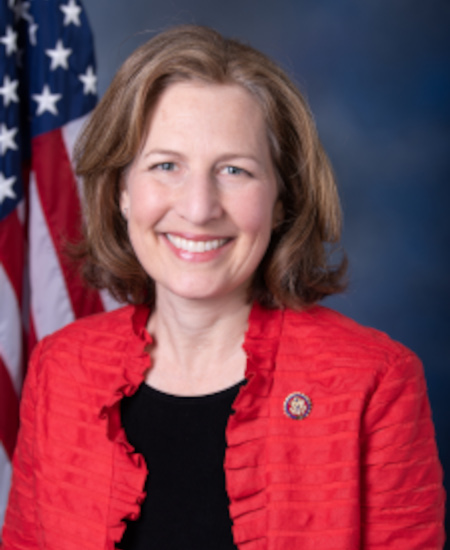
Suzan K. DelBene
86% support rate
Top opponent
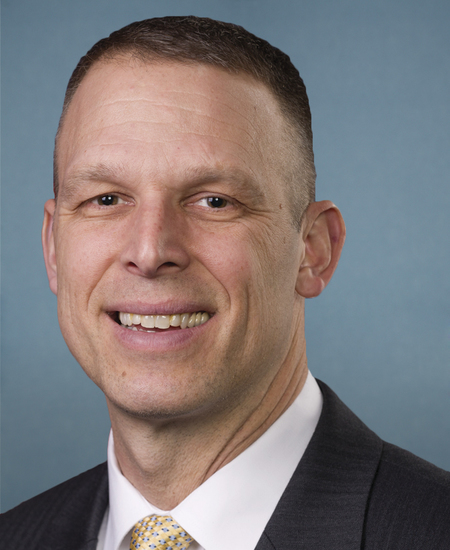
Scott Perry
14% support rate
Ranked legislators
10
5 support · 5 oppose
Key legislators

Who's moving technology in United States

Legislators moving technology in United States
Legislator Party Stance Support rate Votes
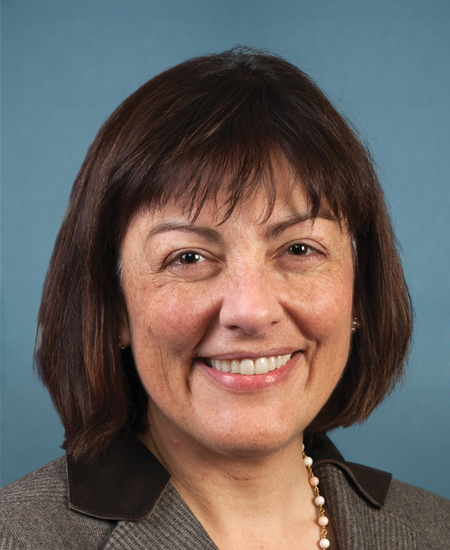
Suzan K. DelBene
Suzan K. DelBene House · District 1
D
Strong +
86% 259
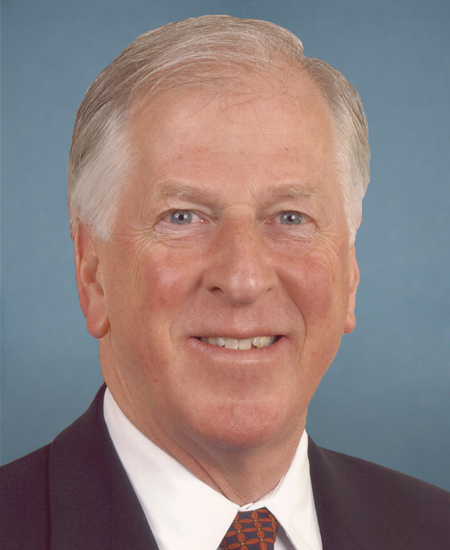
Mike Thompson
Mike Thompson House · District 4
D
Strong +
86% 261
Chrissy Houlahan
Chrissy Houlahan House · District 6
D
Strong +
86% 259
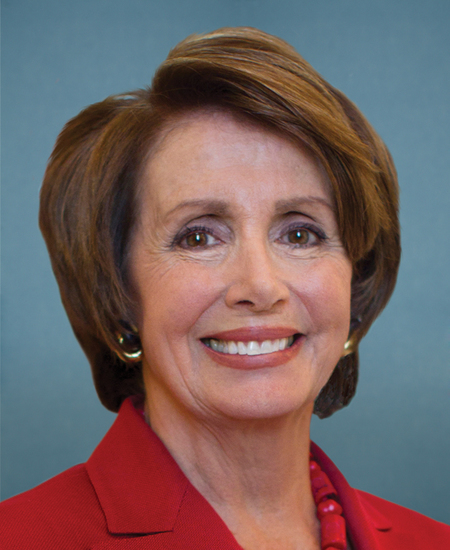
Nancy Pelosi
Nancy Pelosi House · District 11
D
Strong +
86% 246
Kim Schrier
Kim Schrier House · District 8
D
Strong +
86% 261
Scott Perry
Scott Perry House · District 10
R
Strong −
14% 252
AA
Alan Armstrong Senate
R
Strong −
14% 46
Rand Paul
Rand Paul Senate
R
Strong −
16% 223
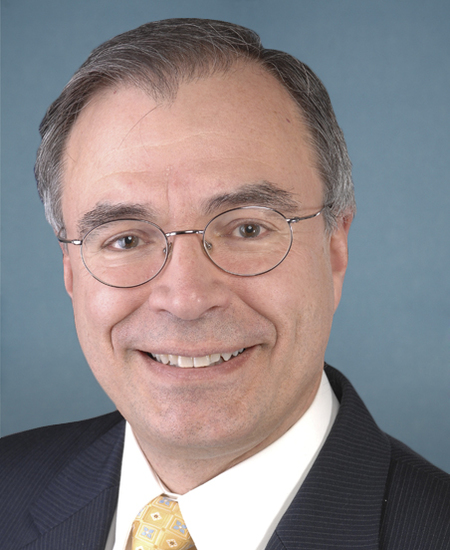
Andy Harris
Andy Harris House · District 1
R
Strong −
18% 257
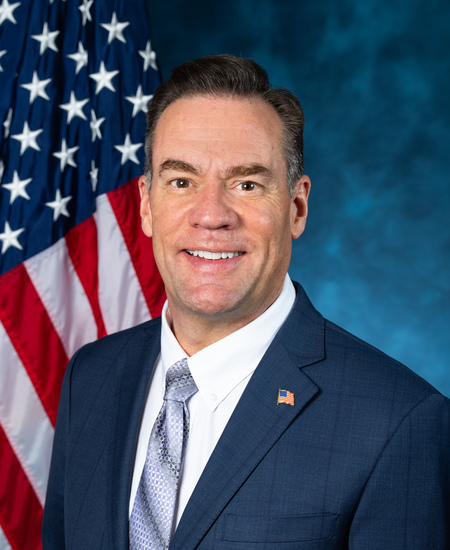
Russ Fulcher
Russ Fulcher House · District 1
R
Strong −
18% 262
Showing 1,611–1,620 of 1,641 bills

All technology bills

in committee · United States · Senate Mar 25, 2025

S 1106: United States Leadership in Immersive Technology Act of 2025

S 1106 establishes a new Immersive Technology Advisory Panel and designates a Principal Advisor on immersive technology to guide U.S. leadership in this field. The panel, composed of federal agency heads (like Defense and Commerce) and external experts, will study how immersive technology - including augmented reality, virtual reality, and mixed reality - affects economic competitiveness, national security, and key sectors like healthcare, education, and manufacturing. Within two years, the panel must complete a study and submit a report to Congress with recommendations on standards, cybersecurity, ethical safeguards, and strategies to maintain U.S. global leadership. The bill directly affects federal agencies and aims to coordinate government-private sector efforts without mandating new regulations or funding.
in committee · United States · House Dec 3, 2025

HR 6402: Ensuring Safe and Ethical AI Development Through SAFE AI Research Grants

HR 6402 establishes a federal grant program administered by the National Academy of Sciences to fund research on developing "safe AI models" and mitigating AI risks. The program requires the Director to create public guiding principles for AI safety through stakeholder input, then submit a detailed proposal within one year outlining grant structure, research priorities, and evaluation methods. It directly affects researchers and institutions seeking federal funding for AI safety studies, not end-users or specific AI products. Key provisions include mandatory public input on ethical guidelines, a requirement to assess existing AI models' safety features, and a timeline for implementing the grant program. The bill focuses on research funding, not regulation of AI technology or deployment.
in committee · United States · House Sep 1, 2026

HR 4950: Data BRIDGE Act

The Data BRIDGE Act requires the Federal Communications Commission (FCC) to update its national broadband map within 180 days of enactment by adding agricultural areas as a dedicated layer. This change will directly affect the FCC, USDA, state governments, and broadband providers by incorporating agricultural land data into the map used to identify broadband coverage gaps. The bill mandates the FCC to consult with the USDA, Commerce Department, states, and other stakeholders to integrate existing agricultural data into the map. The goal is to improve accuracy in identifying broadband needs in rural farming communities, though it does not directly fund infrastructure.
Sub-Topics Broadband Access Telecommunications Tags Rural Communities
in committee · United States · House Sep 1, 2026

HR 2805: PLAN for Broadband Act

HR 2805, the PLAN for Broadband Act, requires the federal government to create a National Strategy to Close the Digital Divide within one year of enactment. This strategy must coordinate all federal broadband programs, streamline permitting for infrastructure installation on federal property, and reduce administrative burdens for state, local, and Tribal governments participating in these programs. The bill mandates a follow-up Implementation Plan within 120 days, including accountability measures, common data standards for funding, and regular congressional briefings. The strategy and plan aim to reduce program duplication, improve efficiency, and address gaps in broadband access, particularly for underserved communities and Tribal lands, with oversight from the Government Accountability Office.
Sub-Topics Broadband Access Digital Government Telecommunications Tags Rural Communities
in committee · United States · Senate Jun 12, 2025

S 2049: NTIA Policy and Cybersecurity Coordination Act

This bill creates a new Office of Policy Development and Cybersecurity within the National Telecommunications and Information Administration (NTIA). The office, led by an Associate Administrator, will develop market-based policies to promote innovation, competition, and digital inclusion in communications technologies while coordinating cybersecurity and privacy policies. It will conduct studies on internet access, foster collaboration between security researchers and service providers, and provide guidance on securing communications networks. The bill directly affects the NTIA's operations and indirectly impacts the broader communications industry, small businesses, and rural service providers through its policy coordination efforts.
Sub-Topics Broadband Access Cybersecurity Telecommunications Tags Rural Communities
in committee · United States · House Jan 14, 2026

HR 7064: AI in Health Care Efficiency and Study Act

HR 7064, the AI in Health Care Efficiency and Study Act, requires the U.S. Department of Health and Human Services (HHS) to study how artificial intelligence can streamline administrative tasks in healthcare while protecting patient privacy. The study will examine AI applications for scheduling, claims processing, electronic health records, and cybersecurity threats like ransomware, involving healthcare providers, health plans, AI developers, and privacy experts. HHS must report findings and recommendations to Congress within 6 months of completing the study, focusing on reducing provider workload, improving data security, and ensuring compliance with health privacy laws. This bill does not create new regulations but directs a federal study to inform future policy on AI in healthcare administration.
in committee · United States · House Sep 11, 2025

HRES 701: Of inquiry requesting the President of the United States to furnish certain information to the House of Representatives relating to the Department of Government Efficiency's access to and usage of NUMIDENT and other personally identifiable information in the possession of the Social Security Administration.

HRES 701 is a House resolution requesting the President to provide documents about the Department of Government Efficiency's (DOGE) access to Social Security Administration data. It specifically seeks records related to a cloud system hosting the Social Security Numerical Identification System (NUMIDENT), including security plans, the purpose of the cloud copy (e.g., audits, benefits decisions, AI training), and access by named individuals. The resolution requires the President to submit these materials within 14 days of adoption. This is an inquiry, not a policy change, focused solely on transparency about government data access.
Sub-Topics Artificial Intelligence Tags Government Transparency
in committee · United States · House Dec 11, 2025

HR 6499: Assessing Safety Tools for Parents and Minors Act

HR 6499, the Assessing Safety Tools for Parents and Minors Act, directs the Federal Trade Commission (FTC) to review how technology companies promote online safety for minors under 17. The FTC must examine industry efforts like parental controls, age-appropriate content labels, and privacy settings to assess their effectiveness in reducing online harms, consulting with parents, experts, and industry. Within 6 months of enactment, the FTC must begin this review and submit a report to Congress within 3 years, including recommendations for improving online safety. The bill does not create new regulations but requires the FTC to evaluate existing industry practices and provide findings to lawmakers. This review directly affects the FTC and technology companies by mandating their participation in assessing current safety tools.
in committee · United States · House Aug 8, 2025

HR 4942: Quantum Encryption Readiness and Resilience Act

This bill requires the federal government to assess and address cybersecurity risks from quantum computers that could break current encryption. It mandates a detailed report within one year (and annual updates) evaluating U.S. progress compared to other countries in developing quantum computers and adopting post-quantum cryptography, identifying vulnerable sectors (like finance or critical infrastructure), and creating a mitigation plan. The plan must facilitate government-private sector collaboration, information sharing, and technical assistance to help entities adopt security measures. The bill also directs the creation of guidelines to define "cryptographically-relevant quantum computers" and includes recommendations for implementing the plan through legislation or policy. This directly affects federal agencies, private companies, and public entities handling sensitive data.
signed · United States · Senate May 11, 2026

S 98: Rural Broadband Protection Act of 2025

S 98, the Rural Broadband Protection Act of 2025, requires the Federal Communications Commission (FCC) to establish a vetting process for applicants seeking new high-cost universal service fund funding to deploy rural broadband networks. It mandates that applicants prove they have the technical, financial, and operational capabilities, along with a sound business plan, to build and operate the proposed network as defined by the FCC. The bill also sets minimum penalties of $9,000 per violation for applicants who fail to meet pre-authorization requirements, with penalties not falling below 30% of the awarded funding. This directly affects entities applying for federal broadband deployment grants in rural areas.
Sub-Topics Broadband Access Telecommunications Tags Rural Communities
Showing 1,611 to 1,620 of 1,641 bills