Issue · Labor & Employment

Labor & Employment

Every labor & employment bill, vote, and legislator stance in United States, automatically classified by Maddy, our AI policy reader.

Total bills
1,399
119th Congress
Top supporter
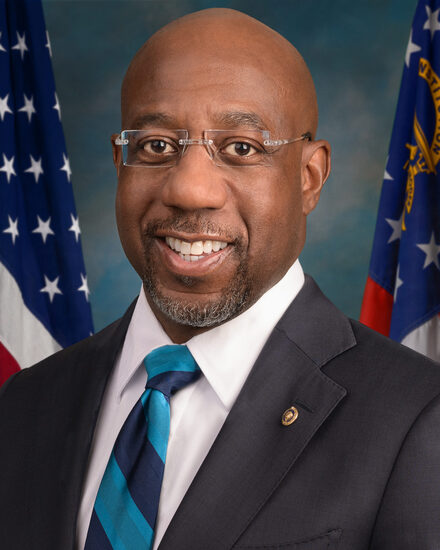
Raphael G. Warnock
100% support rate
Top opponent
Eric Burlison
31% support rate
Ranked legislators
10
5 support · 5 oppose
Key legislators

Who's moving labor & employment in United States

Legislators moving labor & employment in United States
Legislator Party Stance Support rate Votes
Raphael G. Warnock
Raphael G. Warnock Senate
D
Strong +
100% 211
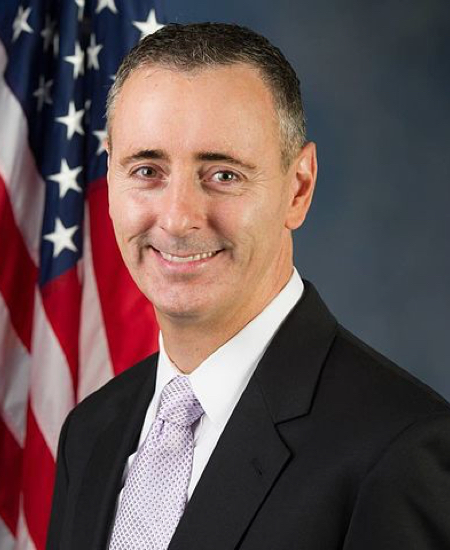
Brian K. Fitzpatrick
Brian K. Fitzpatrick House · District 1
R
Strong +
92% 194
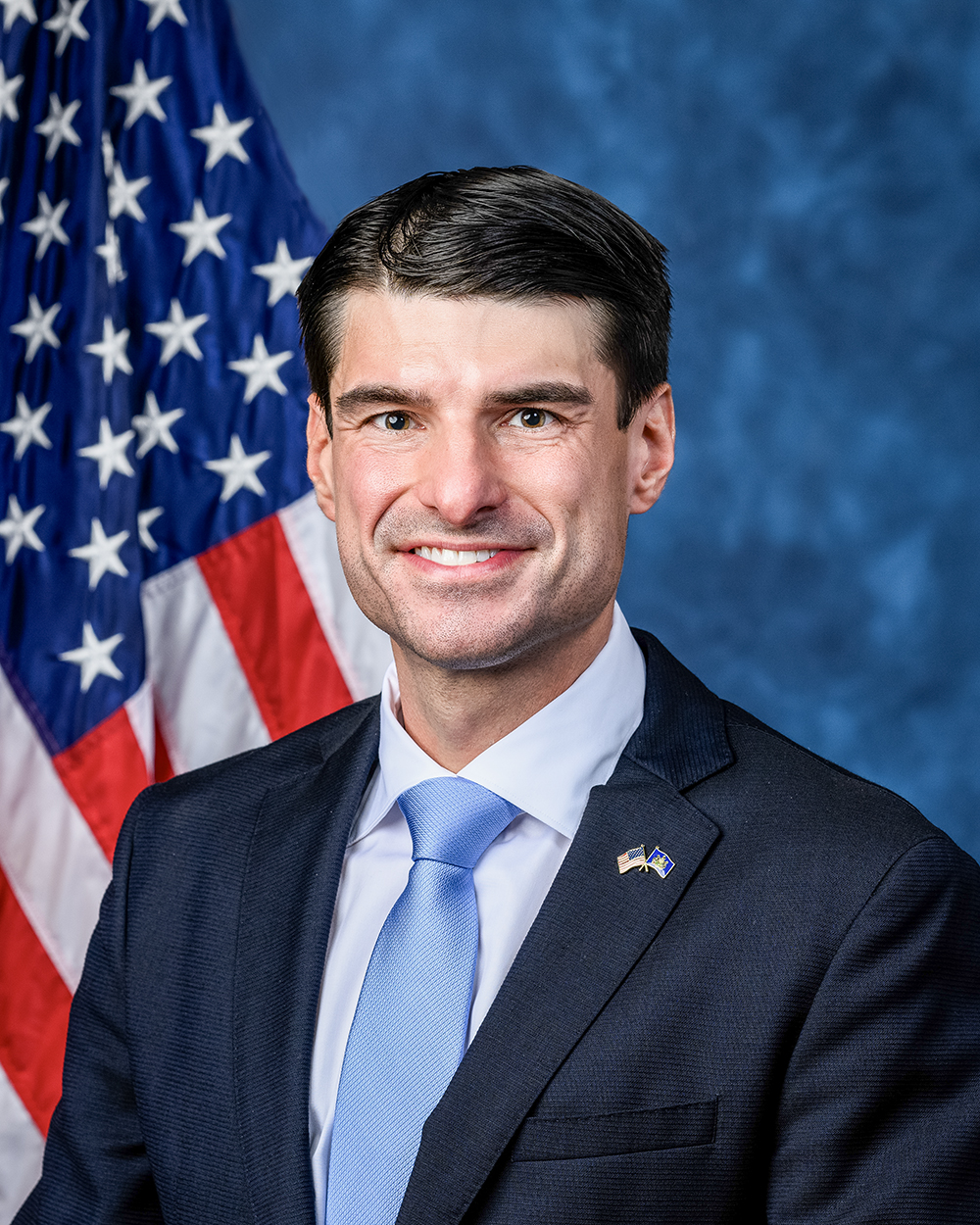
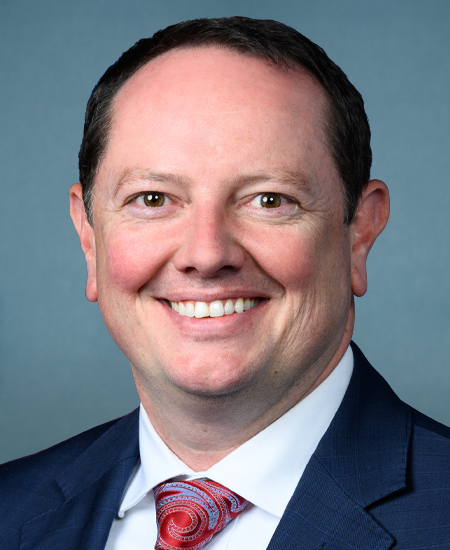
Robert P. Bresnahan, Jr.
Robert P. Bresnahan, Jr. House · District 8
R
Strong +
92% 197
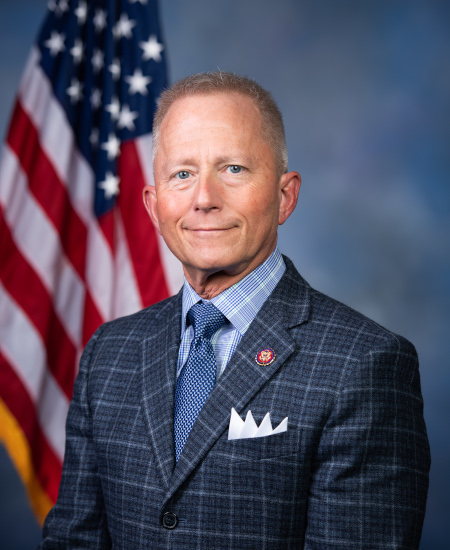
Jefferson Van Drew
Jefferson Van Drew House · District 2
R
Strong +
92% 197
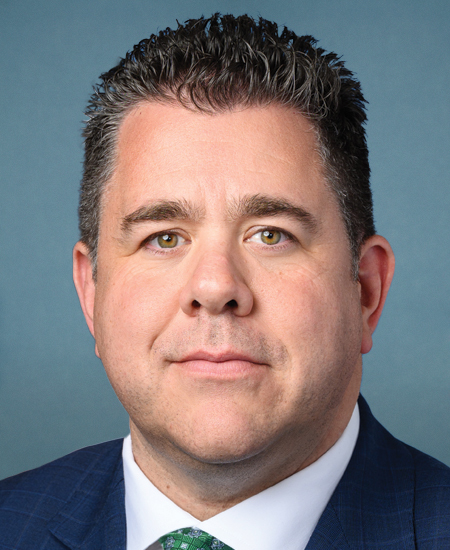
Nick LaLota
Nick LaLota House · District 1
R
Strong +
92% 195
Eric Burlison
Eric Burlison House · District 7
R
Oppose
31% 197
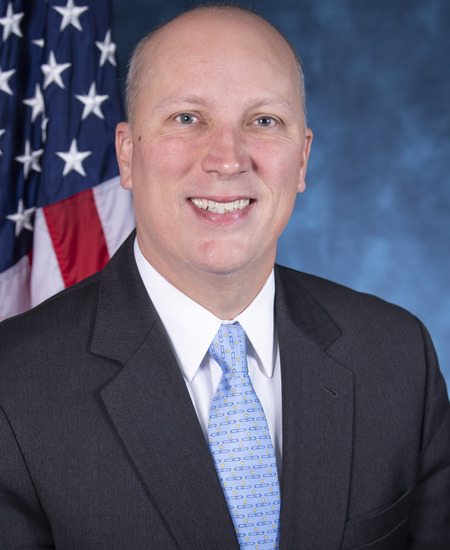
Chip Roy
Chip Roy House · District 21
R
Oppose
31% 190
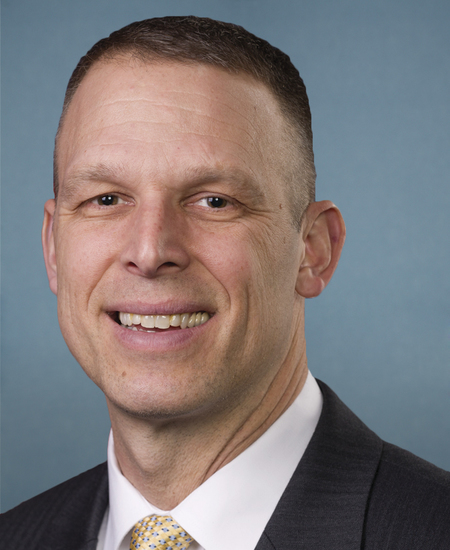
Scott Perry
Scott Perry House · District 10
R
Oppose
31% 194
Tom McClintock
Tom McClintock House · District 5
R
Oppose
31% 190
Darin LaHood
Darin LaHood House · District 16
R
Oppose
33% 175
Showing 61–70 of 1,399 bills

All labor & employment bills

in committee · United States · Senate Jun 17, 2026

S 4817: CHILD Labor Act

The CHILD Labor Act strengthens existing federal protections against child labor by expanding the definition of hazardous work for minors and requiring stricter oversight of companies in supply chains. It mandates that federal contractors and recipients of federal financial assistance ensure no child under 16 is employed and that those aged 16 or 17 are not engaged in dangerous labor, with penalties for violations extending to parent companies that fail to verify their subcontractors' compliance. The legislation also increases fines for child labor offenses, allows the Department of Labor to issue stop-work orders, and establishes new civil damages for victims of these violations. Additionally, the bill requires the government to publish annual reports on work-related injuries and deaths while funding training programs to help identify and prevent child labor abuses.
in committee · United States · House Jul 30, 2026

HR 10007: Environmental Health Workforce Act of 2026

The Environmental Health Workforce Act of 2026 aims to address staffing shortages in public health by requiring the Department of Health and Human Services to create model standards for credentialed environmental health workers and develop a strategic plan to train and retain them. This legislation directs the government to study best practices in six specific states regarding worker training and credentialing, while also expanding the Public Service Loan Forgiveness program to include full-time employment as an environmental health worker. The bill defines environmental health workers as professionals who assess environmental hazards and enforce safety guidelines, ensuring that efforts to strengthen this workforce are based on concrete policy changes rather than speculation.
in committee · United States · House Jul 16, 2026

HR 9730: Foreign Service Test-Free Reentry Act of 2026

The Foreign Service Test-Free Reentry Act of 2026 allows the State Department to rehire certain former career diplomats without requiring them to take new exams. This provision applies specifically to individuals who were involuntarily separated or retired between January 20, 2025, and January 31, 2030, as part of a reduction in force or similar expedited process. To qualify, these former employees must have been serving in good standing and must not have received low performance rankings in the five years leading up to their separation. The bill aims to streamline the reentry process for these specific groups by waiving standard testing requirements.
in committee · United States · House Jul 23, 2026

HR 9908: Rural Hospital Cybersecurity Enhancement Act

The Rural Hospital Cybersecurity Enhancement Act directs the Department of Health and Human Services to create a workforce development plan aimed at training cybersecurity professionals specifically for rural hospitals. This strategy requires the Secretary to consult with various federal agencies and healthcare representatives while focusing on partnerships, curriculum development, and identifying local security challenges. Additionally, the bill mandates the publication of free instructional materials and an awareness campaign to help rural hospital staff learn fundamental cybersecurity skills. The legislation does not authorize any new funding, relying instead on existing resources to implement these training and educational initiatives.
Sub-Topics Hospitals Workforce Development Tags Cybersecurity Rural Communities
in committee · United States · House Jul 21, 2026

HR 9809: Disabled Access Credit Modernization Act

The Disabled Access Credit Modernization Act updates the tax credit available to small businesses that make their facilities more accessible to people with disabilities. It allows these businesses to claim the credit for a broader range of expenses, including equipment and services that go beyond the minimum requirements of the Americans with Disabilities Act or are needed even if the business is not currently subject to those rules. Additionally, the bill clarifies the definitions of disability and reasonable accommodation within the tax code. The legislation also requires the Treasury Department to issue guidance and conduct public outreach to help eligible businesses understand the updated credit, with a report to Congress due two years after enactment. These changes will take effect for expenses incurred after December 31, 2026.
Sub-Topics Tax Credits Tags People with Disabilities
in committee · United States · Senate Jun 24, 2026

S 4918: Right Start Child Care and Education Act of 2026

The Right Start Child Care and Education Act of 2026 creates a new federal tax credit to support individuals working in licensed child care facilities. This credit provides up to $4,500 annually for workers with a bachelor's degree in early childhood education or related fields, $3,000 for those with an associate's degree, and $1,500 for other eligible providers. To qualify, workers must perform at least 1,200 hours of child care services per year at a licensed facility that is not primarily their home, and the bill limits the credit to a maximum of three consecutive years per individual. The legislation applies to tax years beginning after December 31, 2026.
Sub-Topics Tax Credits
in committee · United States · Senate Jul 23, 2026

S 5107: No Corporate Crooks Act

The No Corporate Crooks Act bars individuals from working in the federal executive branch if they have been convicted of specific crimes committed while serving as a chief executive officer of a public or private non-federal entity. This ban applies to offenses such as bribery, fraud, cybercrime, embezzlement, insider trading, wage theft, and tax evasion, as well as comparable state-level crimes. Additionally, the law requires that any current federal executive branch employee who would be ineligible under these new rules must be removed from their position.
Sub-Topics Labor Standards
in committee · United States · House Jul 13, 2026

HRES 1427: Expressing support for the designation of July 10th as Journeyman Lineworkers Recognition Day.

This resolution expresses support for designating July 10th as Journeyman Lineworkers Recognition Day to honor the workers who maintain the nation's electrical grid. The bill specifically recognizes the dangerous conditions these employees face, such as working at heights near live power lines and responding to disasters like hurricanes and wildfires. It also commemorates Henry Miller, the first president of the International Brotherhood of Electrical Workers, who died on July 10, 1896, while performing his duties. Ultimately, the measure encourages the public to observe this day with reflection on the contributions of lineworkers.
Sub-Topics Apprenticeships
in committee · United States · House Jul 14, 2026

HR 9684: PATH Act

The Pre-Apprenticeships To Hardhats Act authorizes $20 million annually to fund grants that help build and construction trade pre-apprenticeship programs. These programs are designed to prepare individuals from underrepresented groups, such as women, racial minorities, and veterans, for entry into registered apprenticeships by providing industry-aligned training and curriculum. Funding is awarded to nonprofit partnerships that include employers, labor organizations, and educational institutions, with a requirement that the training leads directly to available apprenticeship positions. The Department of Labor must evaluate the effectiveness of these projects based on participant success rates, and grants may be extended only if satisfactory performance is demonstrated.
Sub-Topics Curriculum
in committee · United States · Senate Jul 22, 2026

S 5067: Federal Cybersecurity Workforce Expansion Act

The Federal Cybersecurity Workforce Expansion Act aims to address the national shortage of qualified cybersecurity personnel by creating two new pilot programs within the Department of Homeland Security. The first initiative establishes an apprenticeship program that hires up to 25 individuals annually to gain on-the-job training and related education, with the goal of placing them in permanent federal cyber workforce positions after completion. The second program offers free cybersecurity training to veterans and military spouses, providing virtual and hands-on learning opportunities that lead to recognized postsecondary credentials. Both pilots include provisions for recruiting underrepresented communities and require regular reporting to Congress on participant demographics, completion rates, and employment outcomes. Additionally, the bill extends the deadline for a federal cybersecurity workforce assessment from 2022 to 2028 to better track staffing needs.
Showing 61 to 70 of 1,399 bills
Previous 1 6 7 8 140 Next